
A roaster from a specialty company in London called me with an interesting idea. He wanted to add coffee leaf tea to his product line as a secondary revenue stream. Coffee leaf tea is made from the leaves of the coffee plant, not the beans. It has a lighter, more herbal flavor than traditional tea and contains antioxidants similar to those found in green tea. He asked me whether we could supply dried coffee leaves alongside our green beans. The answer was yes, and the conversation opened my eyes to a market that most coffee buyers never consider. Coffee leaf tea is a growing niche with real profit potential. Let me walk you through how to find a supplier and what to look for.
What Is Coffee Leaf Tea and Why Should You Consider It?
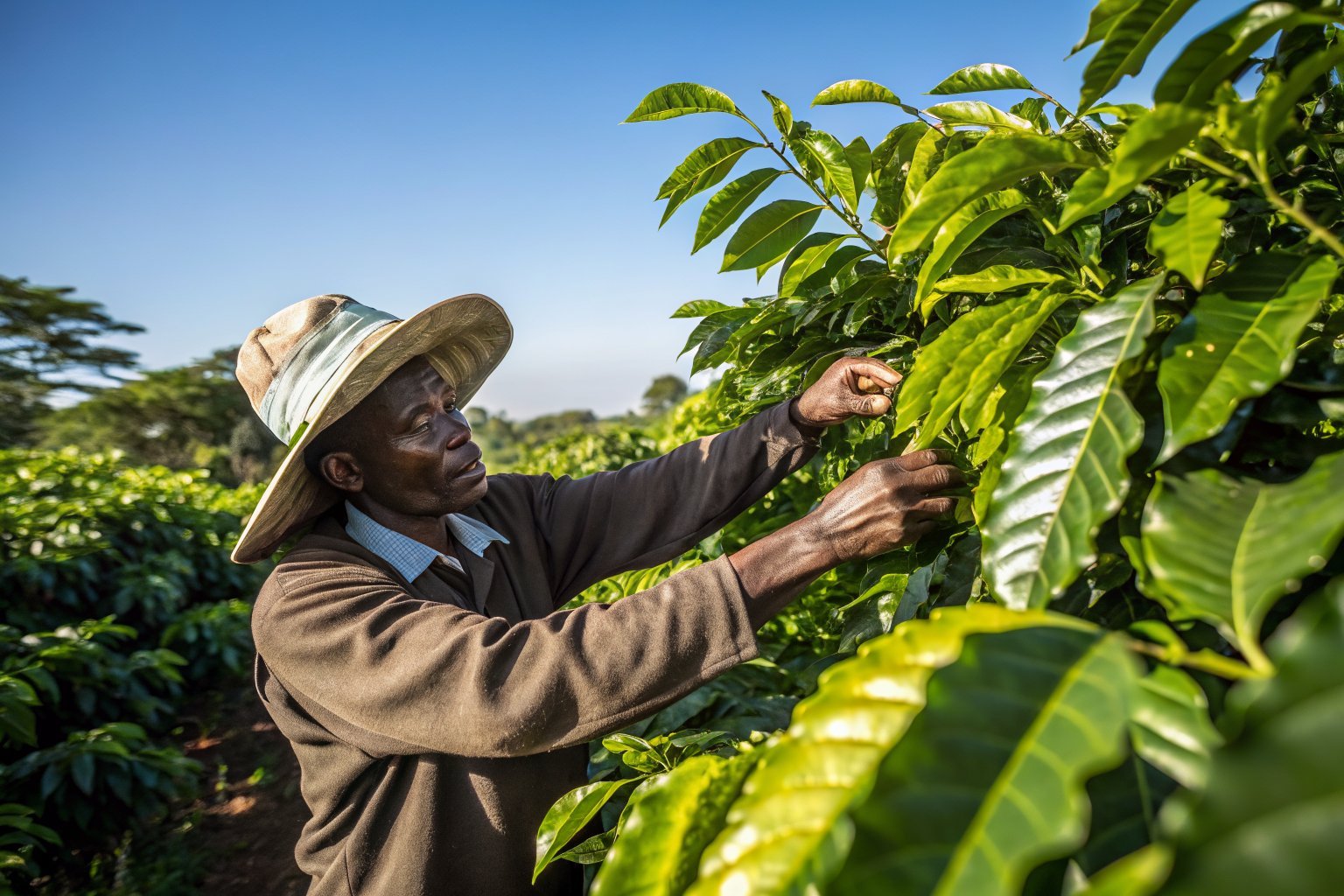
Coffee leaf tea is made from the leaves of the Coffea Arabica or Robusta plant. The leaves are harvested, dried, and processed similarly to traditional tea leaves. The resulting beverage has a mild, earthy flavor with hints of honey and tobacco, and it contains mangiferin, a compound with anti-inflammatory properties that is not found in coffee beans.
What Is the Market Potential for Coffee Leaf Tea?
The global coffee leaf tea market has been growing at 12 to 15 percent annually since 2020, driven by consumer interest in functional beverages and sustainable coffee byproducts. A coffee farm produces 2 to 4 times more leaf biomass than bean yield by weight, so the raw material is abundant and currently underutilized. The Specialty Coffee Association's coffee leaf tea market report estimates that the market could reach 200 million dollars by 2028. Early adopters who establish supply relationships now will have a significant advantage as demand grows. At Shanghai Fumao, we see coffee leaf tea as a natural extension of our product line and are developing relationships with buyers who want to enter this market.
How Does Coffee Leaf Tea Compare to Traditional Tea in Production Cost?
Coffee leaf tea is cheaper to produce than traditional tea because the raw material is already available on coffee farms. The leaves are typically pruned during normal farm maintenance. Collecting and drying them adds only labor cost. A pound of dried coffee leaf tea can be produced for 2 to 4 dollars, compared to 3 to 8 dollars for premium green tea. The International Coffee Organization's alternative products guide notes that coffee leaf tea offers farmers a 15 to 25 percent revenue increase per hectare without reducing coffee bean production. For buyers, the margin opportunity is significant because the product is new enough that premium pricing is sustainable.
How Do You Find a Reliable Coffee Leaf Tea Supplier?
Finding a coffee leaf tea supplier is different from finding a green coffee supplier. The market is less established, and quality standards are still being developed.
What Should You Look for in a Leaf Tea Supplier?
Look for three things. First, the supplier should use organic or low-pesticide farming practices because the leaves accumulate more pesticide residue than the beans. Second, they should have a dedicated processing line for leaf tea — using the same equipment as coffee bean processing can transfer flavors and contaminants. Third, they should be able to provide lab testing for mangiferin content, which is the primary active compound that consumers seek. The Coffee Quality Institute's leaf tea supplier evaluation checklist recommends verifying that the supplier harvests leaves from plants at least three years old, which have higher mangiferin concentrations. Younger plants produce leaves with less functional compound content.
What Questions Should You Ask Before Placing an Order?
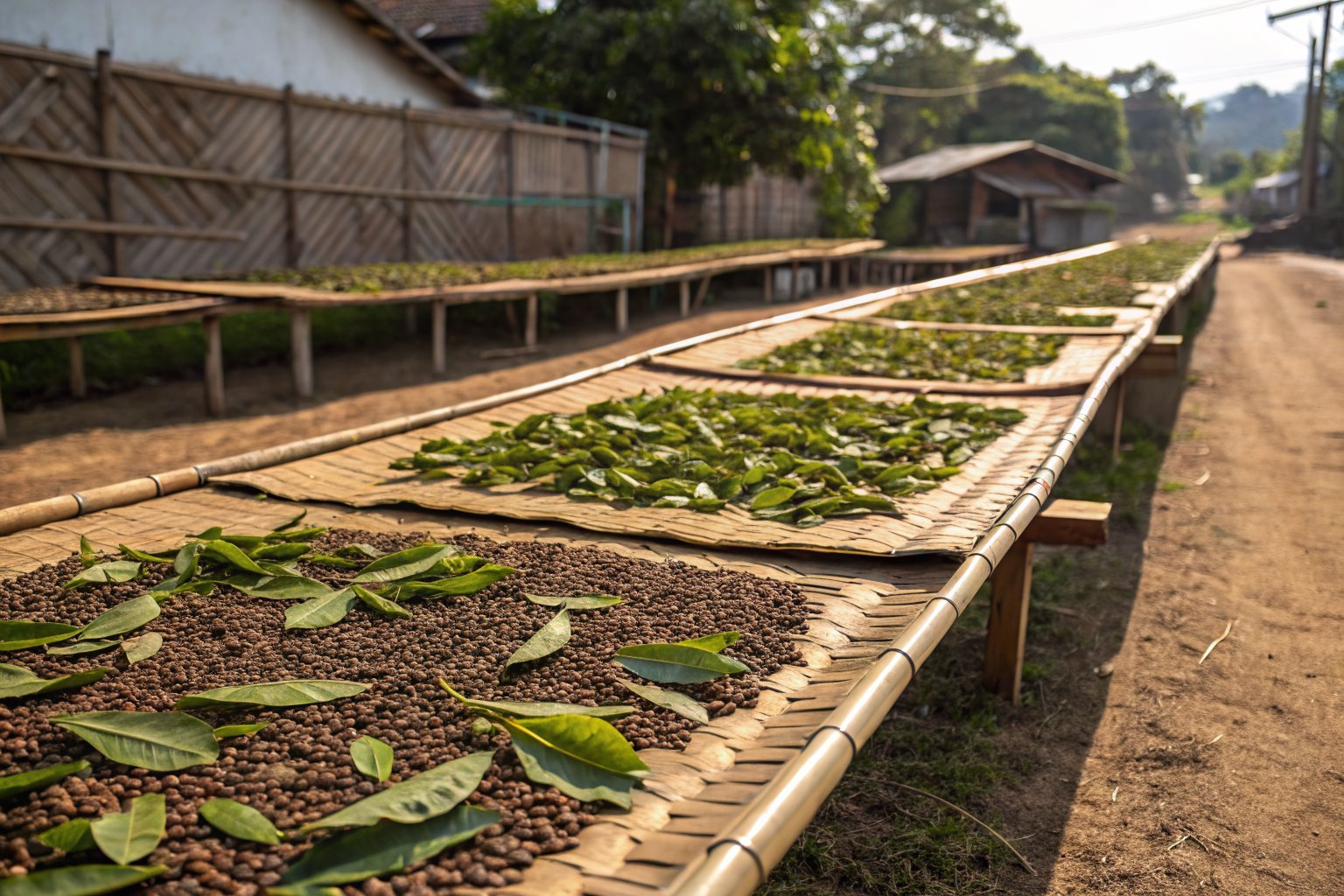
Ask about leaf maturity at harvest — young leaves produce a milder tea, older leaves produce a stronger, more earthy flavor. Ask about drying temperature — leaves dried above 50 degrees Celsius lose mangiferin content. And ask about storage conditions — dried leaves should be stored in airtight, light-proof containers at 20 degrees or below. At Shanghai Fumao, we harvest coffee leaves from our Yunnan plantation during the pruning season. The leaves are shade-dried at 35 to 40 degrees Celsius to preserve mangiferin content, and we test every batch for pesticide residues and microbial safety.
How Do You Process and Market Coffee Leaf Tea?
Once you have the dried leaves, the processing and marketing determine whether the product succeeds.
What Is the Optimal Processing Method for Coffee Leaf Tea?
The most common method is similar to green tea processing. The fresh leaves are steamed or pan-fired to stop enzymatic oxidation, then rolled and dried. This produces a green coffee leaf tea with a light, grassy flavor. For a more oxidized version similar to black tea, the leaves are withered, rolled, and fully oxidized before final drying. The World Coffee Research leaf tea processing study found that steamed processing preserves 30 percent more mangiferin than pan-fired processing, but pan-fired tea has a more appealing flavor profile for Western consumers. The optimal balance is a short pan-fire at 180 degrees Celsius for 2 minutes, followed by low-temperature drying.
How Should You Price and Position Coffee Leaf Tea?
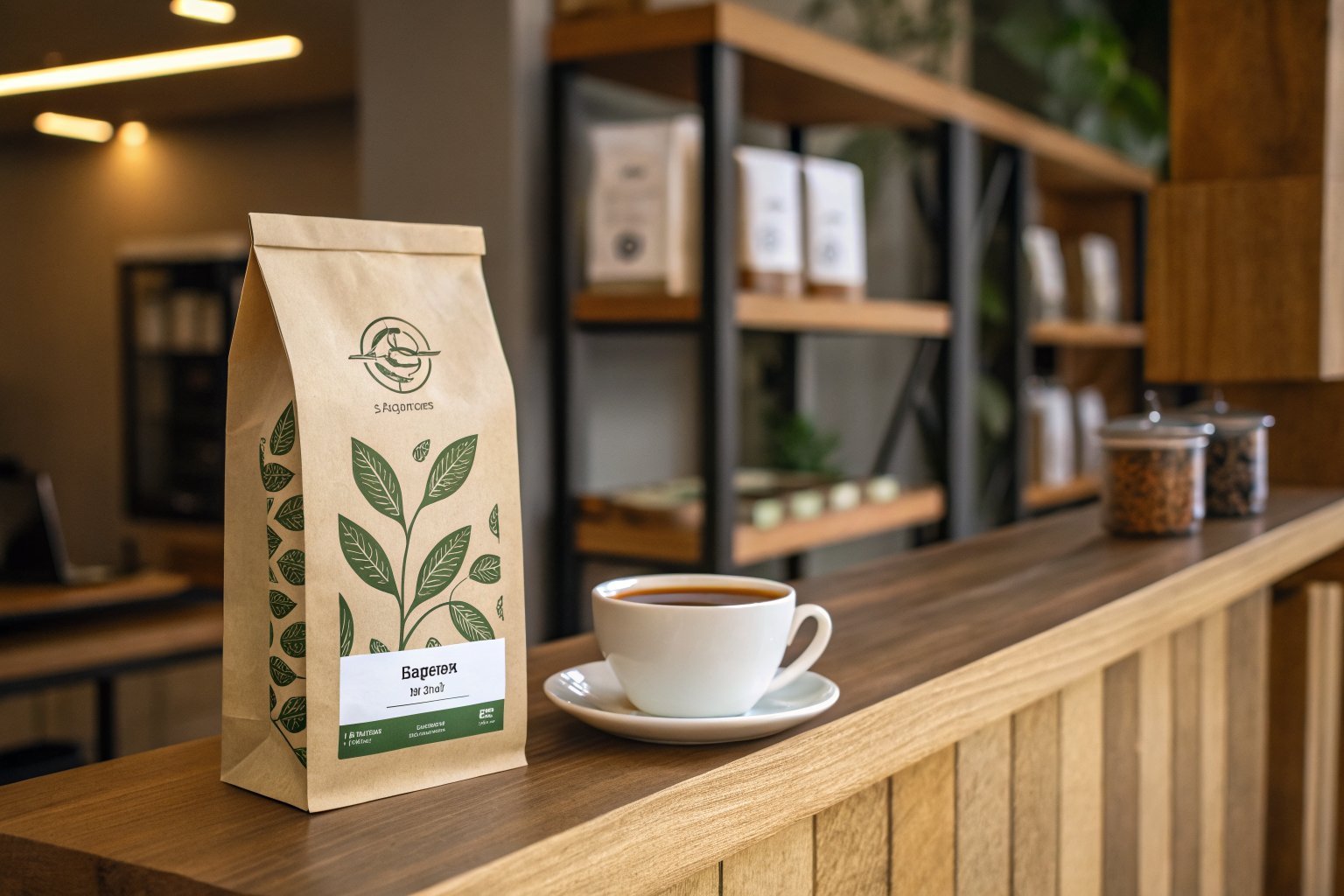
Position coffee leaf tea as a premium functional beverage. The target retail price is 15 to 25 dollars per pound for specialty-grade leaf tea, compared to 5 to 10 dollars for commodity green tea. The packaging should emphasize the antioxidant content and the sustainable byproduct story — this is coffee that does not come from beans. The initial investment for a coffee leaf tea line is low — approximately 2,000 to 5,000 dollars for drying racks, packaging, and labeling. The return on investment can be achieved within the first season if the product is priced correctly. The Roast Magazine's leaf tea marketing guide recommends launching with a limited edition offering to test the market before committing to volume. Coffee leaf tea has low awareness but high repurchase rates among consumers who try it — approximately 40 percent of first-time buyers become regular purchasers.
Conclusion
Coffee leaf tea is a growing market with real profit potential for roasters and coffee buyers who diversify early. The production cost is low, the raw material is abundant on coffee farms, and the market is growing at 12 to 15 percent annually. Find a supplier with organic practices, dedicated processing, and mangiferin testing. Process the leaves using a gentle heat method to preserve functional compounds, and price the tea as a premium functional product. At BeanofCoffee, we offer high-quality coffee leaf tea from our Yunnan plantation alongside our green coffee beans. If you want to add a secondary product line, coffee leaf tea is a natural and profitable choice. Contact Person: Cathy Cai Email: cathy@beanofcoffee.com Website: https://beanofcoffee.com/