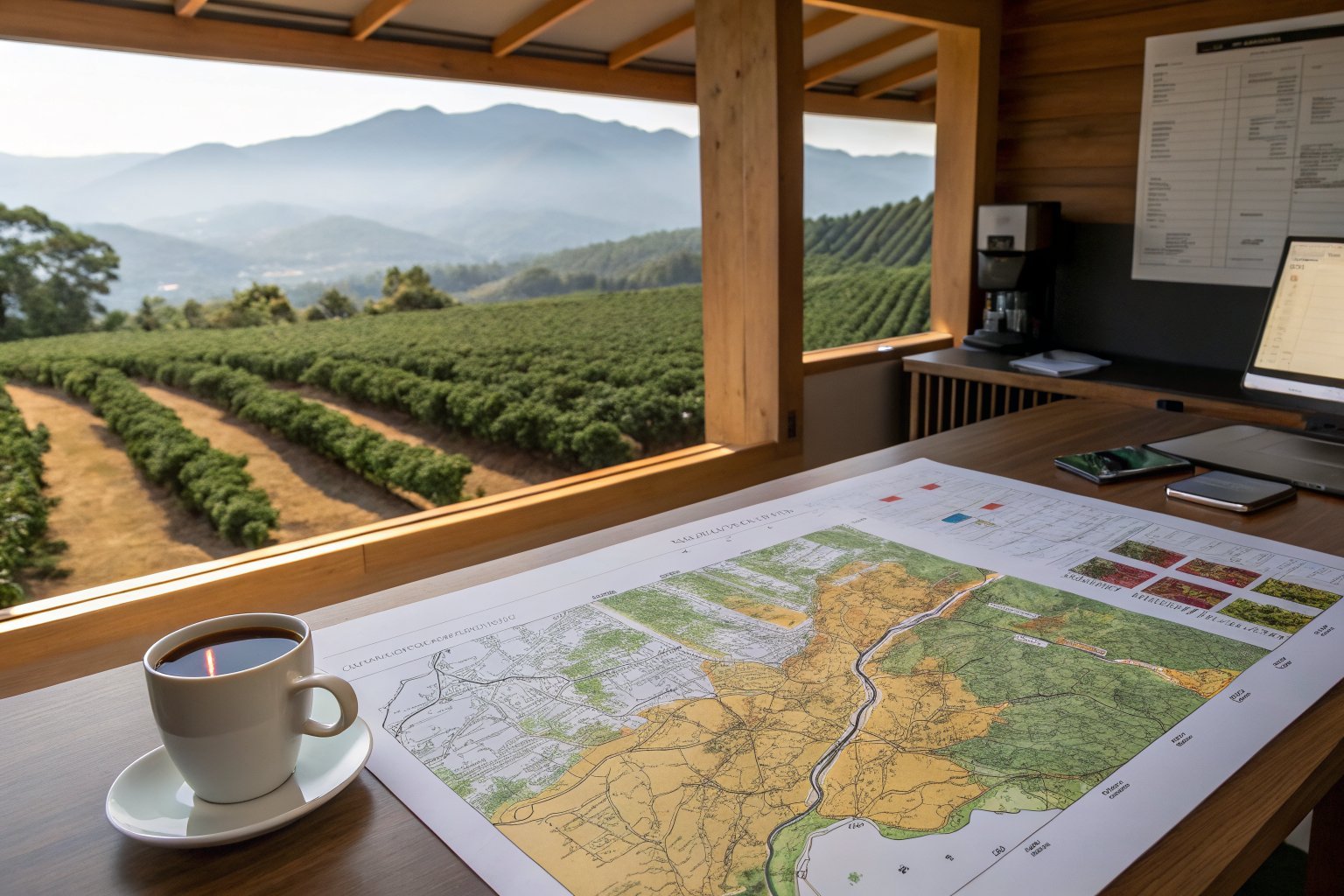
A buyer from a European wholesale distributor called me confused. He was comparing two Costa Rican coffee lots — one labeled Strictly High Grown and the other just High Grown. The price difference was 0.45 dollars per pound, and he could not tell from the cupping notes what justified the premium. The difference between SHG and HG is not just altitude. It is a certification of growing conditions, bean density, and cup quality that affects how the coffee performs in the roaster and in the cup. Let me walk you through the exact definitions and what they mean for your buying decisions.
What Do Strictly High Grown and High Grown Actually Mean?
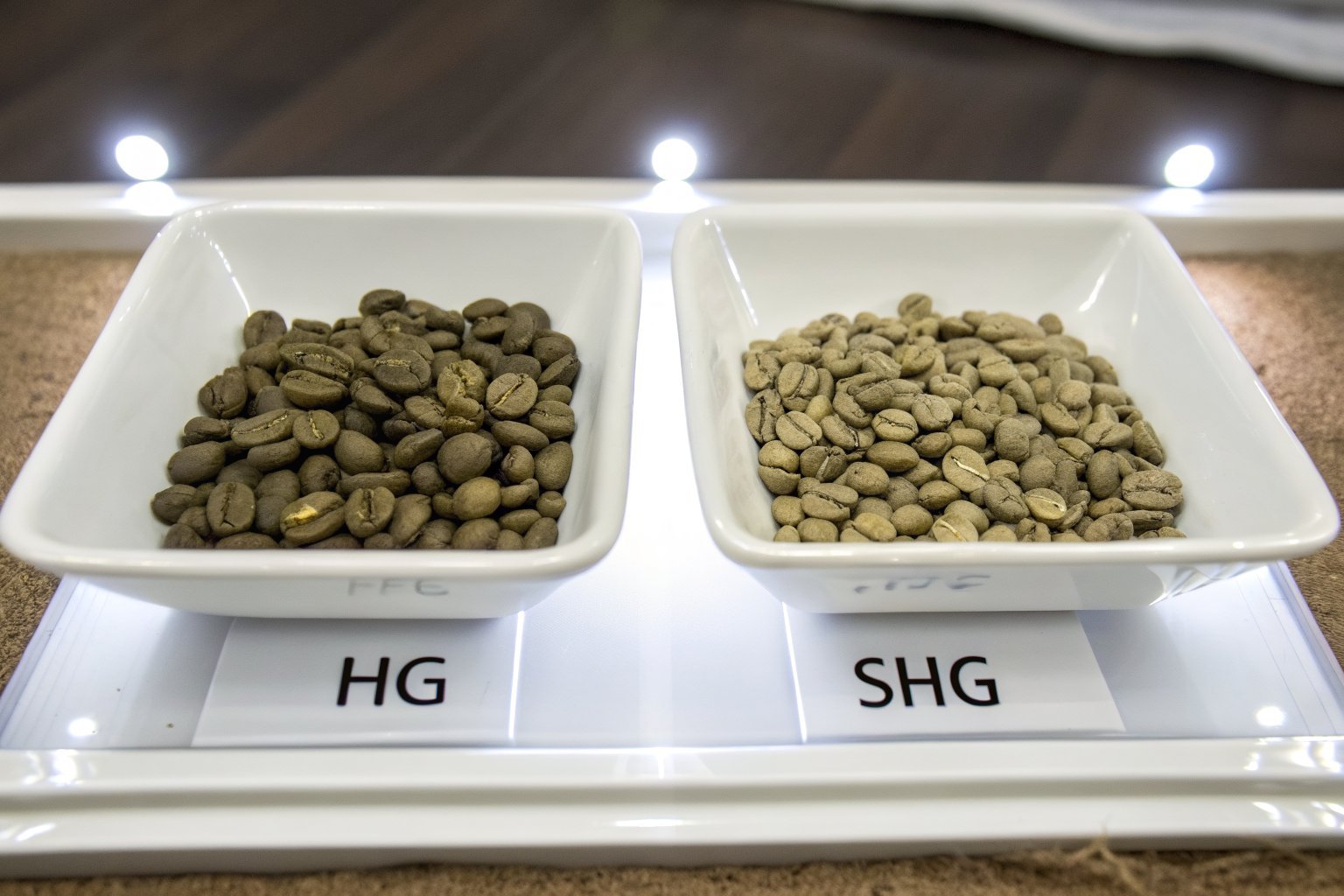
The terms Strictly High Grown and High Grown are altitude-based classifications used primarily in Central America, though they are increasingly applied to other origins like Yunnan. They indicate the minimum elevation at which the coffee was grown. Higher altitude means slower bean development, higher density, and greater flavor potential.
What Altitude Threshold Defines Each Classification?
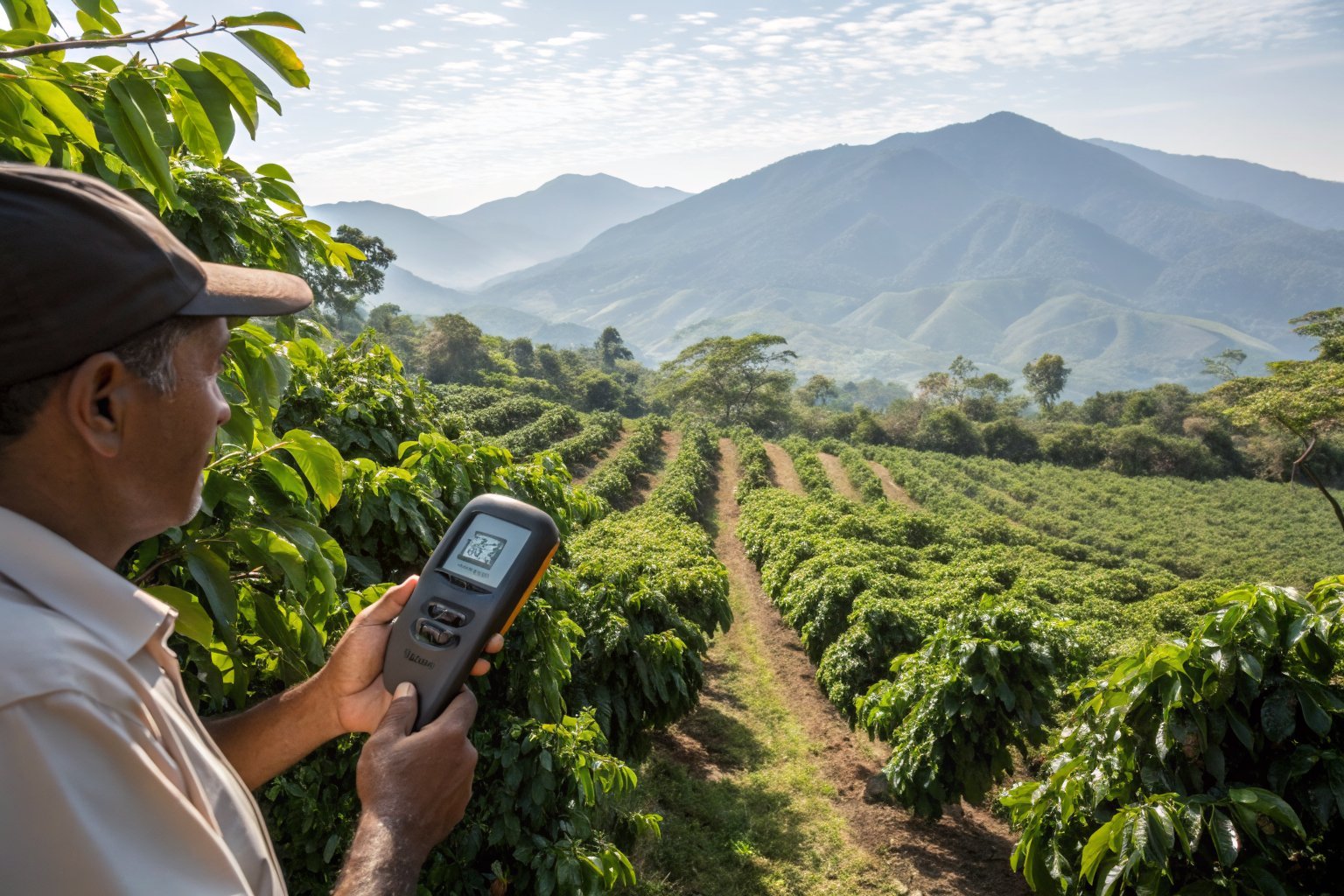
Different countries use slightly different thresholds, but the most widely accepted standards are: High Grown starts at 1,200 meters above sea level, and Strictly High Grown starts at 1,500 meters. In Honduras and Guatemala, HG is 1,200 to 1,500 meters and SHG is above 1,500. In Costa Rica, the thresholds are slightly higher — HG at 1,300 meters and SHG at 1,600 meters. The Specialty Coffee Association's altitude classification guide provides a detailed breakdown by country. For Yunnan coffee, the classification is not formally regulated, but at Shanghai Fumao, we use the same thresholds: our standard Yunnan is HG (1,000 to 1,300 meters) and our premium lots are SHG (1,300 to 1,600 meters). The difference in cup quality is consistent and measurable.
Does the Classification Guarantee Better Coffee?
Not automatically, but the correlation is strong. Coffee grown at SHG altitudes consistently scores 1.5 to 3 points higher on the SCA cupping scale than HG coffee from the same region and variety. The higher altitude produces denser beans with more sugar precursors and more complex flavor potential. The World Coffee Research altitude-quality correlation study analyzed over 1,200 coffee samples across 15 origins. SHG coffee scored an average of 83.4 points compared to 81.2 for HG coffee. The difference was most pronounced in flavor and acidity categories. If you are buying coffee for a specialty program, the SHG premium is usually worth paying.
How Does the Classification Affect Processing and Pricing?
The SHG designation affects not just the growing conditions but also how the coffee is processed, sorted, and priced throughout the supply chain.
Are SHG Coffees Processed Differently Than HG?
Many mills separate SHG and HG lots and process them with different care. SHG lots are often given longer fermentation times, more careful drying, and additional density sorting. The mill knows these beans command a premium and treats them accordingly. HG lots may be processed with less attention to detail because the margin is thinner. The Coffee Quality Institute's processing standards by grade specify that SHG lots should receive at least two passes through a density sorter, while HG lots may receive only one. The extra processing step removes more defective beans and produces a cleaner final product. At Shanghai Fumao, our SHG lots go through triple sorting — density, color, and manual — while our HG lots go through double sorting.
What Is the Typical Price Premium for SHG Over HG?
The SHG premium ranges from 0.30 to 0.80 dollars per pound over HG from the same origin. The premium varies by origin and market conditions but is remarkably consistent across seasons. For Central American origins, the premium averages 0.45 to 0.55 dollars per pound. For Asian origins like Yunnan, the premium is slightly lower at 0.30 to 0.45 dollars. The International Coffee Organization's grade price differentials show that the SHG premium has remained stable over the past five years, ranging from 8 to 15 percent above the HG price. For a container of 320 bags at 69 kilograms each, the SHG premium adds 4,000 to 7,000 dollars to the total cost. The question is whether the cup quality improvement justifies that cost for your specific application.
How Do You Verify SHG Claims from Suppliers?
Altitude claims are easy to make and hard to verify. Every buyer should have a system for checking whether the coffee they are paying SHG prices for actually meets the standard.

What Physical Tests Correlate with SHG-Grown Coffee?
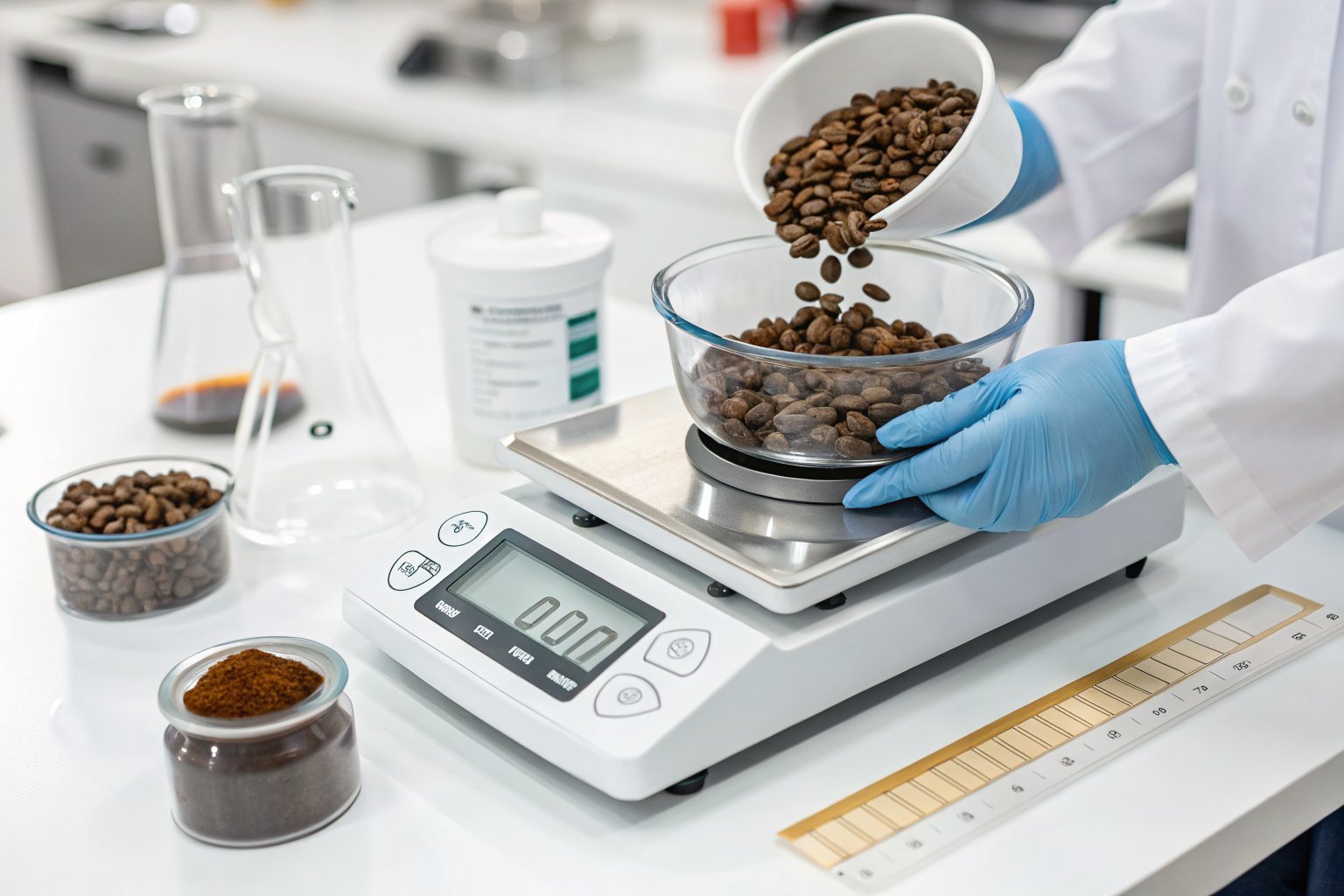
The best physical proxy for altitude is bean density. SHG coffee grown above 1,500 meters typically has a density above 0.70 grams per cubic centimeter. If a lot labeled SHG has a density below 0.68, the altitude claim is suspect. Test the density of every SHG lot you receive and compare it against your baseline for the origin. The Green Coffee Association's altitude verification protocol provides a simple table: HG density runs 0.62 to 0.69, SHG runs 0.70 to 0.78. The moisture content of SHG coffee also tends to be slightly higher at the same stage of processing because the denser beans hold water differently.
What Documentation Should You Request from the Supplier?
Ask for three documents: a farm-level altitude certificate showing GPS coordinates and elevation for the specific lots, a density analysis report for the shipped lot, and a processing log showing the number of sorting passes. A reputable SHG supplier will provide all three without hesitation. If a supplier cannot provide farm-level altitude data, they are either buying from multiple sources or their SHG designation is based on the region average rather than the specific lot. At Shanghai Fumao, we provide GPS elevation data for every farm we source from, along with density data for every lot. We want our buyers to trust the SHG designation.
When Should You Buy SHG vs HG?
The right choice depends on what you are doing with the coffee. SHG is not always the better value.
Is SHG Worth the Premium for Espresso Blends?
For espresso blends, SHG is usually worth the premium. The higher density of SHG beans produces more consistent grinding and extraction. The additional complexity in the cup translates into a more interesting espresso. If you are selling a signature espresso blend, using SHG as the base component gives you a competitive advantage that customers can taste. The Roast Magazine's espresso blend cost analysis found that replacing an HG base component with SHG in an espresso blend increased the cost per pound by 0.35 dollars but allowed a 1.50 dollar per pound increase in the wholesale price. The margin improvement was 3.7 times the cost increase.
When Should You Go with HG Instead?
HG is the right choice for dark roast blends, cold brew programs, and any application where the coffee will be blended at less than 30 percent of the total recipe. At dark roast levels, the flavor differences between SHG and HG narrow considerably. In cold brew, the long extraction time compensates for the lower density. HG is also the better value for commodity-grade commercial blends where the end customer is price-sensitive. The Green Coffee Association's grade selection guide recommends HG for any blend with a target cupping score below 82 points, since the premium for SHG does not translate into a score improvement above that threshold.
Conclusion
Strictly High Grown coffee starts at 1,500 meters altitude and produces denser beans with higher sugar content and more complex flavor potential. The premium over High Grown ranges from 0.30 to 0.80 dollars per pound. Verify altitude claims with density testing and farm-level documentation. SHG is worth the premium for espresso blends and light roast single origins. HG is a better value for dark roasts, cold brew, and commodity blends. At BeanofCoffee, we offer both SHG and HG Yunnan Catimor with full altitude traceability and density data. If you want the highest quality our region can produce, choose our SHG lots. If you need a reliable, cost-effective component for blends, our HG lots deliver excellent value. Contact Person: Cathy Cai Email: cathy@beanofcoffee.com Website: https://beanofcoffee.com/