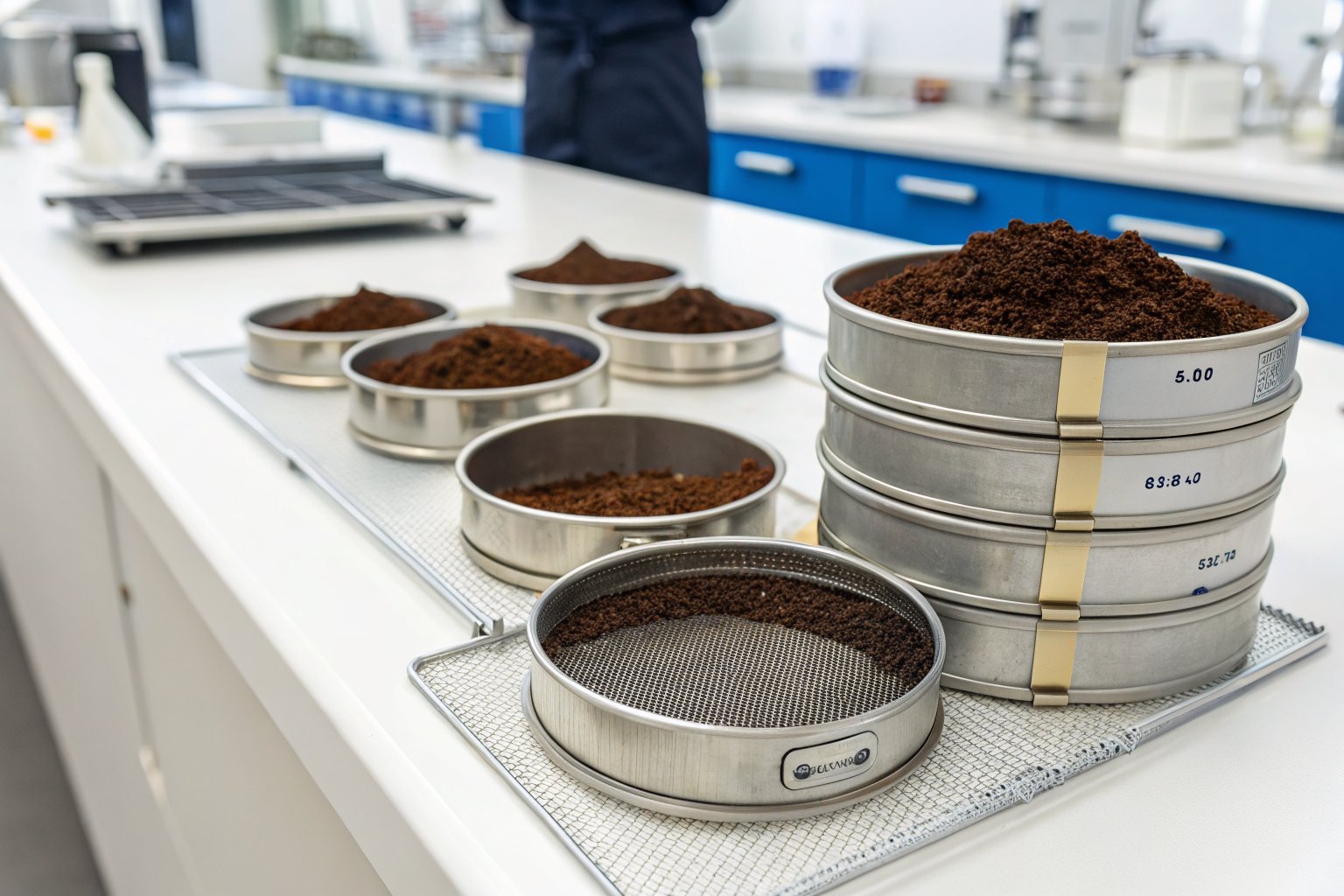
A cafe owner in Sydney emailed me frustrated last month. His wholesale coffee supplier switched their roast profile without telling him, and his espresso shots went from consistent to unpredictable overnight. He could not figure out what changed until I suggested he ask for a grind analysis. A grind analysis is a simple laboratory test that tells you the particle size distribution of your ground coffee. It is the fastest way to verify that your wholesale supplier is maintaining the same grind quality batch after batch. Most buyers never ask for it. The ones who do get better coffee and stronger supplier relationships. Let me walk you through exactly how to request one.
What Is a Grind Analysis and Why Should You Request One?
A grind analysis measures the particle size distribution of ground coffee using a stack of calibrated sieves. The results tell you the percentage of coffee particles at each size range — from boulders that are too coarse to fines that are too fine. For any espresso-based business, grind consistency is the foundation of shot quality.
How Does Grind Analysis Help You Hold Your Supplier Accountable?
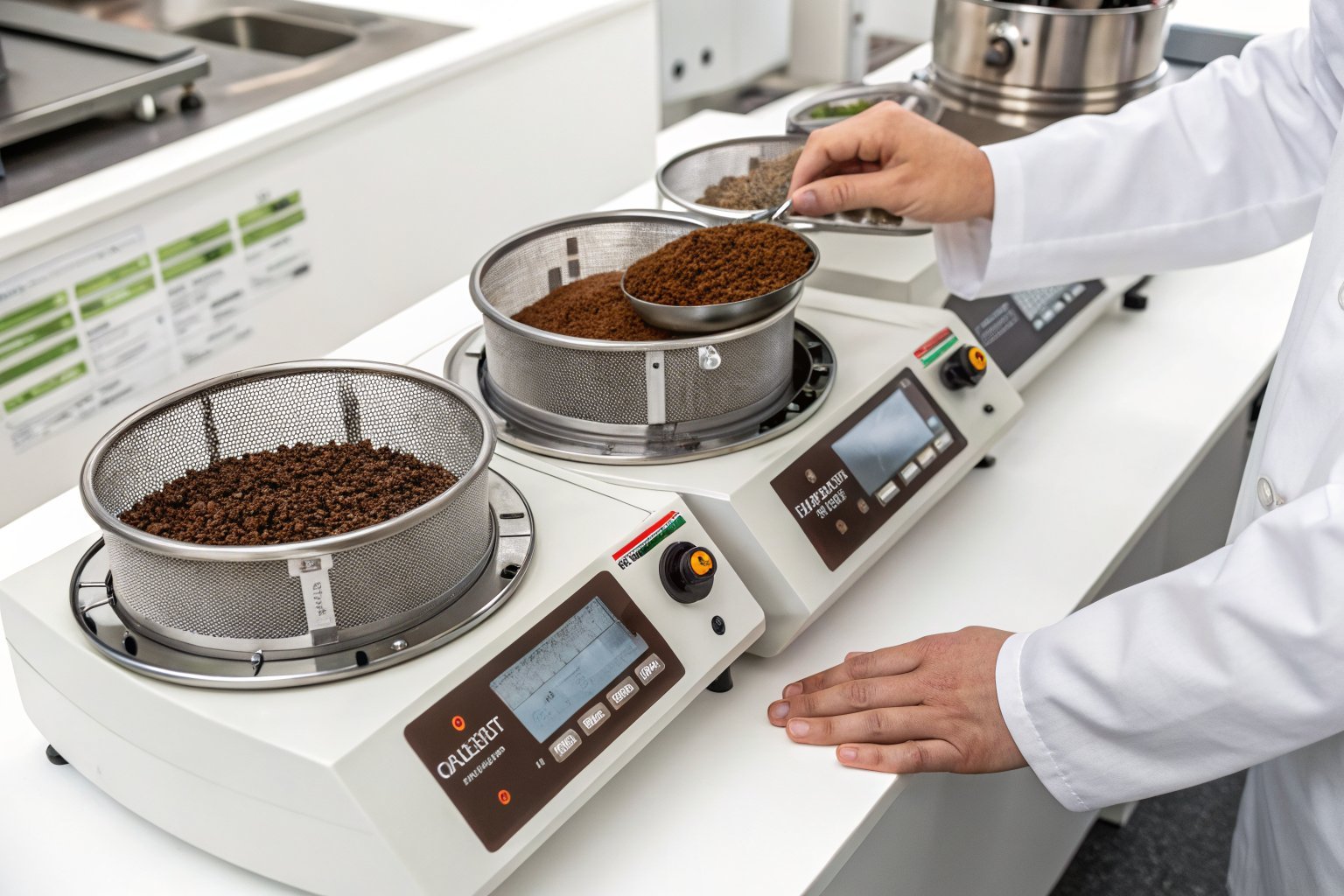
When you agree on a grind specification with your wholesale supplier, both parties need a way to verify that the delivered coffee meets the spec. A grind analysis provides objective data. If the supplier's grind distribution shifts from the agreed baseline, you have evidence to discuss before the quality of your espresso suffers. The Specialty Coffee Association's grind analysis standards recommend that wholesale coffee supply contracts include a grind analysis clause specifying acceptable particle size ranges. At Shanghai Fumao, we include grind analysis data with every custom-ground wholesale order. If a buyer requests a specific grind profile, we test every batch with a RoTap sieve shaker and include the particle size report in the shipping documentation.
What Particle Size Distribution Is Standard for Espresso?
The SCA standard for espresso grind is 25 to 40 percent retention on a 400-micron sieve, with less than 10 percent fines below 100 microns. Percolation time should be 25 to 35 seconds for a standard double shot. If your grind analysis shows more than 10 percent fines, your extraction will be slow and bitter. If it shows less than 20 percent on the 400-micron sieve, the grind is too coarse and extraction will be fast and sour. The Coffee Quality Institute's espresso grind reference provides detailed particle size targets for different brew methods. For filter coffee, the target is 60 to 70 percent passing through a 600-micron sieve. For French press, the target is 70 to 80 percent retained on a 1,000-micron sieve.
How Do You Request a Grind Analysis from Your Supplier?
The request is simple, but most buyers do it wrong. They ask generically for a grind analysis. You need to be specific about what you want to see and how often.
What Information Should You Include in Your Request?
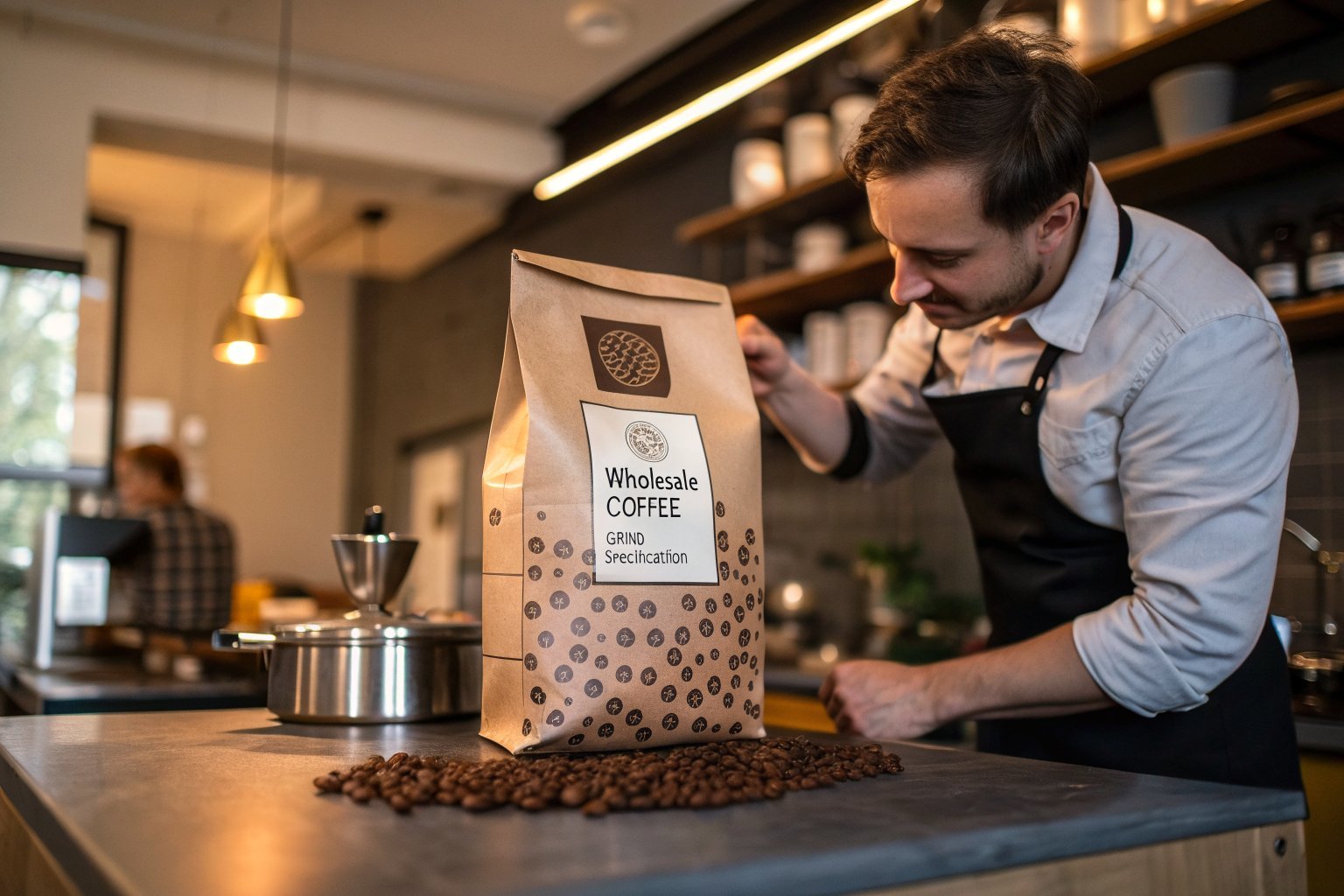
Ask for three things. First, request the full particle size distribution from a RoTap sieve analysis, not just an average particle size. Second, ask for the same analysis on the same coffee at your agreed grind setting, tested within 24 hours of grinding. Third, request the data in a standardized format that you can compare across batches — typically as a table showing percentage retained on each sieve size. The International Coffee Organization's grind quality standards specify that a complete grind analysis report should include data from sieves at 1,000 microns, 800 microns, 600 microns, 400 microns, 200 microns, and the pan. Six data points give you a complete picture of the grind quality. At Shanghai Fumao, we provide this six-sieve analysis with every custom grind order at no additional charge.
How Often Should You Request Grind Analysis Verification?
For a new supplier relationship, request a grind analysis on every batch for the first three months. After you establish a baseline and the supplier demonstrates consistency, you can reduce the frequency to monthly spot checks. Always request a grind analysis whenever the supplier changes their green coffee source or roast profile, since both changes affect grind behavior. The Roast Magazine's supplier verification program recommends that any wholesale buyer purchasing more than 500 pounds of ground coffee per month should have an in-house sieve shaker for independent verification. The equipment costs 1,500 to 3,000 dollars and pays for itself in avoided quality issues.
What Does a Grind Analysis Report Tell You?
Once you receive a grind analysis report, you need to know how to read it. The numbers tell a story about how the coffee will extract.
How Do You Interpret the Particle Size Distribution?
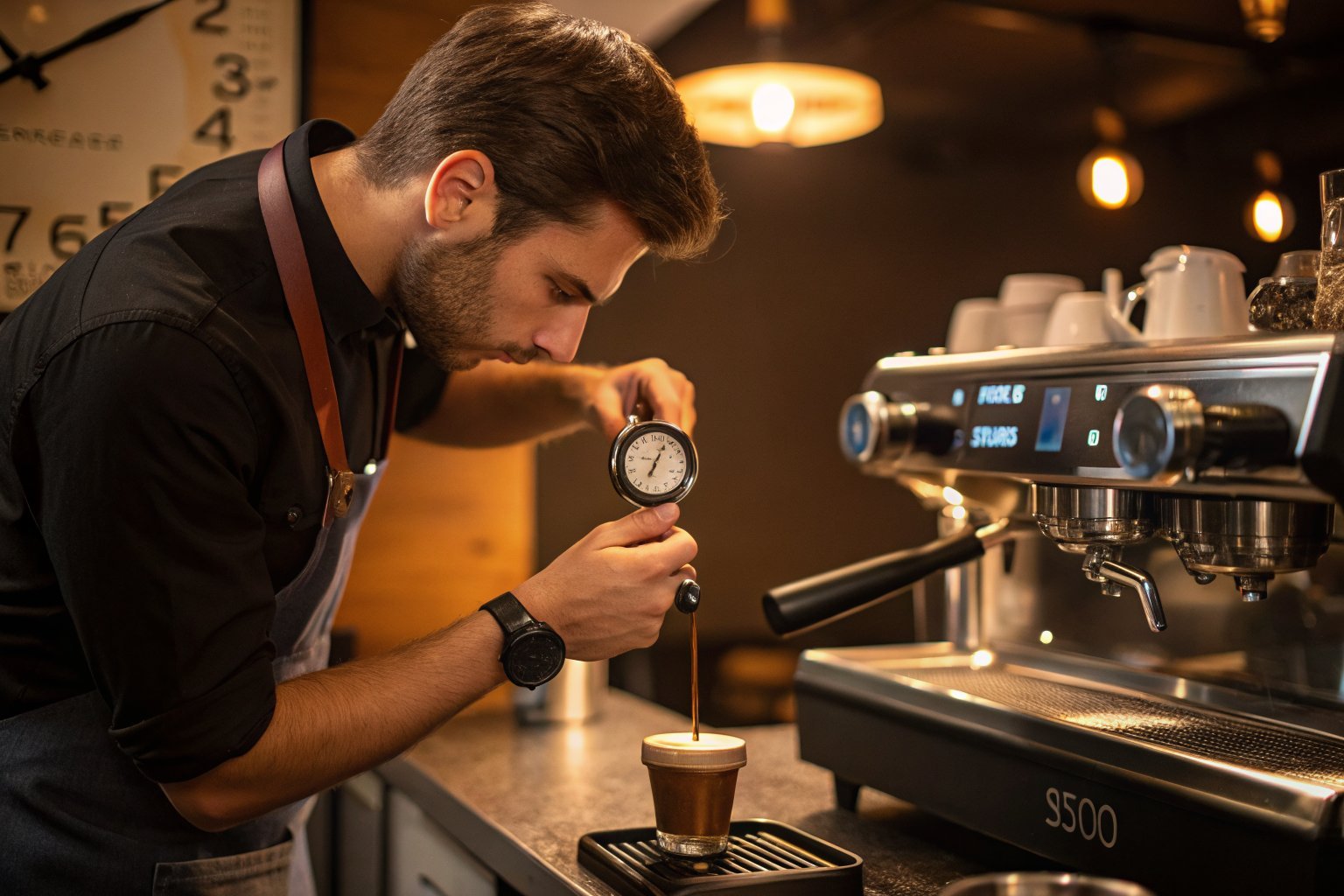
Look at three key numbers. The percentage on the 400-micron sieve for espresso tells you the backbone of the grind. The percentage on the pan — particles smaller than 200 microns — tells you the fines content. And the uniformity index, which compares the coarsest 10 percent to the finest 10 percent, tells you how consistent the grind is. A good espresso grind shows 28 to 35 percent on the 400-micron sieve, less than 8 percent on the pan, and a uniformity index below 2.0. If the uniformity index is above 2.5, the grinder producing the coffee needs maintenance. The Coffee Quality Institute's grind interpretation guide provides reference charts that let you compare your results against industry benchmarks.
What Red Flags Should You Watch For in Grind Reports?
Two red flags stand out. A bimodal distribution — two peaks in the particle size chart — means the grinder burrs are worn or misaligned. A rising fines percentage over consecutive reports means the burrs are approaching end of life and should be replaced soon. A shift in the median particle size of more than 50 microns between batches is a sign of inconsistency that needs immediate investigation. At Shanghai Fumao, our quality team tracks grind analysis trends in a control chart. If any batch deviates more than 30 microns from the target median, we investigate before the coffee ships.
How Do You Use Grind Analysis Data to Improve Your Coffee Program?
Grind analysis is not just a verification tool. It is a continuous improvement tool that helps you optimize your extraction quality over time.
How Do You Combine Grind Analysis with Extraction Data?
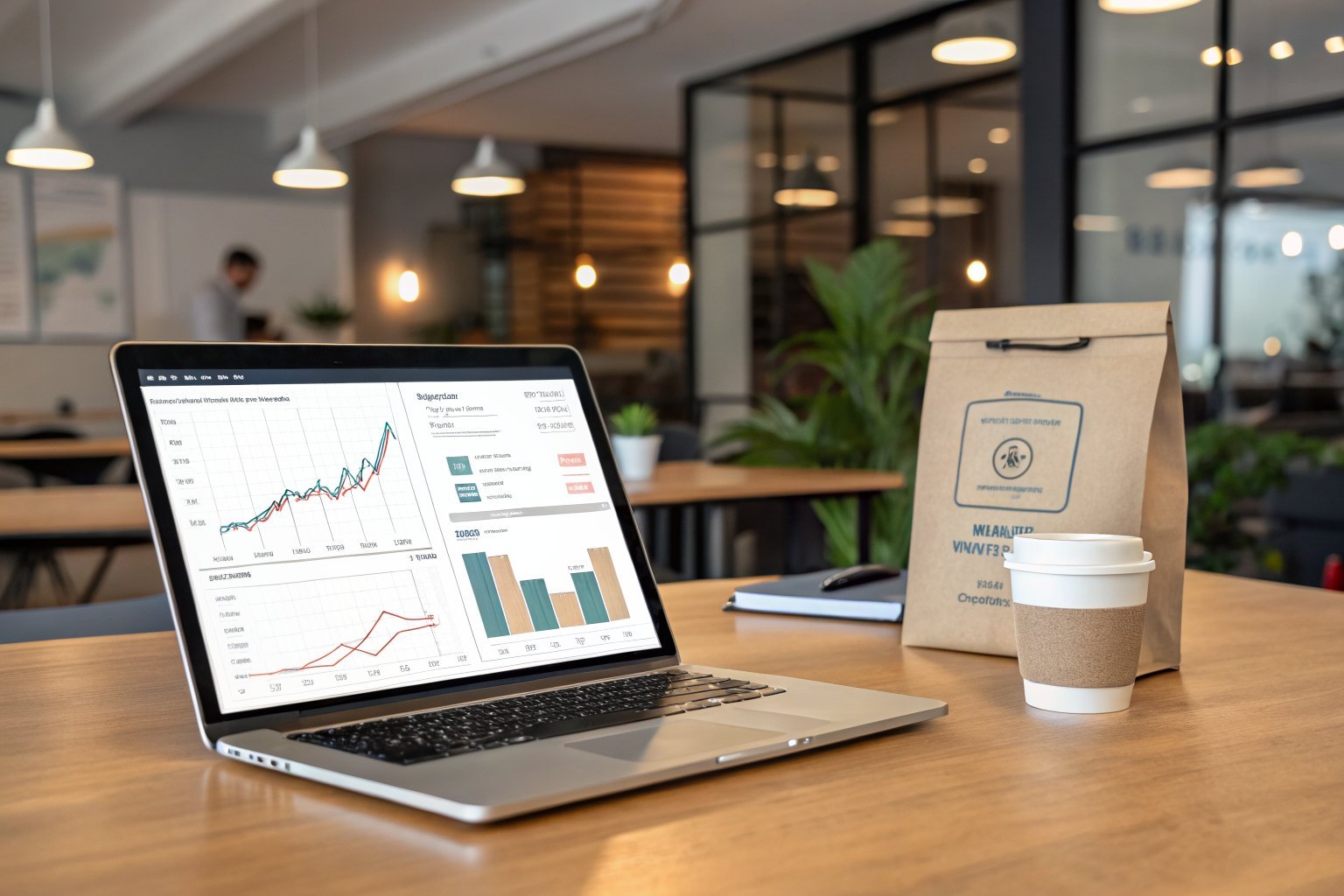
The real power comes from correlating grind analysis with your actual extraction data. Run a parallel test: measure the grind distribution on a batch, then brew it and measure the extraction yield with a refractometer. Build a chart that shows how particle size distribution affects your extraction percentage. The World Coffee Research extraction optimization study found that roasters who correlated grind analysis with extraction data improved their average extraction yield by 1.5 percentage points over six months. For a cafe selling 3,000 shots per month, that is approximately 45 additional pounds of coffee brewed to optimal extraction per year.
Can Grind Analysis Help You Troubleshoot Extraction Problems?
When your shots are running too fast or too slow, the grind analysis tells you which direction the problem lies. Fast shots with sour taste: the grind is too coarse, shift the distribution toward retention on finer sieves. Slow shots with bitter taste: the grind is too fine, shift toward coarser retention. The Roast Magazine's extraction troubleshooting guide provides a decision tree that maps common extraction problems to specific grind analysis adjustments. Having the data takes the guesswork out of dialing in.
Conclusion
Requesting a grind analysis from your wholesale roasting partner is a simple, low-cost way to verify grind consistency and hold your supplier accountable. Ask for a six-sieve RoTap analysis, request it on every batch at the start of the relationship, and use the data to track grind quality over time. Combine grind analysis with extraction yield measurements to build a data-driven coffee program that improves continuously. At BeanofCoffee, we provide grind analysis data with every custom-ground wholesale order. If you want to verify that your coffee is ground exactly to your specification, just ask. Contact Person: Cathy Cai Email: cathy@beanofcoffee.com Website: https://beanofcoffee.com/