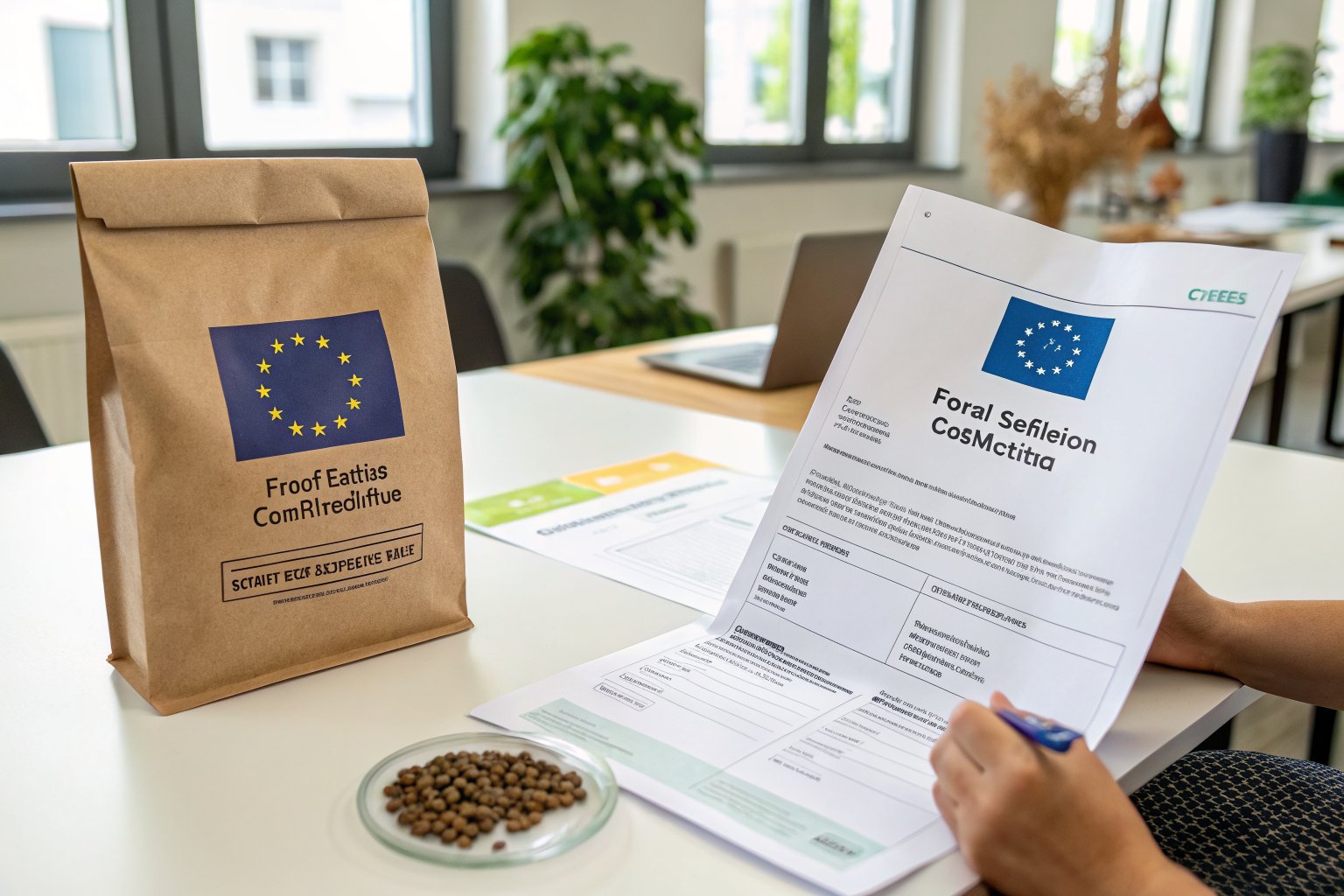
A buyer from a German importing company emailed me with a list of microbiological testing requirements that ran to three pages. He was preparing for a shipment of our Yunnan green coffee and needed to confirm that every lot met EU microbiological limits for Ochratoxin A, aerobic plate count, and Salmonella. He told me that non-compliance could result in the entire container being rejected at the port and destroyed. The European Union has the strictest microbiological standards for green coffee of any major importing market. If you are exporting to the EU or selling to buyers who do, you need to know exactly what those limits are and how to verify compliance. Let me walk you through them.
What Microbiological Contaminants Are Regulated for Green Coffee in the EU?
The EU regulates three main categories of microbiological contaminants in green coffee: mycotoxins, particularly Ochratoxin A; pathogenic bacteria including Salmonella and E. coli; and indicator organisms for general hygiene including aerobic plate count and Enterobacteriaceae.
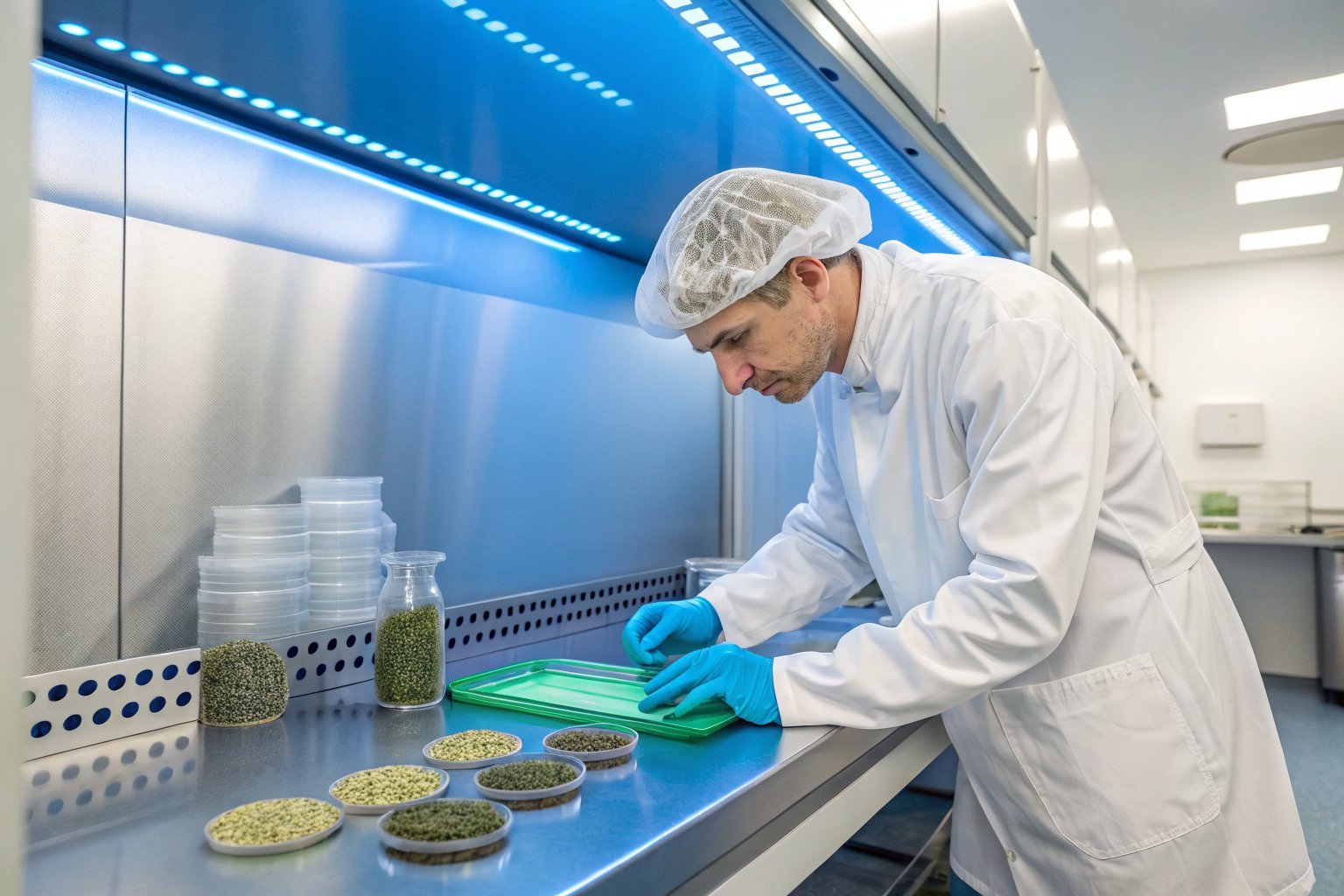
What Is the Maximum Permitted Ochratoxin A Level?
The maximum permitted level of Ochratoxin A in roasted coffee beans under EU Regulation 2023/915 is 5.0 micrograms per kilogram. For soluble coffee, the limit is 10.0 micrograms per kilogram. Green coffee does not have a specific OTA limit under the regulation, but most EU importers require green coffee to test below 3.0 micrograms per kilogram to ensure that the roasted product stays under the limit after roasting, which typically reduces OTA by 30 to 50 percent. The European Food Safety Authority's OTA risk assessment states that OTA levels above 5.0 micrograms per kilogram in roasted coffee pose a chronic health risk. Consignments exceeding this limit are rejected at the border and must be destroyed or re-exported at the importer's expense. At Shanghai Fumao, we test every export lot for OTA using HPLC analysis, and our Yunnan coffee consistently tests below 1.5 micrograms per kilogram.
What Bacteria Must Be Tested for in Green Coffee?
The EU requires that green coffee be free of Salmonella in a 25-gram sample. E. coli must be below 10 colony-forming units per gram. Aerobic plate count should be below 100,000 CFU per gram as a hygiene indicator. Enterobacteriaceae should be below 1,000 CFU per gram. The International Coffee Organization's EU compliance guide provides the full table of limits. Failure on Salmonella results in automatic rejection of the entire lot. Failure on E. coli or APC results in a requirement for retesting and potential rerouting for industrial processing rather than direct retail sale.
How Do You Ensure Your Supplier Meets EU Microbiological Standards?
Ensuring compliance starts before the coffee is shipped. The supplier must have a documented food safety program in place.
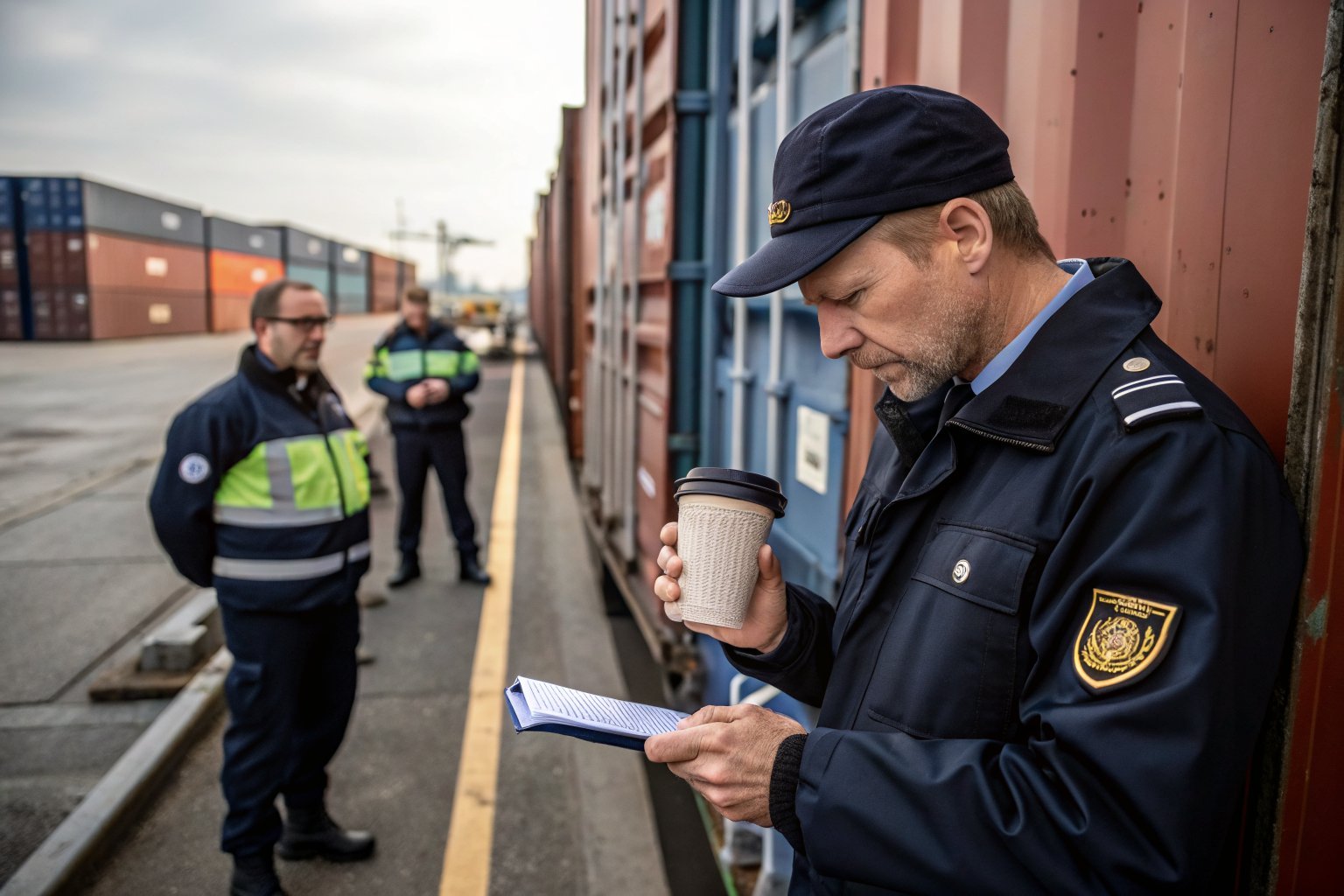
What Certifications Should Your Supplier Have for EU Export?
The minimum certification for EU coffee import is compliance with EC 852/2004 on food hygiene. Practical certification schemes that demonstrate compliance include FSSC 22000, BRCGS Food Safety, or IFS Food. A supplier with any of these certifications has a documented HACCP plan and regular third-party audits. The European Coffee Federation's supplier requirements recommend FSSC 22000 as the preferred certification for green coffee suppliers. At Shanghai Fumao, we are FSSC 22000 certified and our processing facility undergoes annual third-party audits for HACCP compliance.
What Testing Documentation Should You Request?
Request a Certificate of Analysis from an accredited laboratory for every lot, showing test results for Ochratoxin A, Salmonella, E. coli, and aerobic plate count. The COA should include the lot number, test date, test method, results, and the accreditation number of the testing laboratory. The Green Coffee Association's EU documentation checklist specifies that the COA must be issued within 30 days of shipment to be valid for EU customs clearance. At Shanghai Fumao, we provide a COA with every export shipment, and we retain duplicate samples for 12 months in case retesting is required.
What Happens If a Shipment Fails EU Microbiological Testing?
The consequences of a failed test are severe and expensive. Understanding the process helps you prepare.
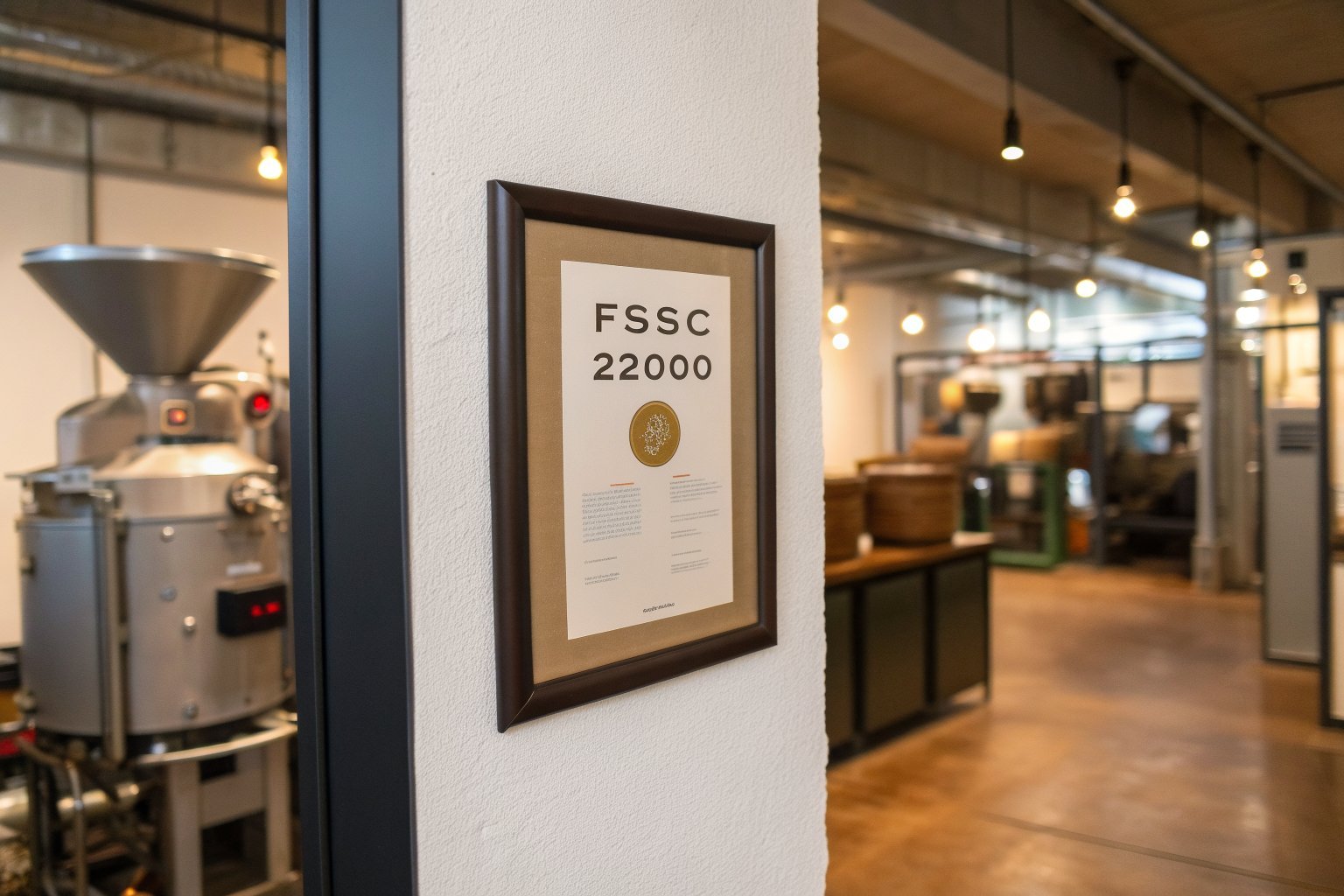
What Is the EU Rapid Alert System for Coffee?
When a coffee shipment fails microbiological testing at the EU border, the consignment is flagged in the Rapid Alert System for Food and Feed. This alert is visible to all EU member states. A supplier whose coffee is flagged in RASFF faces enhanced scrutiny on future shipments — every subsequent lot may be tested at the border at the importer's expense. The European Commission's RASFF coffee database shows that OTA is the most common reason for coffee RASFF notifications, accounting for approximately 60 percent of all coffee-related alerts. The average cost of a rejected shipment is 15,000 to 30,000 dollars in shipping, testing, and destruction fees.
How Do You Handle a Failed Test After the Shipment Arrives?
If your shipment fails microbiological testing at the EU border, you have three options. First, request a retest from an accredited laboratory. If the retest passes, the shipment may be released. Second, if the failure is confirmed, you can redirect the shipment to a non-EU market. Third, the coffee can be processed through a heat treatment — roasting eliminates OTA and pathogenic bacteria — but this must be done in a controlled facility and verified by retesting. The International Coffee Organization's failed shipment protocol recommends having a contingency plan written into your import contract specifying what happens if testing fails. At Shanghai Fumao, we guarantee microbiological compliance for all EU-bound shipments, and we cover the cost of redirected shipments if testing fails due to our processing error.
How Often Should You Audit Your Supplier's Microbiological Testing?
The frequency of auditing depends on the supplier's track record and certification status.
What Is the Recommended Testing Frequency for Ongoing Suppliers?
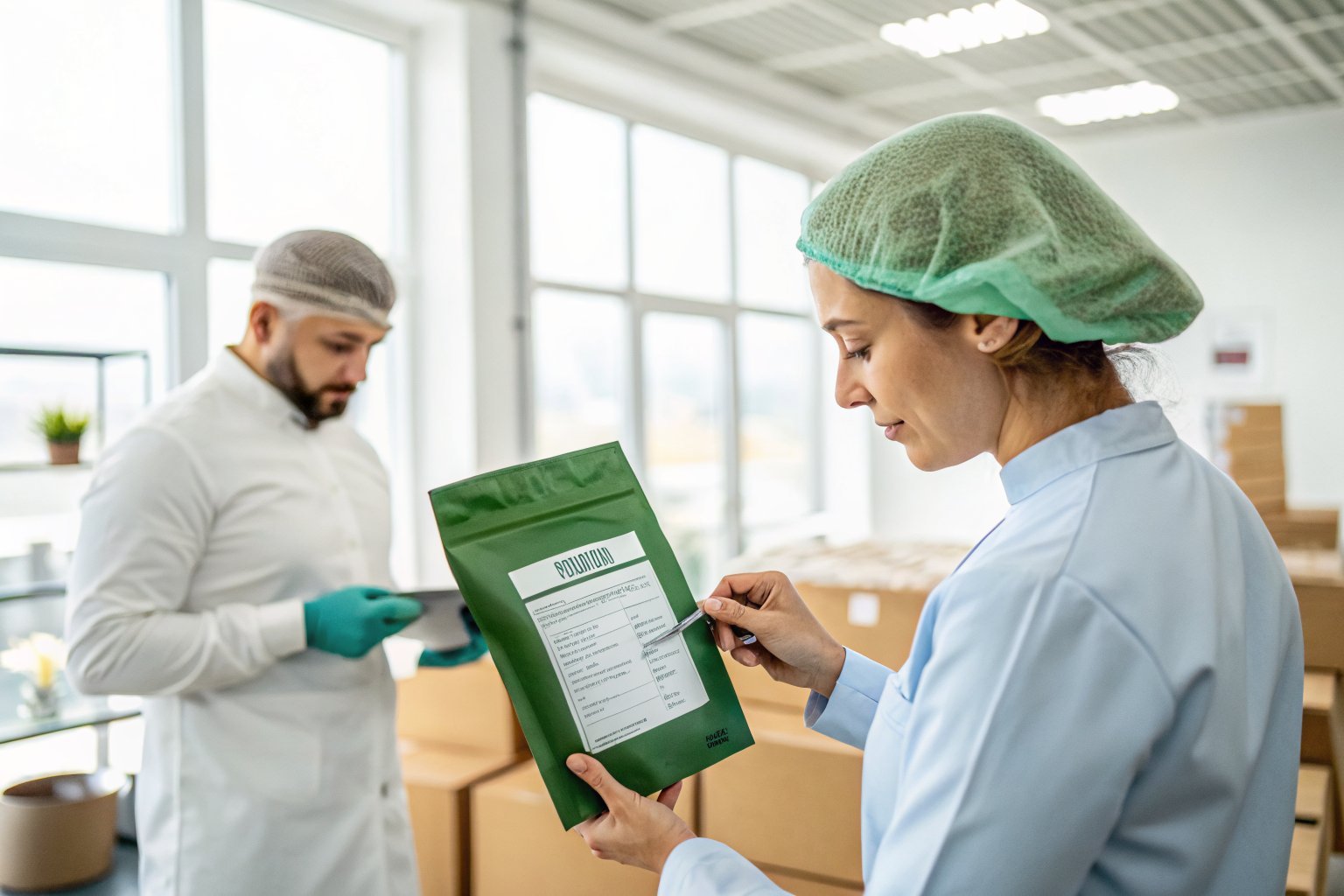
For a certified supplier with a clean track record, test every 10th lot for full microbiology. For a new supplier or one with a prior RASFF notification, test every lot until 20 consecutive lots pass, then reduce to every 5th lot. Always test every lot destined for sensitive applications like baby formula or pharmaceutical-grade coffee. The Specialty Coffee Association's supplier testing protocol recommends annual unannounced audits of the supplier's processing facility for suppliers with a history of compliance, and quarterly audits for suppliers with prior issues.
What Are the Cost Implications of Microbiological Testing?
Full microbiological testing for green coffee costs 150 to 400 dollars per lot, depending on the number of analytes tested and the laboratory's location. OTA testing alone costs 60 to 120 dollars. For a supplier shipping 50 lots per year, the total testing cost is 7,500 to 20,000 dollars annually. This cost is negligible compared to the cost of a failed shipment. The Coffee Quality Institute's compliance cost analysis estimates that the testing cost is 0.1 to 0.3 percent of the shipment value, while the cost of a rejected shipment is 5 to 10 percent of the value.
Conclusion
EU microbiological limits for green coffee are strict and enforced. The key standards are Ochratoxin A below 3.0 micrograms per kilogram, Salmonella absent in 25 grams, and E. coli below 10 CFU per gram. Ensure your supplier is FSSC 22000 or BRCGS certified, request a Certificate of Analysis for every lot, and have a contingency plan for failed tests. The cost of compliance is small compared to the cost of rejection. At BeanofCoffee, all our export lots meet EU microbiological standards with documented testing from accredited laboratories. If you are importing into the EU, we can provide the compliance documentation you need. Contact Person: Cathy Cai Email: cathy@beanofcoffee.com Website: https://beanofcoffee.com/