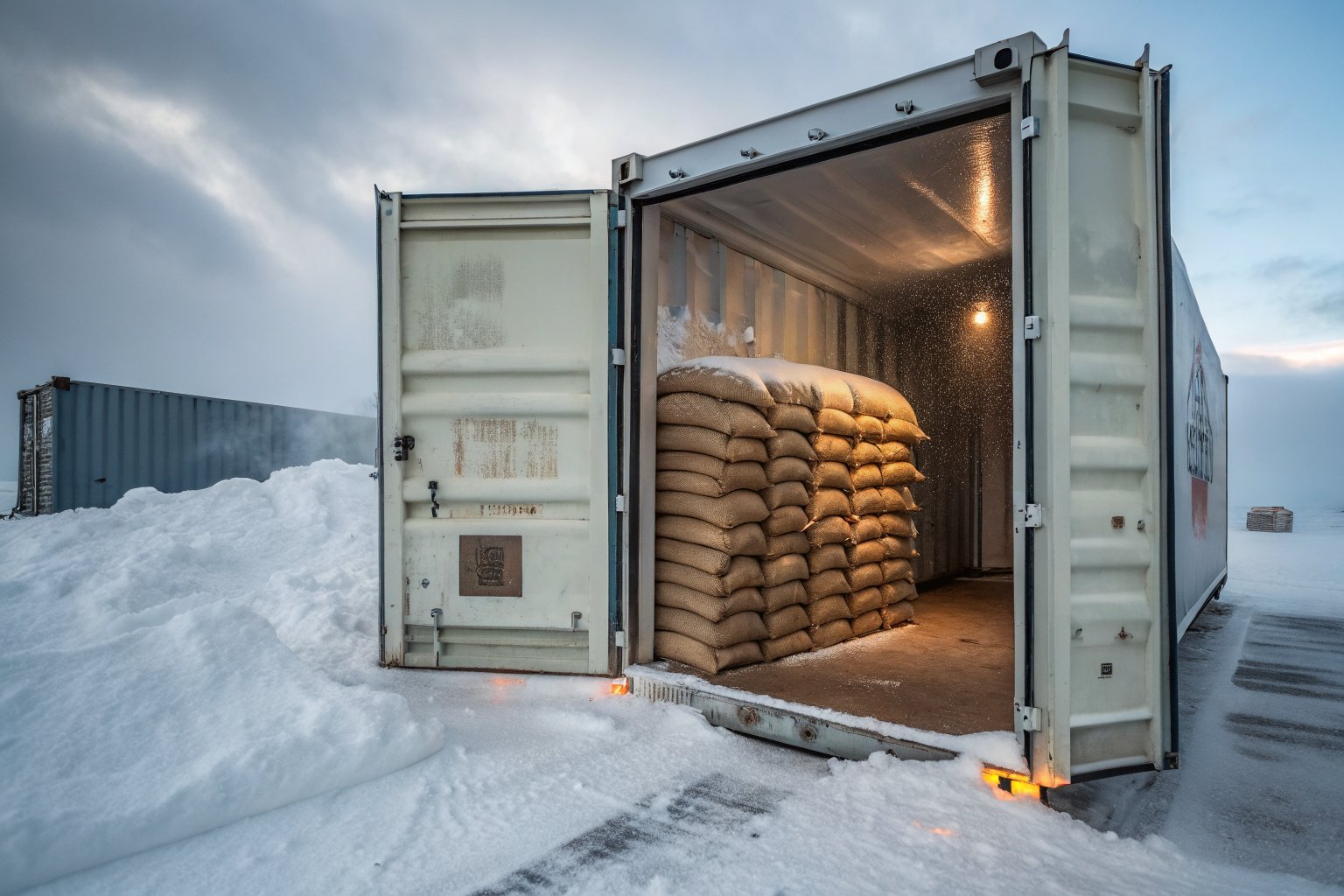
A buyer in Toronto called me in January panicked. His container of Yunnan green coffee had arrived at his warehouse with condensation inside the packaging. The inner liner of the GrainPro bags had moisture beads on the surface. He had never seen this before and was terrified the entire shipment was ruined. Condensation in coffee containers is a winter shipping problem that most buyers do not anticipate until it happens. When a warm container of coffee from a tropical origin moves into cold northern latitudes, the temperature drop causes moisture in the container air to condense on the coolest surfaces — including the inside of your packaging. If you are shipping coffee during winter months, preventing condensation is essential to protecting your inventory. Let me walk you through the solutions.
What Causes Condensation in Coffee Containers During Winter Shipping?
Condensation occurs when warm, humid air inside the container comes into contact with cold surfaces. The temperature differential between the tropical origin and the cold destination can be 40 to 50 degrees Celsius in winter. That is enough to cause significant moisture accumulation inside the container.
How Does Temperature Drop Create Condensation Inside the Container?
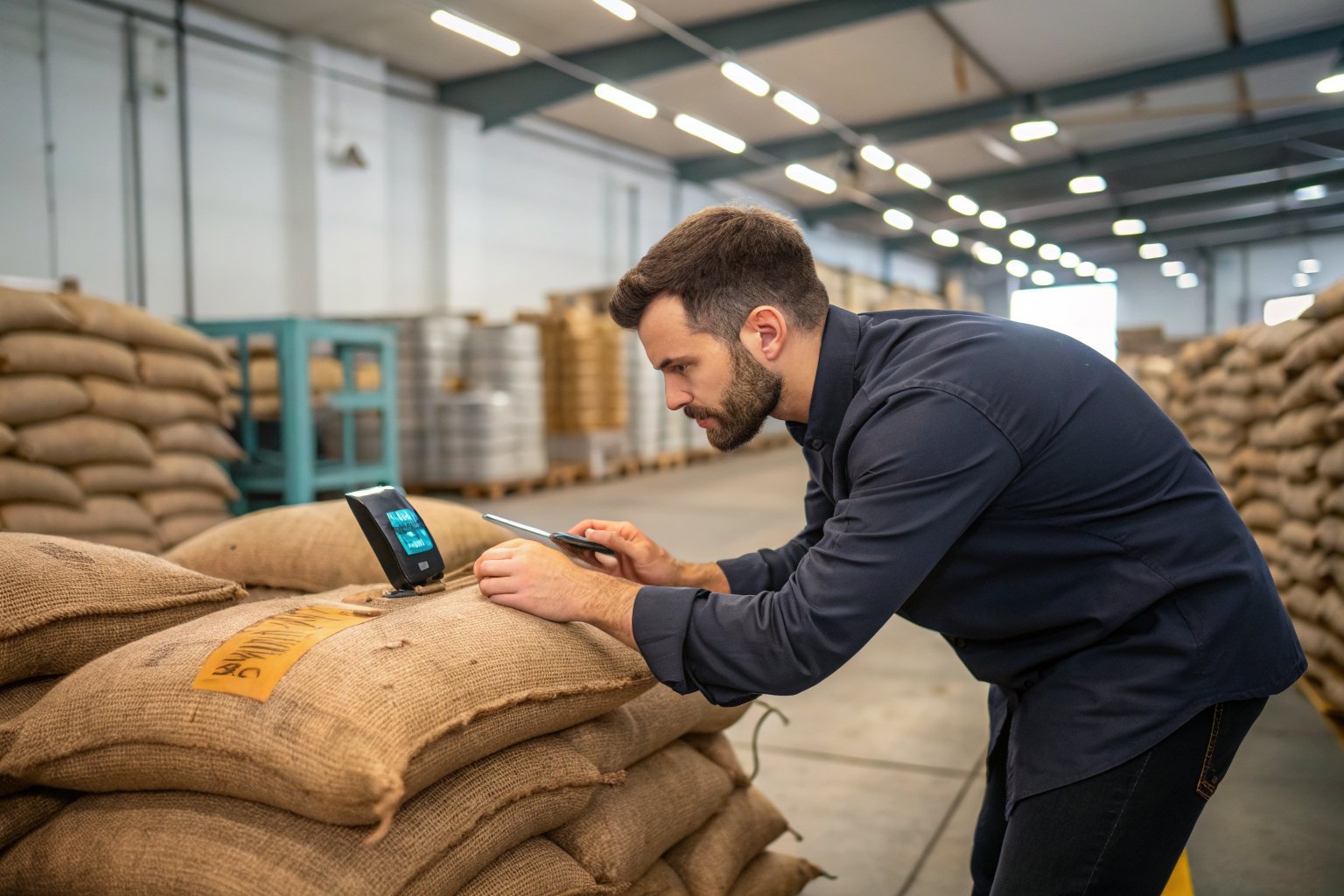
A container loaded in Yunnan at 25 degrees Celsius and 70 percent humidity contains air with a dew point of approximately 19 degrees Celsius. As the container travels north and the external temperature drops to 5 degrees or below, the container walls cool. The air inside the container comes into contact with the cold walls, reaches its dew point, and condenses water onto the nearest cold surface — which is often the outer layer of your coffee bags. The International Coffee Organization's winter shipping guidelines document that the rate of condensation is highest during the first 48 hours after the container enters a cold climate zone. The condensation can add 0.5 to 2 percent moisture to the outer layer of beans in bags stored near the container walls. At Shanghai Fumao, we have measured condensation-related moisture spikes of up to 1.2 percent in shipments to Canada and Northern Europe during January and February.
Is Condensation Damage Permanent or Reversible?
Surface condensation that is detected early and dried properly may not cause permanent damage. The risk is that the moisture penetrates into the bean mass and creates localized areas of high humidity inside the bag. If the moisture level inside the bag exceeds 13 percent for more than 48 hours, mold growth can begin. The Coffee Quality Institute's moisture damage assessment states that if the condensation does not cause the bean moisture to exceed 12.5 percent and the beans are dried back to 11 percent within 72 hours, the flavor impact is minimal. If the moisture stays above 13 percent for more than a week, the lot is at risk for mold development and flavor degradation.
How Do You Prevent Condensation Before the Container Ships?
The best solution is prevention. There are proven methods that shippers use to minimize condensation risk.
What Container Preparation Methods Reduce Condensation?
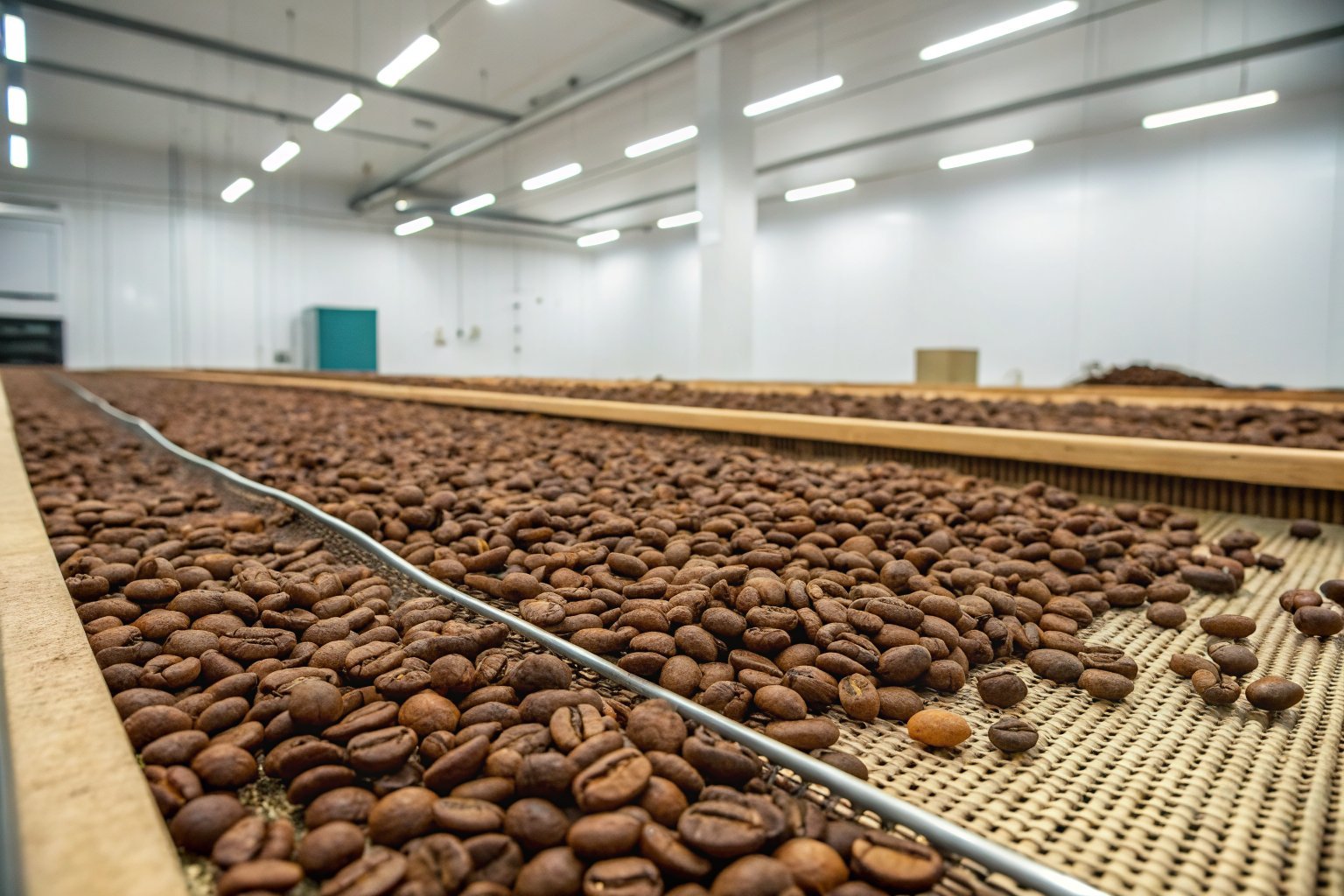
The most effective method is using a desiccant inside the container. Desiccants absorb moisture from the air and lower the dew point, preventing condensation from forming on the bag surfaces. The standard recommendation is 1 kilogram of desiccant per 1.5 cubic meters of container volume. For a standard 20-foot container, that is approximately 20 to 25 kilograms of desiccant. The Green Coffee Association's container preparation protocol specifies that desiccants should be suspended from the container ceiling, not placed on the floor, because moisture accumulates near the ceiling first. Silica gel desiccants are preferred over clay desiccants because they absorb moisture more effectively at low temperatures. At Shanghai Fumao, we use container desiccants for all winter shipments to northern destinations.
Should You Use Ventilated or Sealed Containers for Winter Shipping?
Sealed containers are better for winter shipping than ventilated containers. Ventilation allows cold, dry outside air to enter, which reduces the temperature inside the container but also drops the dew point significantly. The combination of reduced temperature and lower dew point actually reduces condensation risk because the air inside the container becomes too dry to reach the condensation point. The International Coffee Organization's container ventilation study recommends using sealed containers with desiccants for shipments crossing more than 20 degrees of latitude. Ventilation is only recommended for short winter shipments with less than 10 degrees of latitude change.
How Do You Handle Coffee That Has Experienced Condensation?
If you receive a shipment with visible condensation, you need to act quickly to minimize damage.

What Immediate Steps Should You Take Upon Receiving a Condensation-Affected Container?
First, open the container doors and let the air circulate for 30 minutes before moving any bags. This equalizes the temperature and stops active condensation. Second, inspect every bag for visible moisture. Bags that feel damp on the outside should be opened and the surface beans checked for moisture with a calibrated meter. Third, move any affected bags to a climate-controlled space with dehumidification at 20 to 22 degrees Celsius and 50 percent relative humidity. The Coffee Quality Institute's condensation emergency protocol recommends testing the moisture content of beans from the outer 5 centimeters of each affected bag separately from the interior. If the outer layer moisture exceeds 13 percent, remove the outer layer and dry it separately before blending it back with the main lot.
Can Affected Coffee Be Salvaged Through Blending or Re-Drying?
Yes, in most cases. Coffee that has absorbed surface moisture can be re-dried to its original moisture content with minimal quality loss if the exposure was brief. Spread the affected beans in a thin layer in a climate-controlled room with dehumidification at 20 degrees Celsius for 24 to 48 hours. The moisture will drop by 0.5 to 1 percent per day. If the beans show no visible mold and the moisture is below 12.5 percent after re-drying, the coffee can be blended back into the main lot at up to 15 percent without detectable flavor impact. At Shanghai Fumao, we have re-dried condensation-affected lots for buyers and the cupping results showed no significant difference from unaffected control samples.
How Do You Choose the Right Shipping Window for Winter Coffee?
Selecting the right shipping window can dramatically reduce condensation risk without requiring additional equipment or handling.
What Months Pose the Highest Condensation Risk?
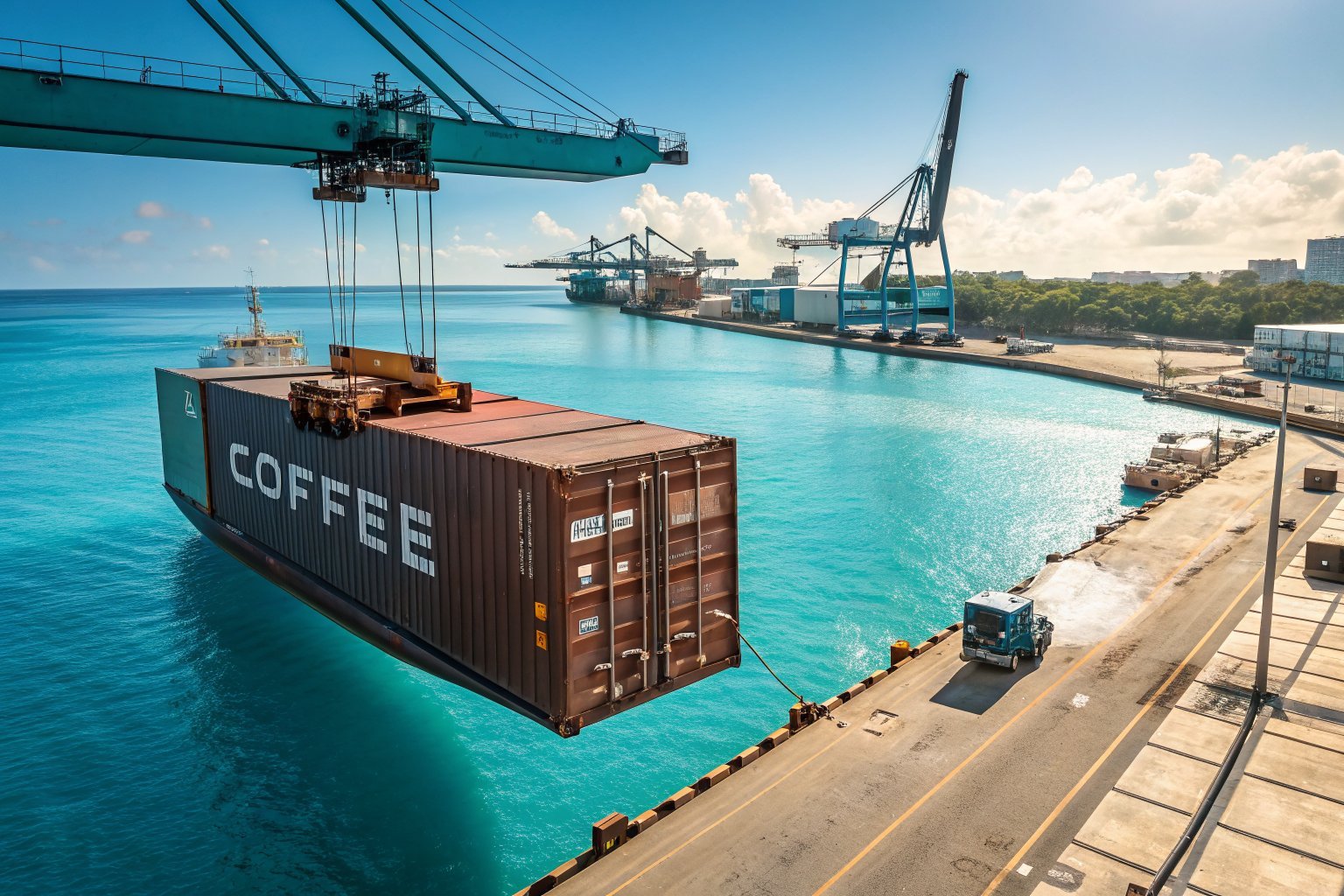
For shipments from tropical origins to northern destinations like Canada, Northern Europe, and the Northern United States, the highest risk months are November through February. Shipments that arrive between December and January have the highest probability of condensation, with some shipping lanes showing a 15 to 25 percent incidence rate. The International Coffee Organization's seasonal risk analysis provides a risk matrix by origin-destination pair and month. The risk is highest for shipments from Southeast Asia to Northern Europe and Eastern Canada. For our Yunnan shipments to buyers in these regions, we recommend scheduling arrivals between March and October whenever possible.
How Do You Factor Condensation Risk into Your Contract?
Include a condensation damage clause in your shipping contract that specifies who bears the risk. The standard FOB contract places the risk on the buyer once the coffee is loaded. If you want the supplier to take responsibility for condensation prevention, negotiate a CIF or DDP contract where the supplier controls the shipping arrangements. The Green Coffee Association's winter shipping contract template includes optional clauses for desiccant requirements, container ventilation settings, and temperature monitoring. At Shanghai Fumao, we include desiccant placement as a standard part of our winter shipping protocol, regardless of the contract terms, because we want our coffee to arrive in the best possible condition.
Conclusion
Condensation in coffee containers during winter shipping is a preventable problem. The solution combines desiccants, sealed containers, and careful shipping window selection. If condensation does occur, immediate action — air circulation, moisture testing, and controlled re-drying — can salvage the vast majority of affected coffee. The cost of prevention is a fraction of the cost of a damaged shipment. At BeanofCoffee, we use desiccants in every winter shipment to northern destinations and monitor container conditions throughout transit. When your coffee arrives in January, it will be as dry and fresh as the day it was packed. Contact Person: Cathy Cai Email: cathy@beanofcoffee.com Website: https://beanofcoffee.com/