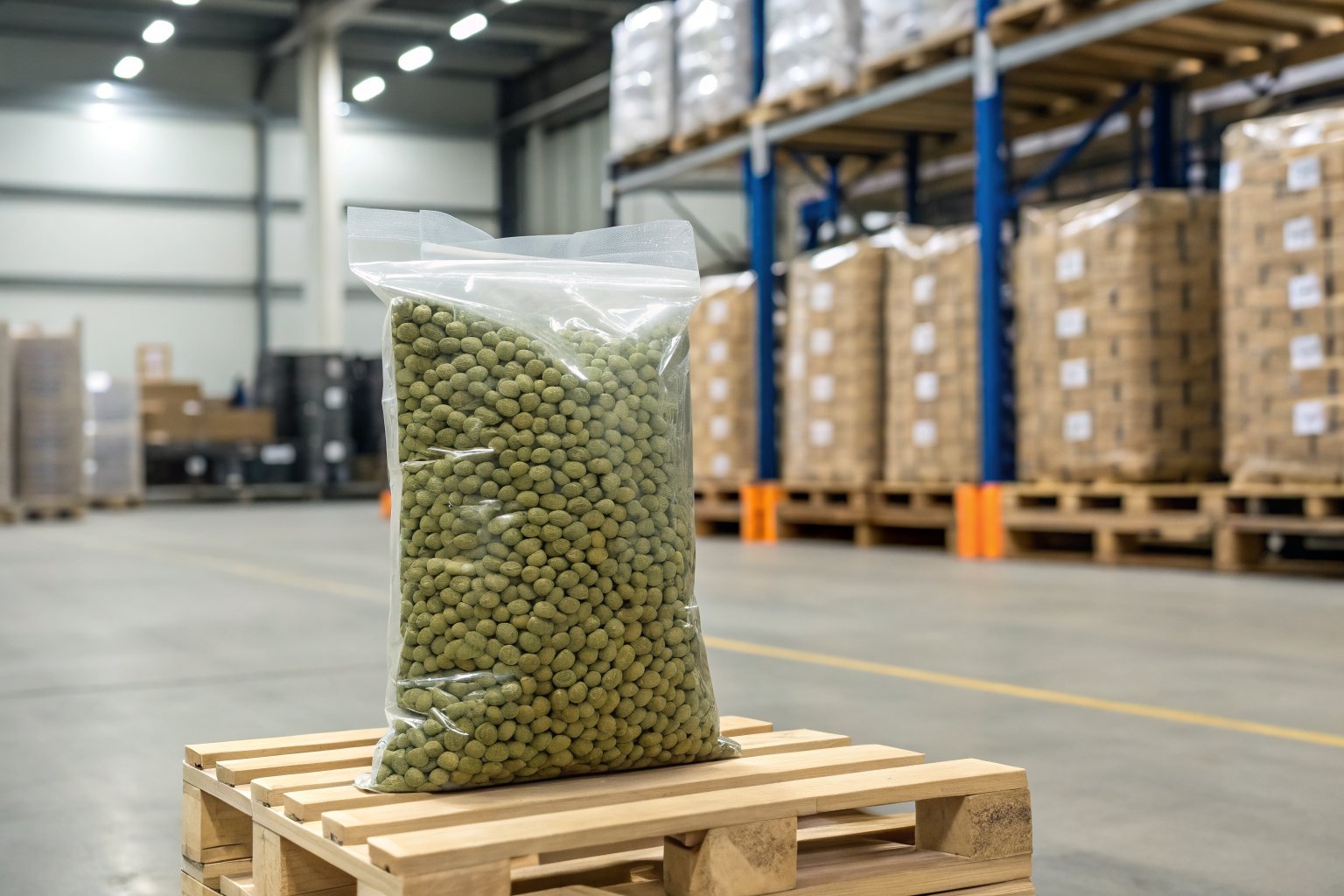
A buyer from a Scandinavian roastery asked me how long he could store our vacuum-sealed green coffee before the quality started to decline. He was building an inventory buffer to protect against supply chain disruptions and wanted to know the maximum safe storage period. Vacuum sealing is one of the best methods for preserving green coffee quality, but even vacuum-sealed beans have a shelf life. The storage duration depends on the initial moisture content, the storage temperature, and the quality of the vacuum seal. Let me walk you through the ideal storage times and the conditions that maximize them.
How Long Can Vacuum Sealed Green Coffee Beans Be Stored?
Under ideal conditions, vacuum-sealed green coffee beans can maintain their quality for 18 to 24 months. This is significantly longer than the 6 to 12 months for beans stored in oxygen-permeable GrainPro bags without vacuum sealing. The vacuum removes the oxygen that drives the staling reactions and slows down the chemical degradation of the bean.
What Factors Determine the Maximum Storage Duration?
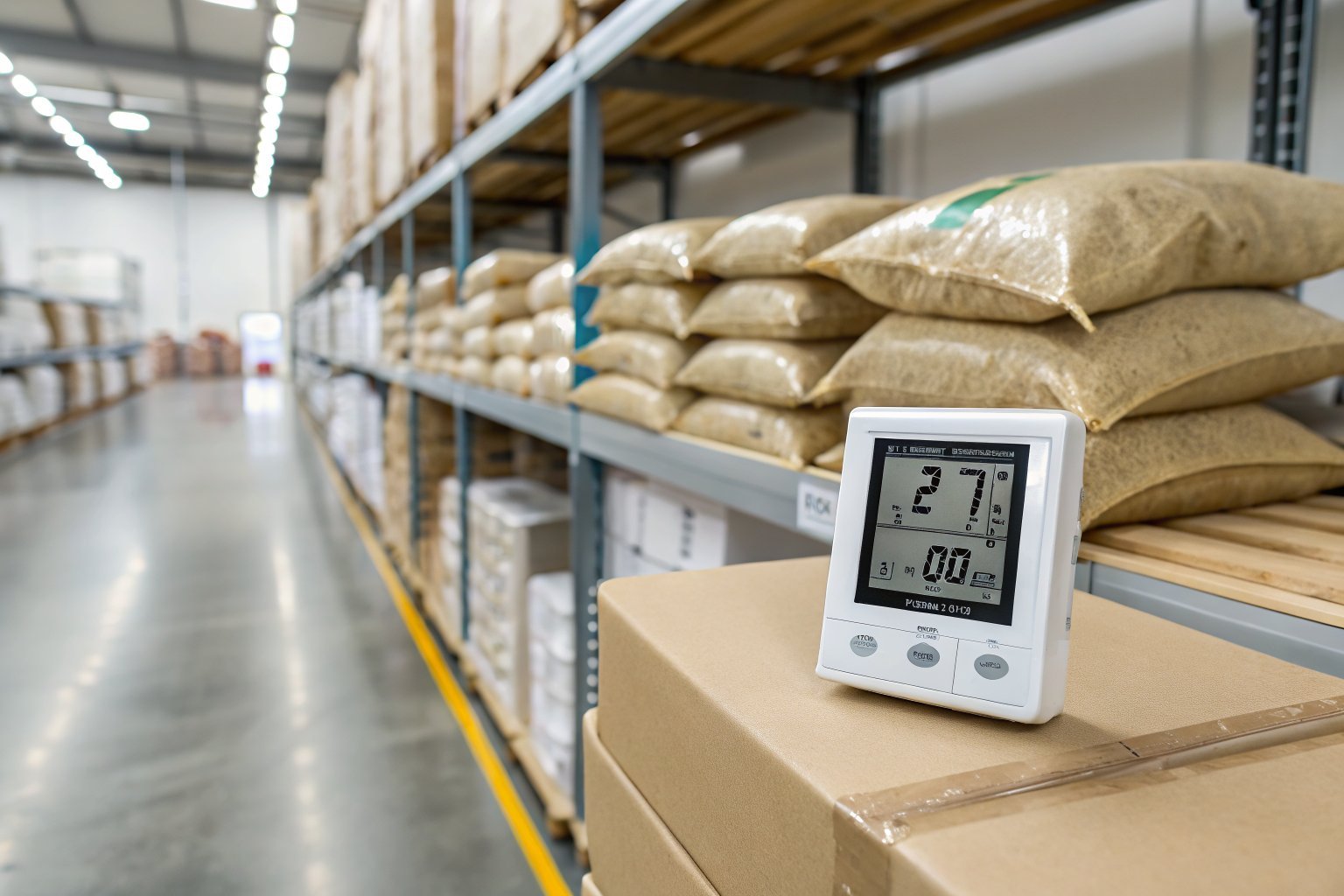
Three factors determine how long vacuum-sealed green coffee stays fresh. The initial moisture content of the beans: 10.5 to 11.5 percent is ideal. Beans outside this range degrade faster. The storage temperature: 15 to 20 degrees Celsius is optimal. Every 5 degrees above 20 degrees cuts the safe storage time by approximately 30 percent. The quality of the vacuum seal: a seal that holds 95 percent vacuum for 12 months preserves quality significantly better than a seal that drops to 80 percent vacuum in 3 months. The World Coffee Research vacuum storage study tested vacuum-sealed green coffee stored at 20 degrees Celsius for 24 months. The coffee retained 92 percent of its original cupping score after 12 months and 85 percent after 24 months. At Shanghai Fumao, we vacuum-seal our reserve lots and have confirmed similar results in our own storage trials.
Does Vacuum Sealing Preserve All Coffee Types Equally?
No. Dense, high-grown Arabica beans benefit the most from vacuum sealing because they have more stable cell structures. Natural process coffees retain slightly less quality over time than washed coffees, because the residual fruit sugars in natural process beans continue to degrade slowly even without oxygen. Low-density beans degrade faster than high-density beans regardless of packaging. The Coffee Quality Institute's storage stability study found that vacuum-sealed washed Arabica retained 88 percent of its cupping score after 18 months, while natural process Arabica from the same origin retained 82 percent under identical conditions.
What Is the Optimal Temperature for Vacuum-Sealed Storage?
Temperature is the most important variable you can control. The storage temperature determines how fast the remaining chemical reactions occur even in the absence of oxygen.
How Does Temperature Affect Vacuum-Sealed Coffee Quality?
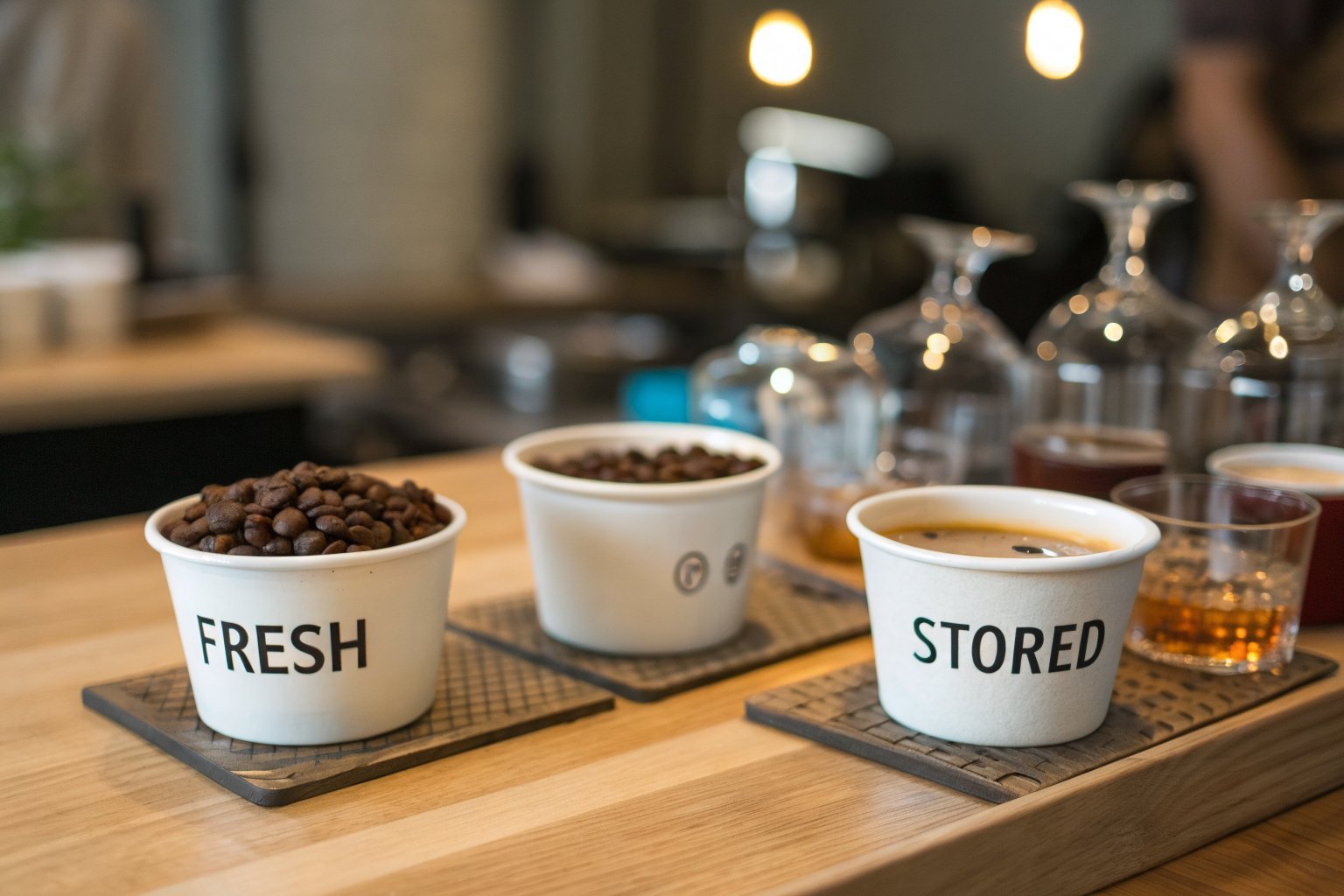
The rate of flavor degradation doubles for every 10 degrees Celsius increase in storage temperature. Coffee stored at 20 degrees Celsius loses quality at half the rate of coffee stored at 30 degrees. Coffee stored at 10 degrees loses quality at half the rate of coffee stored at 20 degrees. If you have refrigerated storage, the shelf life can extend to 36 to 48 months. The International Coffee Organization's temperature storage guidelines recommend 15 to 20 degrees Celsius as the practical target for warehouse storage. Below 15 degrees, condensation risk increases when bags are moved to warmer areas. At Shanghai Fumao, we store our vacuum-sealed export lots at 18 degrees Celsius, which balances quality preservation with operational practicality.
Does Freezing Extend Vacuum-Sealed Storage Beyond Room Temperature?
Yes. Vacuum-sealed green coffee stored at minus 18 degrees Celsius can maintain quality for 36 to 60 months. The freezing prevents all significant chemical degradation. However, the freeze-thaw cycle introduces condensation risk. If you freeze vacuum-sealed bags, thaw them in the refrigerator at 4 degrees for 24 hours before opening to prevent moisture from condensing on the beans. The Roast Magazine's frozen storage guide confirms that frozen vacuum-sealed coffee shows no measurable quality loss after 36 months. The cost is the freezer energy and the space required.
How Do You Verify That Vacuum-Sealed Coffee Is Still Good?
If you have stored vacuum-sealed coffee for an extended period, you need to verify its quality before using it.
What Tests Should You Perform Before Using Stored Vacuum-Sealed Coffee?
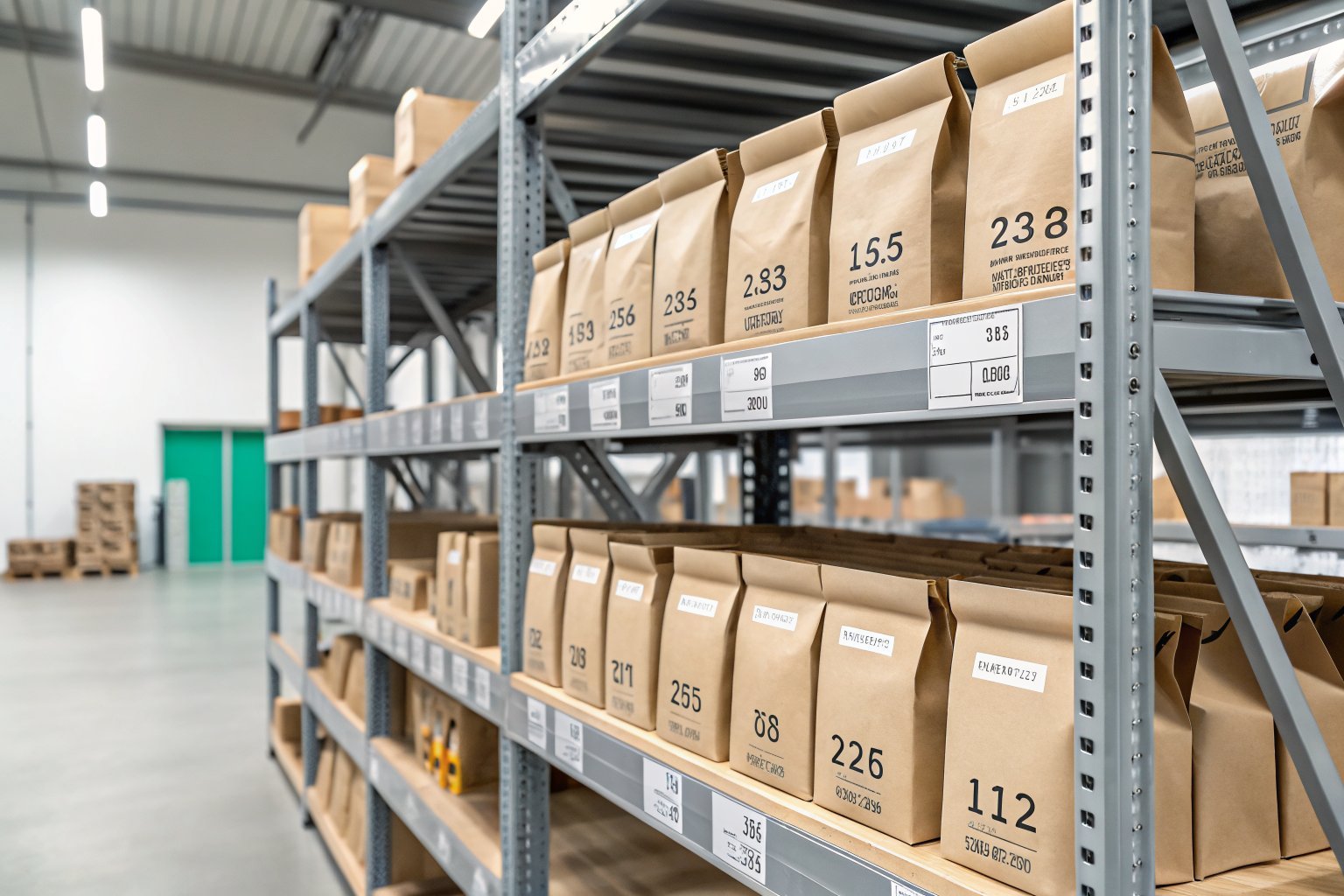
First, check the vacuum seal visually. If the bag has lost its vacuum and the beans are loose inside, the seal has failed and the coffee has been exposed to oxygen. Second, check the moisture content. If it has changed by more than 0.3 percent from the original reading, the seal integrity was compromised. Third, cup the coffee against a reference sample of the same lot that was stored fresh or frozen. The Green Coffee Association's stored coffee evaluation protocol recommends cupping the stored coffee at least 2 weeks after opening the vacuum seal. Freshly opened vacuum-sealed coffee can taste flat for the first few days before it re-oxygenates and the flavors open up.
What Sensory Changes Indicate That Stored Coffee Has Degraded?
The most common signs of aged vacuum-sealed coffee are reduced acidity — the bright, fruity notes flatten — and increased papery or woody flavors in the aftertaste. The body may also thin out slightly. These changes are gradual and may not be detectable until the coffee has been stored for 18 months or more. At Shanghai Fumao, we have conducted controlled aging studies on our vacuum-sealed Yunnan Catimor. After 12 months at 18 degrees Celsius, the coffee retained 94 percent of its original acidity and 96 percent of its sweetness. After 18 months, acidity dropped to 88 percent and sweetness to 92 percent. The coffee was still good — just slightly less vibrant than fresh.
How Do You Manage Inventory Using Vacuum-Sealed Storage?
Vacuum sealing allows you to buy in bulk at harvest pricing and draw down inventory over a longer period. But managing this inventory requires a system.
What Inventory Rotation System Works Best for Vacuum-Sealed Coffee?
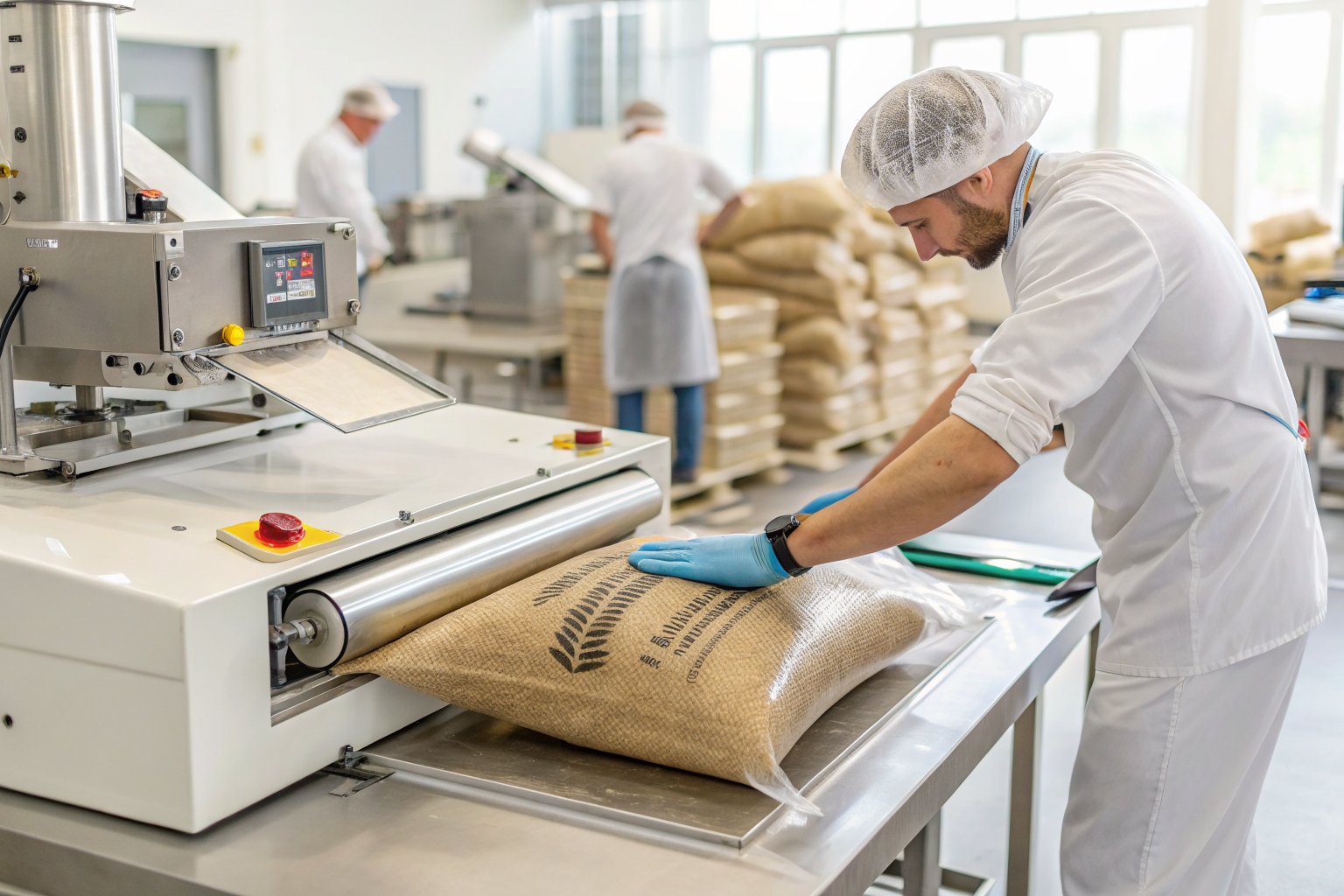
Use a first-in-first-out system, but with a twist: sample the oldest stored coffee every 3 months to track quality decline. When the quality drops below your acceptable threshold, move that lot to the top of the consumption queue. The threshold is typically a 2-point drop in cupping score from the original. The Specialty Coffee Association's inventory management protocol recommends labeling every bag with the sealing date, the original cupping score, and a retest date at 6-month intervals. At Shanghai Fumao, we provide vacuum-sealed lots with a storage recommendation sheet that tells buyers the optimal use-by date for three different storage temperatures.
How Do You Calculate the Cost-Benefit of Vacuum-Sealed Storage?
The cost of vacuum sealing is approximately 0.10 to 0.20 dollars per pound for the bags and labor. The benefit is the ability to buy coffee at harvest pricing, which can be 0.30 to 0.80 dollars per pound below off-season pricing. For a 40,000-pound container, the net saving is 4,000 to 24,000 dollars even after storage costs. The Coffee Quality Institute's storage cost analysis found that vacuum-sealed storage pays for itself when the coffee is held for more than 6 months and the seasonal price swing exceeds 12 percent.
Conclusion
Vacuum-sealed green coffee can be stored for 18 to 24 months under ideal conditions — 10.5 to 11.5 percent moisture, 15 to 20 degrees Celsius, and a high-quality seal. Temperature is the most important variable: every 5 degrees above 20 degrees cuts storage life by 30 percent. If you freeze vacuum-sealed coffee at minus 18 degrees, the shelf life extends to 36 to 60 months. Verify stored coffee by checking the vacuum seal, moisture content, and cupping against a fresh reference. At BeanofCoffee, we offer vacuum-sealed packaging on all our export lots. Whether you need coffee for next month or next year, we can deliver it in packaging that preserves its quality. Contact Person: Cathy Cai Email: cathy@beanofcoffee.com Website: https://beanofcoffee.com/