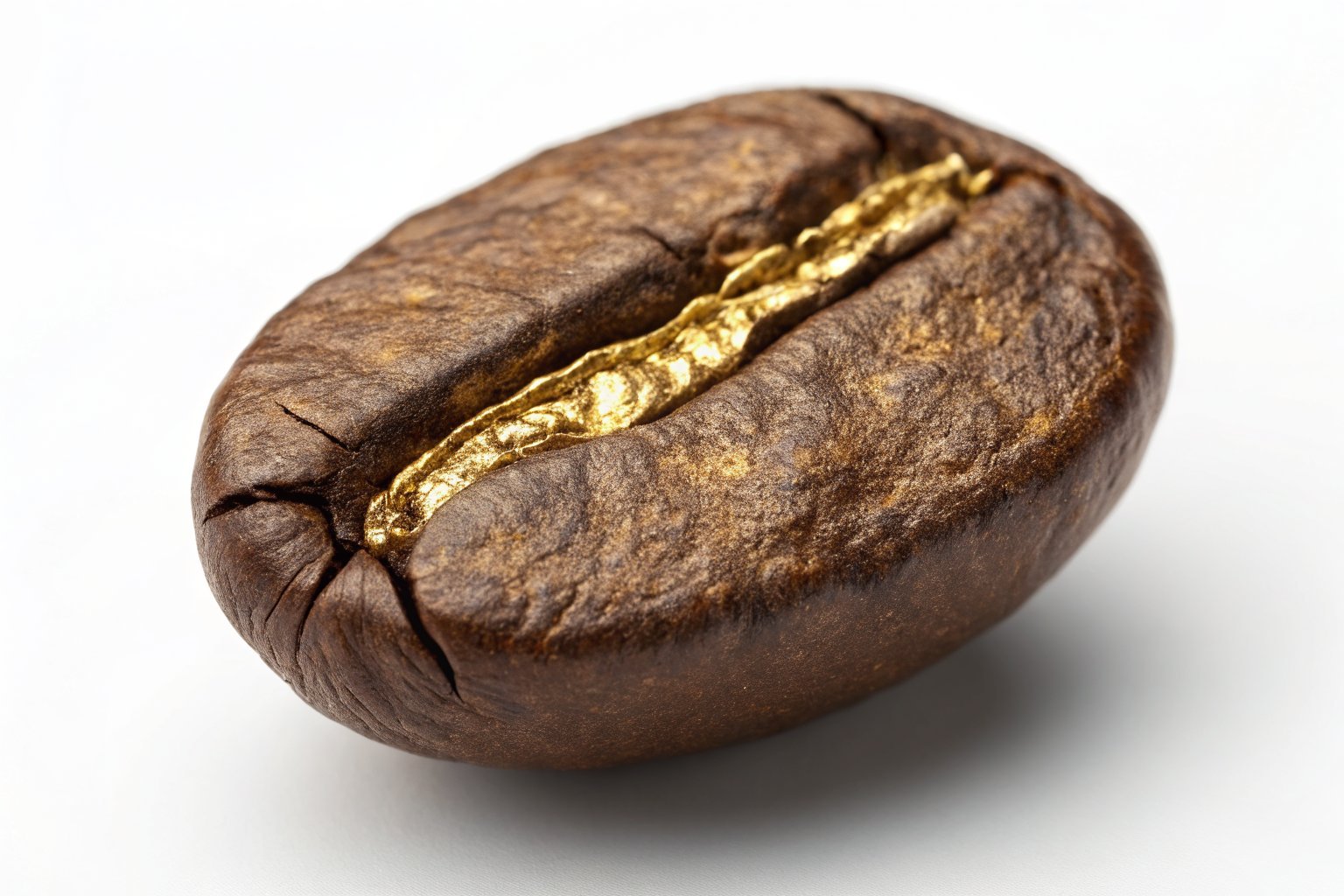
A barista from a competition team in Sydney asked me a question that most roasters never consider. He wanted to know whether the amount of silverskin on a coffee bean affected his espresso extraction time. He had noticed that some beans seemed to produce more fines and clog his puck, and he suspected the silverskin was the cause. He was right. Silverskin — the thin papery layer that remains on the bean after roasting — affects espresso extraction in measurable ways that most baristas and roasters overlook. Let me walk you through how silverskin impacts your shot quality and what you can do about it.
What Is Silverskin and Why Does It Affect Espresso?
Silverskin is the inner epidermis of the coffee bean, the thin layer that separates the bean from the parchment. It is present on every coffee bean, regardless of origin or processing method. During roasting, most silverskin detaches and becomes chaff. But some remains adhered to the bean surface, and the amount varies significantly by bean type and roast level.
How Does Silverskin Affect Puck Hydration and Water Flow?
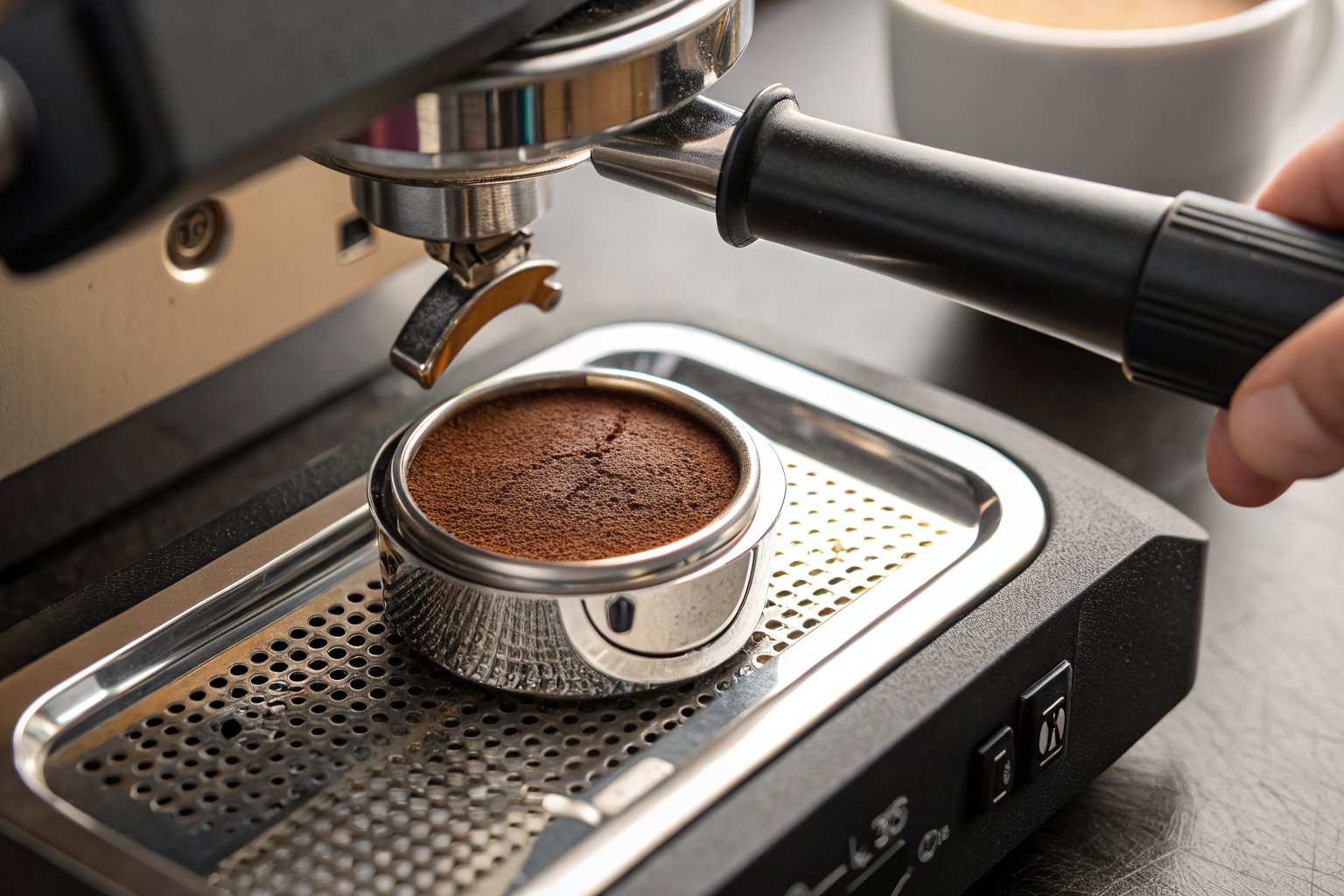
Silverskin is hydrophobic — it resists water. When silverskin flakes are present in the coffee grounds, they create barriers that slow water penetration through the puck. The flakes also tend to accumulate at the bottom of the puck, where they can clog the filter screen holes. The result is slower flow rates and a higher risk of channeling. The World Coffee Research silverskin extraction study found that espresso shots brewed from beans with high silverskin retention had an average flow rate 15 to 20 percent slower than shots from beans with low silverskin retention, using the same grind setting. The difference was most pronounced in the first 10 seconds of extraction, when the puck is still hydrating.
Does Silverskin Affect the Taste of Espresso?
Yes, and not in a good way. Silverskin contributes a papery, woody, or cardboard-like flavor to the cup, especially when present in high concentrations. The flavor impact is subtle at low silverskin levels — less than 2 percent by weight — but becomes noticeable above 3 percent. The Specialty Coffee Association's silverskin flavor study found that coffee with more than 4 percent silverskin content by weight scored an average of 1.5 points lower on the flavor category in SCA cupping compared to the same coffee with silverskin removed. The papery note was most detectable in the aftertaste, where it lingered and masked the coffee's natural finish.
How Does Roast Level Affect Silverskin Retention?
The amount of silverskin that stays on the bean after roasting depends primarily on the roast level and the bean's processing method.
Do Light Roasts Retain More Silverskin Than Dark Roasts?
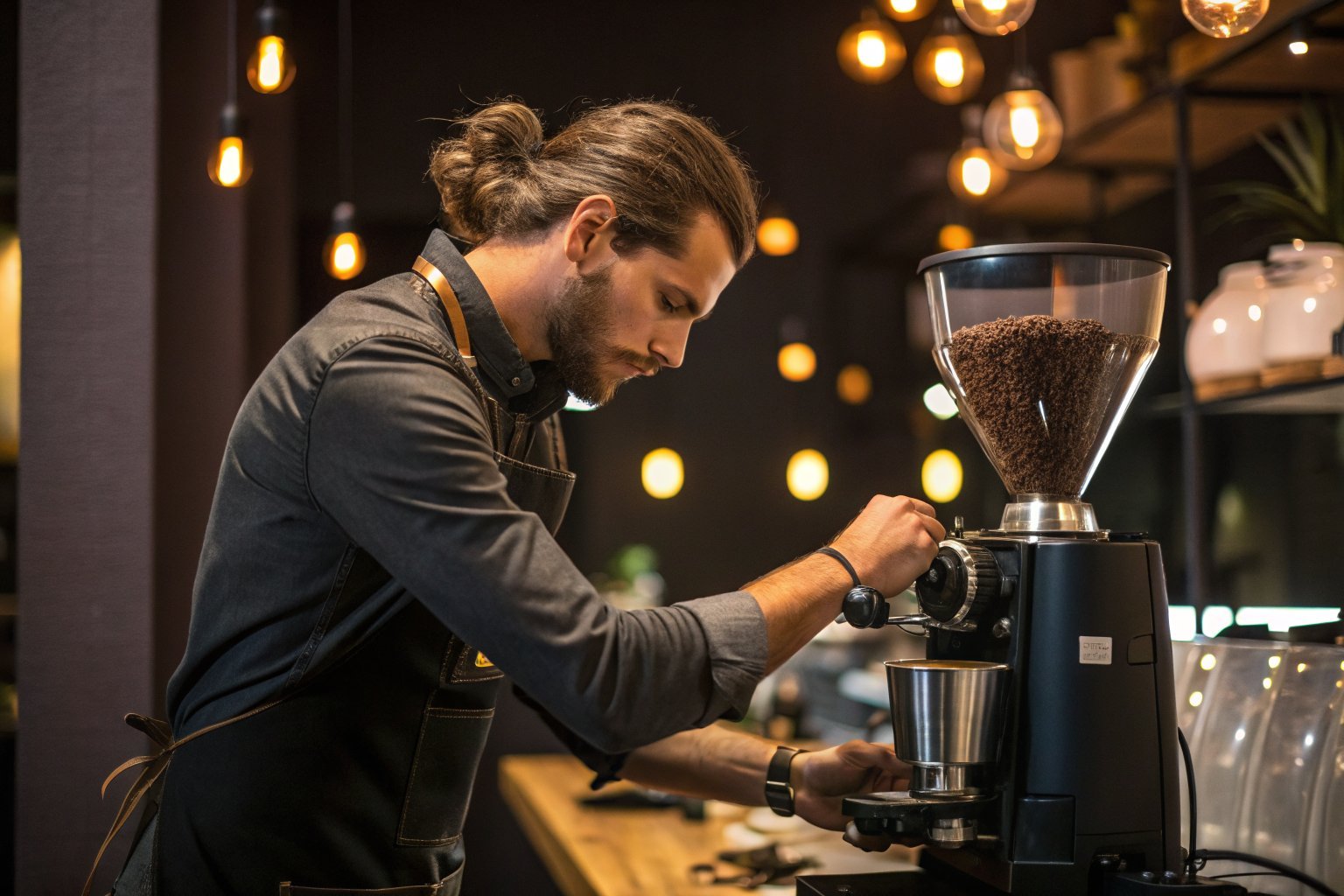
Yes. Light roasts retain significantly more silverskin than dark roasts. At a City roast level, approximately 60 to 80 percent of the original silverskin remains attached to the bean. At a Full City roast, 40 to 60 percent remains. At a Vienna or darker roast, less than 30 percent remains — the rest has burned off or separated as chaff. The Roast Magazine's silverskin retention study measured silverskin content at different roast levels for the same coffee. The silverskin content dropped from 3.8 percent of bean weight at a City roast to 1.2 percent at a Full City-plus roast. If you are roasting specifically for espresso and struggling with slow flow rates, consider roasting 15 to 30 seconds darker to reduce silverskin retention.
Do Washed and Natural Process Coffees Have Different Silverskin Levels?
Yes. Natural process and honey process coffees retain more silverskin than washed coffees at the same roast level. The dried fruit mucilage in natural process coffee binds more tightly to the silver-skin layer, making it harder to detach during roasting. Washed coffees have cleaner bean surfaces and lose silverskin more easily. The Coffee Quality Institute's processing-silverskin correlation found that natural process coffee retained 25 to 40 percent more silverskin than washed coffee from the same farm roasted to the same color. At Shanghai Fumao, we have observed this difference consistently in our Yunnan lots — our natural process Catimor typically retains more silverskin than our washed Catimor at the same roast level.
How Do You Reduce Silverskin Impact on Espresso Extraction?
If you are struggling with silverskin-related extraction problems, there are practical solutions at both the roasting and brewing stages.
What Roasting Adjustments Reduce Silverskin Problems?
The most effective adjustment is increasing drum speed during the first two minutes of the roast. Higher drum speed increases the mechanical abrasion between beans, which helps knock loose the silverskin before it bakes onto the bean surface. Increasing airflow during the drying phase also helps by pulling detached silverskin out of the drum before it settles back onto the beans. The Roast Magazine's silverskin management guide recommends a drum speed of 38 to 42 RPM during the first 3 minutes for natural process espresso roasts, compared to 34 to 36 RPM for washed coffees. The higher speed reduces silverskin retention by approximately 15 to 20 percent.
What Brewing Adjustments Help with Silverskin-Clogged Pucks?
If you cannot control the roasting, you can adjust your brewing. Use a slightly coarser grind to compensate for the flow restriction caused by silverskin. Increase your dose by 0.5 to 1 gram to maintain the same brew ratio. And use a paper filter on top of the puck — the paper catches the silverskin flakes before they migrate to the bottom and clog the screen. The Specialty Coffee Association's espresso troubleshooting guide provides a quick adjustment table. If you see flow rate dropping by more than 20 percent over a 10-shot window, silverskin accumulation in the grinder burrs may be the cause, and the burrs should be cleaned with a burr cleaner or rice.
How Do You Measure Silverskin Content in Your Coffee?
If you want to quantify the problem, measuring silverskin content is straightforward.
What Is the Standard Method for Silverskin Measurement?
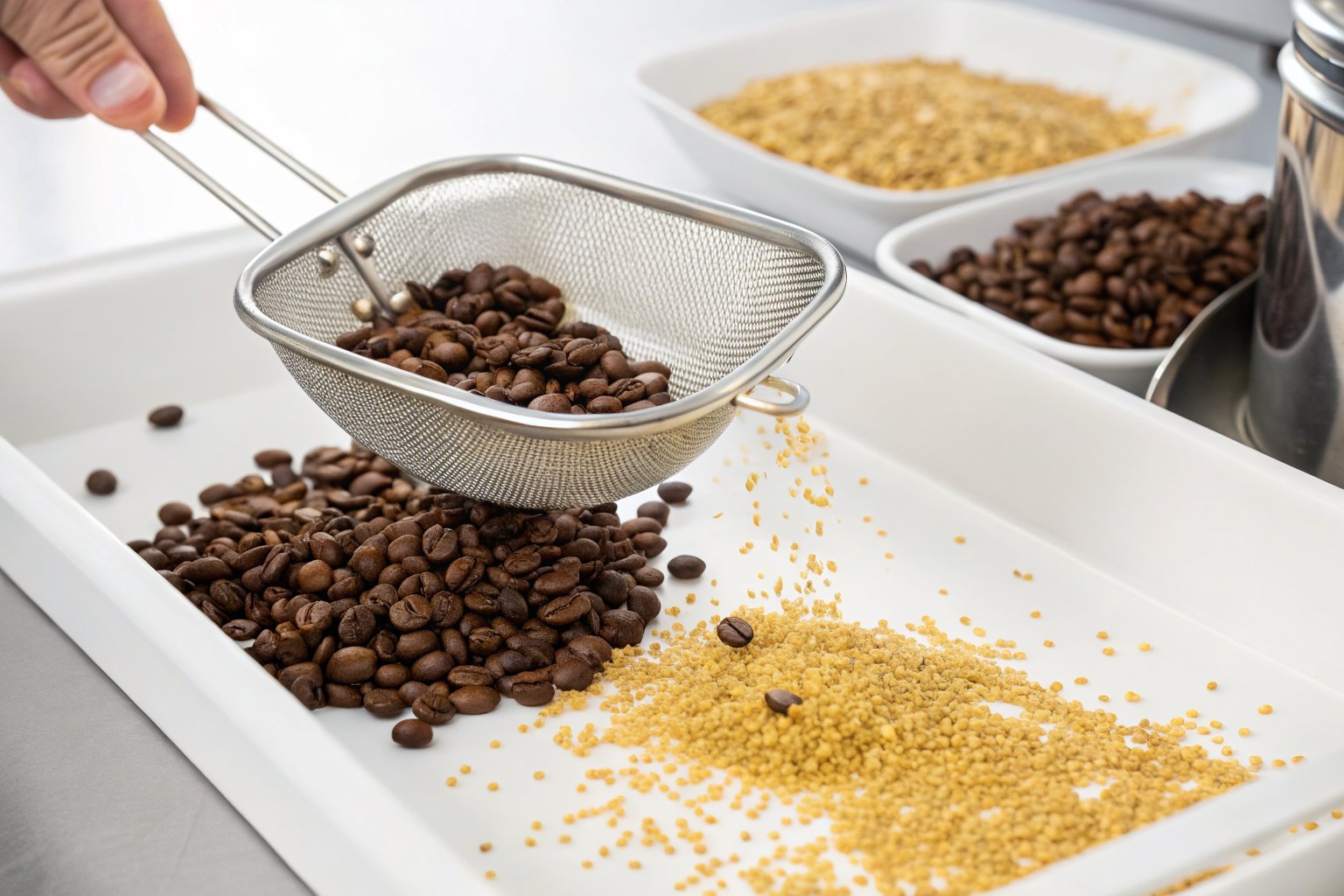
Weigh a 50-gram sample of roasted coffee. Rub the beans between your hands over a white tray to dislodge loose silverskin. Weigh the dislodged silverskin and calculate the percentage of total bean weight. For a more thorough measurement, place the sample in a mesh strainer and shake vigorously for 30 seconds, then weigh the material that passes through. The Coffee Quality Institute's silverskin quantification protocol recommends reporting the percentage as a range across three measurements. A silverskin content below 2 percent is typical for well-roasted washed coffee. Above 3.5 percent warrants investigation into the roasting process.
How Does Silverskin Content Vary Between Coffee Varieties?
Catimor and Robusta varieties tend to have thicker silverskin layers than Typica and Bourbon. A Catimor bean may have 15 to 25 percent more silverskin by weight than a Typica bean from the same farm. This is one reason why some espresso roasters prefer Bourbon or Typica for their espresso blends — the lower silverskin content produces cleaner extraction. At Shanghai Fumao, our Catimor beans are naturally lower in silverskin than many Catimor varieties from other regions because of Yunnan's specific growing conditions. However, we still recommend a slightly higher drum speed during roasting for our Catimor when it is destined for espresso use.
Conclusion
Silverskin affects espresso extraction by slowing flow rate, contributing papery flavors, and increasing clogging risk. Light roasts retain more silverskin than dark roasts, and natural process coffee retains more than washed coffee. Reducing silverskin impact starts in the roaster with higher drum speed and airflow during the drying phase. At the brew stage, coarser grind and increased dose compensate for the flow restriction. At BeanofCoffee, we consider silverskin management as part of our quality process. If you are roasting our beans for espresso, we can recommend roast profiles that minimize silverskin retention and maximize extraction quality. Contact Person: Cathy Cai Email: cathy@beanofcoffee.com Website: https://beanofcoffee.com/