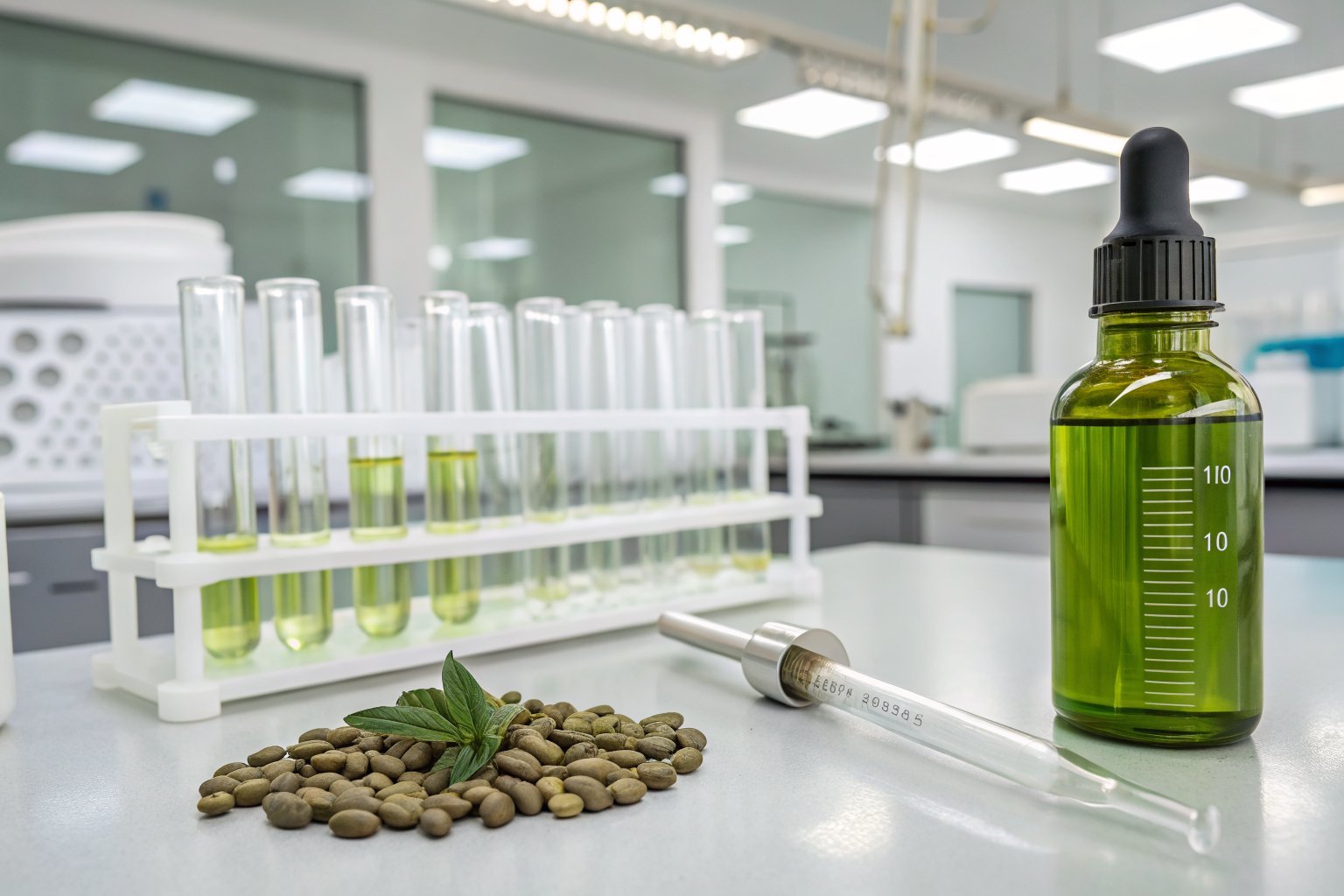
A beverage company in California reached out to me last month. They were developing a new line of functional energy drinks and wanted to use green coffee extract as the active ingredient instead of synthetic caffeine. Green coffee extract is a concentrated form of the raw bean's natural compounds — primarily chlorogenic acids — that provide antioxidant benefits and a smoother energy release than roasted coffee extract or synthetic caffeine. The problem was they had no idea how to source it. Green coffee extract is not the same as buying green beans. The quality depends on the extraction process, the standardization of active compounds, and the food safety certifications of the extractor. Let me walk you through what to look for.
What Is Green Coffee Extract and What Makes It Different from Roasted Coffee?
Green coffee extract is produced from unroasted green coffee beans. The beans are ground and extracted with a solvent — typically water, ethanol, or a water-ethanol mixture — to pull out the soluble compounds. The extract is then concentrated and standardized to a specific percentage of chlorogenic acids, which are the primary active compounds.
What Are the Key Active Compounds in Green Coffee Extract?
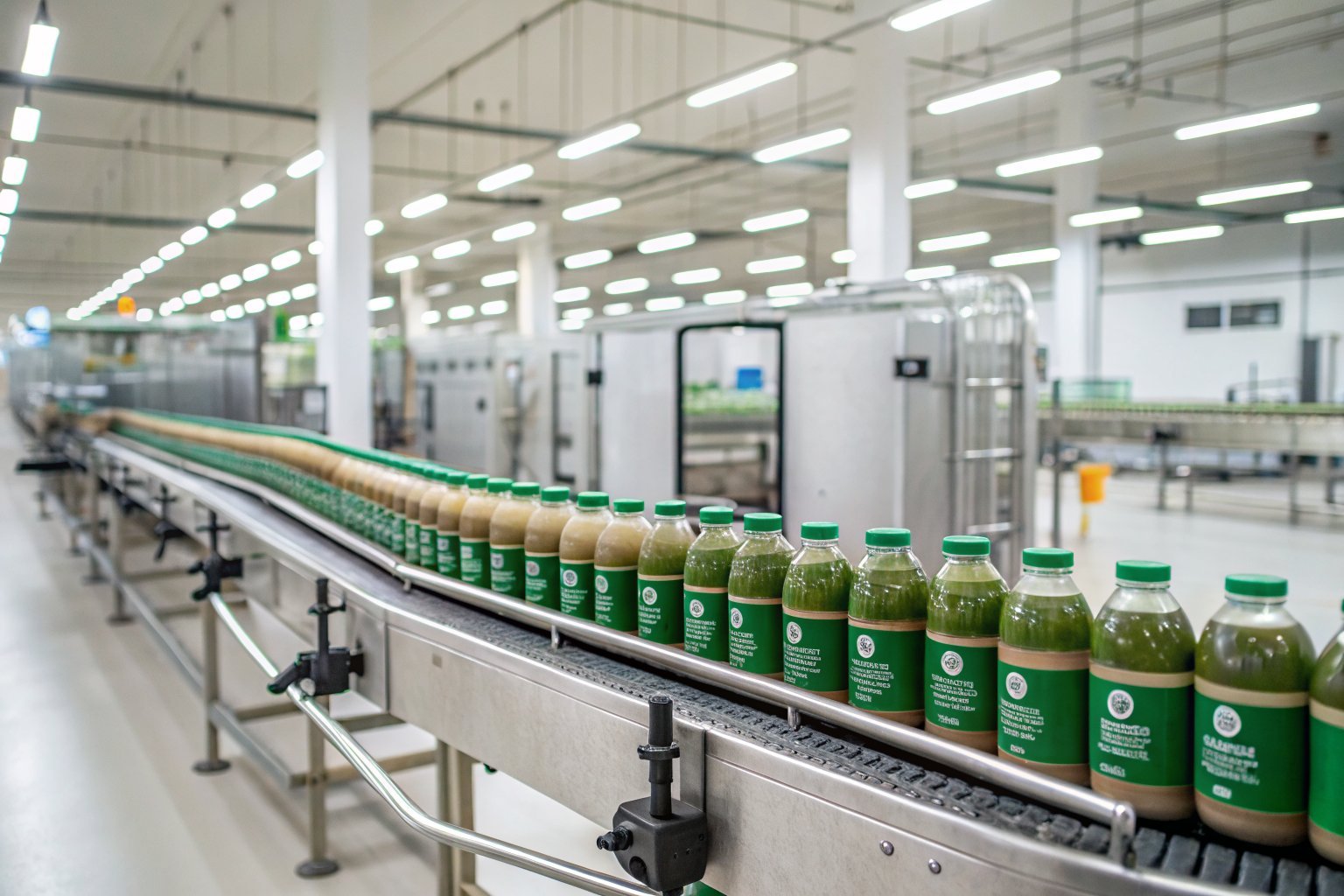
The primary active compounds are chlorogenic acids, which make up 5 to 12 percent of the dry weight of green Arabica beans. The most abundant is 5-caffeoylquinic acid, which has antioxidant properties and modulates glucose metabolism. Green coffee extract is typically standardized to 45 to 50 percent total chlorogenic acids for nutraceutical applications. The World Coffee Research green extract compound database lists over 30 bioactive compounds in green coffee extract. At Shanghai Fumao, we produce green coffee extract standardized to 50 percent chlorogenic acids from our Yunnan Arabica beans. The concentration of CGAs in our beans is naturally high because of the altitude and soil conditions.
How Is Green Coffee Extract Different from Roasted Coffee Extract?
Roasting destroys 50 to 80 percent of the chlorogenic acids in coffee beans. A roasted coffee extract has significantly lower antioxidant capacity than a green coffee extract from the same beans. The flavor is also different — green coffee extract has a milder, less bitter taste that is easier to formulate into beverages without adding masking agents. The Specialty Coffee Association's green extract comparison study found that green coffee extract retained 3 to 5 times more chlorogenic acid content than roasted coffee extract from the same origin. For functional beverage companies, green extract is the better choice when antioxidant content is the primary goal.
How Do You Evaluate the Quality of a Green Coffee Extract Supplier?
Not all green coffee extract is the same. The extraction method, standardization process, and quality control vary significantly between suppliers.
What Certifications Should a Green Coffee Extract Supplier Have?
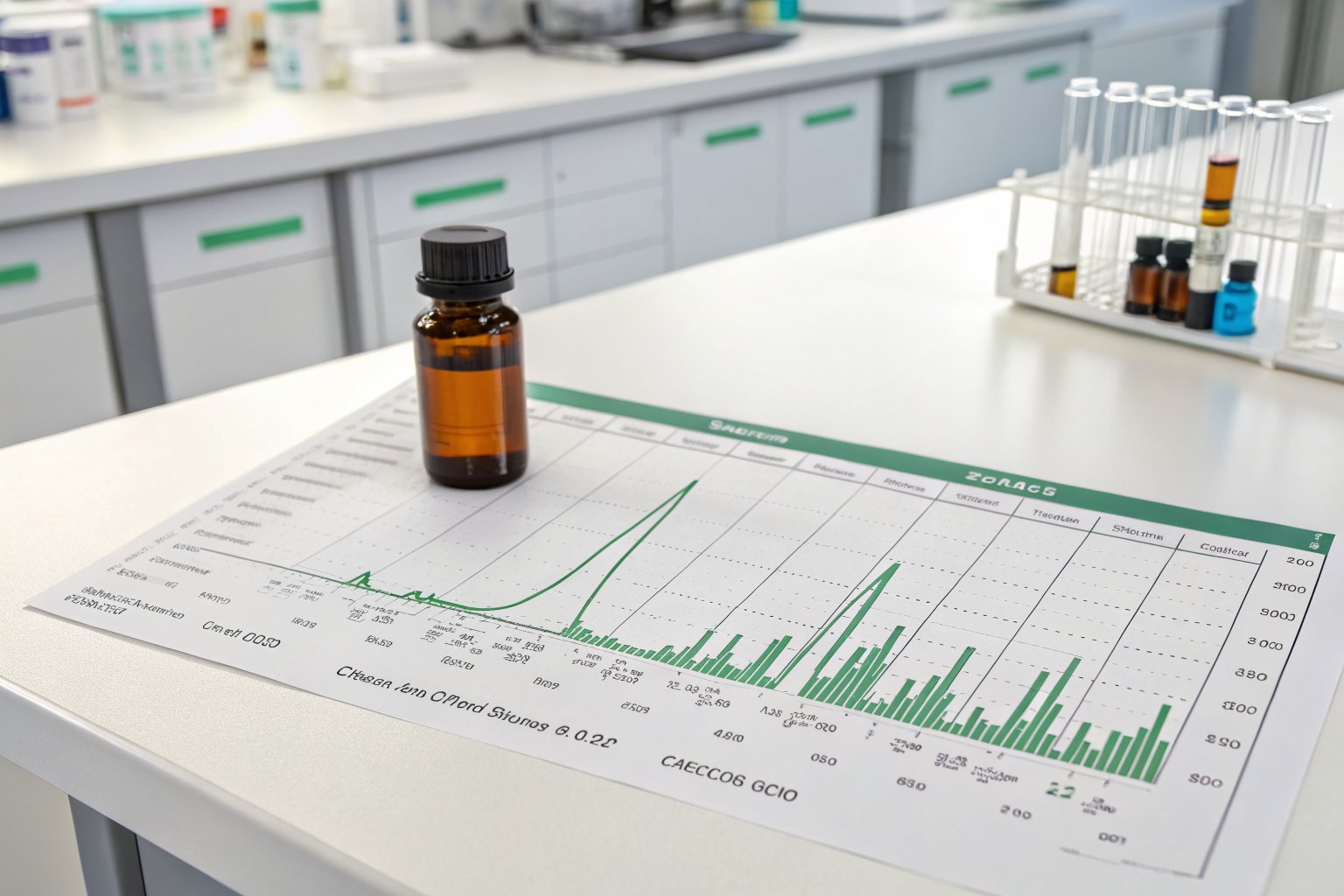
The minimum certification is cGMP — current Good Manufacturing Practices — which is required for dietary supplement ingredients sold in the United States. Additional certifications include ISO 22000 for food safety management, organic certification if the product will be marketed as organic, and Kosher or Halal certification depending on the target market. The International Coffee Organization's extract supplier standards recommend that buyers request a Certificate of Analysis for every batch showing the chlorogenic acid content, caffeine content, residual solvent levels, and heavy metal testing. At Shanghai Fumao, we provide a full COA with every batch of green coffee extract, including HPLC analysis for CGA content and ICP-MS for heavy metals.
What Extraction Method Produces the Highest Quality Extract?
The preferred extraction method is water-ethanol extraction at controlled temperatures below 60 degrees Celsius. Hot water extraction damages chlorogenic acids. Pure ethanol extraction leaves solvent residues. A 50-50 water-ethanol mixture at 50 degrees Celsius produces the highest yield of intact CGAs with the lowest solvent residue. The Coffee Quality Institute's extraction method comparison found that water-ethanol extraction at 50 degrees Celsius preserved 95 percent of the original CGA content, while hot water extraction at 90 degrees preserved only 60 percent. The solvent residue in properly evaporated water-ethanol extract is below 100 parts per million, which meets USP standards.
How Do You Specify and Order Green Coffee Extract for Functional Beverages?
Ordering green coffee extract requires a detailed specification sheet that addresses the unique requirements of beverage formulation.
What Specifications Should You Include in Your Purchase Order?
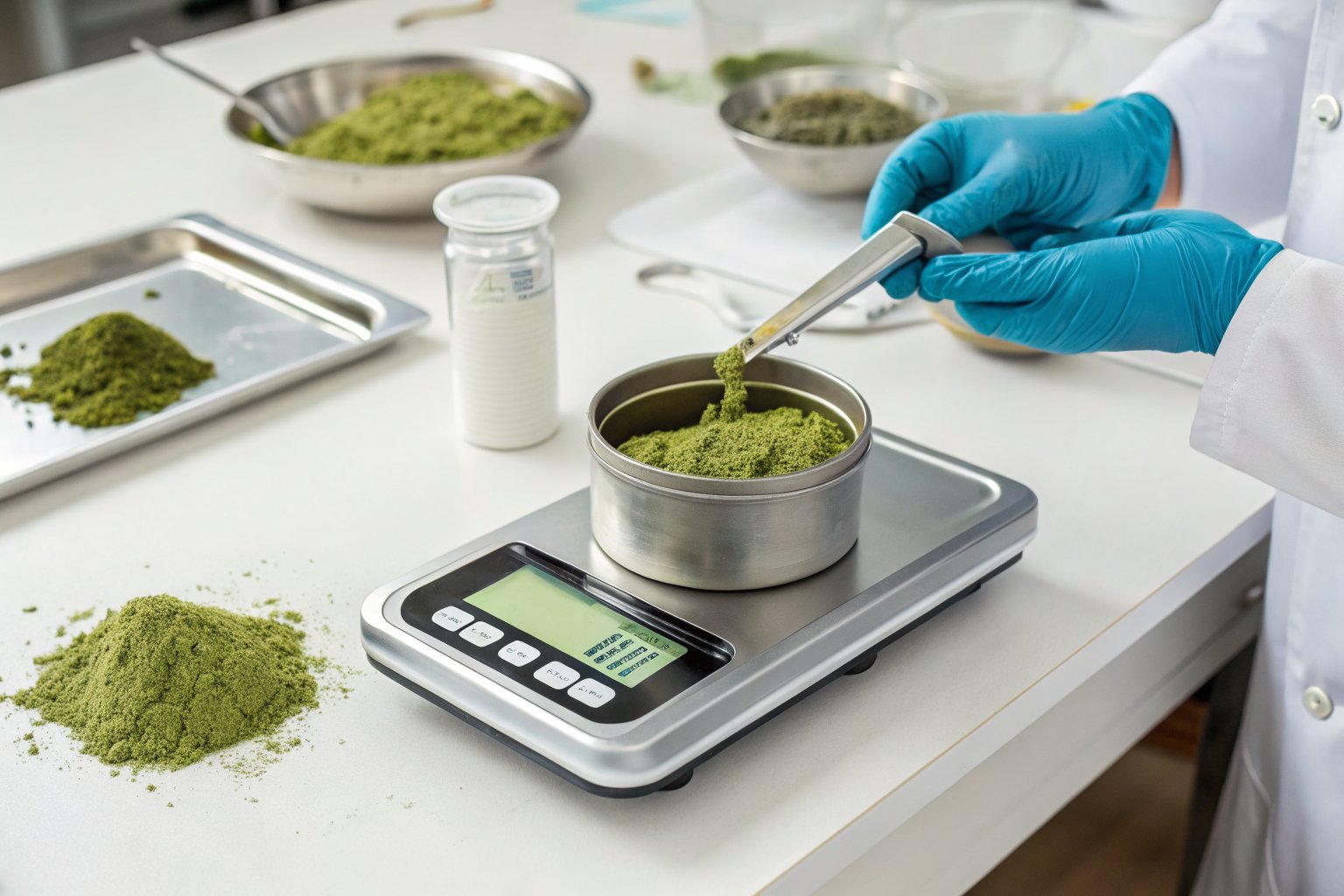
Include the target percentage of total chlorogenic acids — typically 45 to 50 percent. Specify the caffeine content, which is typically 3 to 6 percent in green coffee extract. Specify the solvent residue limits — ethanol below 100 ppm for food-grade applications. And specify the particle size if ordering powder — 80 to 100 mesh is standard for beverage blending. The American Herbal Products Association's green coffee extract guidelines provide a template specification sheet. At Shanghai Fumao, we offer both liquid and powder forms of green coffee extract. The liquid form is 25 to 35 percent solids and is easier to blend into liquid beverages. The powder form is 100 percent solids and is better for dry blends and capsules.
What Quantity and Lead Time Should You Expect?
Green coffee extract has a typical lead time of 3 to 5 weeks from order to delivery for custom batches. The minimum order quantity for most suppliers is 50 to 100 kilograms of powder or 200 to 500 liters of liquid extract. The shelf life is 18 to 24 months when stored in airtight containers at 20 to 25 degrees Celsius. The Green Coffee Association's extract supply chain guide recommends ordering a small test batch of 5 to 10 kilograms before committing to production volume. The cost difference between test batch and production batch is typically 10 to 20 percent higher for the test batch.
How Do You Formulate Green Coffee Extract into a Functional Beverage?
Once you have the extract, the formulation process requires attention to stability, flavor, and dosing.
What Is the Typical Dosage for Functional Beverages?
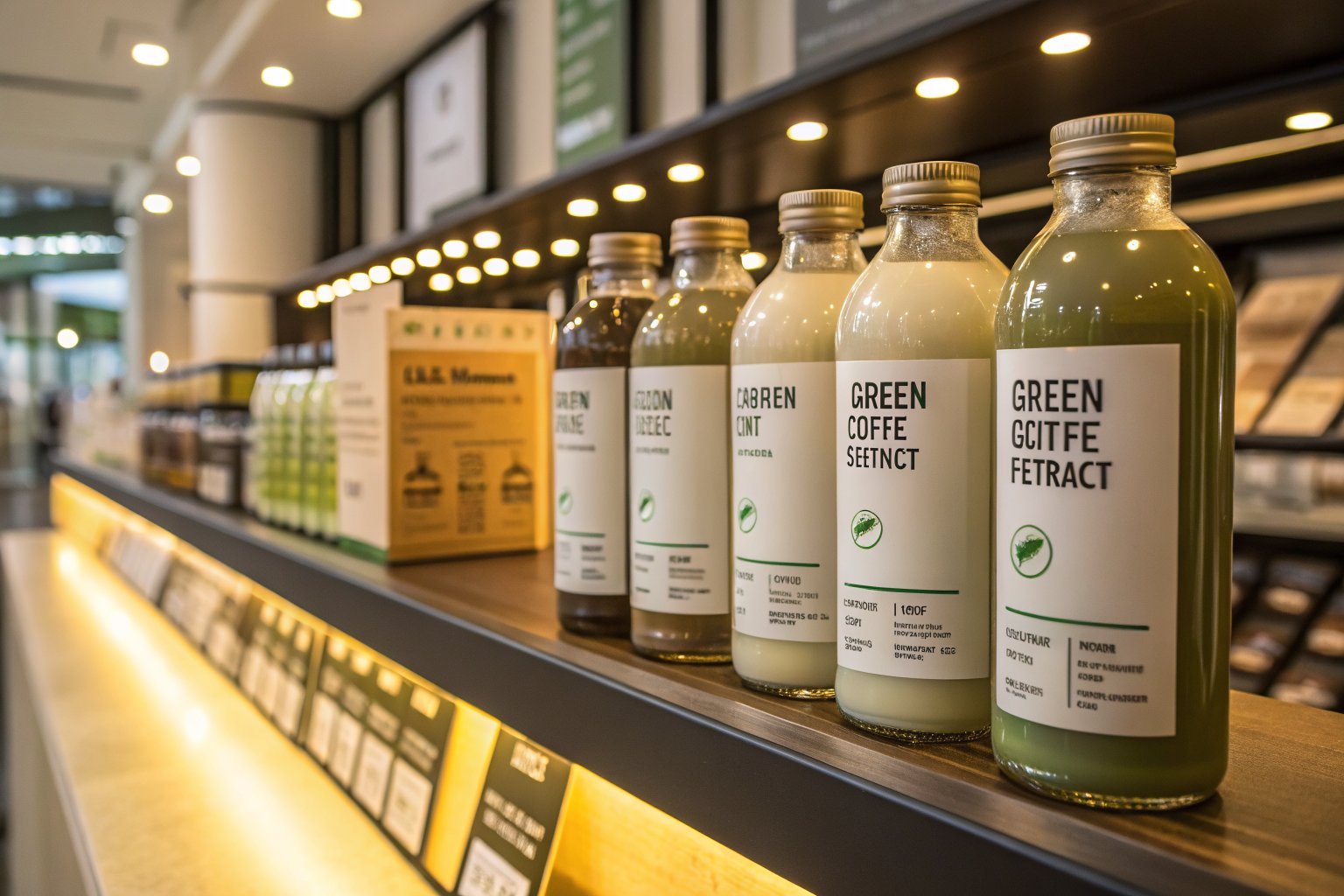
The typical dosage of green coffee extract in a functional beverage is 200 to 400 milligrams per serving, providing 90 to 200 milligrams of chlorogenic acids. This dosage range has been shown in clinical studies to support healthy glucose metabolism and provide antioxidant benefits. The European Food Safety Authority's green coffee extract dosage guidelines recommend a maximum daily intake of 400 milligrams of green coffee extract, which corresponds to approximately 200 milligrams of chlorogenic acids. At Shanghai Fumao, we provide dosage recommendations based on the CGA content of each batch to help formulators hit their target.
How Do You Stabilize Green Coffee Extract in Beverages?
Green coffee extract is sensitive to pH, light, and heat. The optimal pH range for stability is 4.5 to 5.5. Below pH 4.0, the chlorogenic acids begin to hydrolyze. Above pH 6.5, they oxidize rapidly. The extract should be stored in opaque containers and the finished beverage should be packaged in UV-blocking bottles or cans. The Roast Magazine's green extract formulation guide recommends adding a natural antioxidant like ascorbic acid at 0.1 to 0.2 percent of the beverage weight to extend shelf life. With proper formulation, a green coffee extract beverage has a shelf life of 9 to 12 months in sealed packaging.
Conclusion
Green coffee extract is a growing ingredient category for functional beverages, offering high chlorogenic acid content and a smoother energy profile than synthetic caffeine. Source from a cGMP-certified supplier who uses water-ethanol extraction at controlled temperatures, provides full Certificates of Analysis, and can customize the CGA standardization. Specify your target CGA percentage, caffeine content, and solvent residue limits clearly in the purchase order. At BeanofCoffee, we produce green coffee extract from our Yunnan Arabica beans using a gentle water-ethanol process that preserves over 95 percent of the original chlorogenic acids. If you are developing a functional beverage and need a reliable extract supplier, we can help. Contact Person: Cathy Cai Email: cathy@beanofcoffee.com Website: https://beanofcoffee.com/