
I once shipped a container of green coffee to a buyer in Rotterdam. The vessel hit heavy weather in the Indian Ocean. Seawater got into two pallets. The bags were soaked. The coffee was ruined. The buyer called me in a panic. He had never filed a claim before. He did not know where to start. He did not know who to call. He did not know what documents he needed. That claim took four months to settle. It should have taken four weeks. Most of the delay came from simple mistakes. Missing photos. Late notice. Unclear records. That experience taught me a lot. So let me share the steps for filing an insurance claim on damaged coffee. I want your claim to go faster than his did.
So let me walk you through the claim process, step by step, and show you how to protect your money.
What Types of Coffee Damage Are Covered?
Insurance covers several types of damage. The most common are water damage, mold, pest damage, and physical damage. Water damage comes from leaks, rain, or seawater. Mold comes from moisture during transit. Pest damage comes from insects or rodents. Physical damage comes from rough handling or accidents. Some policies also cover theft and contamination. So the coverage depends on your policy. Marine cargo insurance is the standard product for coffee shipments. It covers goods while they are in transit. So check your policy before you ship. Know what is covered. Know what is not. Then you can plan. So read the fine print. It matters when things go wrong.
What does marine cargo insurance cover?
Marine cargo insurance covers several risks. First, water damage from storms or leaks. Second, mold from moisture. Third, physical damage from handling. Fourth, theft and non-delivery. Fifth, general average, which spreads losses across the shipment. Some policies add pest damage, contamination, and temperature damage. So the coverage varies by policy. The two main types are "all risks" and "named perils." All risks covers most things unless excluded. Named perils covers only listed events. So check which type you have. All risks is better for coffee. So ask for it. Then confirm the exclusions. That way, you know your protection.
What is usually excluded from coverage?
Several things are usually excluded. First, poor packing. If bags were weak or wet before shipping, the insurer may deny the claim. Second, inherent vice. That means the coffee was already damaged before transit. Third, delay. If the ship was late, that alone is not covered. Fourth, war and strikes unless specifically added. Fifth, contamination from bad storage. Sixth, normal loss from shrinkage or moisture change. So these exclusions matter. A claim can fail if the cause falls into one of them. So pack well. Store well. Then document everything. That reduces the risk of denial. So do not give the insurer an easy reason to say no.
What Should You Do Immediately After Damage?
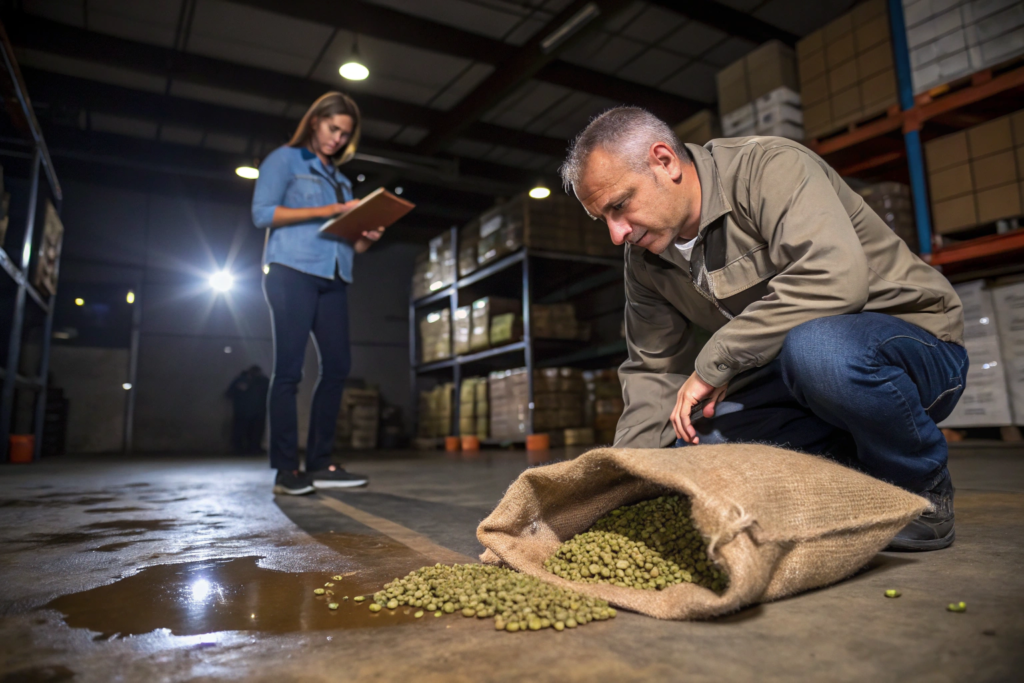
Act fast when you find damage. First, stop unloading. Second, take photos. Third, keep the damaged bags separate. Fourth, notify your insurer and broker. Fifth, notify the carrier. Sixth, keep all documents. Seventh, do not dispose of anything without permission. So speed is critical. Most policies require notice within a short window. That window can be as short as a few days. So do not wait. Call your broker the same day. Then follow up in writing. Then keep a log of every call. So the process starts clean. A fast, organized start makes the rest easier.

How soon must you report a claim?
You must report a claim quickly. Most marine policies require notice within a set number of days. Some say three days. Some say seven. Some say thirty. So check your policy. Then act within that window. Do not wait for a full assessment. A short notice preserves your rights. It also lets the insurer send an adjuster. That adjuster can see the damage firsthand. So report early. Then follow up. Then keep records. A late report can weaken or kill a claim. So treat the deadline as urgent. Then act.
What evidence should you collect?
Collect strong evidence. First, photos of the damaged bags. Second, photos of the container or warehouse. Third, photos of the seal and container number. Fourth, the bill of lading. Fifth, the commercial invoice. Sixth, the packing list. Seventh, the survey report if available. Eighth, the delivery receipt. Ninth, notes from the carrier. Tenth, any correspondence about the damage. So build a file. Keep it organized. Then share it with the insurer. Clear evidence speeds up the claim. Weak evidence slows it down. So collect everything. Then label it clearly. That makes the adjuster's job easy. A happy adjuster is a fast adjuster.
How Do You File the Claim?
Filing the claim follows a clear path. First, submit a notice of claim. Second, submit the claim form. Third, attach your evidence. Fourth, cooperate with the survey. Fifth, respond to requests quickly. Sixth, wait for the assessment. Seventh, accept or dispute the offer. So the process is structured. Each step has a purpose. So follow the steps in order. Then stay in touch with your broker. They can guide you through each stage. So do not go it alone. Use your broker. They know the system. That saves time and stress.

What documents do you need?
You need several documents. First, the insurance certificate. Second, the bill of lading. Third, the commercial invoice. Fourth, the packing list. Fifth, the survey report. Sixth, photos of the damage. Seventh, the delivery receipt. Eighth, correspondence with the carrier. Ninth, the notice of claim. Tenth, any repair or disposal records. So gather these early. Then submit them together. A complete file speeds up the process. A partial file causes delays. So build a checklist. Then check off each item. That habit keeps your claim moving.
How does the survey process work?
The survey process works in stages. First, the insurer appoints a surveyor. Second, the surveyor inspects the goods. Third, the surveyor writes a report. Fourth, the report goes to the insurer. Fifth, the insurer reviews it. Sixth, the insurer makes an offer. So the survey is the key step. It decides the cause and the loss amount. So cooperate fully. Give the surveyor access. Answer questions. Provide records. Then wait for the report. Do not argue with the surveyor. Just be helpful. A smooth survey leads to a smoother claim. So make it easy for them.
What Happens After the Claim Is Approved?
After approval, several things happen. First, the insurer makes an offer. Second, you review the offer. Third, you accept or negotiate. Fourth, you receive payment. Fifth, you document the outcome. Sixth, you review your process. So the claim ends with payment. But the learning continues. Look at what caused the damage. Then fix it. Maybe you need better packing. Maybe you need a different route. Maybe you need better storage. So use the claim as a lesson. Then improve. That way, the same problem does not happen again. So learn from every claim. It makes you stronger.

How is the payout calculated?
The payout is based on several factors. First, the insured value of the goods. Second, the extent of the damage. Third, the deductible. Fourth, the policy limits. Fifth, whether the loss is partial or total. So the math can be complex. A total loss pays the full insured value minus the deductible. A partial loss pays the damaged portion. So keep good records. They support your number. Then review the offer carefully. If it seems low, ask why. Then negotiate if needed. So know your numbers. Then stand behind them. That is how you get a fair payout.
What if the claim is denied?
If the claim is denied, do not give up. First, ask for the reason in writing. Second, review your policy. Third, check the exclusions. Fourth, gather more evidence. Fifth, appeal the decision. Sixth, consider a mediator if needed. So a denial is not always final. Many denials come from missing documents or unclear causes. So fix those gaps. Then resubmit. A calm, organized appeal often works. So stay professional. Then push for a fair review. That approach gets results.
How Do You Prevent Future Damage Claims?
Prevention is the best strategy. First, pack coffee properly. Use strong bags and liners. Second, use moisture barriers. Third, check containers before loading. Fourth, use reliable carriers. Fifth, track shipments. Sixth, store properly on arrival. Seventh, insure every shipment. So prevention reduces claims. It also protects your margin. A claim takes time and energy. Prevention takes planning. So plan well. Then you avoid the problem. That is the smarter path. So invest in prevention. It pays off.

How do you improve packing and shipping?
Improve packing with simple steps. First, use food-grade bags with liners. Second, add moisture barriers. Third, seal bags tightly. Fourth, use strong pallets. Fifth, load containers carefully. Sixth, avoid gaps that let water in. Seventh, check seals before departure. So packing is a system. Each step adds protection. Then shipping adds more. Use reputable carriers. Track your container. Then act fast if problems appear. So build a packing standard. Then follow it every time. That standard protects your coffee. It also protects your money.
What role does insurance play in risk management?
Insurance plays a key role in risk management. It does not prevent damage. It transfers the financial risk. So it protects your cash flow. It also protects your relationships. A buyer who gets paid does not blame you for the loss. So insurance keeps trust. But insurance is not a substitute for good practice. It is a backup. So use it with prevention. Then you have two layers of protection. That combination is strong. So insure every shipment. Then work hard to prevent claims. That is the balanced approach.
Conclusion
Damage claims are stressful. But they follow a clear process. Report fast. Collect evidence. File properly. Cooperate with the survey. Then review the offer. So follow the steps. Then stay organized. That speeds up the payout. It also protects your relationship with your buyer. We help our buyers with claims at BeanofCoffee. We prepare documents early and share them fast. So a claim does not become a crisis. If you import coffee and want a supplier who supports the whole process, we can help. Please contact Cathy Cai at cathy@beanofcoffee.com to discuss your order with BeanofCoffee. We will share our shipping documents and our claim process with you.