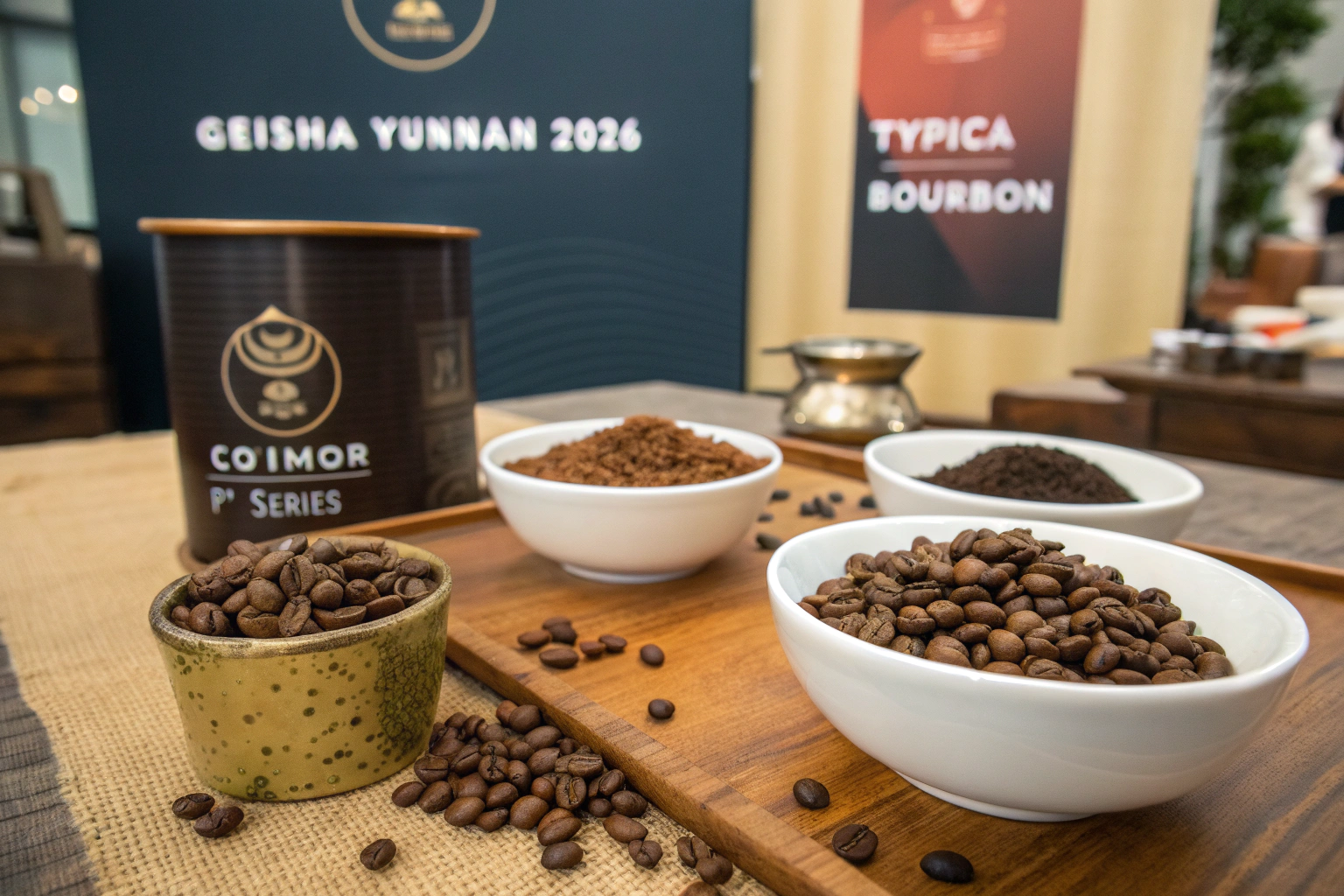
You've been buying Yunnan coffee for a few years. It's been a reliable workhorse. Clean, chocolatey, consistent. But you're starting to see new names pop up on offer sheets. Not just the familiar "Catimor." You're seeing "Yunnan Typica." "Yunnan Geisha." Even something called "P4." The cupping notes are different. More floral. More complex. Higher scores. You're intrigued, but also cautious. You've been in this business long enough to know that a new varietal name on a piece of paper doesn't always mean a new experience in the cup. You're asking: What is actually new, what is genuinely exciting, and what is worth paying a premium for in 2026?
The newest and most significant coffee bean varieties emerging from China in 2026 are not newly invented species, but rather the successful, scaled-up cultivation of premium international varietals in Yunnan's unique terroir. The most notable are: (1) Geisha (specifically the Panamanian lineage), now producing commercial volumes with a distinct Yunnan expression of jasmine and stone fruit. (2) High-quality selections of Typica and Bourbon, offering a sweeter, more elegant alternative to Catimor. (3) A new generation of rust-resistant Catimor hybrids (like the "P" series) that significantly close the quality gap with traditional varietals while maintaining robust plant health. These are not just names; they represent a genuine expansion of the Yunnan flavor spectrum.
I've watched these trees grow. At Shanghai Fumao, we've invested years in planting, nurturing, and now harvesting these new varietals across our 10,000 acres. I've cupped the results blind against the world's best. Let me give you the real story on what's new, what's good, and what it means for your coffee program.
Is China Successfully Growing and Exporting Geisha Coffee in 2026?
This is the question I get most often from specialty roasters. The legend of Geisha—the jasmine, the bergamot, the tea-like elegance—is powerful. And the answer in 2026 is a clear and exciting yes.
Yes, China is successfully growing and exporting commercial volumes of high-quality Geisha coffee in 2026. The majority of this Geisha traces its lineage back to Panamanian Geisha stock, brought to Yunnan over a decade ago. These trees are now mature and planted at optimal high-altitude sites (1,400m+). The resulting cup is unmistakably Geisha: intense jasmine and stone fruit aromatics, a delicate, tea-like body, and a complex, lingering sweetness. While it doesn't yet command the auction prices of the very best Panamanian lots, it delivers an authentic Geisha experience at a significantly more accessible green price.
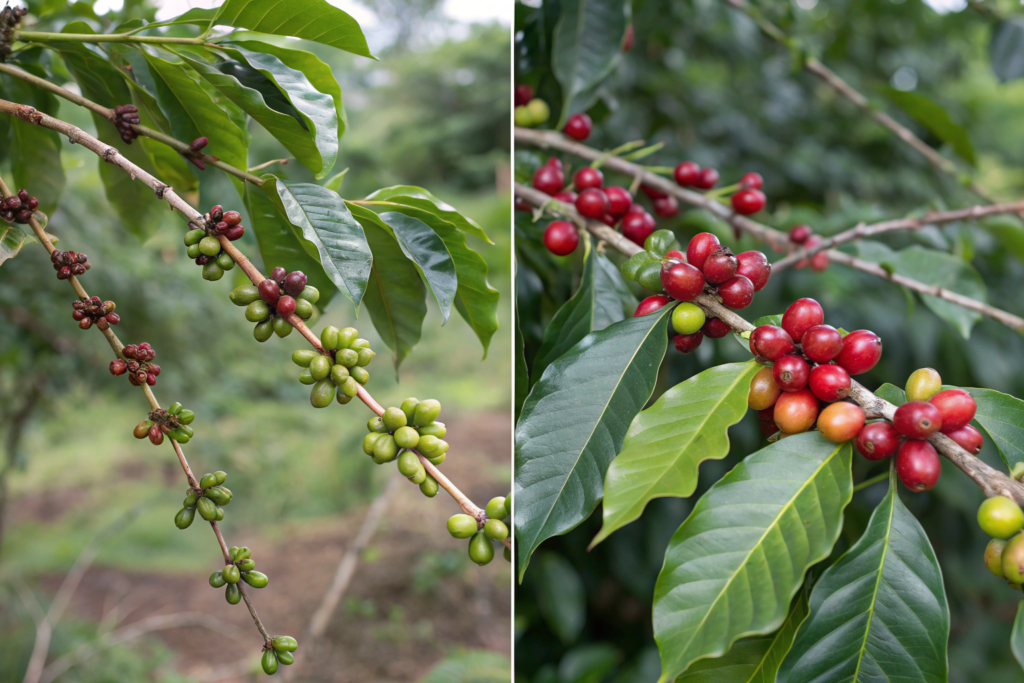
How Does the Cup Profile of Yunnan Geisha Compare to Panamanian Geisha?
This is the critical question for any buyer. A side-by-side blind cupping is the only true test, but here is the general consensus from Q-Graders who have evaluated both.
Similarities:
- Floral Signature: The unmistakable high-note of jasmine and orange blossom is present and vibrant.
- Stone Fruit: Notes of ripe peach, apricot, and sometimes mango are clearly expressed.
- Tea-Like Body: The signature delicate, silky, and elegant mouthfeel is there.
Subtle Yunnan Distinctions:
- Slightly Rounder Acidity: The acidity in Yunnan Geisha is often described as slightly softer and more integrated, less "razor-sharp" than the highest-altitude Panamanian lots. It's a malic and citric blend that is very pleasing.
- Honeyed Sweetness: There is often a pronounced honey or brown sugar sweetness that provides a beautiful foundation for the floral top notes.
- Clean Finish: The cup is exceptionally clean, a testament to the careful washed processing used for these premium lots.
In blind cuppings, a well-processed Yunnan Geisha consistently scores in the 86-89 point range. It is a legitimate, world-class specialty coffee. At Shanghai Fumao, our Geisha lots are meticulously processed and are generating significant excitement among our specialty roasting partners.
What Is the Price and Availability of Chinese Geisha in 2026?
This is where the business case becomes compelling. Panamanian Geisha, especially from famous farms, can easily command $50-$200+ per pound green, if you can even get an allocation.
Chinese Geisha is available at a fraction of that cost. While still commanding a significant premium over standard Catimor, FOB prices for high-quality Yunnan Geisha in 2026 typically range from $12 to $25 per pound green, depending on the lot size, cup score, and specific farm. This price point is a game-changer. It allows a much broader range of specialty roasters to offer a genuine Geisha experience to their customers. It democratizes the varietal. Availability is still limited compared to Catimor—these are micro-lots and small commercial lots—but the volume is increasing steadily each year as more trees reach maturity.
What Role Are "Heirloom" Varietals Like Typica and Bourbon Playing in Yunnan?
While Geisha grabs the headlines, a quieter but equally important revolution is happening with the classic "heirloom" varietals: Typica and Bourbon. These are the genetic foundations of the specialty coffee world.
Typica and Bourbon are playing a crucial role in diversifying Yunnan's cup profile beyond the traditional Catimor flavor. These varietals are genetically pure Arabica, lacking the Robusta heritage of Catimor. They produce a cup that is inherently sweeter, more complex, and more elegant, with a softer, more balanced acidity and distinct floral or fruity notes depending on the terroir. While lower-yielding and more disease-prone than Catimor, they are being cultivated successfully in Yunnan's higher, cooler micro-climates, offering roasters a premium, nuanced alternative.
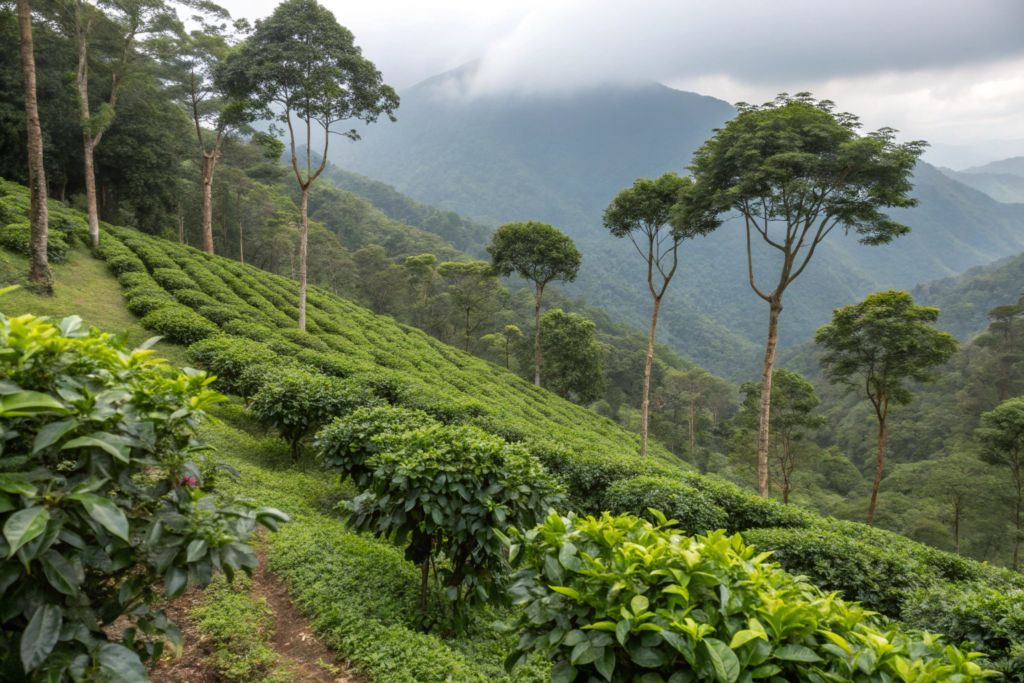
What Is the Flavor Profile of Yunnan-Grown Typica?
Typica is the original "noble" Arabica. It's known for its exceptional cup quality and clean, classic profile. In Yunnan, Typica expresses itself beautifully.
Compared to Catimor's bold chocolate and nut, Yunnan Typica is more delicate, floral, and sweet. Expect notes of:
- Honey and Caramel: A pronounced, clean sweetness.
- Stone Fruit: Apricot, nectarine.
- Floral Hints: Jasmine or honeysuckle.
- Silky Body: A lighter, more elegant mouthfeel than Catimor.
- Citrus Acidity: A bright, lemony or orange-like acidity that is clean and refreshing.
Yunnan Typica is an excellent choice for roasters looking for a "crowd-pleasing" specialty coffee that is approachable yet complex. It shines as a single-origin filter roast. At Shanghai Fumao, our Typica plots are producing some of our highest-scoring conventional lots.
Why Is Bourbon Making a Comeback in Yunnan?
Bourbon is another foundational Arabica varietal, known for its exceptional sweetness and complexity. It's a parent of many modern cultivars.
Bourbon fell out of favor in many regions due to its susceptibility to disease. However, in carefully managed, high-altitude plots in Yunnan, it is making a strong comeback. Yunnan Bourbon is prized for its:
- Intense Sweetness: Often described as brown sugar, molasses, or even milk chocolate.
- Heavy, Creamy Body: A very satisfying, coating mouthfeel.
- Balanced Acidity: A smooth, integrated acidity that supports the sweetness.
- Complex Finish: Notes of dried fruit, spice, and a lingering sweetness.
Bourbon is a fantastic component for premium espresso blends, adding immense body and sweetness. It also stands alone as a complex, comforting single-origin. The revival of Bourbon in Yunnan is a sign of the region's maturing specialty coffee sector.
What Are the "Next Generation" Catimor Hybrids (Like P4/P5) and Why Do They Matter?
Let's be honest. "Catimor" has a reputation. It's known for being hardy and high-yielding, but its Robusta parentage can sometimes express as harsh, woody, or astringent notes. But not all Catimor is created equal. Plant breeders have been working for decades to improve it.
The "next generation" Catimor hybrids, such as the P4 and P5 selections developed in Yunnan, represent a significant leap forward in quality. These are not new varietals; they are the result of rigorous selective breeding within the Catimor population. They retain the robust disease resistance and high yield that make Catimor the backbone of Yunnan production, but they have been selected for dramatically improved cup quality. They exhibit cleaner profiles, more pronounced sweetness, and a distinct absence of the harsh, vegetal notes associated with older Catimor types.
How Does "P4" Catimor Cup Compared to Traditional Catimor?
The difference is noticeable, even to a non-expert. A traditional Catimor might be a solid 81-82 point coffee. A well-processed P4 selection can reliably score 83-85 points.
Flavor Profile Improvements:
- Cleaner Finish: The sometimes harsh, woody aftertaste of traditional Catimor is significantly reduced or eliminated.
- Brighter Acidity: There is a cleaner, more defined malic or citric acidity, adding life and complexity to the cup.
- Enhanced Sweetness: Notes of milk chocolate, caramel, and panela are more pronounced and balanced.
- Improved Body: The body remains heavy and syrupy, a classic Catimor strength.
For a commercial roaster, P4 offers a compelling value proposition: the supply security and cost-effectiveness of a high-yielding Catimor, with a cup quality that competes with more expensive origins. It's a superior base for blends and a reliable, high-quality single-origin option. At Shanghai Fumao, we are actively expanding our plantings of these improved Catimor selections.
Why Should a Commercial Roaster Care About These New Catimor Selections?
Because they directly address the core needs of a volume-focused coffee business: Consistency, Value, and Scalability.
- Consistency: These hybrids produce a more uniform crop, with more even ripening and better bean density. This translates to more predictable roasting and a more consistent cup profile, order after order.
- Value: They offer a significant step up in cup quality (2-4 points) for a very modest increase in green cost compared to standard Catimor. The quality-to-price ratio is exceptional.
- Scalability: They are Catimor. They grow vigorously. They resist disease. They produce high yields. This means the supply is reliable and can scale to meet the needs of large commercial roasters. You're not chasing a tiny, unpredictable micro-lot. You're securing a large, stable, and delicious volume of coffee.
For a roaster looking to elevate their core blend or offer a high-quality "value" single origin, these new Catimor selections are a strategic asset.
How Can I Access and Evaluate These New Chinese Varieties for My Roastery?
You've read about the new varieties. You're excited. Now, how do you actually get them in your roaster? These are not yet commodities you can find on any broker's list. Access requires a more direct, relationship-based approach.
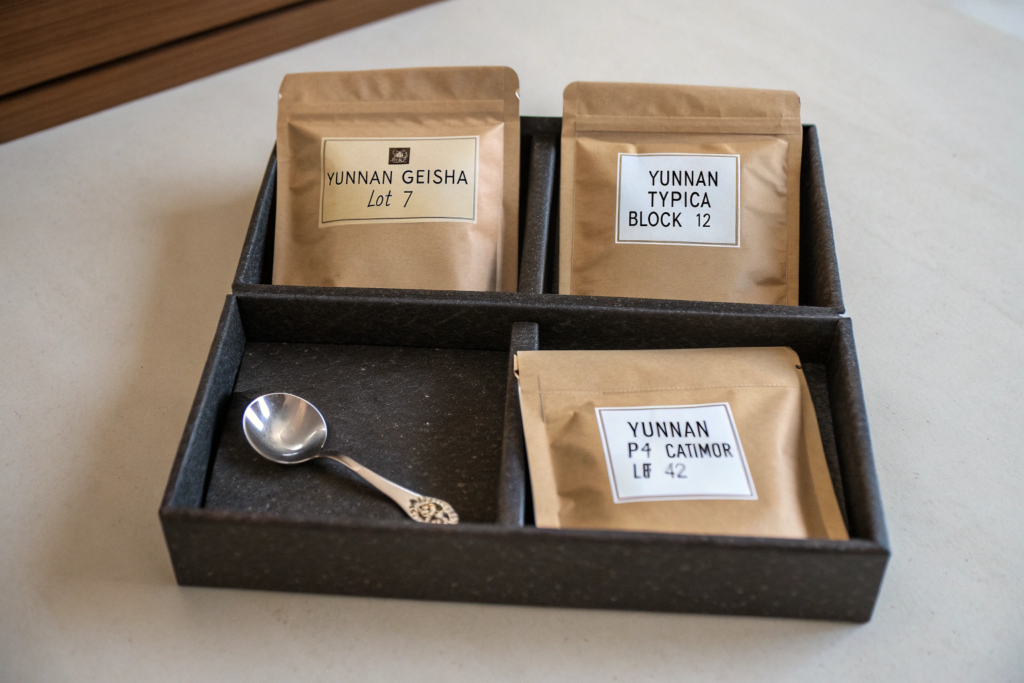
Accessing and evaluating these new Chinese varieties requires moving beyond broad Alibaba searches and engaging directly with vertically integrated farms that are cultivating them. The process involves three steps: (1) Identifying producers who publicly showcase their work with these varietals (look for detailed farm websites, social media presence, and industry articles). (2) Requesting a curated sample set specifically of their new varietal offerings. (3) Cupping the samples side-by-side with your current offerings and evaluating not just the score, but the unique character and positioning they could bring to your menu.
What Should I Ask for in a "New Varieties Sample Pack"?
Don't just ask for "samples." Be specific. Ask the supplier:
- "Can you send me a sample pack that includes your current Geisha, Typica, and any improved Catimor selections like P4?"
- "Please include the full cupping notes, the lot number, the harvest date, and the GPS coordinates or farm block information for each sample."
- "What is the FOB price and available volume for each of these lots?"
A supplier who is serious about these new varietals will have this information readily available and will be eager to share it. They understand that education is the first step to adoption. At Shanghai Fumao, we regularly assemble these "discovery packs" for our roasting partners. It's the best way to showcase the breadth of what modern Yunnan can offer.
How Should I Evaluate These New Varietals on the Cupping Table?
When you cup a new varietal, don't just compare it to your existing Yunnan Catimor. Compare it to the role it might play in your lineup.
- Cupping the Geisha: Cup it blind against a high-quality Panamanian or Colombian Geisha, if you have one. Focus on the floral intensity, the body, and the cleanliness. Evaluate it as a premium, limited-release single origin.
- Cupping the Typica/Bourbon: Cup it against a washed Central American coffee. Look for the sweetness, the balance, and the approachability. Evaluate it as an elevated "everyday" single origin or a premium blend component.
- Cupping the P4 Catimor: Cup it against your current blend base (e.g., a Brazilian or Colombian). Focus on the body, the chocolate notes, and the clean finish. Evaluate it as a potential upgrade to your core blend or as a high-value single origin.
This comparative cupping will reveal the unique value proposition of each new varietal and help you make a strategic sourcing decision.
Conclusion
The story of Chinese coffee in 2026 is no longer just about Catimor. It's a story of exciting diversification, quality elevation, and the successful adaptation of the world's most prized coffee genetics to Yunnan's unique terroir. From the jasmine elegance of Geisha to the classic sweetness of Typica and the improved performance of next-generation Catimor hybrids, Yunnan is offering roasters a richer and more compelling palette of flavors than ever before.
These new varieties represent an opportunity. An opportunity to differentiate your menu, to offer your customers a new discovery, and to partner with an origin that is on a steep upward trajectory of quality.
If you're curious to taste the future of Yunnan coffee, I invite you to request a discovery sample pack from Shanghai Fumao. Let's cup the new wave, together. My email is cathy@beanofcoffee.com.