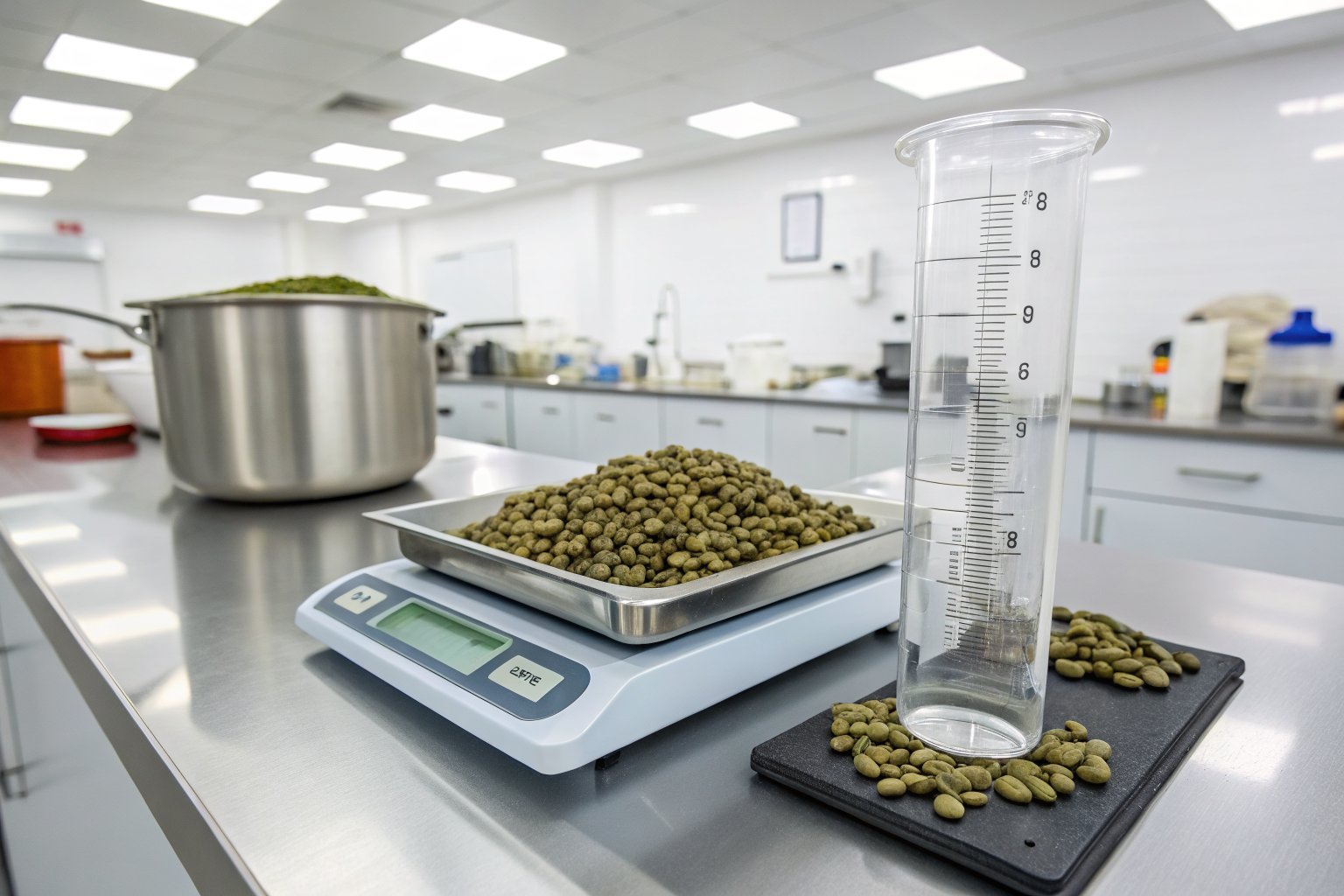
A roaster in Vancouver once told me he could predict the quality of a green coffee just by dropping a handful of beans into a glass of water. The ones that sank fast were dense and high grown. The ones that floated or sank slowly were lower density and probably lower quality. He was not wrong. Bean density is one of the most reliable physical indicators of coffee quality, and when I tell buyers that our high-grown Yunnan Arabica measures between 0.68 and 0.75 grams per cubic centimeter, they immediately understand what that means for roast behavior and cup potential. Let me walk you through the exact numbers and why they matter.
What Factors Determine the Density of an Arabica Coffee Bean?
Density is not a random property. It is determined by a combination of altitude, genetics, soil conditions, and post-harvest processing. High altitude is the dominant factor, but it interacts with everything else.
How Does Altitude Affect Green Coffee Density?
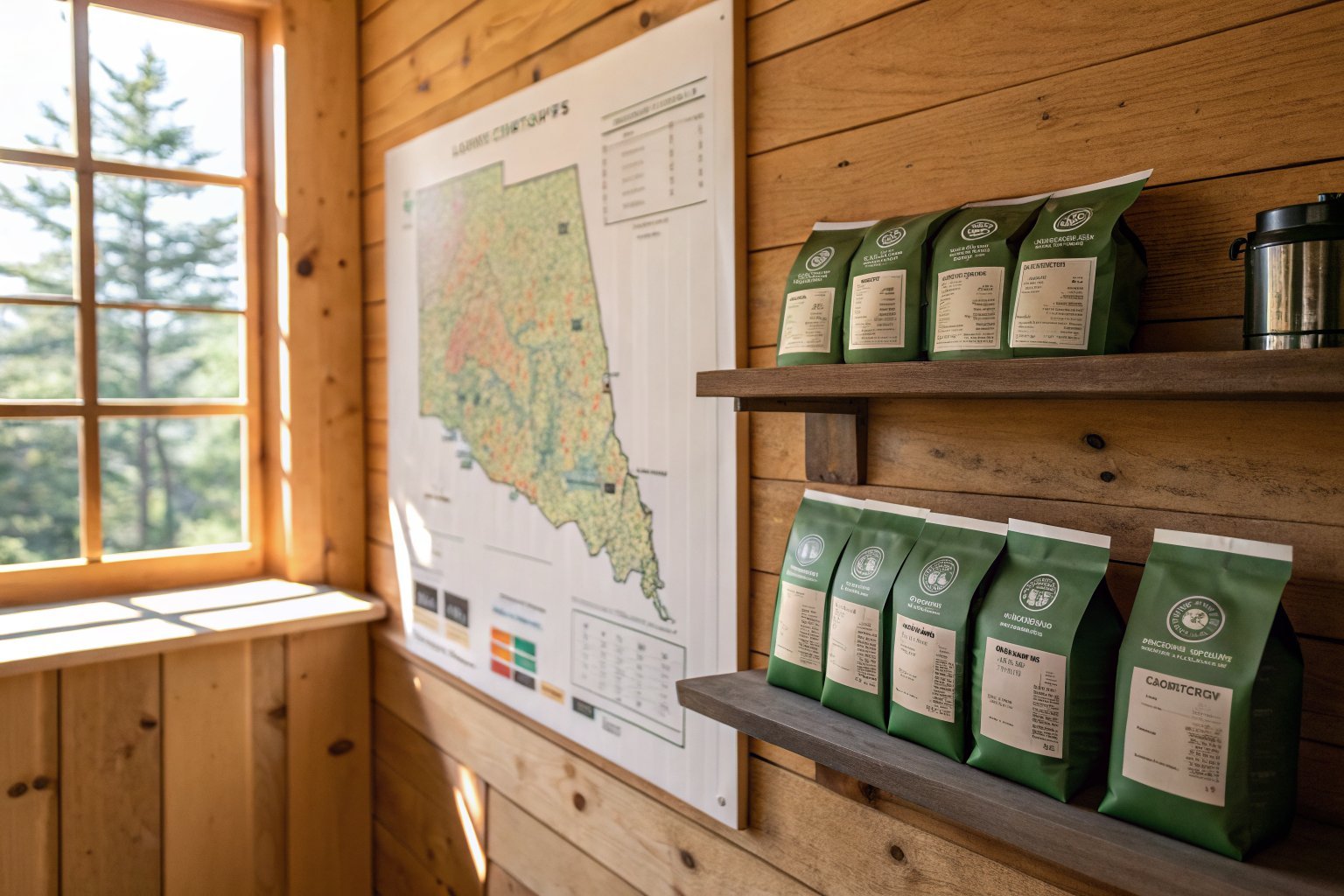
The relationship between altitude and bean density is one of the most consistent findings in coffee science. As altitude increases, the air pressure decreases and the average temperature drops. The coffee plant responds by producing slower-growing, denser cherries with more concentrated sugars and acids. For every 300 meters of elevation gain, bean density typically increases by 0.02 to 0.03 grams per cubic centimeter. The World Coffee Research altitude-density correlation study found that Arabica coffee grown above 1,200 meters has an average density of 0.70 to 0.78 grams per cubic centimeter. Coffee grown below 800 meters averages 0.58 to 0.66 grams per cubic centimeter. Our Yunnan farms at Shanghai Fumao are planted at 1,000 to 1,600 meters, which puts our beans squarely in the high-density range that specialty buyers expect.
Do Different Varieties Have Inherently Different Densities?
Yes. Typica and Bourbon varieties tend to be denser than Caturra and Catimor at the same altitude. Typica can be 5 to 8 percent denser than Catimor grown in the same field. This difference matters when you are blending for espresso — denser beans take more heat to develop and can cause uneven roasting if mixed with lower-density beans without separate roasting profiles. The Coffee Quality Institute's varietal density database shows the density ranges for common Arabica varieties grown at similar altitudes. Catimor, the primary variety grown in Yunnan, ranges from 0.65 to 0.73 grams per cubic centimeter at 1,200 to 1,500 meters. That is comparable to Caturra and slightly below Typica. The difference is measurable but does not affect the cup quality when roasted correctly — what matters more is that the beans within a lot are uniform in density, not that they hit a specific number.
How Do You Measure Green Coffee Density Accurately?
Measuring density is straightforward but requires the right equipment and technique. The two most common methods are volumetric displacement and bulk density measurement.
What Is the Volumetric Displacement Method for Density?
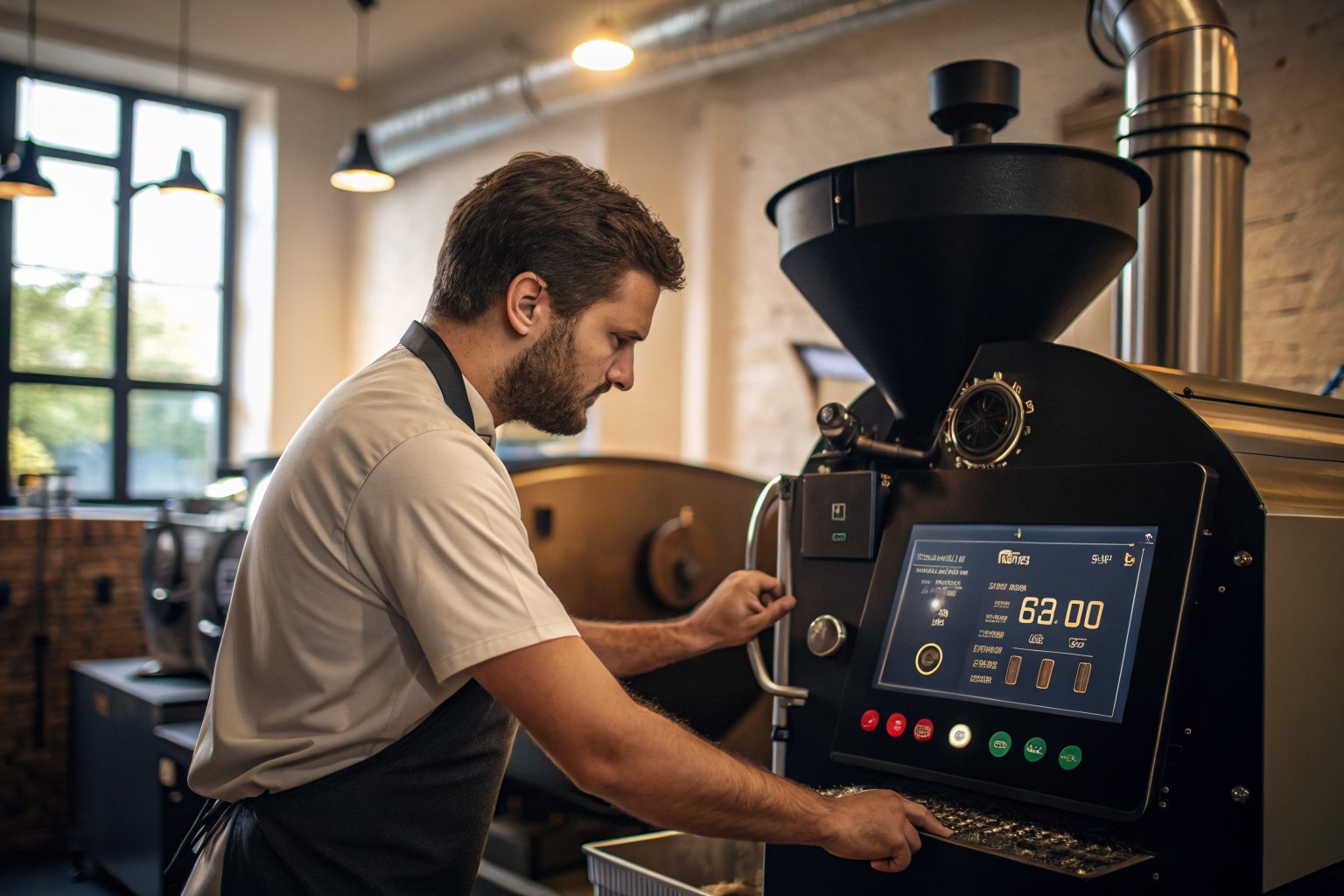
This method measures the true density of individual beans — the mass divided by the solid volume excluding air spaces. Take a sample of 50 to 100 beans, weigh them precisely, then submerge them in water in a graduated cylinder. The volume of water displaced equals the volume of the beans. Divide the mass by the displaced volume to get density in grams per cubic centimeter. The Specialty Coffee Association's physical analysis protocol specifies that the water used should be distilled and at 20 degrees Celsius. The beans should be clean, dry, and free of parchment. This method gives the true density, which is the number that correlates most strongly with roast behavior. A high-grown Chinese Arabica bean measured this way typically reads 0.68 to 0.78 grams per cubic centimeter.
What Is Bulk Density and How Does It Differ?
Bulk density is the weight of a known volume of beans including the air spaces between them. It is easier to measure — fill a one-liter container with beans, weigh it, and divide — but the result is always lower than true density. Bulk density for high-grown Arabica ranges from 0.55 to 0.65 grams per cubic centimeter, roughly 15 to 20 percent lower than true density. Bulk density is more useful for shipping and packaging calculations because it tells you how much coffee fits in a given container. True density is more useful for predicting roast behavior. Both numbers are valuable, but they answer different questions. The International Coffee Organization's measurement standards recommend reporting both values in quality documentation, and that is what we do at Shanghai Fumao — our export certificates include both true density and bulk density for every lot.
Why Does Bean Density Matter for Roasting and Flavor?
Density is the single most reliable predictor of how a coffee will roast. Dense beans conduct heat differently than low-density beans, and the difference shows up in every aspect of the roasting process.
How Does Density Affect Heat Transfer During Roasting?
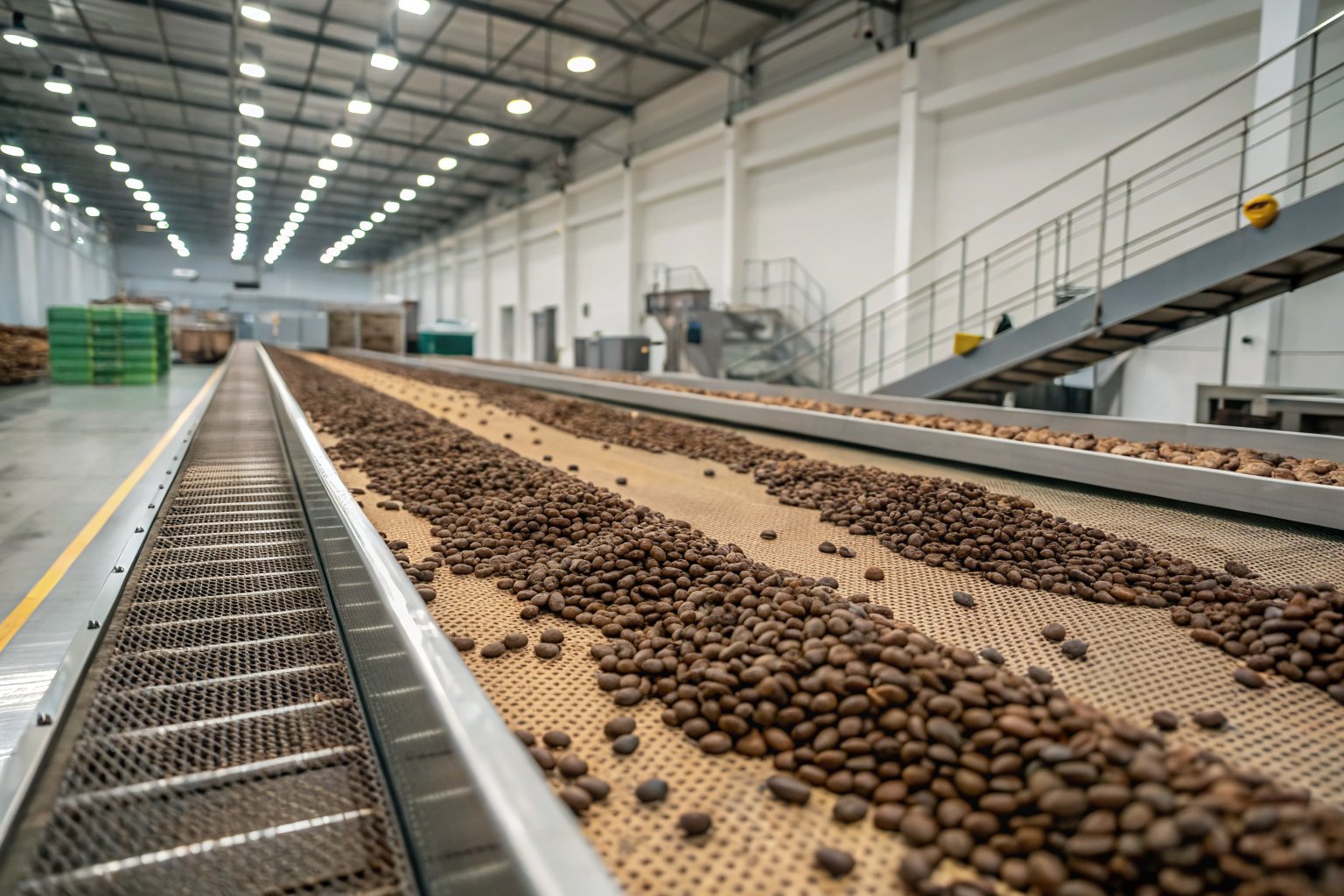
Dense beans have a higher thermal mass. They take longer to reach first crack and require more total energy input to develop fully. A dense bean at 0.72 grams per cubic centimeter might need 30 to 45 seconds longer to reach first crack than a low-density bean at 0.60 grams per cubic centimeter, given the same charge temperature and drum speed. The Roast Magazine's density-roasting correlation shows that the difference in development time between high-density and low-density beans of the same variety can be as much as 60 seconds. If you roast a blend of high and low density beans together without adjusting the profile, the low-density beans will overdevelop while the high-density beans remain underdeveloped. That is why professional roasters separate denser lots and give them their own roast profile — higher charge temperature, more energy early in the roast, and longer total time.
Does Higher Density Always Mean Better Cup Quality?
Not automatically, but the correlation is strong. Higher density beans generally have more sugar, more acid precursors, and more potential for complex flavor development. They also hold up better to darker roasts because their cellular structure is more robust. A dense bean that develops fully at a medium-dark roast will taste chocolaty and sweet. A low-density bean taken to the same roast level will taste ashy and thin. The Coffee Quality Institute's density-cupping correlation study analyzed 500 coffee samples and found that bean density was the physical property most strongly correlated with cupping score, with a correlation coefficient of 0.67. That is higher than the correlation with bean size, moisture content, or color. When you evaluate a new lot, measuring density is one of the fastest ways to estimate its quality potential before you even roast a sample.
How Can Density Help You Identify Defective or Mixed Lots?
Density is also a powerful quality control tool. Unexpected density readings can reveal problems that visual inspection alone would miss.
What Density Variations Indicate a Mixed or Adulterated Lot?
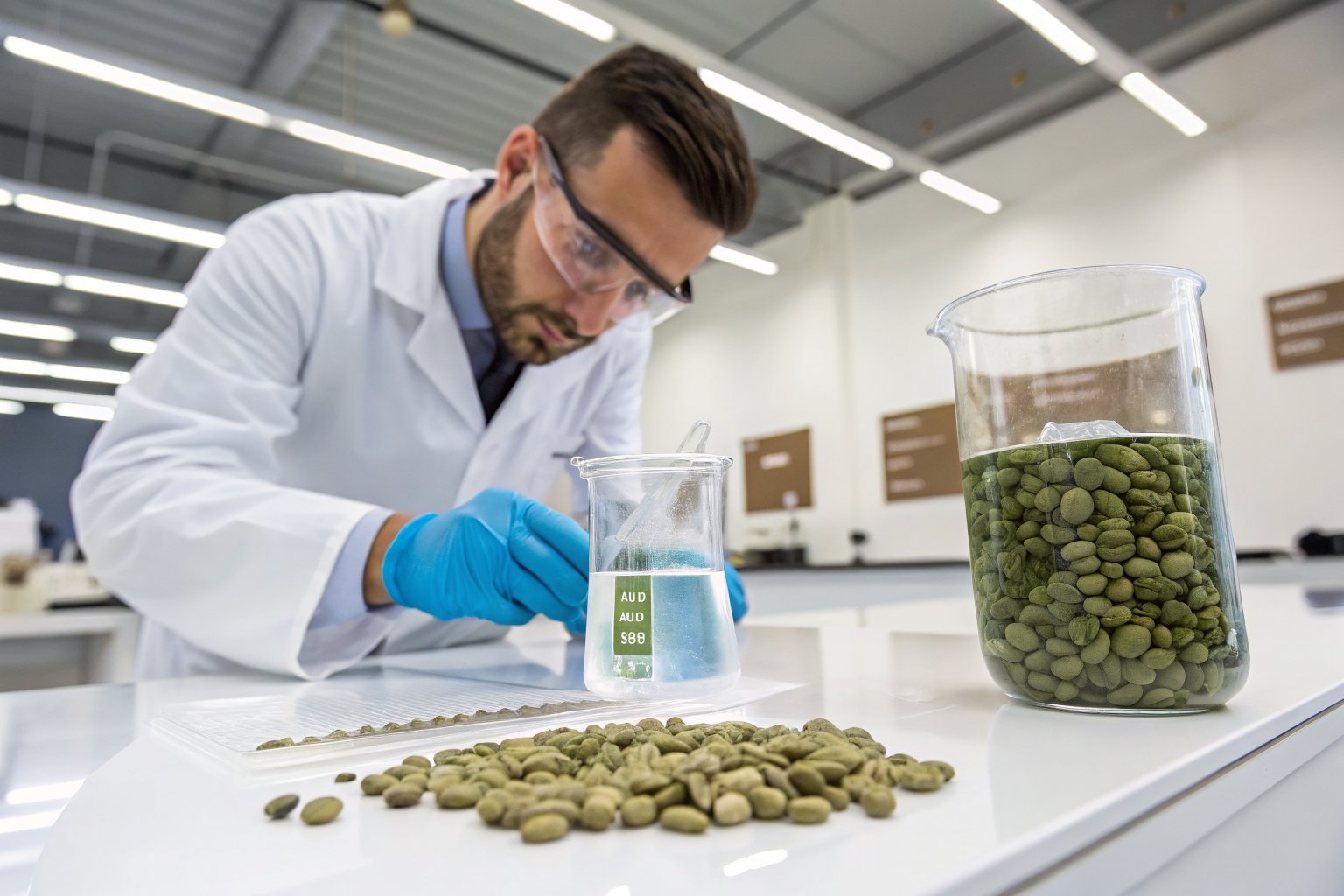
A well-sorted coffee lot should have a density range of no more than 0.05 grams per cubic centimeter between the lightest and heaviest beans in a sample. If you measure a range of 0.08 or more, the lot is likely a blend of beans from different altitudes, varieties, or processing methods. Some suppliers mix lower-altitude beans with higher-altitude beans to fill a container, and density measurement is the fastest way to catch it. The Green Coffee Association's purity testing protocols specify that a density variation of more than 0.07 grams per cubic centimeter within a single lot justifies additional investigation. I personally advise buyers to screen every new supplier's first shipment with a density test. I have seen suppliers claim 100 percent high-grown coffee when the density profile showed a bimodal distribution — clusters at 0.64 and 0.72 — proving the lot contained beans from two different altitude zones.
How Does Density Relate to Common Defects Like Sour Beans and Blacks?
Black beans, sour beans, and insect-damaged beans all have lower density than healthy beans. A black bean is typically 0.20 to 0.30 grams per cubic centimeter lighter than a healthy bean from the same lot. This difference is the basis for density sorting equipment like gravity tables, which separate defective beans from healthy ones based on weight. The Specialty Coffee Association's defect identification guide notes that a simple float test — dropping a sample of beans into water — will separate many defective beans in seconds. Healthy dense beans sink. Defective beans float. The float percentage is a quick, low-tech proxy for density uniformity. If more than 5 percent of beans float in a sample labeled as high-grown, you have a quality problem that deserves a closer look.
Conclusion
The exact density of a high-grown Chinese Arabica bean ranges from 0.68 to 0.78 grams per cubic centimeter for true density and 0.55 to 0.65 for bulk density. Altitude is the primary driver, with variety and processing playing secondary roles. Density determines how a bean roasts — its heat transfer rate, development time, and flavor potential. It is also a powerful screening tool for detecting mixed lots, defective beans, and supplier quality claims that do not match reality. At BeanofCoffee, we measure and report density on every export lot. If you want beans that roast predictably and cup consistently, density is the number to check. Contact Person: Cathy Cai Email: cathy@beanofcoffee.com