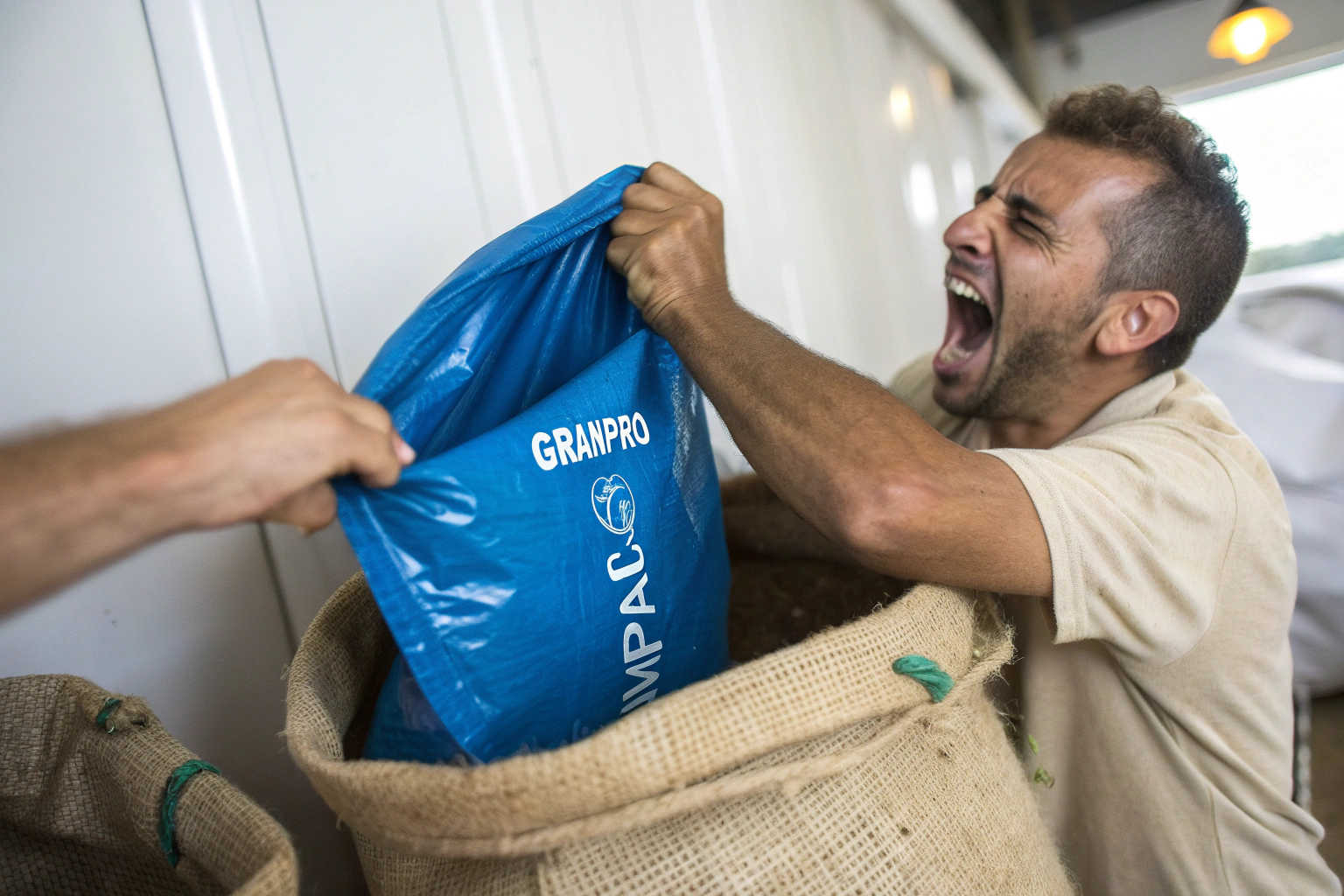
I once had a client in Melbourne who was a die-hard traditionalist. He insisted his coffee be shipped in "just jute, like the old days." He did not want to pay the small premium for the GrainPro liner. I tried to explain the risks. He was adamant. So, we shipped his container of beautiful Yunnan Arabica in plain jute bags. It left Shanghai in perfect condition. It arrived in Melbourne six weeks later. When he opened the container, the smell hit him. Musty, damp, and stale. The coffee had absorbed moisture from the ocean air. It was a total loss. He never questioned the GrainPro liner again. The pain of losing a container of coffee to something as simple as humidity is a lesson you only need to learn once.
Coffee roasters prefer GrainPro bags for shipments from Asia because the long ocean transit times and extreme temperature and humidity fluctuations create a high risk of moisture damage, mold growth, and flavor staling, and GrainPro's hermetic barrier technology is the only proven, cost-effective solution to lock in the coffee's original moisture content and protect its delicate sensory profile throughout the journey.
This is not a marketing gimmick. It is the single most important packaging innovation in the history of green coffee logistics. Let me explain the science and the economics that make it non-negotiable for any serious coffee buyer importing from distant origins like Yunnan.
What Makes GrainPro Technology Different from Standard Jute or Plastic Bags?
Standard jute is an agricultural fiber. It breathes. It absorbs water. It offers zero protection against vapor or gas exchange. A standard plastic bag (like a simple polyethylene bag) is a better moisture barrier than jute, but it is still relatively permeable to oxygen over long periods. GrainPro is in a different league.
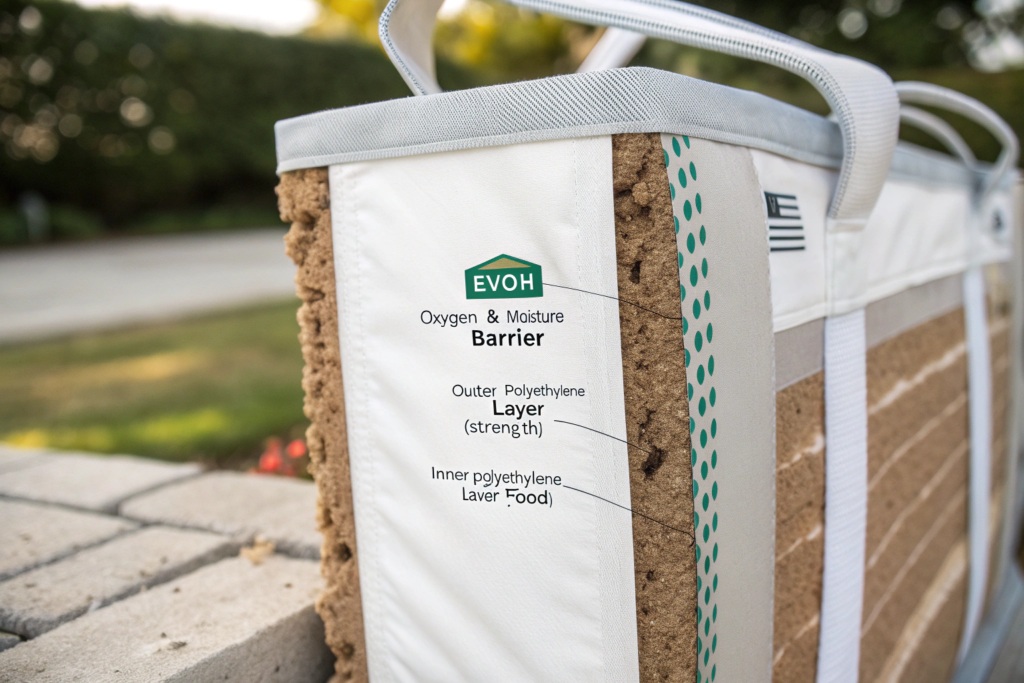
GrainPro technology differs from standard jute or simple plastic bags through its multi-layer, co-extruded film structure that incorporates a central layer of Ethylene Vinyl Alcohol (EVOH), a material with exceptional barrier properties against both moisture vapor transmission and oxygen ingress, effectively creating a sealed, modified-atmosphere microclimate around the green coffee beans.
This is materials science applied to coffee preservation. It is the difference between a screen door and a bank vault.
How Does the EVOH Layer Create a Modified Atmosphere Inside the Bag?
This is the key scientific principle. EVOH (Ethylene Vinyl Alcohol) is a plastic copolymer that is uniquely impermeable to gases, especially oxygen and carbon dioxide, when dry. It is the same material used in many high-barrier food packages.
The Process Inside the Sealed GrainPro Bag:
- Initial State: The bag is filled with green coffee at the optimal moisture content (10.5-11.5%). It is heat-sealed, trapping ambient air (about 21% oxygen) inside.
- Bean Respiration: The green coffee beans are still living seeds. They respire. They slowly absorb the trapped oxygen (O2) and release carbon dioxide (CO2) .
- The EVOH Barrier: The EVOH layer prevents any new oxygen from entering the bag from the outside atmosphere. It also prevents the generated CO2 from escaping.
- The Modified Atmosphere: Over a period of days, the internal atmosphere of the bag is transformed. Oxygen levels drop to less than 5% , and CO2 levels rise.
The Benefits of This Modified Atmosphere:
- Mold Suppression: Most molds require oxygen to grow. The low-oxygen environment naturally inhibits mold spore germination.
- Insect Control: Any insect eggs or larvae present in the coffee will either die or remain dormant in the low-oxygen, high-CO2 environment.
- Slowed Staling: Oxidation of the coffee's lipids is a primary cause of flavor staling (cardboard notes). The lack of oxygen dramatically slows this chemical reaction.
This is why coffee stored in a properly sealed GrainPro bag can taste remarkably fresh even 12-18 months after harvest. The aging process is put on pause. You can learn more about the science of hermetic storage on the GrainPro website. The World Coffee Research also has studies on the impact of hermetic storage on sensory shelf life.
Why Does GrainPro Prevent the "Baggy" or "Jute" Flavor Defect?
The "baggy" or "jute" flavor is a specific sensory defect. It tastes like the coffee has absorbed the odor of a damp burlap sack. It is dusty, woody, and stale. It is a major quality downgrade.
The Cause of Baggy Flavor:
- Moisture Absorption: Coffee beans in a standard jute bag absorb moisture from humid air. This increases their water activity (aw). As aw rises above 0.60, dormant mold spores on the surface of the bean can become active. They begin to metabolize the oils in the bean, producing volatile compounds that smell and taste like a moldy basement or old books.
- Odor Absorption: Jute itself has a strong, characteristic odor. Coffee beans are like sponges for volatile organic compounds. In the confined space of a shipping container, the beans can absorb the jute odor, especially if the jute gets damp.
How GrainPro Prevents This:
- Moisture Barrier: The GrainPro liner is an impermeable barrier to water vapor. The coffee's moisture content and water activity remain stable at the optimal, low level they had when they left the dry mill. The dormant mold spores never get the moisture they need to wake up and produce off-flavors.
- Odor Barrier: The liner is also an excellent barrier to external odors. The coffee is sealed in its own clean environment. It does not absorb the smell of the jute outer bag or any other odors in the container.
The result is a coffee that arrives tasting clean, sweet, and true to its origin, not like the ship it traveled on. At Shanghai Fumao, the GrainPro liner is standard on every single export bag—whether it's a container of our Grade 1 Arabica or a small lot of our Natural Process coffee. It is our guarantee of freshness.
How Do GrainPro Bags Mitigate the Specific Risks of Long Ocean Crossings?
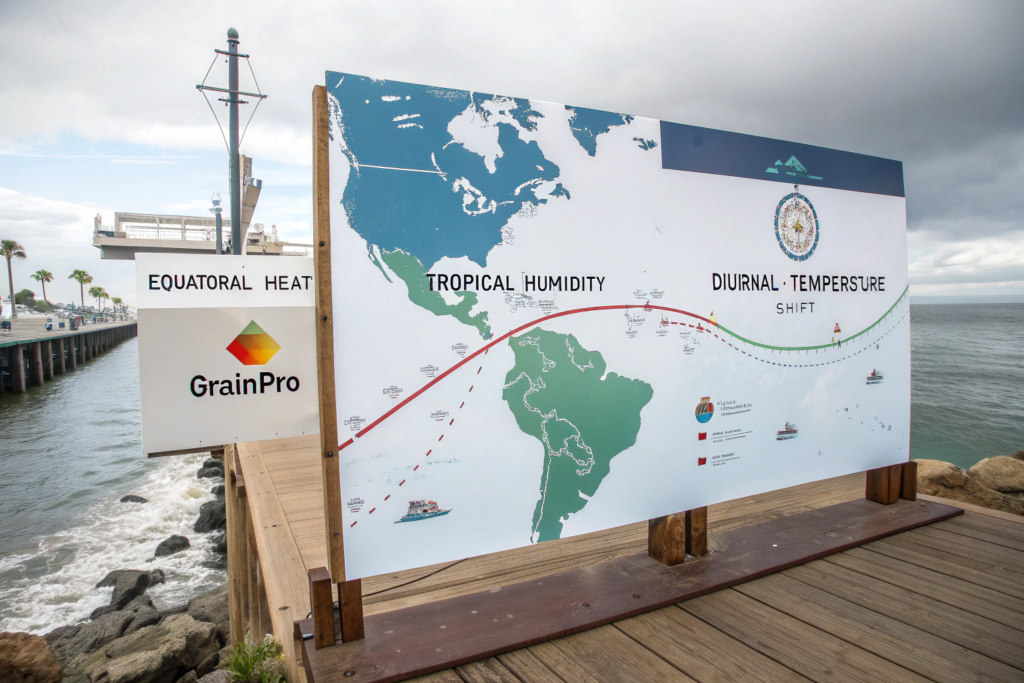
The journey from Shanghai to a U.S. West Coast port takes 14-18 days. During that time, the container will experience a brutal range of environmental conditions. It will cross the hot, humid equator. It will travel through cold northern Pacific waters. The coffee inside is under constant assault.
GrainPro bags mitigate the specific risks of long ocean crossings by creating a stable, isolated microclimate for the coffee that is unaffected by the external temperature swings, humidity spikes, and potential condensation events inside the shipping container, thereby preventing the moisture migration and mold growth that plague shipments in traditional jute packaging.
The container is a harsh environment. The GrainPro bag is a safe room inside it.
What Happens to Coffee in Jute During a Pacific Crossing?
Let's walk through the nightmare scenario for a shipment of coffee in plain jute bags.
- Day 1-3 (Shanghai Coast): Warm, humid air (30°C, 80% RH). The jute bags absorb this moisture. The coffee beans begin to absorb moisture from the damp jute.
- Day 4-10 (Tropical Pacific): The container heats up like an oven under the equatorial sun. Internal temperatures can exceed 40°C (104°F). The warm, damp coffee beans inside the jute bags are now in a perfect incubator for mold. If the water activity of the beans has crept above 0.65, mold growth can begin within days.
- Day 11-14 (North Pacific): The container enters colder waters. The metal walls of the container cool rapidly. The warm, humid air inside the container hits the cold metal ceiling and condenses. Water drips down onto the top layer of coffee bags. This "container sweat" soaks the jute and further wets the coffee, accelerating mold and creating the "baggy" flavor defect.
By the time the container reaches Los Angeles, the coffee in those jute bags has been through a moisture and temperature cycle that has likely degraded its quality, even if no visible mold is present. The vibrant origin character has faded. The shelf life has been drastically shortened.
This is not a hypothetical. It is the reality of ocean freight. It is why the small cost of a GrainPro liner is a fraction of the potential financial loss from a damaged or degraded container of coffee. For more on container climate, resources from the World Shipping Council discuss the challenges of cargo care.
How Does GrainPro Protect Against the "Chimney Effect" in Containerized Freight?
The "Chimney Effect" is a lesser-known but significant risk. It refers to the natural convection currents of air that form inside a shipping container as it heats up and cools down.
- Daytime: The sun heats the container roof. The air at the top becomes warmer and rises. Cooler air sinks along the walls and floor. This creates a slow but constant circulation of air.
- Moisture Transport: This circulating air carries moisture. If there is a source of moisture (e.g., damp jute bags, a small leak), the air current will distribute that moisture throughout the container. It will carry the humidity to the coffee bags, even those not directly exposed to the source.
A GrainPro bag short-circuits the Chimney Effect. Because the coffee is sealed inside an impermeable barrier, the circulating air in the container cannot interact with the coffee's moisture content. The coffee's microclimate is isolated. The air can circulate all it wants; it cannot pull moisture out of the beans or deposit moisture onto them.
This is a subtle but important layer of protection. It ensures that even if a small moisture issue develops in one corner of the container, it does not contaminate the entire shipment.
What Is the Economic Argument for Using GrainPro Bags from Asia?
You are a business owner, Ron. You care about the bottom line. You might look at the GrainPro liner as an added cost. I look at it as an insurance policy with an incredibly high return on investment.
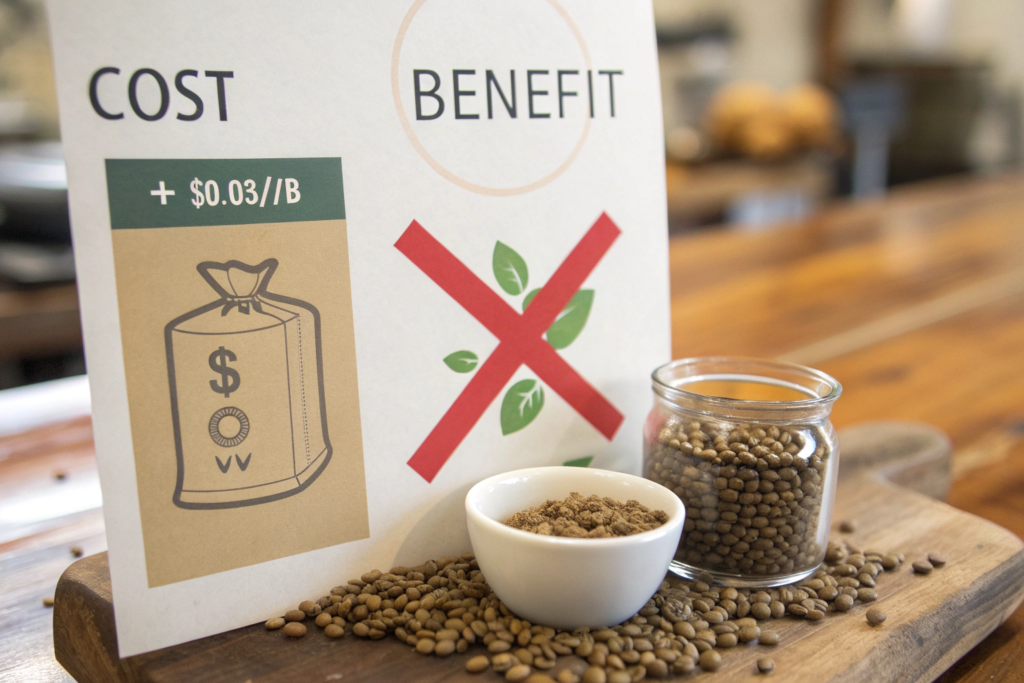
The economic argument for using GrainPro bags from Asia is that the small per-pound premium (typically $0.03 - $0.05) is dwarfed by the financial risk of losing an entire container of coffee (valued at $40,000 - $80,000+) to moisture damage, mold, or quality rejection, not to mention the hidden costs of lost customer trust, brand damage, and the operational disruption of replacing the lost inventory.
This is a classic case of being "penny wise and pound foolish." The savings from skipping the liner are illusory. The potential cost of the damage is real and catastrophic.
What Is the Per-Pound Cost of a GrainPro Liner vs. Potential Losses?
Let's put real numbers on the table. These are approximate figures based on current market costs.
The Cost of Protection:
- GrainPro TranSafeliner (60kg bag): ~$2.50 - $3.00 per liner.
- Cost per Pound: $3.00 / 132 lbs = $0.023 per pound.
Let's round up to $0.03 per pound for simplicity.
The Cost of a Single Damaged Container:
- Value of Coffee (1 container, 42,000 lbs @ $3.00/lb): $126,000 (Landed cost can be even higher).
- Cost of Replacing the Coffee (Spot Market): Potentially higher than the original contract price.
- Port Demurrage & Detention Fees (if held for inspection): $2,000 - $5,000+.
- Lost Production & Sales: Your roastery is idle. You cannot fill orders. You lose wholesale accounts.
- Brand Damage: You sell a bad batch of coffee. Customers complain. You lose their trust.
The ROI of the GrainPro Liner:
You are spending $0.03 per pound to protect a $3.00+ per pound asset. That is a 1% insurance premium. If the liner prevents just one quality issue over the course of several containers, it has paid for itself many times over.
This is a simple business decision. The math is overwhelmingly in favor of the liner. At Shanghai Fumao, we include the GrainPro liner as standard in our FOB pricing because we believe it is essential to delivering on our quality promise. It is not an optional extra. Our Pricing & Contracts page reflects this commitment to quality packaging.
How Does Using GrainPro Affect Your Green Coffee Insurance Premiums?
This is a question many roasters do not think to ask. Your marine cargo insurance policy covers physical loss or damage to the coffee during transit. Insurers are in the business of assessing risk. They know that coffee shipped in plain jute is a much higher risk than coffee shipped in hermetic GrainPro bags.
The Insurance Angle:
- Lower Risk Profile: By specifying "Shipped in GrainPro hermetic liners" in your contract and providing this information to your insurance broker, you are demonstrating that you are taking proactive steps to mitigate a known risk (moisture damage).
- Potential for Lower Premiums: Some insurers may offer slightly lower premium rates for coffee shipments that are packed in hermetic liners. The savings might be small (e.g., 0.05% of the insured value), but it further offsets the cost of the bags.
- Stronger Claim Position: If you do have a claim, the fact that the coffee was in a GrainPro bag can strengthen your position. It shows you exercised reasonable care to protect the cargo. If damage still occurred, it points more strongly to a catastrophic event (like a container falling overboard or a major roof leak) rather than gradual moisture degradation, which can be a point of contention with insurers.
You should absolutely inform your insurance broker that your coffee is shipped in GrainPro. Provide them with the specification. It is a mark of a professional, risk-aware importer. For more on marine cargo insurance, resources from the International Risk Management Institute can be helpful.
Conclusion
Coffee roasters prefer GrainPro bags for shipments from Asia because the technology provides an essential, scientifically proven defense against the relentless environmental stresses of long-haul ocean freight. The multi-layer EVOH barrier creates a stable, protective microclimate that locks in the coffee's original moisture, prevents mold and staling, and ensures the coffee arrives tasting as the farmer and the roaster intended.
In a business where margins are tight and quality is paramount, the small cost of a GrainPro liner is one of the wisest investments a roaster can make. It is an insurance policy for your green coffee investment and a guardian of your brand's reputation.
At Shanghai Fumao, our commitment to delivering exceptional Yunnan coffee extends to every detail of our export process. The GrainPro liner is a non-negotiable part of our standard. We will not ship your coffee without it.
If you would like to see a sample of our packaging or have any questions about our shipping protocols, we are happy to provide more information. Email Cathy Cai. She can send you photos and specifications of our standard export packaging. Contact Cathy at: cathy@beanofcoffee.com