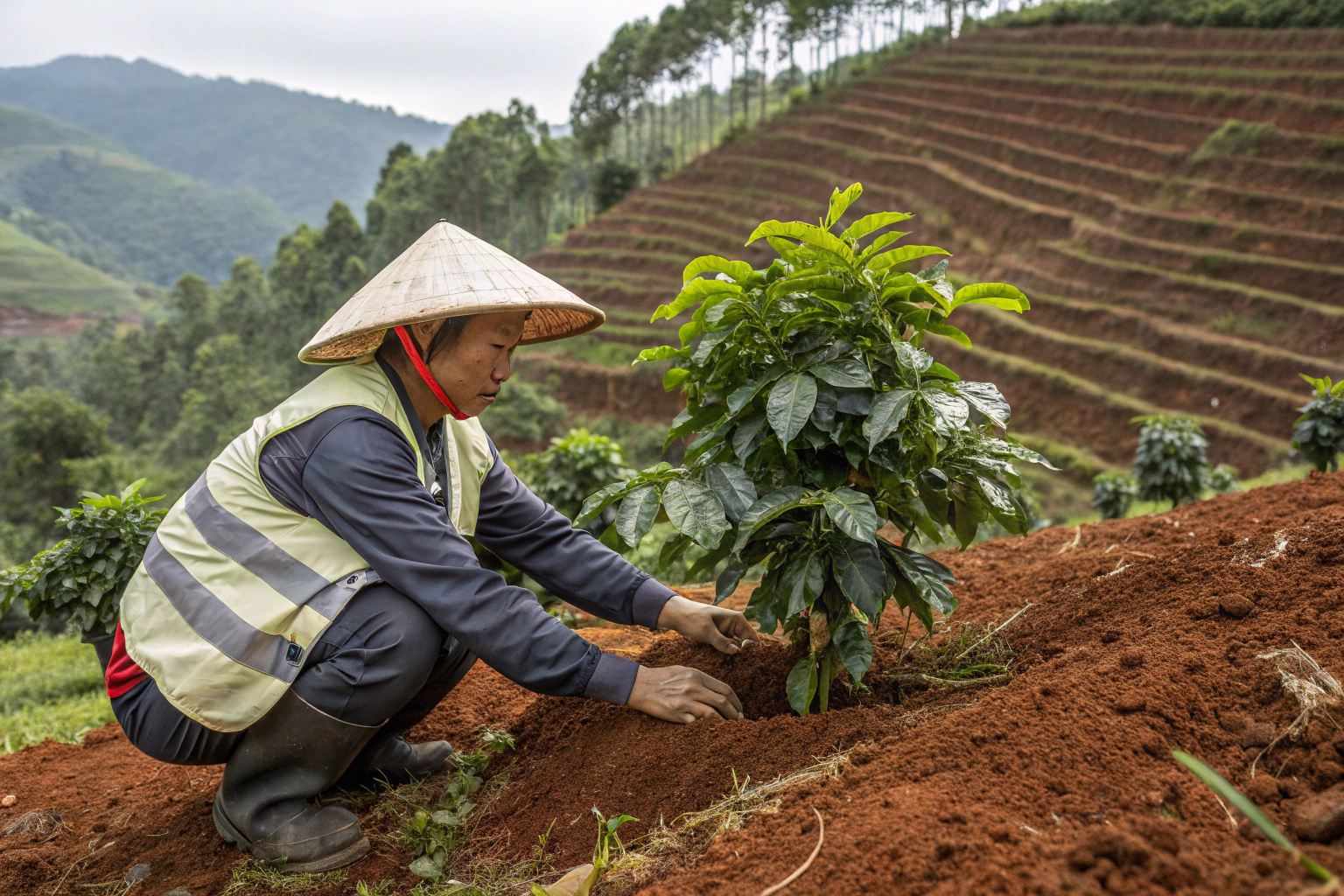
You're building your coffee menu. You have a column for "Flavor Notes" and a column for "Price." But there's a third column that's becoming just as important: "Values." Your customers are asking. They want to know the coffee they're drinking is good for the planet and good for the people who grew it. You see "organic" on some offer sheets from Yunnan, but the image of modern China is often one of heavy industry and intensive agriculture. It creates a tension in your mind. You're asking the direct, honest question: Is "organic farming" in China a real, verifiable thing? Or is it just a marketing label I should be deeply skeptical of?
Yes, organic farming is a significant and verifiable reality on leading Chinese coffee plantations, but it exists on a spectrum. The industry is not a monolith. On one end, you have certified organic estates that adhere to rigorous, internationally audited standards like USDA NOP and EU Organic. On the other, you have a vast number of farms practicing "de facto" or "traditional" organic methods—using little to no synthetic chemicals—but lacking the formal, third-party certification required for export labeling. The key for a buyer is to understand this distinction and to demand verifiable proof—the certificate number and a public database listing—for any coffee making a certified organic claim.
At Shanghai Fumao, we manage both certified organic plots and large areas of conventionally grown coffee using many organic principles. Let me give you an unvarnished look at the landscape of organic farming in Yunnan, so you can ask the right questions and find the coffee that truly aligns with your values.
What Is the Difference Between "Certified Organic" and "Grown Organically" in Yunnan?
This is the single most important concept to grasp. It's the difference between a nice story and a legally defensible, marketable claim. Confusing the two is a common and costly mistake for coffee buyers.
"Grown Organically" describes a set of farming practices. Many Yunnan coffee farmers, especially on steep, remote plots or those with long family traditions, use few or no synthetic fertilizers or pesticides. They rely on composted coffee pulp, animal manure, and manual weeding. This is often driven by simple economics (chemicals are expensive) and tradition. The coffee is grown in a way that aligns with organic principles.
"Certified Organic" is a legal status. It means an independent, accredited third-party organization (like ECOCERT or CERES) has conducted a rigorous annual audit of the farm. They have verified the practices, tested the soil and/or beans, and confirmed full compliance with a specific, legally defined organic standard (e.g., USDA National Organic Program). This status is documented with a unique certificate number and is verifiable in a public database. Only this coffee can be legally imported and sold as "Organic" in regulated markets.
So, what does this mean for you? It means you cannot take a supplier's word for it. You must demand the verifiable proof.
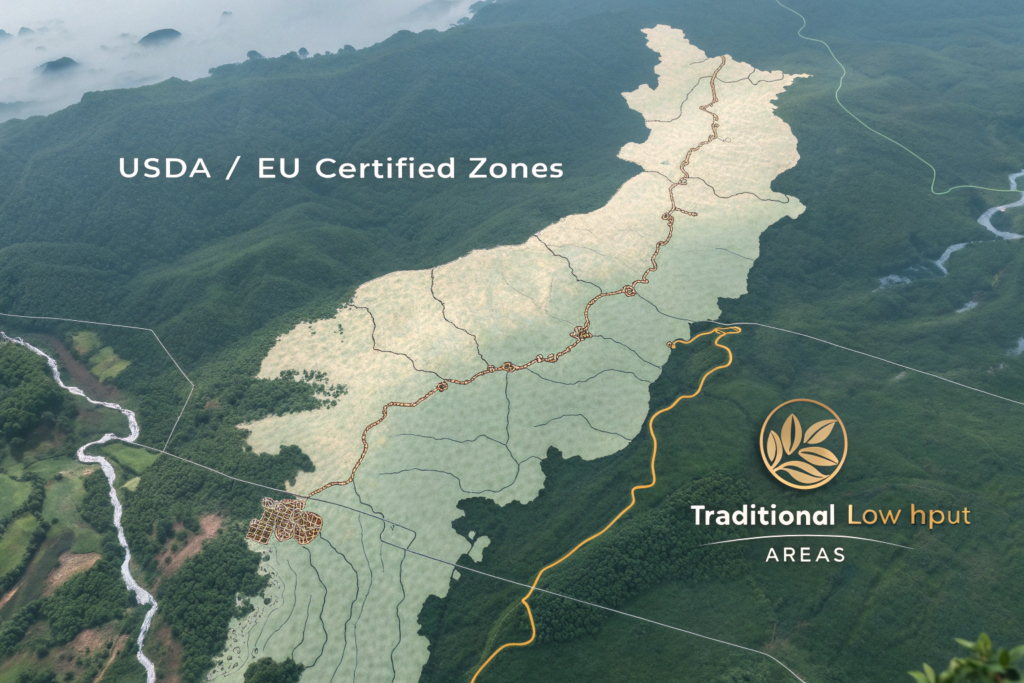
Can I Label "De Facto" Organic Coffee as "Organic" in My Market?
No. This is a hard, non-negotiable legal line. In the United States, the European Union, Japan, and most developed markets, the word "Organic" (and its associated seals) on a food product label is a legally protected term.
If you are importing green coffee into the U.S., you cannot label it as "USDA Organic" or even use descriptive phrases like "organically grown" or "grown without chemicals" on your retail bag unless the coffee is covered by a valid, current USDA NOP certificate from an accredited certifier. Customs authorities can and do detain shipments that make unsubstantiated organic claims. You risk fines, shipment delays, loss of product, and severe damage to your brand's credibility. The fact that the coffee was grown with lovely, sustainable practices is not a legal defense. You need the paper trail. You can review the specific labeling requirements and legal definitions on the official USDA Organic Labeling page.
Why Don't All Yunnan Farmers Get Certified If They Already Use Organic Methods?
This is a question of economics and infrastructure. Certification is not free. It involves significant costs and bureaucratic hurdles that are often insurmountable for smallholders.
The annual audit fees, the detailed record-keeping requirements, the cost of establishing buffer zones between organic and conventional plots, and the need for dedicated storage and processing facilities all add up. For a smallholder farmer with one hectare who sells their coffee to a local middleman for a blended commodity price, there is absolutely zero financial incentive to get certified. The small premium they might receive would not cover the cost and the hassle. Certification is primarily pursued by larger, export-oriented estates and well-organized cooperatives that have a direct line to the international market and can capture the full organic premium. This is why the availability of certified organic coffee from Yunnan is concentrated among a smaller number of professional producers like Shanghai Fumao . We made the investment because our clients demand it and are willing to pay the premium that makes it viable.
How Prevalent Are Internationally Recognized Organic Certifications in Yunnan?
It's important to have realistic expectations. If you send out a mass email to 50 Yunnan suppliers asking for "Certified Organic Yunnan Coffee," you will get a flood of confusing and often misleading responses. Some will offer you conventional coffee with a vague, feel-good story. Some will send you a Photoshopped certificate. Only a small fraction will offer you the real thing.
Internationally recognized organic certifications like USDA NOP and EU Organic are a reality in Yunnan, but they are held by a relatively small, elite group of export-focused farms and cooperatives. The total volume of certified organic Yunnan coffee is limited compared to the vast output of high-quality conventional and "de facto" organic coffee. This relative scarcity means that genuine certified organic Yunnan coffee commands a premium and requires a direct relationship with the certified producer or their authorized export partner.
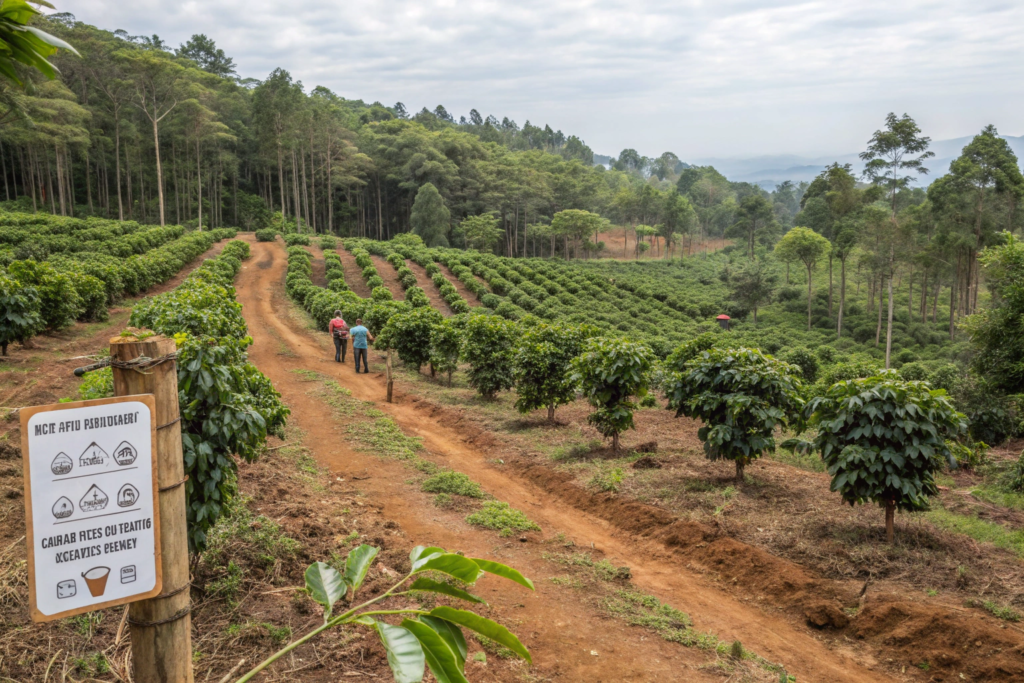
Is USDA NOP Certification Common in Yunnan?
It is the most common and relevant international certification for Yunnan coffee destined for the North American market. Several of the major estates and a few well-organized cooperatives have invested in achieving and maintaining USDA NOP certification.
Because the U.S. is a primary export market for specialty Yunnan coffee, there is a clear and direct economic driver for top-tier producers to meet this standard. You can verify this for yourself. Go to the USDA Organic Integrity Database , search for "China," and filter by product "Coffee." The list is not long, but every entry on that list is a real, verified, and currently certified operation. This database is the ultimate source of truth. If a supplier claims USDA certification but does not appear in this database, their claim is false, regardless of what their PDF says.
What About EU Organic and JAS Organic Certifications?
The landscape is similar. EU Organic certification is also present in Yunnan, driven by demand from European specialty roasters. The EU standard is equally rigorous and requires annual audits by an EU-accredited certifier.
The Japanese Agricultural Standard (JAS) Organic certification is also held by some producers who export to the Japanese market. The critical point for you, the buyer, is to specify which certification you need. Do not accept a vague claim of "organic." Ask: "Are you certified organic under USDA NOP? Please provide your certificate number." A professional, certified operation will provide this information immediately. At Shanghai Fumao , our certified plots are audited to both USDA NOP and EU Organic standards, allowing us to serve clients in both major markets transparently.
What Does "Organic" Actually Mean for Farming Practices on a Yunnan Estate?
Beyond the certificate and the logo, what does organic farming actually look like on the ground in a place like our estate in Baoshan? It's a daily commitment to a specific set of practices that build soil health and protect the ecosystem.
On a certified organic Yunnan estate like Shanghai Fumao, "organic" means a systematic replacement of synthetic inputs with ecological processes. It means: (1) Soil Fertility is managed through the composting of coffee pulp and animal manures, and the planting of cover crops, not with synthetic NPK fertilizer. (2) Weed Control is achieved through manual labor and strategic ground cover, not with chemical herbicides. (3) Pest and Disease Management relies on an Integrated Pest Management (IPM) approach using biological controls, resistant varietals, and meticulous farm hygiene, with synthetic pesticides strictly prohibited. (4) Buffer Zones of native vegetation are maintained to protect organic plots from any potential contamination from neighboring conventional farms.
This is a more labor-intensive and knowledge-intensive way to farm. It requires a skilled and dedicated workforce.
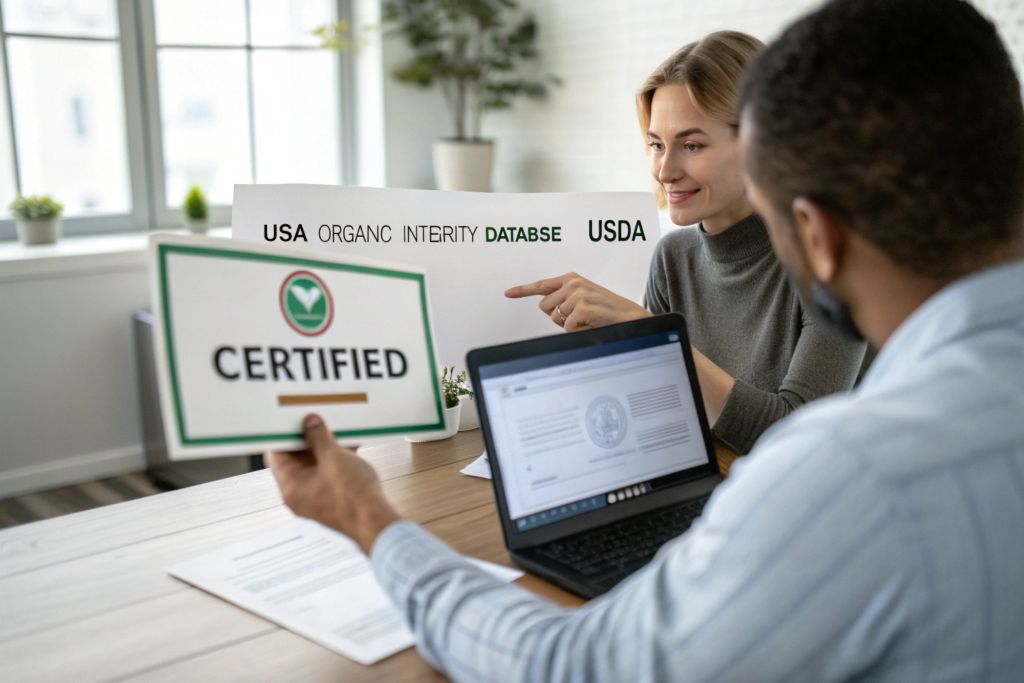
How Is Coffee Pulp Composted and Used as a Natural Fertilizer?
This is one of the most beautiful and sustainable closed-loop systems on our farm. The coffee pulp—the skin and fruit removed during processing—was once considered a problematic waste product. Now, it's a cornerstone of our soil fertility program.
We collect the pulp from our wet mills and mix it with animal manure and other organic matter in long, managed windrows. We monitor the temperature and turn the piles regularly to ensure proper aerobic decomposition. Over several months, this mix transforms into a dark, rich, nutrient-dense compost. This compost is then applied back to our coffee fields, both certified organic and conventional. This practice feeds the soil microbiome, improves soil structure and water retention, and dramatically reduces our need for off-farm fertilizers. It's a perfect example of industrial ecology in action. It's a practice we apply across much of our farm, demonstrating that sustainability isn't just for certified plots.
What Is Integrated Pest Management (IPM) and How Does It Work?
IPM is a smart, ecological approach to dealing with pests and diseases. It's the opposite of the old "calendar spray" method. The goal is not to eradicate all insects, but to manage pest populations below a level that causes economic damage, using the least toxic methods possible.
Our IPM strategy on our certified organic plots involves:
- Prevention: Planting rust-resistant varietals like Catimor. Maintaining healthy soil and trees.
- Monitoring: Our field scouts regularly walk the farm, using digital apps to record pest and disease levels.
- Biological Controls: Encouraging natural predators of the coffee berry borer. Using approved biological sprays like Beauveria bassiana, a beneficial fungus that attacks the borer.
- Targeted Intervention: Only if a pest population exceeds a specific economic threshold do we intervene, and then we use only approved, low-toxicity organic inputs.
This approach is more complex than just spraying a chemical, but it protects the long-term health of our farm ecosystem and ensures a clean, residue-free coffee bean. You can learn more about sustainable pest management in coffee from the resources provided by the Food and Agriculture Organization (FAO) .
How Can a Buyer Verify an Organic Claim from a Yunnan Supplier?
This is the most important section for you, the buyer. You must move from "trust" to "verify." The tools are free, public, and powerful. Not using them is a choice to accept unnecessary risk.
Verifying a Yunnan supplier's organic claim is a three-step, non-negotiable process: (1) Demand the official certificate from an accredited certifier. (2) Locate the unique certificate number and the operator name. (3) Independently verify that information in the official, public-facing database for that specific standard (e.g., USDA Organic Integrity Database for USDA NOP). A legitimate claim will be verifiable in this public system. A claim that cannot be verified is, for all practical business purposes, false.
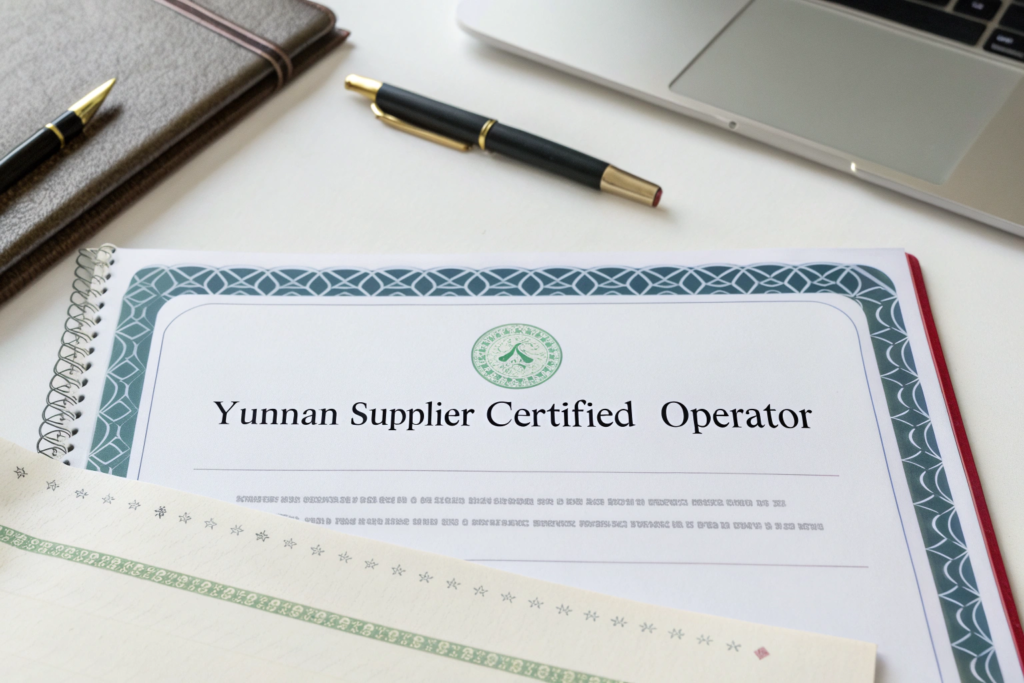
What Is the Step-by-Step Process for Verifying a USDA Organic Claim?
This is your exact protocol. Follow it every time.
- Request the Certificate: Ask the supplier to email you a copy of their current USDA NOP Organic Certificate.
- Find the Key Data: On the certificate, locate the exact Legal Operator Name and the Certificate Number.
- Access the Database: Open a new browser tab and go to the official USDA Organic Integrity Database .
- Perform the Search: Enter the exact Operator Name in the "Operation Name" field. Select "China" from the "Country" dropdown menu. Click "Search."
- Verify the Result: The search must return a record for that exact company. Click on the record. The status must be "Certified." The "Certified Products" list must include "Coffee" (or "Green Coffee").
If the supplier passes this test, their USDA Organic claim is legitimate. If they fail at any step, walk away. At Shanghai Fumao , we not only provide our certificate, we encourage our clients to perform this exact verification. We can even provide the direct link to our public listing. This is the level of transparency you should demand.
What Are the Red Flags That a Certificate Might Be Fraudulent?
Even before you open the database, the document itself can offer clues that it's not legitimate. Fraudsters rely on buyers who only glance at the logo. A careful visual inspection of the PDF can save you time and immediately identify a bad actor.
Here are the most common visual and informational red flags to look for on a supplier's organic certificate:
- Expired Dates: The "Valid To" or "Certificate Expiry" date is in the past. Organic certifications require annual renewal. A supplier who sends an old certificate is likely no longer certified.
- Vague Scope of Certification: The "Scope" or "Certified Products" section does not explicitly list "Green Coffee," "Coffee," or "Agricultural Products." If it only mentions "Trading" or "Export Services," the farm itself is not certified.
- Unaccredited or Unknown Certifier: The name of the "Certification Body" (CB) is not a globally recognized, USDA-accredited organization (like Ecocert, Ceres, BCS, or Control Union). A quick Google search of the certifier's name can reveal if they are legitimate.
- Mismatched Operator Names: The legal company name on the certificate does not perfectly match the name on the supplier's invoice, contract, or Alibaba profile. Even a small difference in spelling is a major red flag.
- Poor Quality and Spelling Errors: Legitimate certificates are professionally produced documents. Blurry logos, inconsistent fonts, and obvious spelling or grammatical errors in English are strong indicators of a forgery created in Photoshop.
If you spot any of these red flags, you should be extremely cautious. The database verification is still necessary, but these visual cues often tell you that you are likely dealing with a fraudulent claim. A trustworthy supplier like Shanghai Fumao provides a clean, current, and professionally formatted certificate and actively encourages independent verification.
Conclusion
So, are Chinese coffee plantations using organic farming? The answer is a resounding yes—but it's a nuanced yes. It's a "yes" that exists on a spectrum, from the traditional, low-input practices of countless smallholders to the rigorous, internationally certified systems of leading estates like Shanghai Fumao.
As a coffee buyer, your job is to understand this spectrum and to know exactly what you are buying. Do not be seduced by a beautiful story alone. Do not be fooled by a Photoshopped logo. Demand the certificate. Verify it in the public database. This is the only way to ensure that the coffee you're buying truly aligns with the values you and your customers hold dear.
If you're looking for a partner who can offer both the transparency of a certified organic program and the scale of a major estate, I invite you to put our certifications to the test. We're ready. My email is cathy@beanofcoffee.com.