You're not just buying coffee for next month. You're building a business. And you need to know where the ground is shifting beneath your feet. You hear whispers about climate-resilient varietals, AI-powered sourcing, the unstoppable force of EUDR, and a new generation of consumers who care less about the roast date and more about the story. It feels like the entire industry is in a state of accelerated evolution. You're asking the essential strategic question: In 2026, what are the actual, expert-consensus trends that will define the future of my coffee business? And how do I position myself not just to survive, but to thrive?
According to leading industry experts, agronomists, and market analysts, the future of the coffee industry in 2026 is being shaped by four converging, non-negotiable forces: (1) Climate Adaptation as a Core Competency: The focus is shifting from simply mitigating climate change to actively adapting to it through resilient varietals (like improved Catimors) and strategic shifts in sourcing geography. (2) The Regulatory Era of Supply Chains: Mandates like the EU Deforestation Regulation (EUDR) are ending the era of opaque sourcing and making farm-level traceability and data a baseline requirement for market access, not a premium add-on. (3) AI-Augmented Sourcing and Roasting: Artificial intelligence is moving from a buzzword to a practical tool for discovering suppliers, analyzing quality data, and optimizing roast consistency. (4) The Values-Driven Consumer: Younger demographics are demanding radical transparency, verifiable sustainability, and authentic origin stories, fundamentally reshaping coffee marketing and brand loyalty.
Honestly, it's a lot. But I see these forces at play every day at Shanghai Fumao. They aren't distant theories; they are the realities shaping my decisions on the farm and yours in the roastery. Let's break down each of these expert-driven trends, so you can build a business that's ready for the future, not just reacting to the past.
Why Is "Climate Adaptation" Replacing "Climate Change" in Coffee Conversations?
For years, the conversation was about the problem of climate change. Frosts in Brazil. Droughts in Vietnam. The conversation was bleak. In 2026, the expert conversation has matured. It's still urgent, but it's now focused on adaptation.
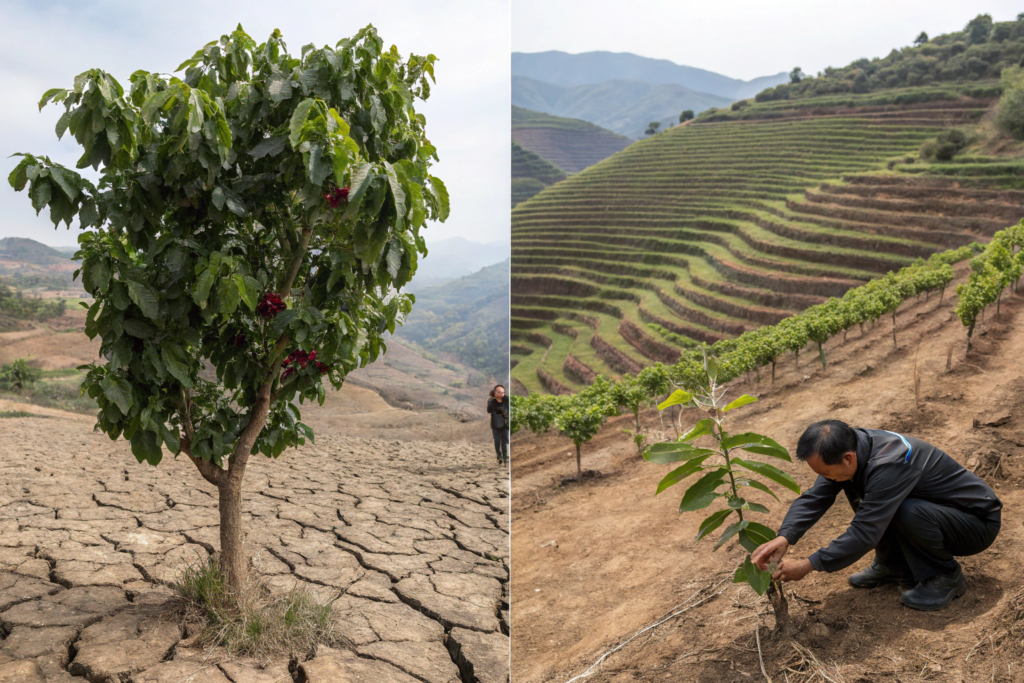
Experts from organizations like World Coffee Research and the International Coffee Organization are no longer just documenting the impacts of climate change; they are actively developing and promoting solutions for adaptation. The focus in 2026 is on three key areas: (1) The accelerated breeding and distribution of climate-resilient and disease-resistant coffee varietals, such as the next generation of Catimor hybrids and new F1 hybrids. (2) The strategic importance of "climate refuge" origins like Yunnan, which possess high-altitude, frost-free terroirs that are proving more resilient to warming trends. (3) The widespread adoption of precision agriculture techniques—GPS mapping, soil sensors, and water management—to optimize farm health in a changing environment.
So, what does this mean for you as a buyer? It means that the origins and varietals you rely on today may not be reliable in 10 years. A smart buyer in 2026 is already diversifying their supply chain to include more climate-resilient options.
How Are New Varietals Like "P4" Catimor a Direct Answer to Climate Pressures?
This is a perfect example of adaptation in action. The old reputation of Catimor was as a hardy but harsh-tasting bean. The new reality, with selections like P4 and P5 in Yunnan, is completely different. These are not your grandfather's Catimor.
These new selections are the result of decades of dedicated breeding work. They have been specifically selected for three critical traits:
- Robust Leaf Rust Resistance: This is the classic Catimor superpower, reducing the need for fungicides and protecting the crop from climate-amplified disease outbreaks.
- Heat and Drought Tolerance: They are better able to withstand the higher temperatures and irregular rainfall patterns that are becoming the new normal.
- Dramatically Improved Cup Quality: This is the game-changer. Rigorous selection has eliminated the harsh, woody notes of older Catimor types, leaving a clean, sweet, chocolate-forward cup that scores in the 83-85 point range.
For a roaster, these new Catimors offer a powerful combination: a reliable, scalable supply of quality coffee from a climate-resilient origin. They are a strategic tool for future-proofing your blend program. At Shanghai Fumao, our investment in expanding our plantings of these improved Catimor selections is a direct response to this expert consensus. You can read more about the global efforts in coffee breeding and climate adaptation from the research published by World Coffee Research .
Why Are "Climate Refuge" Origins Like Yunnan Gaining Strategic Importance?
Not all coffee regions are created equal in the face of climate change. Some traditional powerhouses are facing severe, escalating challenges. Others, due to their unique geography, are proving to be more resilient. Yunnan is one of those "climate refuge" regions.
Yunnan's advantage lies in its latitude (around 25° North) and its high-altitude terrain. The region is naturally protected from the extreme heat and the devastating frosts that plague equatorial and sub-tropical regions. The distinct dry season during harvest provides ideal processing weather, a stark contrast to the harvest-time rains that are increasingly disrupting Colombian production. As other origins become less reliable and more volatile, the stable, predictable supply from resilient origins like Yunnan becomes strategically invaluable. A forward-thinking roaster in 2026 is actively building relationships in these refuge origins. They are not abandoning their traditional sources, but they are diversifying their risk. They are making sure they have a reliable anchor, like the consistent supply from Shanghai Fumao , to weather the coming storms.
How Is EUDR Reshaping the Entire Coffee Supply Chain in 2026?
The EU Deforestation Regulation (EUDR) has moved from a looming compliance deadline to a daily operational reality for the global coffee trade in 2026. Its impact is profound and far-reaching, affecting even those who don't sell a single bean to Europe.
Experts agree that EUDR is the single most significant regulatory shift in the history of the coffee trade. It has fundamentally ended the era of anonymous, untraceable commodity coffee. Its core requirement—that coffee entering the EU must be traceable to the specific geolocated plot of land where it was grown and proven deforestation-free—is forcing a massive, global investment in supply chain digitization and transparency. This data infrastructure, once built, is not just for EU-bound coffee; it is becoming the new global standard for any coffee that aspires to be called "premium" or "responsible." The cost of non-compliance is exclusion from the world's largest specialty coffee market.
This is not a trend; it's a structural change to how coffee is bought and sold. If you're a roaster, you need to understand its implications.
What Does "Traceability" Actually Mean in a Post-EUDR World?
For years, "traceability" in coffee was a marketing term. It meant you knew the cooperative or the region. In a post-EUDR world, traceability has a very specific, legal, and technical definition.
True EUDR-level traceability means the coffee can be tracked back to a GPS-mapped polygon of land. For each lot, the exporter must provide a "Due Diligence Statement" that includes:
- The precise geographic coordinates of all the plots of land that produced the coffee.
- The date or date range of the harvest.
- Verifiable evidence that the land was not deforested after December 31, 2020.
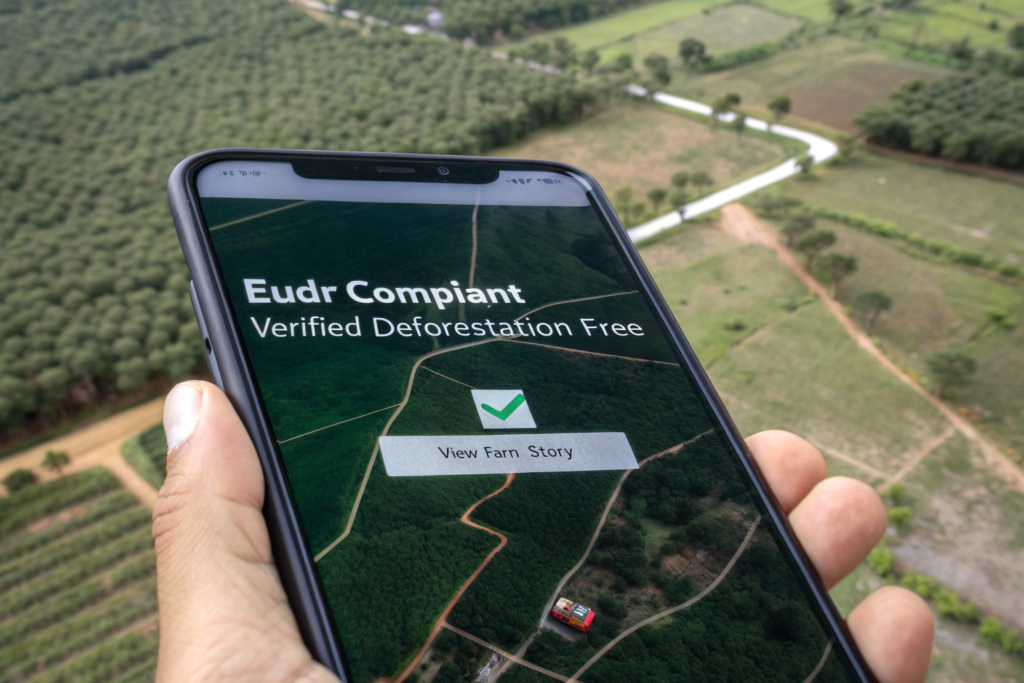
This is not a story; it's a data set. It's verifiable by satellite imagery. For a roaster, this means you need to work with suppliers who have made the significant investment to map their farms and build the digital systems to maintain this chain of custody. At Shanghai Fumao , we have completed this mapping for our entire 10,000-acre estate. We provide this geolocation data as a standard part of our export documentation for all clients, not just those in the EU. This is the new baseline of professionalism.
How Does EUDR Data Become a Powerful Marketing Asset for Roasters?
This is the opportunity hidden within the regulatory burden. The data you are now required to collect for EUDR compliance is also a powerful tool for building trust and brand value with all your customers, especially the younger, values-driven demographic.
The GPS polygon map, the deforestation-free verification, the harvest date—this is the raw material for an incredibly compelling and authentic brand story. A roaster can use this data to power a QR code on their coffee bag. The customer scans the code and is taken to a mobile-friendly landing page that shows:
- A satellite view of the exact farm in Yunnan where their coffee was grown.
- The name and story of the farmer.
- The harvest date of that specific lot.
- The coffee's cupping score.
This level of radical transparency is a massive differentiator in a crowded market. It justifies a premium price. It builds unshakable trust. The roasters who view EUDR data as a brand asset, not just a compliance cost, are the ones who will win the future. They are using the traceability tools built into the modern supply chain, like those we provide at Shanghai Fumao , to connect with consumers in a powerful new way.
What Role Is Artificial Intelligence Playing in Coffee Sourcing and Roasting?
AI is no longer a futuristic fantasy in the coffee industry; it's a practical tool being deployed by leading roasters and producers to gain a competitive edge. It's not about replacing human expertise; it's about augmenting it.
In 2026, AI is making significant inroads in two primary areas: (1) Sourcing and Discovery: AI-powered platforms are helping buyers analyze vast amounts of unstructured data—trade records, industry articles, social media—to identify and vet potential new suppliers beyond the usual search results. (2) Roasting and Quality Control: Machine learning algorithms are being used to analyze roast profile data, predict optimal roast curves based on green bean characteristics, and even assist in identifying subtle defects in green grading. The goal is to enhance consistency, reduce waste, and free up human experts to focus on strategy and creativity.
This is a tool you should be aware of, even if you're not using it directly yet. It's changing the landscape of competition.
How Can AI Help Me Discover "Hidden Gem" Coffee Suppliers?
We've touched on this before, but it's worth reiterating as a key future trend. Traditional search engines are built on popularity. AI search tools are built on synthesis.
An AI-powered research tool can be prompted with specific, nuanced queries like: "Identify five lesser-known, vertically integrated coffee estates in Yunnan, China that are experimenting with anaerobic fermentation and have a professional export manager active on LinkedIn. Provide a summary of their online presence and any available cupping scores." The AI will scan a much wider and deeper range of sources than a standard Google search and return a structured report with citations. This allows a buyer to uncover promising new partners who aren't spending a fortune on Google Ads. It democratizes access to market intelligence. Combined with the data from our transparent supply chain at Shanghai Fumao , this creates a new level of informed sourcing.
Will AI Replace the Q-Grader or the Roastmaster?
The overwhelming expert consensus is no. AI will not replace these roles, but it will change them.
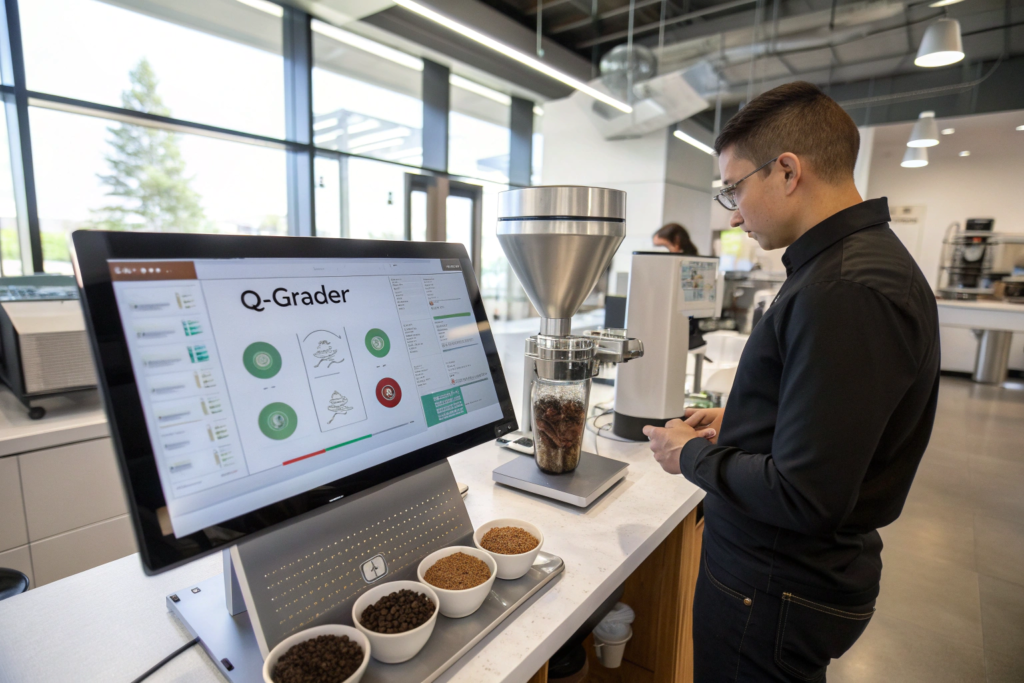
AI excels at pattern recognition and data analysis at a scale and speed impossible for humans. It can flag an anomaly in a roast profile in real-time. It can suggest a starting roast curve based on the density and moisture of a new green lot. It can analyze thousands of cupping scores to identify subtle quality trends. But AI cannot taste the coffee. It cannot smell the jasmine note or feel the syrupy body. It cannot build a relationship with a farmer or understand the cultural nuance of a negotiation. The future of coffee quality is a powerful partnership: the human expert provides sensory judgment, creativity, and relationship-building; the AI provides data-driven insights, consistency, and efficiency. The roasters and producers who learn to leverage both will lead the industry.
Conclusion
The future of the coffee industry in 2026 is being written now, not by luck or chance, but by the powerful, intersecting forces of climate adaptation, regulatory transparency, and technological augmentation. For a coffee buyer, these forces are not threats to be feared, but realities to be understood and strategically navigated.
The experts are clear: the winners in the next decade will be those who build resilient supply chains in climate-smart origins. They will be the ones who embrace radical transparency and turn compliance data into a compelling brand story. And they will be the ones who learn to leverage AI as a tool to enhance, not replace, their own expertise and relationships.
The future is not about finding the cheapest coffee. It's about finding the smartest coffee. It's about building a business that is as resilient, transparent, and intelligent as the complex global market it operates in.
At Shanghai Fumao, we are not just observing these trends; we are actively building our farm and our business around them. From our climate-resilient varietals to our EUDR-compliant mapping and our commitment to transparent partnership, we are built for the future of coffee.
If you're ready to build a future-ready coffee program with a partner who understands where the industry is headed, I invite you to start a conversation. My email is cathy@beanofcoffee.com.