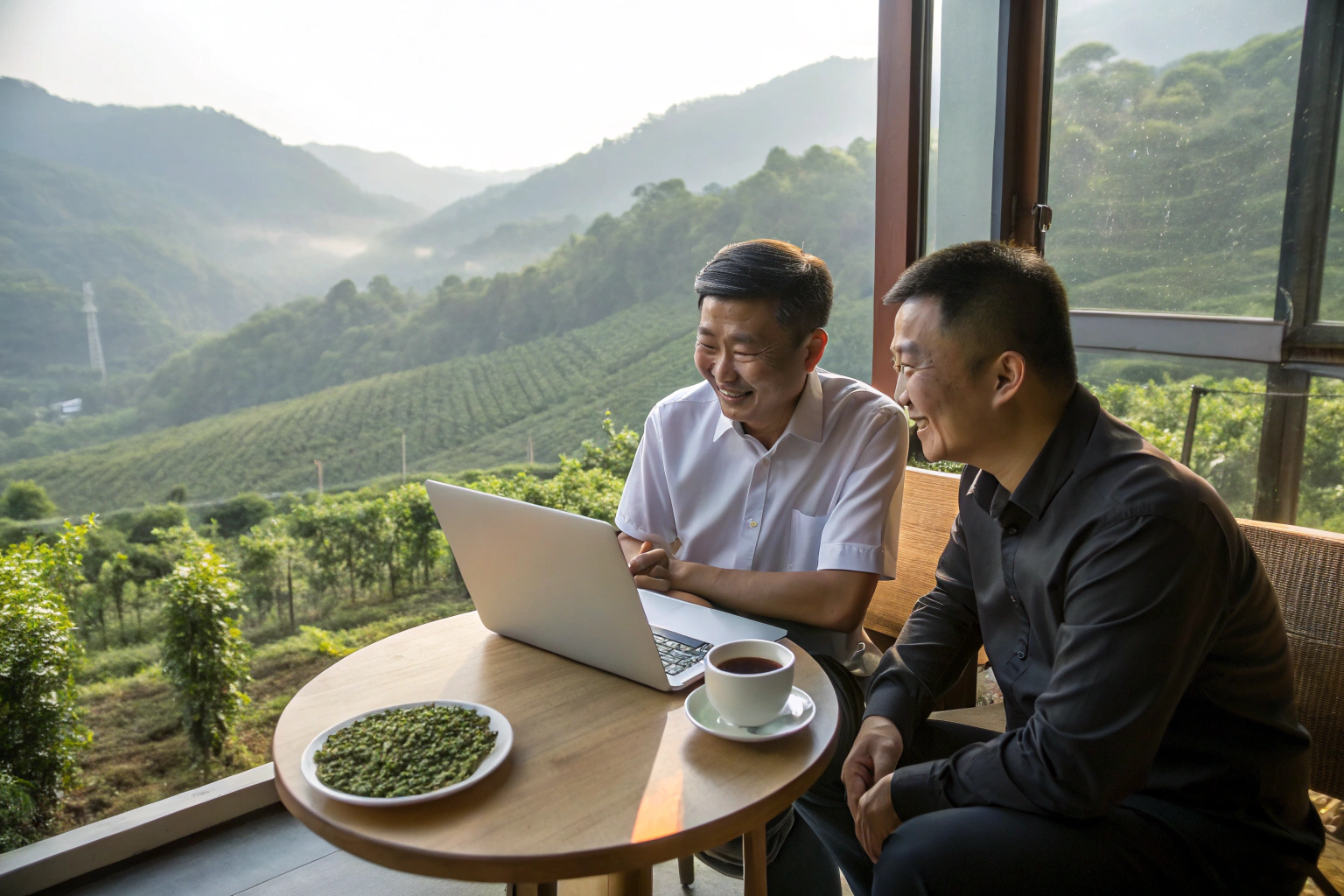
You've done it. You navigated the Alibaba maze, survived the sample roulette, and successfully imported your first container of coffee from a Chinese factory. The quality was good. The price was right. The logistics were... mostly on time. You're tempted to just rinse and repeat. Place the next order, get the next container. But a voice in your head, the voice of a business owner who wants to build something lasting, asks: Is that it? Is this just a transactional relationship where I'm always worried the price will jump or the quality will slip? Or is there a way to build a real, strategic partnership with this factory—a relationship that gives me priority access, stable pricing, and a true collaborator in my business's growth?
Building a long-term, strategic relationship with a coffee bean factory in China requires a deliberate shift from a transactional mindset to a partnership mindset. This involves three key phases: (1) Moving beyond the initial trial order by establishing clear, mutual expectations for quality, communication, and volume. (2) Deepening the partnership through transparency, commitment (like forward contracts), and in-person (or virtual) connection. (3) Evolving the relationship into true collaboration, where you work together on custom projects, share market insights, and become invested in each other's long-term success. This is not about finding the cheapest price every season; it's about building a reliable, resilient, and mutually beneficial supply chain.
Honestly, this is the part of the business I value most at Shanghai Fumao. I'm not interested in one-off deals. I want to find roasters I can grow with for years. Let me give you an insider's perspective on what we look for in a long-term partner, and how you can build a relationship that transforms your sourcing from a source of anxiety into a pillar of your business.
Why Is a Partnership Mindset More Valuable Than a Transactional One in Coffee Sourcing?
The global coffee market is volatile. Prices swing. Weather disrupts harvests. Logistics break down. If your sourcing strategy is purely transactional—finding the cheapest container on the spot market every time you need it—you are fully exposed to every gust of wind. You are a leaf in a storm.
A partnership mindset prioritizes long-term stability and mutual benefit over short-term price gains. In a transactional relationship, both parties are trying to maximize their own advantage in a single deal. Information is hoarded, and loyalty is to the price, not the person. In a partnership, both parties recognize that their long-term success is intertwined. The buyer commits to a volume, providing the factory with financial security to invest in quality. The factory commits to a quality standard and a stable differential, providing the buyer with supply security and budget predictability. This shared commitment creates a buffer against market volatility and builds a resilient supply chain.
So, what does this mean for you? It means that chasing the absolute lowest price on every single order might actually be costing you money in the long run through inconsistency, quality drift, and supply disruptions. A slightly higher, but stable, price from a trusted partner is often the more profitable and far less stressful choice.

What Are the Hidden Costs of Constantly Switching Suppliers for the Best Price?
You see a new supplier offering Yunnan coffee for $0.15/lb less than your current partner. You're tempted. You make the switch. Here's the hidden invoice that arrives later.
First, there's the Cost of Vetting. You have to start from scratch. New samples. New lab tests. New virtual tours. Your time is money. Second, there's the Cost of Inconsistency. The new coffee is... different. It doesn't quite fit your blend. You spend hours and pounds of coffee tweaking your roast profile, and you still might not get it right. Your customers notice the change. Third, there's the Cost of Risk. What if the new supplier's logistics are a disaster? What if the arrival quality doesn't match the sample? You've just traded a known, manageable set of variables for a completely unknown set. A long-term partner eliminates these hidden costs. At Shanghai Fumao, our long-term partners know our quality, they trust our logistics, and they can focus on selling coffee, not just surviving the sourcing process.
How Does a Long-Term Contract Provide Security for Both the Roaster and the Factory?
This is the tangible expression of a partnership. A forward contract or a multi-year agreement is not a trap; it's a framework for mutual success.
For you, the roaster, a contract provides supply security and budget predictability. You know you will have your core Yunnan coffee at a known differential for the next 6-12 months. You can plan your menu and your finances with confidence. For me, the factory owner, a contract provides financial security and production planning. Knowing I have a committed buyer for a certain volume allows me to invest in my farm, my equipment, and my people. It allows me to plan my harvest and processing schedules more efficiently. It's a virtuous cycle. The security you provide me allows me to invest in the quality and consistency that benefits you. This is the foundation of a true partnership. You can learn more about the dynamics of sustainable coffee supply chains from the resources provided by the Specialty Coffee Association (SCA).
What Are the Key Steps to Moving from a First Order to a Strategic Partnership?
Okay, you've had a successful first transaction. The coffee was good. You paid on time. Now what? The transition from a "vendor" to a "partner" doesn't happen by accident. It's a deliberate, multi-step process that requires effort and communication from both sides.
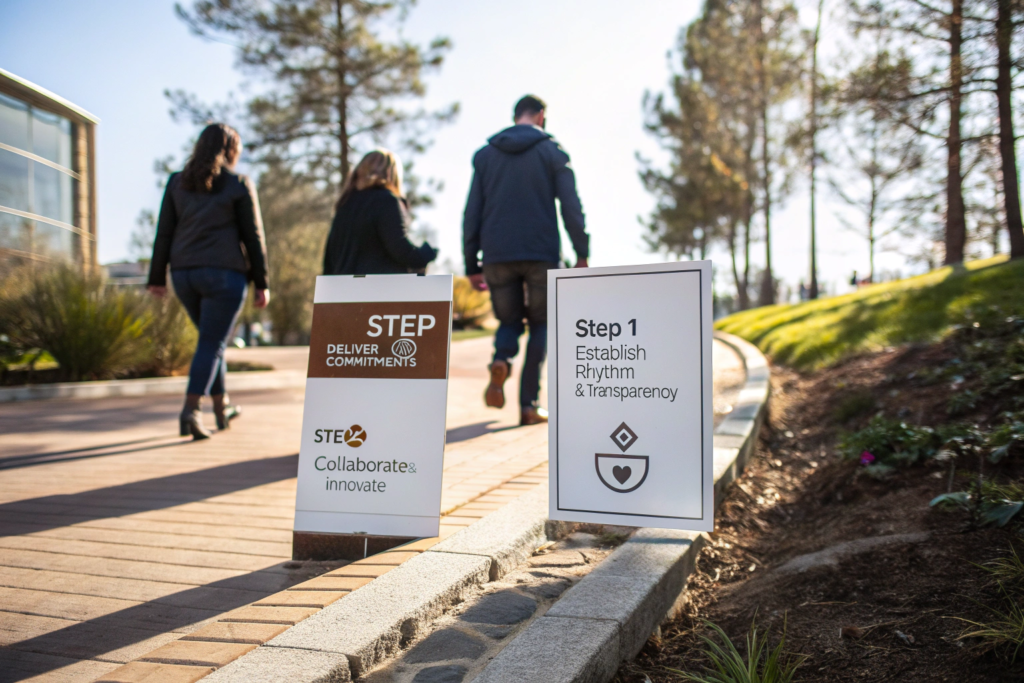
The path from first order to strategic partner involves three clear steps: (1) Be an Exceptional Partner Yourself: This means flawless execution on your end—clear communication, prompt payment, and professional feedback. (2) Formalize the Relationship: Move from spot buying to a forward contract that outlines volume, quality, and differential expectations for a set period (e.g., 6-12 months). (3) Invest in the Connection: Go beyond emails. Schedule regular video calls, share your business goals, and, if possible, plan a visit to the farm (or a detailed virtual tour). This personal connection cements the relationship.
What Does It Mean to "Be a Good Partner" from the Factory's Perspective?
This is something many buyers don't think about. They focus on what they need from the factory. But a great partnership is a two-way street. Here's what makes a buyer valuable to us.
First, Communicate Clearly and Proactively. Tell us your upcoming needs. Give us a forecast. If there's a problem on your end, let us know early. Don't just disappear and then send a rush order. Second, Pay on Time, Every Time. This is huge. Our cash flow depends on reliable partners. A buyer who consistently pays according to the agreed terms is a buyer we will prioritize. Third, Provide Constructive Feedback. Don't just say "the coffee was good." Tell us why. Share your roast data. Share customer feedback. This information helps us improve and tailor our offerings to your specific needs. At Shanghai Fumao, we value this kind of collaborative feedback immensely. It makes us better producers.
Why Is a "Forward Contract" the Cornerstone of a Long-Term Relationship?
The forward contract is the bridge from a series of one-off transactions to a real, strategic partnership. It's a statement of mutual commitment.
A good forward contract with a Chinese factory should outline:
- Volume Commitment: "We agree to purchase approximately 2 containers of [Specific Coffee] over the next 12 months."
- Quality Specification: "As per the mutually approved and sealed Reference Sample dated [Date] and the attached Product Specification Sheet."
- Pricing Mechanism: "FOB Price to be calculated as C-Market Price on date of fixation + Fixed Differential of +$0.35/lb."
- Shipment Schedule: "Shipments to be made in roughly equal installments in April and September."
This contract gives you price stability (the differential is locked) and supply security. It gives us the confidence to reserve that specific lot for you. It aligns our interests. You are no longer a spot buyer; you are a contract partner, and you will receive priority treatment. This is the single most important step you can take to solidify the relationship.
How Can a Personal Connection Strengthen a B2B Coffee Relationship?
Coffee is a people business. Behind every container, every email, every invoice, there are human beings. In Chinese business culture, the concept of guanxi—deep, trust-based relationships—is particularly important. While a contract provides the legal framework, the personal connection provides the flexibility, goodwill, and resilience.
A personal connection strengthens a B2B coffee relationship by building trust that transcends individual transactions. When you've shared a meal (even virtually), when you've seen pictures of each other's families, when you've walked the farm rows together, the dynamic changes. You become partners solving problems together, not adversaries negotiating a deal. This personal relationship creates goodwill that can smooth over minor logistical hiccups, open the door to more flexible contract terms, and provide access to the factory's best and most limited lots.
What Is the Value of a Virtual or In-Person "Farm Visit"?
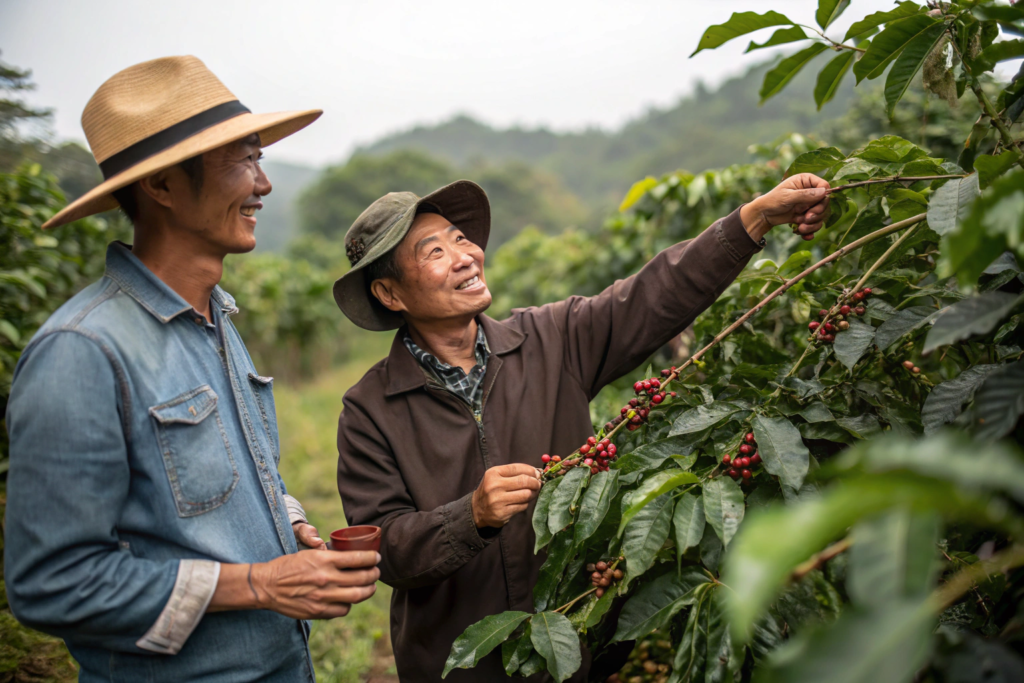
It's invaluable. It's the single best investment you can make in the relationship. I understand that travel to Yunnan isn't always possible. That's why we offer comprehensive "Virtual Farm Tours" at Shanghai Fumao.
Whether virtual or in-person, the visit is about more than seeing the trees. It's about showing respect and genuine interest. Ask to see the nursery. Ask to see the composting operation. Ask to meet the cupping team. Ask about their challenges and their proudest achievements. This shows you care about the whole story, not just the FOB price. A buyer who has "walked" our farm, even virtually, is a buyer we feel a deeper connection to. They are no longer just a name on an email; they are a partner who has invested their time in understanding our world. This connection is powerful.
How Does Regular, Non-Transactional Communication Build Trust?
Don't just email when you need a quote. Build a rhythm of communication that isn't solely about the next order.
Share an article you read about the Yunnan coffee market. Forward a social media post from a customer who loved the coffee. Send a quick note during the Spring Festival holiday. Ask how the harvest is progressing, not because you're placing an order, but because you're genuinely interested. These small, consistent touchpoints signal that you value the relationship for its own sake, not just for the coffee. This builds a reservoir of goodwill. Then, when a real problem arises—a delayed shipment, a quality question—you're dealing with a trusted partner, not just a faceless vendor. The conversation is collaborative and solution-oriented. This is the intangible, but very real, benefit of a strong personal connection.
Conclusion
Building a long-term relationship with a coffee bean factory in China is one of the smartest strategic moves a growing roaster can make. It's an investment that pays dividends in supply security, quality consistency, and budget predictability. It transforms your sourcing from a reactive scramble into a proactive, stable pillar of your business.
The path is clear: be a great partner yourself, formalize the commitment with a forward contract, and invest in the personal connection. This isn't about finding the cheapest coffee; it's about finding the right partner and building something lasting together.
At Shanghai Fumao, we are not looking for one-time transactions. We are actively seeking long-term partners who share our commitment to quality, transparency, and mutual growth. We've built our farm, our mill, and our export business to be the ideal partner for roasters ready to make that commitment.
If you're ready to move beyond the spot market and build a resilient, strategic supply chain, I invite you to start a conversation with me. Let's get to know each other. My email is cathy@beanofcoffee.com.