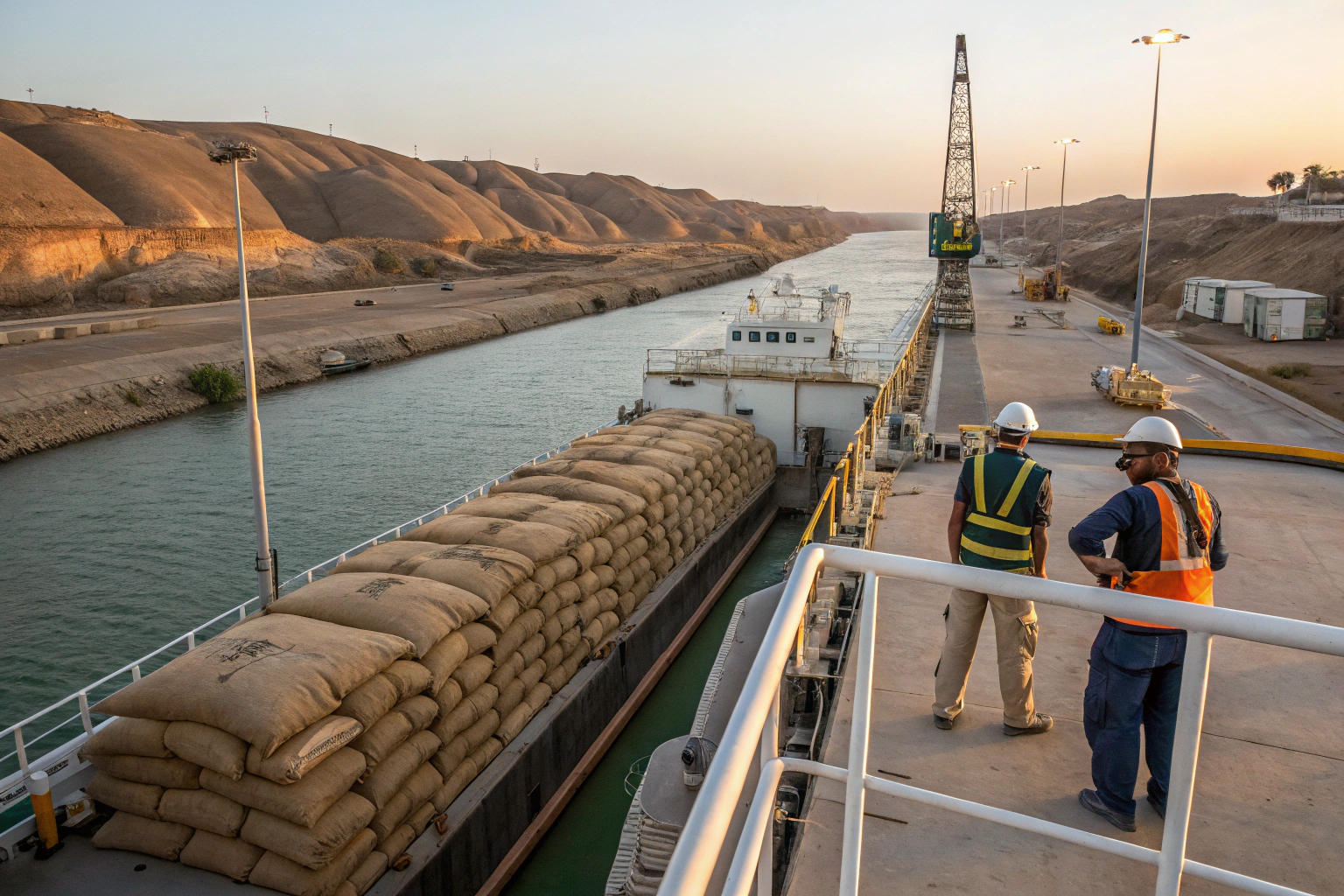
If you buy coffee from Asia, you already know ocean freight is not as stable as it was five years ago. The Panama Canal used to be a shortcut. Now it is a headache. I hear this from buyers all the time. Ron, a coffee importer in Texas, called me last month. He said, "I need a real number, not a maybe." That is fair. When a canal slows down, every coffee container from China to the US East Coast feels it.
The Panama Canal situation raises freight costs, changes vessel routes, and adds 10 to 20 days to some delivery windows from Asia to the US East Coast. It does not stop us from exporting green coffee beans from Yunnan. But it forces us to plan differently. You can still get Catimor, Arabica, and Robusta from us at a good price. You just need to understand the new logistics map.
Let me break this down from my side of the table. I run BeanofCoffee. We have over 10,000 acres of coffee farms in Baoshan City, Yunnan. I do not want to sugarcoat the shipping mess. I want to give you the truth so you can book smarter.
Panama Canal Drought Impact on Coffee Routes?
You have probably seen the headlines about low water levels. A few years ago, the Panama Canal moved around 38 to 40 ships a day. Now that number can drop. When that happens, ships wait longer. Some skip the canal entirely. For coffee buyers, this means one thing: your container may not arrive on the date the seller promised.
The drought at the Panama Canal reduces daily transits, which pushes some coffee shipments from Asia to the US East Coast onto longer routes. A common reroute is around the Cape of Good Hope or through the Suez Canal. Both add time and fuel. That extra cost usually lands on the buyer, either as a higher freight rate or a longer wait.
Dive deeper and you see the real problem. It is not just the canal. It is how shipping lines respond. They bunch up. They blank sailings. They change rotation. So a canal delay in Panama becomes a port congestion problem in Los Angeles or Savannah. Here is a simple table of typical transit changes I have seen from Shanghai to the US East Coast in 2025 and 2026.
| Route | Normal Transit | Current Transit | Cost Shift |
|---|---|---|---|
| Via Panama Canal | 28-32 days | 38-45 days | +15% to +25% |
| Via Suez Canal | 35-40 days | 42-50 days | +10% to +18% |
| Via Cape of Good Hope | 45-50 days | 50-60 days | +20% to +30% |
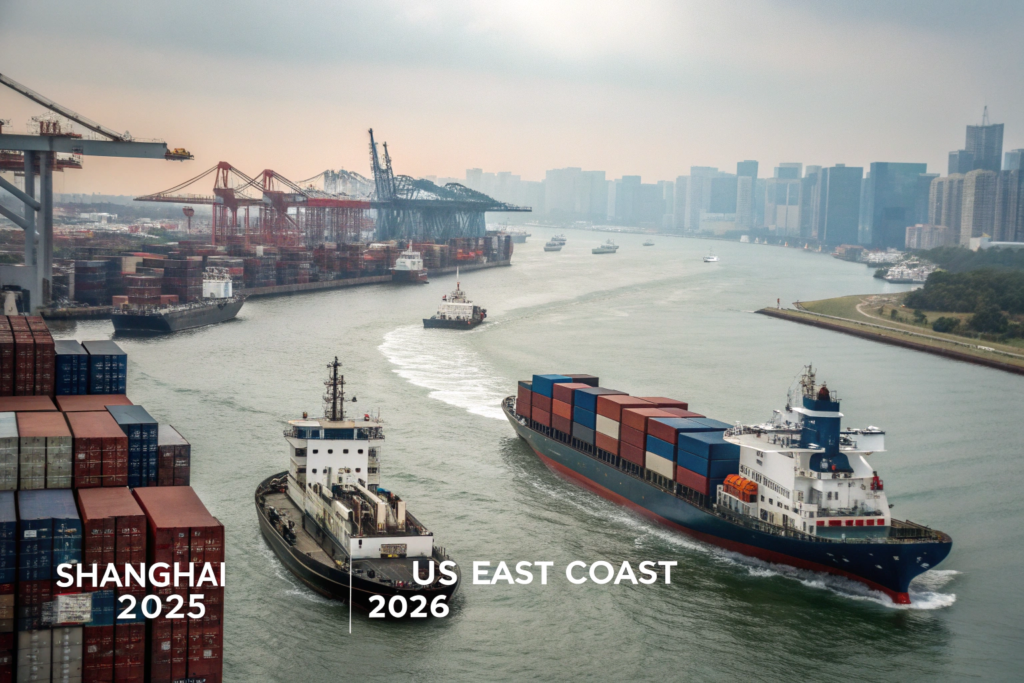
What Is Happening at the Panama Canal Right Now?
I do not rely on rumors. I check the Panama Canal Authority for daily slot numbers. They publish the water levels and the number of booking slots. That data tells me if we need to shift a Yunnan coffee shipment to a west coast port. You can also watch Freightos for spot rate changes on the main trade lanes. When the index jumps, I know carriers are pricing in canal risk. One small detail buyers miss: even if your coffee is not going through Panama, the global container shortage created by longer transits affects your rate too.
Why Do Rerouted Coffee Shipments Cost More?
A longer route is not just more fuel. It is more time your container occupies a slot that the carrier could sell to someone else. That is why carriers add a war risk surcharge or a canal surcharge even when your cargo does not pass through Panama. I saw a quote last season where the base ocean freight was $2,400 for a 20-foot container from Yunnan to Miami. After the canal restrictions, the same carrier added a $650 "equipment repositioning" fee. That is the kind of hidden cost you only catch if you read the full UNCTAD transport and trade logistics reports or ask your forwarder five times. I also follow Seatrade Maritime News for carrier announcements. Another way to look at this is: the cheapest quote is not always the shortest route. It can be the one with the most transshipment risk.
China to USA Coffee Freight Costs in 2026?
Every buyer wants a low price. I get it. But freight is now a moving target. If you bought coffee from China two years ago, your cost per bag was lower because ocean rates were normal. In 2026, a single disruption can push the freight cost up by 20% in a week.
Ocean freight from China to the US is still cheaper than air freight by a wide margin. But the Panama Canal situation added a risk premium. A 20-foot container from Shanghai to Los Angeles can range from $1,800 to $3,200 depending on the month. From Shanghai to New York via the Cape, you might pay $3,500 to $5,000. Those numbers change faster than coffee futures.
You should not book coffee the same way you book office supplies. You need to see freight as a raw material cost. At BeanofCoffee, we quote coffee and logistics together when we can. That lets you compare landed cost, not just FOB price. Here is a rough range I shared with a buyer in Florida last month.
| Port Pair | 20ft Container Freight Range | Transit Time Range |
|---|---|---|
| Yunnan via Shanghai to Los Angeles | $1,900-$2,800 | 18-26 days |
| Yunnan via Shanghai to New York | $3,200-$4,800 | 38-50 days |
| Yunnan via Shenzhen to Savannah | $3,500-$5,200 | 42-55 days |
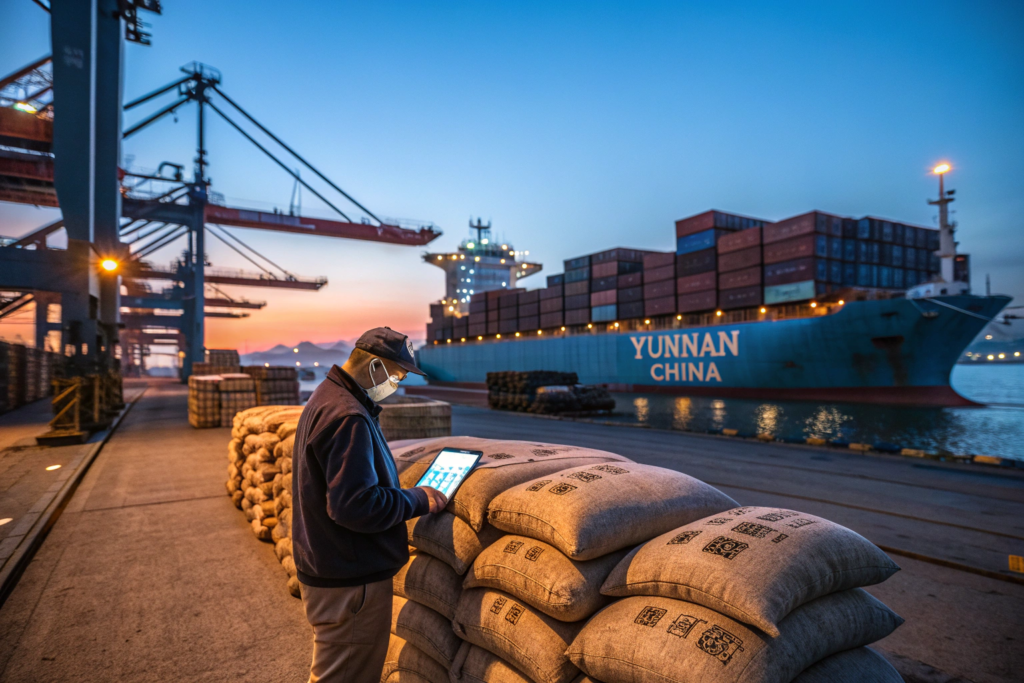
What Are the Current Ocean Freight Rates from Shanghai to Los Angeles?
I do not give a single number because the market moves daily. The best public benchmark is the Baltic Exchange daily container index. It shows the average spot rate for the trans-Pacific lane. Another useful source is the Maersk rate finder. But remember, carrier websites show the base rate before surcharges. Your final invoice will include BAF, low sulfur fuel, peak season, and maybe a Panama Canal adjustment even on west coast routes. Yes, that is legal. Carriers call it a general rate increase.
How Can Coffee Buyers Lock In Better Freight Prices?
I always tell buyers to book 45 to 60 days before shipment. If you wait until the coffee is milled and bagged, you pay the spot rate. That is the most expensive way to ship. Another trick is to ask for an all-in rate. That means the forwarder includes every surcharge in one number. You can also split your order. Send half to Los Angeles by direct vessel and half to New York through a relay. It complicates your inventory, but it can save $800 to $1,200 per container. The International Coffee Organization publishes monthly trade data that shows how Chinese coffee exports are growing. More volume means more vessel options, which slowly helps us negotiate better contracts. The Coffee Institute also has producer resources worth checking.
How Do Shipping Delays Affect Coffee Quality?
Most buyers assume green coffee is fine as long as the container stays dry. That is not true. Time is an enemy. A delay of three weeks can change moisture, water activity, and cup score. I have seen beautiful Yunnan Arabica arrive flat because it sat in a hot container too long.
Green coffee can survive longer than roasted coffee, but it still degrades. Heat and humidity are the main risks. When a container waits at a transshipment port, the temperature inside can climb. The beans sweat. That can cause mold or musty notes. On a cupping table, the difference is obvious. A shipment that should score 84 might drop to 81. That matters to specialty buyers.
I tell my team to treat every delayed container as a quality risk. We do not just slap a bill of lading on it and pray. We use breathable GrainPro liners. We pre-cool the container before loading. We add moisture absorbers. Here is a table from our internal checks.
| Delay Length | Main Quality Risk | Typical Cup Impact |
|---|---|---|
| 7-10 days | Minor temperature swings | None to slight |
| 15-20 days | Increased moisture migration | Slight fade, 0.5-1 point |
| 30+ days | Mold risk, musty notes | 1-3 point drop |
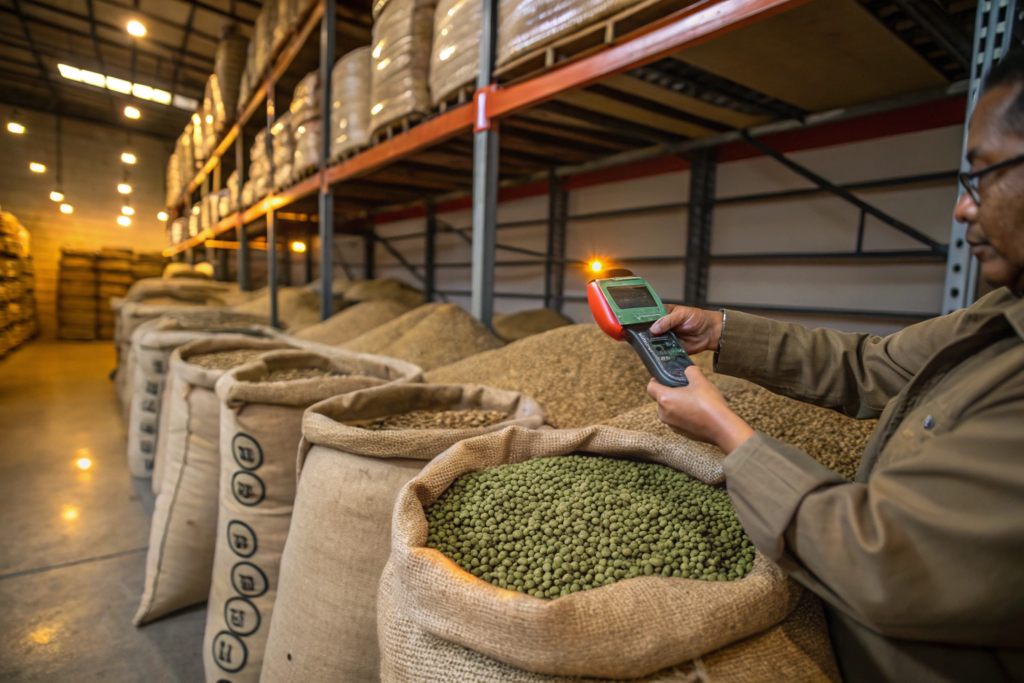
Does Longer Transit Time Hurt Green Coffee Shelf Life?
The short answer is yes, but not in the way most buyers think. The coffee does not expire like milk. It loses brightness and sweetness slowly. The biggest danger is condensation. When a container moves from a warm port to a colder climate, water forms on the inside walls. That water can drip onto the top bags. The Specialty Coffee Association has good technical guides on green coffee storage and moisture. The National Coffee Association also explains why mold prevention starts before loading. I always advise buyers to inspect the top layer first if a container sat for over a month.
What Moisture Control Steps Do Exporters Take for Delayed Containers?
We measure moisture before stuffing. The ideal for our Yunnan Arabica is 10.5% to 11.5%. If a container is likely to wait, we dry the coffee to the lower end. We also use desiccant bags and vented liners. One hidden trick is to avoid loading on a Friday if the vessel sails Monday. That reduces the time bags sit in a hot port yard. I recommend buyers check the CBI coffee market information and Tridge for data on how different origins handle quality. But nothing beats asking your supplier for the pre-shipment moisture certificate and the container temperature log.
Best Coffee Export Logistics from Yunnan China?
Some buyers still think Chinese coffee is only Robusta or low-grade Catimor. That is outdated. Yunnan now produces clean, specialty Arabica that competes with Central American lots. The logistics are also better than you might assume. We have direct access to Shanghai, Shenzhen, and Hong Kong ports by truck or rail.
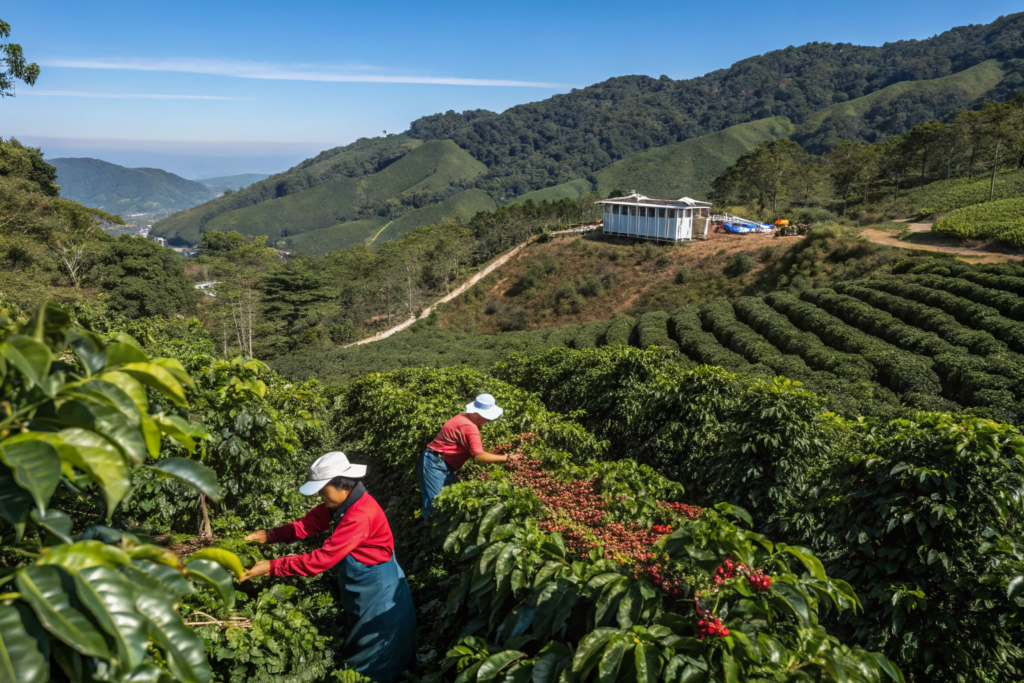
Yunnan is not a tiny niche anymore. The province produces over 95% of China's coffee. Baoshan City, where our farms are located, has a long dry season that helps with processing. We can offer washed, natural, and honey processed Arabica. For buyers in North America, the freight route from Yunnan to the US West Coast is actually shorter than from some East African origins when you account for transshipment delays.
The real advantage is control. We own the farms. We control picking, milling, grading, and bagging. That reduces the number of middlemen and quality surprises. Here is a quick comparison of my typical lead times from Yunnan to the US.
| Export Step | Time Needed |
|---|---|
| Milling and grading | 5-7 days |
| Container stuffing and customs | 3-4 days |
| Trucking to Shanghai port | 2-3 days |
| Ocean transit to Los Angeles | 18-26 days |
| Total from farm to US port | 28-40 days |
Why Is Yunnan Becoming a Reliable Arabica Source for US Buyers?
It starts with quality. Our BeanofCoffee farms sit at 1,200 to 1,600 meters above sea level. That altitude gives the coffee a sweet, balanced cup with medium acidity. We also have our own wet mill, so the cherries are processed within hours of picking. That reduces fermentation defects. The USDA trade and Trade.gov both list China as a growing supplier of agricultural goods. For coffee, the numbers still look small next to Brazil, but the trajectory is clear. A buyer can now find specialty Yunnan lots with full traceability, something that was rare ten years ago.
What Should Buyers Ask Chinese Coffee Exporters Before Booking?
I want you to challenge me. Ask for the farm GPS coordinates. Ask for a sample from the exact lot you will buy. Ask for the pesticide residue test. Ask how long the coffee has been in storage. A good exporter will answer all of that without hesitation. A weak one will stall. I also suggest reading the World Bank agriculture topic and The Coffee Guide for neutral benchmarks. You should also ask about payment terms, but do not start there. Start with the coffee. If the coffee is solid and the paperwork is clean, the logistics can be fixed. If the coffee is weak, no cheap freight will save your brand.
Conclusion
The Panama Canal situation does not have to kill your margins. It does make logistics more complicated. Freight costs are up. Transit times are less predictable. But you can manage those risks with better planning, better partners, and clearer contracts. Yunnan coffee from China is not a backup source anymore. It is a serious option for buyers who want good quality, stable supply, and direct communication. At BeanofCoffee, we do not hide behind brokers.
If you are tired of guessing about sailing schedules and landed costs, talk to us. We export Catimor, Arabica, and Robusta from our own farms in Baoshan. We can help you compare routes, lock in an all-in freight quote, and get samples before you commit. Contact Cathy Cai at cathy@beanofcoffee.com. Tell her your port and your target cup profile. She will put together a real offer, not a template.