
If you have a supplier you stopped emailing, I understand. Maybe a shipment arrived late. Maybe the coffee was not what you expected. Maybe the price changed and nobody told you. That silence feels easier. But it costs you money. I have been on the other side of that silence. I am the owner of BeanofCoffee in Yunnan, China. I have watched buyers go cold. I have also won some of them back. Here is what actually works.
The best way to defrost a relationship with a supplier is to reopen the conversation with one specific, small, fixable request instead of a general complaint. For example, ask for a corrected invoice or a new sample. That gives the supplier a chance to prove they still want your business. A vague email like "we need to talk" does not work. A concrete ask does. Trust gets rebuilt through small, completed actions, not big apologies.
This topic matters more now because freight problems and quality disputes are common. The Panama Canal delays and tariff changes have stressed every coffee supply chain. When stress goes up, relationships can freeze. But a good supplier is hard to replace. I will break this down into four parts: rebuilding trust, improving communication, negotiating terms, and managing the relationship for the long run.
How to Rebuild Trust with a Coffee Supplier?
A broken promise is heavy. If I promised you coffee at $4.50 per pound and then the price became $5.10, you feel cheated. Even if the market moved, it stings. Trust is not rebuilt by saying "sorry" once. It is rebuilt by showing up with a solution. I had a buyer who stopped answering my WhatsApp for two months because a container was stuck in Los Angeles for three weeks. He thought I lied about the sailing date. I did not. But he did not believe me. To win him back, I did something unusual. I sent him a video of the container at the port, with the seal number and the tracking page. Then I offered to split the demurrage cost. He came back.
Trust after a conflict comes from a supplier who takes ownership of the problem, even if it is not fully their fault. The buyer does not want to hear "the shipping line did it." They want to hear "here is what I can control, and here is how I will fix it." A concrete action beats a perfect explanation. Start small. Order one pallet instead of a full container. Ask for daily updates for two weeks. Then watch if the supplier follows through. If they do, trust grows. If they do not, you have your answer.
Here is a simple table I use with my team to track trust recovery after a service failure.
| Broken Promise | Typical Buyer Reaction | Effective Supplier Action |
|---|---|---|
| Late shipment | Anger, silence | Real-time tracking link + weekly update |
| Off-spec quality | Chargeback threat | Replacement lot offer + cupping score |
| Hidden surcharge | Distrust of all quotes | All-in transparent pricing + audit trail |
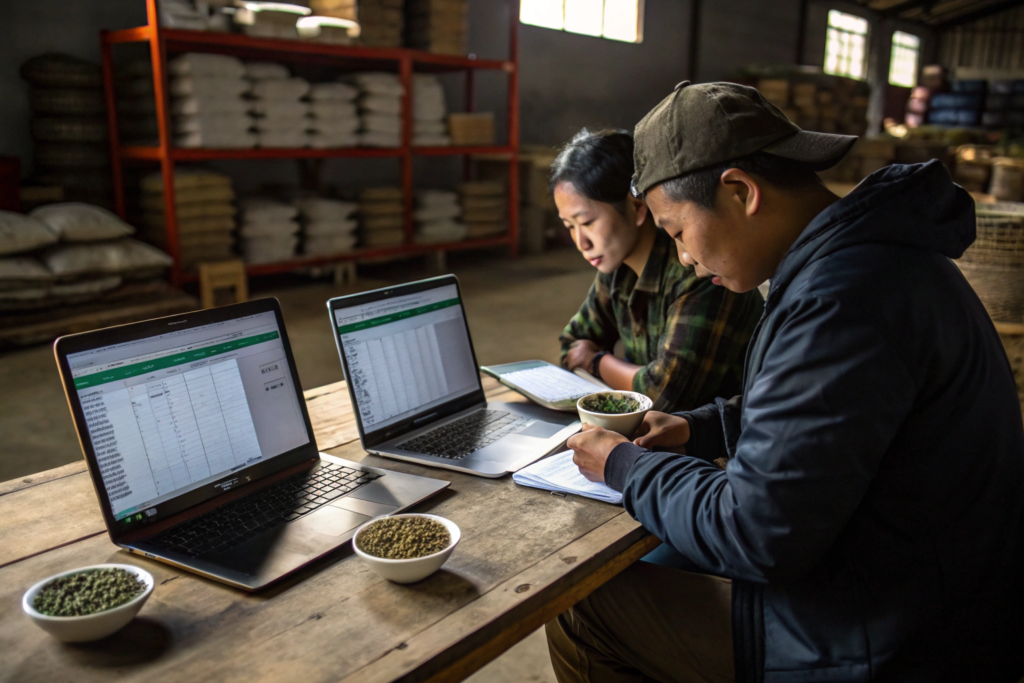
What Steps Can a Buyer Take to Rebuild Trust After a Late Delivery?
You might think the buyer just waits. That is wrong. The buyer can set the tone. After a late delivery, send a short note like this: "We received the coffee late. That hurt our production schedule. I need two things from you: a root cause summary and a plan to prevent it on the next order." That is direct. It is not rude. It gives the supplier a chance to respond with facts. You can also reference guidelines from the Harvard Business Review supply chain topic on managing supplier performance after a disruption. And the Chartered Institute of Procurement & Supply has practical frameworks for rebuilding supplier relationships. The key is to keep the dialogue focused on the future, not the blame. I have seen buyers who stay angry for a year. They lose access to good coffee. The supplier moves on. Then the buyer pays more to a new supplier with unknown risks. That is a lose-lose.
How Can a Supplier Prove Reliability After a Quality Dispute?
If you accused my coffee of being musty, I would not argue. I would ask for a sample and a cupping report. Then I would check the lot number. If the fault was mine, I would replace the bags or offer a discount. The Specialty Coffee Association has protocols for sensory evaluation that both sides can trust. The International Coffee Organization publishes export data that can verify if a lot was from a known harvest period. A supplier proves reliability by being transparent with documents: the shipping marks, the warehouse temperature log, the fumigation certificate. I have a file for every container. When a buyer asks, I send it within a day. That speed matters. If a supplier takes two weeks to produce a simple certificate, you know they are not serious. So ask for proof, but give them a clear deadline. That is fair.
Best Ways to Improve Coffee Supplier Communication?
Most supplier problems are communication problems. Not quality problems. Not price problems. I have learned this the hard way. A buyer sends an email. I reply three days later because I was in the mill. He thinks I am ignoring him. The truth is I had no signal. But he does not know that. So I changed my rule. Every buyer gets a reply within 24 hours, even if the reply is just "I will check and get back to you by Friday." That small habit changed everything. Communication is not about being perfect. It is about being predictable.
To improve communication with a coffee supplier, you need two things: a single channel for urgent issues and a regular cadence for updates. Do not mix WhatsApp for urgent and email for slow stuff. Decide together. At BeanofCoffee, I use WhatsApp for daily freight updates and email for contracts and invoices. That way nothing gets lost. Also, schedule a 15-minute call every two weeks during an active order. It feels like extra work, but it prevents surprises. A buyer in Chicago told me those calls saved his production line twice because we caught a port delay early and rerouted his container through Oakland.
| Channel | Best For | Response Time I Promise |
|---|---|---|
| Daily vessel status, port photos | Within 2 hours | |
| Contracts, quality docs, invoices | Within 24 hours | |
| Video call | Quarterly planning, dispute resolution | Scheduled 48 hours ahead |

What Questions Should Buyers Ask to Prevent Miscommunication with a Chinese Coffee Exporter?
You should ask about the specific person who will handle your account. Is it the owner, a sales manager, or a trainee? That matters. Then ask about the Chinese holidays. If I tell you my mill closes for Spring Festival, do not expect a reply from February 10 to February 17. I will tell you in advance. The USDA Foreign Agricultural Service has country reports on China that show holiday schedules and trade patterns. The Trade.gov China country commercial guide also explains how business culture affects response times. Another good question: "What is your backup plan if the port closes?" A supplier with a plan will answer quickly. A supplier without a plan will say "we will figure it out." That is a red flag.
How Can a Supplier Set Clear Expectations for Freight Updates During Panama Canal Delays?
I do not want you to refresh a tracking page every hour. I want to give you a clean, short update each morning. For example, I sent a buyer named Ron a message yesterday: "Your container #MSCU123456 is at the Panama Canal anchorage. Expected transit in 3 days. Current ETA Savannah May 28." That is it. No fluff. The Freightos Baltic Index shows the daily rate trend, and the Panama Canal Authority posts the current waiting times. I use those public sources to back up my messages. If a supplier gives you vague updates like "still in transit," ask for the vessel name and the port call list. That forces honesty. One more tip: ask your supplier to send a photo of the container number stenciled on the door before loading. That tiny step prevents a lot of confusion later.
How to Negotiate Terms with a Coffee Exporter?
Negotiation after a conflict feels awkward. You do not want to seem greedy. But you also do not want to lose money again. I have sat across from buyers who wanted a discount after a bad season. That is normal. The trick is to negotiate the relationship, not just the price. If you only beat me down on price, I will cut corners somewhere else. If you ask for better terms, I can often say yes. For example, instead of asking for 10% off, ask for 30 days payment terms instead of 20. That improves your cash flow without hurting my margin.
The best way to negotiate terms with a coffee exporter after a rough patch is to separate price from risk. Price is what you pay per pound. Risk is what you lose if the coffee is late, off-spec, or stuck in transit. A smart buyer negotiates risk-sharing clauses: split demurrage costs, agree on an independent quality check, or set a delivery window with a penalty if missed. I am more willing to accept those terms than a lower price because they are fair. And fairness keeps the relationship alive.
Dive Deeper: One thing I have learned from exporting to the US and Europe is that buyers often forget the Incoterms. They ask for DDP when they do not want to handle customs. But DDP from China to the US is complicated and expensive because of tariffs. FOB or CIF is usually cleaner. Here is a quick comparison of common terms for coffee shipments.
| Incoterm | Seller Responsibility | Buyer Risk Exposure |
|---|---|---|
| FOB Shanghai | Load onto vessel | High for ocean transit |
| CIF Los Angeles | Insurance and freight | Low for transit, high for customs |
| DDP Chicago | Everything including duties | Almost none, but highest cost |
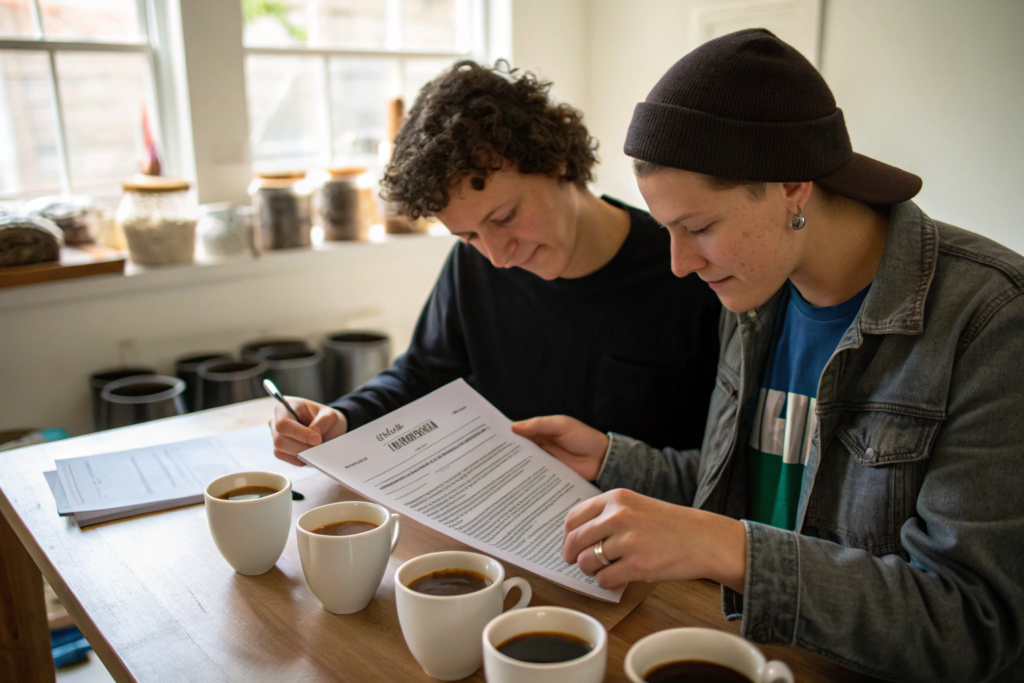
What Payment Terms Are Fair When Rebuilding a Supplier Relationship?
I have seen buyers demand 100% open account after a dispute. That is not realistic. I also have seen suppliers demand 100% upfront. That is also not realistic. A middle path is 30% deposit, 70% against a copy of the bill of lading. That gives you proof the coffee shipped before you pay the balance. The International Chamber of Commerce has standard rules for letters of credit that both sides can trust. The Export-Import Bank of the United States offers trade finance guidance for US importers. If a supplier refuses to negotiate payment terms at all, that tells you something. A good supplier will meet you halfway. I once accepted a 60-day letter of credit from a new buyer in Australia because he agreed to pay a slightly higher price. We both slept better.
How Can Buyers Ask for a Lower Price Without Damaging the Relationship?
You can ask, but bring data. Do not say "your price is too high." Say "I found a comparable Yunnan Arabica at $4.10 per pound FOB. Can you match that or explain the difference?" I respect that. I might tell you my lot has a higher cupping score or better moisture control. Or I might adjust. The Tridge coffee price data gives you real market prices to reference. The World Bank commodity markets shows monthly average prices for green coffee. Use those numbers. A vague complaint makes the supplier defensive. A data-backed request starts a real conversation. And always leave something on the table. If you squeeze every cent, the supplier will not prioritize your next order when capacity is tight.
Why Is Supplier Relationship Management Important?
Some buyers treat suppliers like vending machines. Put money in, get coffee out. That works until something breaks. Then you realize you need a human who knows your name. I have shipped to buyers who never asked how my farm was doing. They only emailed when they needed a quote. When a crisis hit, like a container fell off a ship, I did not go out of my way to help them. I handled them like a transaction. But for buyers who called me once in a while, who sent photos of their roastery, I moved mountains. That is not favoritism. That is human nature.
Supplier relationship management is important because a reliable coffee supplier is a competitive advantage, not just a cost center. In a tight market, the supplier decides who gets the last container. If you have a good relationship, you get priority. If you are a stranger, you get the leftovers. I have seen this play out during the 2025 coffee price spike. Buyers with strong ties got their contracts honored. Buyers who had been transactional got delayed or re-priced. The cost of a broken relationship is not just the current order. It is the future orders you will never get.
Dive Deeper: The best buyers I work with do three things consistently. They share their forecast, they pay on time, and they give feedback after every order. That takes discipline. But it pays off. Here is a simple weekly rhythm that works for me and my top buyers.
| Day | Buyer Action | Supplier Action |
|---|---|---|
| Monday | Send 4-week demand forecast | Confirm vessel space |
| Wednesday | Review sample roast results | Share next lot availability |
| Friday | Approve shipping docs | Send container loading photos |
What Are the Benefits of a Long-Term Contract with a Coffee Supplier in China?
A long-term contract gives you price stability and supply priority. I offer 12-month contracts to select buyers at a fixed base price with a quality adjustment. That protects you from spot market spikes. It also lets me plan my harvest and processing schedule. The International Trade Centre has useful guides on contract farming and buyer-supplier agreements. The Food and Agriculture Organization also covers sustainable agricultural supply chains. With a contract, I can hold inventory for you during the harvest, even if your purchase order is late. Without a contract, I sell to whoever pays first. One buyer in Germany signed a contract for two containers of washed Arabica every quarter. When the Panama Canal delays hit, his coffee was already booked on a direct vessel to Rotterdam. Other buyers were scrambling. That is the power of a managed relationship.
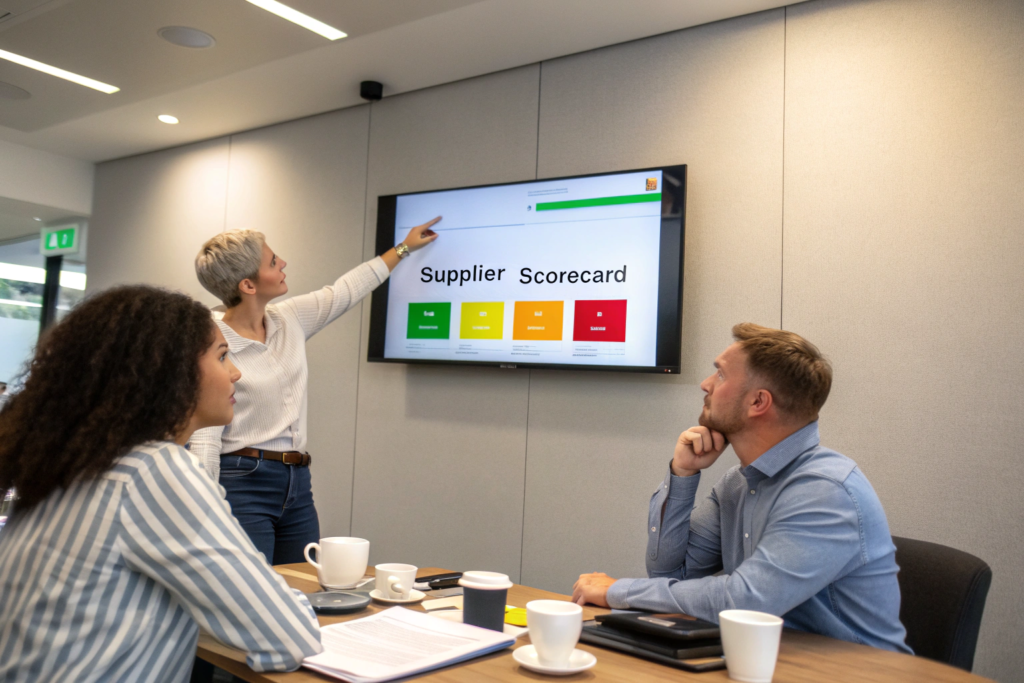
How Can a Supplier Scorecard Help Coffee Importers Defrost a Cold Relationship?
A scorecard sounds formal, but it helps. You can rate me on delivery, quality, communication, and price. Share the score with me every quarter. I will see where I need to improve. I once got a scorecard from a US buyer that said my packaging labels were sometimes smudged. I had no idea. I switched to laser printing and updated the bag markings. Next scorecard, that issue was gone. The Supply Chain Dive often has articles on supplier scorecard best practices. The Institute for Supply Management offers templates and metrics for evaluating global suppliers. A scorecard removes emotion. Instead of saying "I am disappointed," you show me the numbers. That is easier for both of us. And it gives us a shared path to fix things, which is the whole point of defrosting.
Conclusion
Defrosting a relationship with a supplier is not about grand gestures. It is about small, honest steps. Reopen the conversation with a specific request. Rebuild trust by delivering on tiny promises. Improve communication by setting clear channels and cadence. Negotiate terms that share risk fairly. And treat the relationship like an asset, not a transaction. I have applied these ideas from my side as a coffee exporter in Yunnan. They work for buyers too.
If you are ready to move past a cold start with a new coffee supplier, or if you want to restart a conversation that went quiet, let us talk. At BeanofCoffee, we supply Catimor, Arabica, and Robusta from our own 10,000-acre farms in Baoshan. We can handle raw beans or retail-ready packages. Contact Cathy Cai at cathy@beanofcoffee.com. Tell her your current pain point. She will reply within one business day. No vague promises. Just a clear next step.