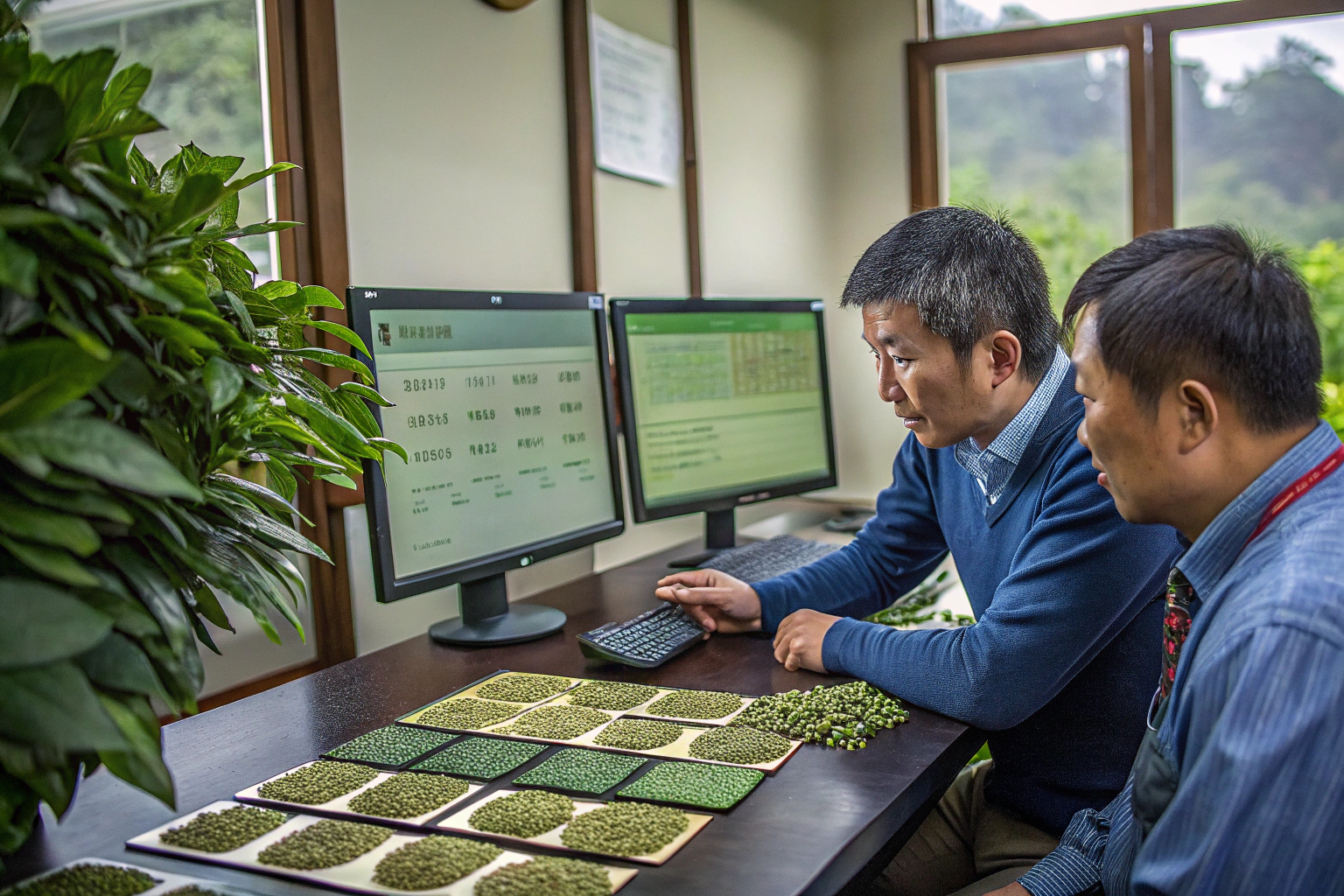
I run BeanofCoffee, a coffee exporter in Yunnan, China. We own more than 10,000 acres in Baoshan City. We sell Catimor, Arabica, and Robusta. We ship to North America, Europe, and Australia. Buyers like Ron ask me about price, quality, and shipping. Lately, they ask a new question. They ask how we see problems before they happen. That is a good question. The answer is a digital twin. It sounds fancy. It is not. A digital twin is just a copy of your supply chain on a screen. It shows you what is real. It shows you what may break. Then you act before the break becomes a claim. That is the whole idea.
A digital twin of your coffee supply chain is a digital model that mirrors your real farms, mills, warehouses, containers, and shipments. It pulls data from scales, moisture meters, lot records, GPS trackers, port systems, and invoices. Then it shows you the current state and predicts what happens next. You build it by starting small, choosing one product and one route, connecting your existing data, and adding new sensors over time. It is not a single software purchase. It is a process. But even a simple version can reduce delays, cut claims, and protect your margin.
So, what does this mean for you? It means you do not need a huge budget to start. You need a clear goal. You need clean data. You need a team that will use it. Ron is 44. He owns a company in America. He cares about price and timeliness. He sources on Google, Alibaba, and at trade shows. He is confident. He likes to lead. But even a confident buyer cannot see a wet pallet in Yunnan from his office in Ohio. A digital twin can show him. That is the value. Let me explain how to build one step by step.
What Is a Digital Twin in Coffee Supply Chains?
A digital twin is a copy. It is a copy of a real thing. In manufacturing, it may copy a machine. In coffee, it copies a chain. The chain starts at the farm. It moves through the mill. It reaches the warehouse. It enters the container. It sails across the ocean. It arrives at the port. It reaches the roastery. At each step, data is created. A weight. A moisture reading. A temperature. A seal number. A vessel name. A digital twin collects that data and connects it. Then you can see the whole chain in one place.
A digital twin in a coffee supply chain is a live digital model of your product flow, your quality data, and your logistics. It connects farm records, lot numbers, moisture readings, warehouse movements, container seals, vessel schedules, and customs documents. It does not replace your ERP or your spreadsheet. It sits above them and shows the full picture. The goal is simple: see problems early, test changes safely, and make faster decisions. It is a mirror, not a magic wand.
Another way to look at this is to compare it to a flight simulator. A pilot practices on a simulator before flying a real plane. A coffee exporter can practice on a digital twin before moving real containers. You can ask, "What if the rainy season starts early?" You can ask, "What if the vessel is delayed by ten days?" The twin shows you the effect. Then you decide. That is powerful. And it is practical.
What Does a Digital Twin Actually Do for a Coffee Exporter?
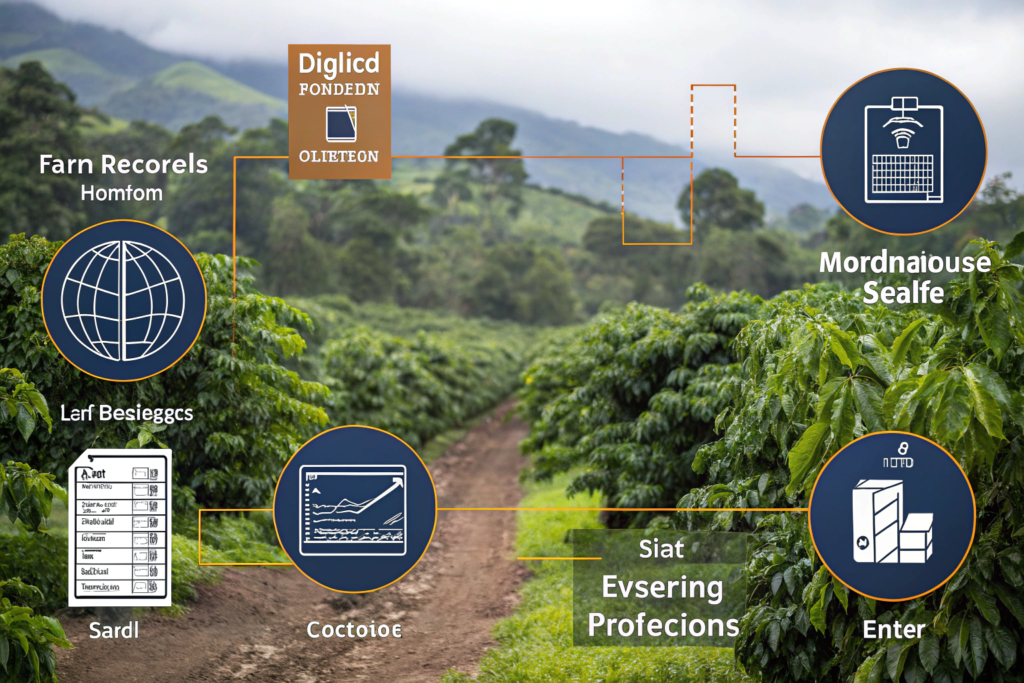
It does four things. First, it shows the current state. Where is each lot? What is the moisture? Which container is loaded? Second, it shows history. What happened last season? Where did the delay start? Third, it predicts. What will happen if this truck is late? Fourth, it tests. What if we change the route or the supplier? The NIST shares research on digital twin standards and frameworks. The McKinsey site explains how digital twins improve supply chain performance. I use these when I explain the concept to buyers. A twin is not a report. A report looks back. A twin looks forward and back. That is the difference.
For coffee, this matters because coffee is perishable in a slow way. It does not spoil in a day. It spoils over weeks. Moisture rises. Mold grows. Flavor fades. A twin can catch the slow drift. A monthly report cannot. So the twin protects quality. It also protects the schedule. Both matter to Ron. Both matter to me.
Is a Digital Twin Different from an ERP or Spreadsheet?
Yes, it is different. An ERP records transactions. A spreadsheet holds numbers. A digital twin connects them and simulates them. An ERP tells you what you bought. A twin tells you what happens if a shipment is late. The ISO publishes standards for data and systems. The GE Digital site explains industrial digital twin use cases. I use these when I plan our own system. A twin does not replace your ERP. It uses your ERP data. It adds sensors and models. Then it answers questions your ERP cannot. So do not throw away your current tools. Build on top of them. That is the smart path.
I tell buyers this because many think a twin is a big new system. It is not. It is a layer. Start with what you have. Add what you need. Then grow. That keeps the cost low and the value high.
How Do You Start Building a Coffee Digital Twin?
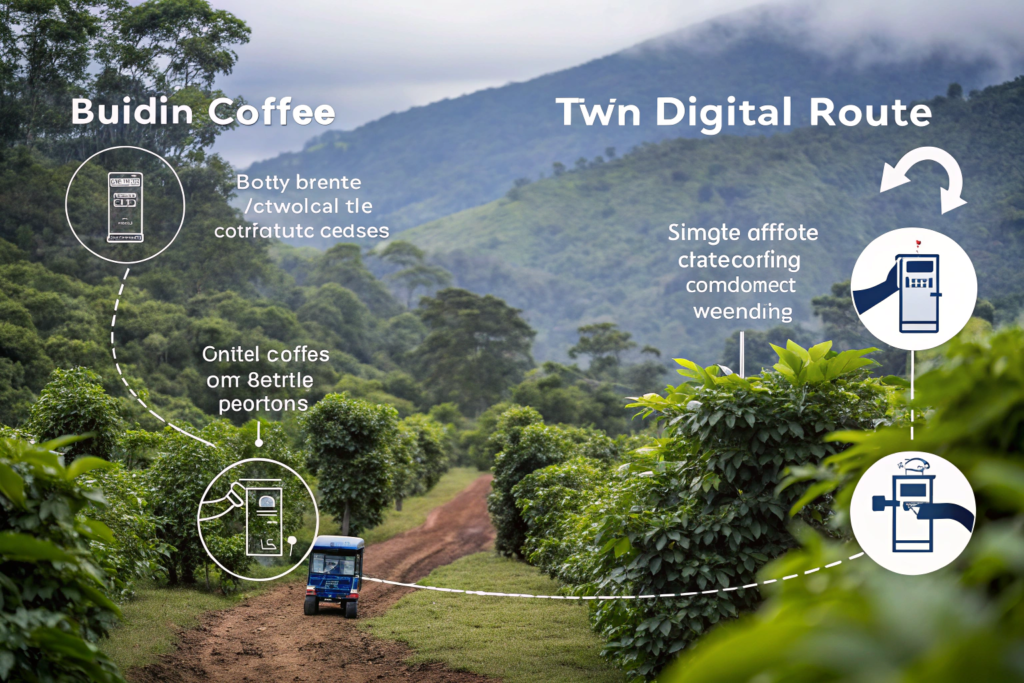
Start small. That is my first advice. I have seen companies try to build everything at once. They spend a lot. They get nothing. So pick one product. Pick one route. Pick one problem. Then build a small twin for that. For example, build a twin for one container of Yunnan Arabica going to Los Angeles. Track the lot, the moisture, the seal, the vessel, and the arrival. That is enough. When that works, add another route. When that works, add another product. Slow growth beats fast failure.
You start building a coffee digital twin by choosing one product, one route, and one clear problem, then connecting the data you already have and adding sensors step by step. Do not try to model your whole business on day one. Start with a single lot and a single shipment. Define the questions you want answered. Then collect the minimum data needed. A small twin that works is worth more than a big twin that never launches.
So, what does this mean for you? It means you should not wait for perfect data. You will never have perfect data. Start with what you have. A lot number. A moisture reading. A seal number. That is enough to begin. Then improve. The Specialty Coffee Association shares quality and traceability education. The Perfect Daily Grind shares practical coffee business guides. I use these when I train our team. A small start is a real start. So start today.
How Do You Choose the First Problem to Solve?
Choose the first problem by looking at your losses. Where do you lose the most money? Is it moisture claims? Is it port delays? Is it wrong documents? Is it rolling cargo? Pick the biggest one. Then build the twin around it. For us, moisture was the first problem. We lost a lot on one wet lot. So we built a small twin for moisture. We tracked the drying bed, the warehouse, and the container. That twin cut our claims fast. The Freightos index shows freight and schedule data that can feed a twin. The Maersk site shares supply chain visibility tools. I use these when I plan the logistics side. Pick the problem that hurts. Then solve it. That is how you get value fast.
I also tell buyers to pick a problem they can measure. If you cannot measure it, you cannot improve it. Moisture is easy to measure. Delay is easy to measure. Claims are easy to measure. So pick a measurable problem. Then build. Then check the numbers. That is how you prove the twin works.
What Tools Do You Need to Begin?
You need less than you think. You need a spreadsheet or a simple database. You need a cloud folder for documents. You need a moisture meter. You need a scale. You need a phone with a camera. You need a GPS tracker for containers if the volume is large. The Alibaba platform offers trade tools that can connect to order data. The Trade.gov site offers export and import guidance. I use these when I set up a new route. You do not need a custom software build on day one. You need clean records and a habit of updating them. Tools help. Habits matter more.
For Ron, this is good news. He does not need a big IT project. He needs a clear process. He needs a team that enters data. He needs a supplier who shares records. That is the foundation. The fancy software can come later. The foundation comes first.
What Data Do You Need for a Coffee Digital Twin?
Data is the fuel. Without data, a twin is just a picture. So you must decide what to collect. Do not collect everything. Collect what answers your questions. If your question is about moisture, collect moisture. If your question is about delay, collect time and location. If your question is about quality, collect cupping scores and defect counts. Then connect the data to the lot. The lot number is the key. It links the farm to the cup. Without it, the data is useless.
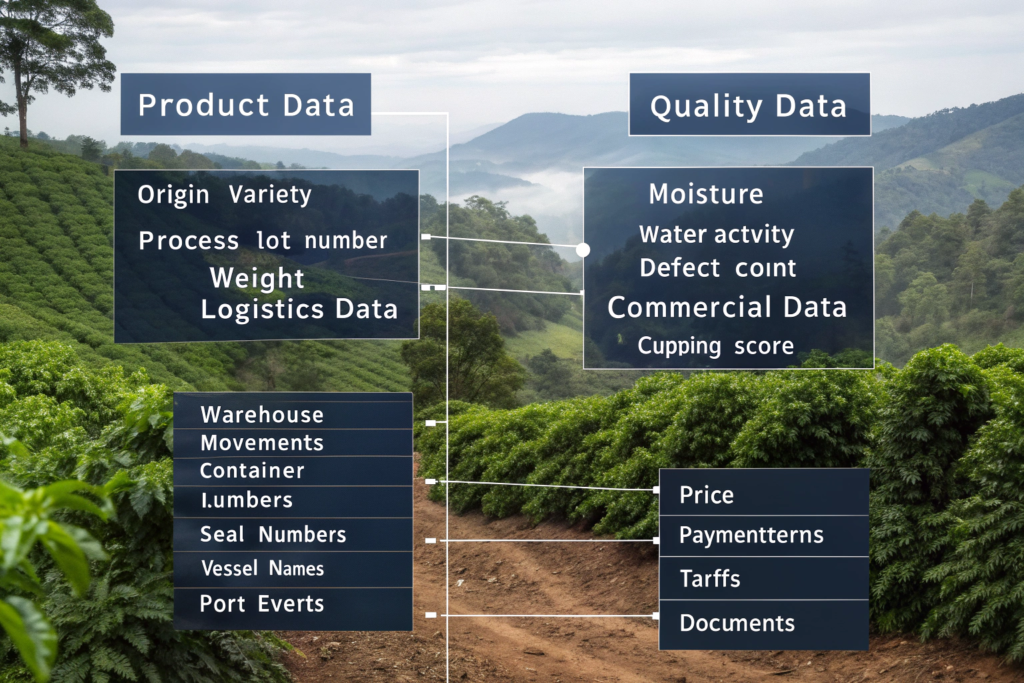
You need four kinds of data for a coffee digital twin: product data, quality data, logistics data, and commercial data. Product data includes origin, variety, process, lot number, and weight. Quality data includes moisture, water activity, defect count, screen size, and cupping score. Logistics data includes warehouse movements, container numbers, seal numbers, vessel names, and port events. Commercial data includes price, payment terms, tariffs, and documents. Together, these four create a full picture. Start with product and quality data. Then add logistics and commercial data.
So, what does this mean for you? It means you should build a data list before you build a system. Write down the fields you need. Then find out who has them. Then decide how to collect them. That order saves time. It also saves money. So make the list first. Then build.
What Farm and Lot Data Should You Track?
Track the farm name, the plot, the altitude, the variety, the harvest date, the process method, and the lot number. Also track the farmer or the cooperative. The World Coffee Research shares variety and farm data standards. The International Coffee Organization tracks production and trade data by origin. I use these when I build our farm records. A lot number is the most important field. It follows the coffee from the tree to the bag. Without it, you cannot trace anything. So start there. Then add the rest. A simple farm record is enough to begin.
I also tell buyers to ask for this data. If a supplier cannot provide a lot number and a harvest date, that is a warning. It does not always mean fraud. But it means the supplier is not tracking. A supplier who does not track cannot build a twin. So ask early. Then decide.
What Quality and Logistics Data Matter Most?
Moisture, water activity, defect count, screen size, and cupping score matter most for quality. Container number, seal number, vessel name, departure date, arrival date, and port events matter most for logistics. The SGS coffee inspection page shows how third parties verify quality data. The Intertek coffee page shows testing services that feed a twin. I use these when I prepare our lots. Moisture is the single most useful quality number. It predicts mold, weight loss, and flavor change. Seal number is the single most useful logistics number. It proves the container was not opened. So track both. Then connect them to the lot. That is the core of the twin.
| Data Type | Key Fields | Why It Matters |
|---|---|---|
| Product | Origin, variety, process, lot number | Links coffee to source |
| Quality | Moisture, defects, screen size, cup score | Predicts flavor and risk |
| Logistics | Container, seal, vessel, port events | Predicts delay and tampering |
| Commercial | Price, terms, tariff code, documents | Predicts cost and customs risk |
This table is simple. But it is a good starting list. Use it. Then add fields as you grow.
How Does a Digital Twin Reduce Coffee Supply Risk?
Risk is everywhere in coffee. Weather. Pests. Port congestion. Tariff changes. Currency moves. Quality drift. You cannot remove risk. But you can see it earlier. That is what a twin does. It turns a surprise into a warning. A warning gives you time. Time gives you options. Options protect your margin. I have seen this work. A twin warned us about a vessel delay. We rerouted the truck. We saved the container. That one save paid for the whole system.
A digital twin reduces coffee supply risk by giving you early warning, scenario testing, and clear accountability. It warns you when moisture rises, when a vessel is late, when a document is missing, or when a supplier's yield drops. It lets you test "what if" scenarios before you commit money. It shows who is responsible at each step. Early warning reduces claims. Scenario testing reduces bad decisions. Clear accountability reduces finger-pointing. Together, they protect your supply and your margin.
So, what does this mean for you? It means you should use the twin to act, not just to watch. A warning without action is useless. So set rules. If moisture passes a limit, stop the load. If a vessel is late, book a backup. If a document is missing, hold the container. Rules turn data into decisions. Decisions turn a twin into value.

How Does a Digital Twin Catch Delays Early?
It catches delays by connecting schedules with real events. A truck leaves late. A container arrives late at the port. A vessel changes its route. A port slows down. Each event updates the twin. The twin compares the plan with reality. Then it flags the gap. The Drewry shipping research tracks schedule reliability and port performance. The World Bank logistics data shows logistics performance by country. I use these when I plan our routes. A twin uses the same data but applies it to your specific shipment. That is the difference. It is personal. It is live. So it catches the delay before it becomes a missed sailing.
I also tell buyers to set a buffer rule. If the twin shows a delay bigger than the buffer, act. Do not wait. A small action early is cheap. A big action late is expensive. So set the rule. Then follow it. That is how you stay ahead.
How Does a Digital Twin Protect Coffee Quality?
It protects quality by tracking moisture and temperature across the chain. It records the drying bed reading. It records the warehouse reading. It records the container reading. If one reading drifts, the twin warns you. You can then check the lot. You can re-dry it. You can move it. You can reject it. The Daily Coffee News covers quality and handling issues. The Global Coffee Platform shares sustainable sourcing practices. I use these when I build our quality rules. A twin does not replace a cupper. It supports one. The cupper finds the flavor. The twin finds the cause. Together, they protect the buyer. That is the goal.
For Ron, this means fewer claims. Fewer claims mean happier customers. Happier customers mean repeat orders. So the twin is not just a tech tool. It is a sales tool. It protects the relationship. That is the real value.
Conclusion
Building a digital twin of your coffee supply chain is not a mystery. It is a process. Start small. Pick one product and one route. Connect the data you already have. Add sensors step by step. Track product, quality, logistics, and commercial data. Use the twin to warn, test, and act. Do not wait for perfect data. Do not buy a big system on day one. Build a small twin that works. Then grow it. A digital twin will not remove every risk. But it will show you the risk earlier. Early warning gives you time. Time gives you options. Options protect your margin. And that is what every coffee buyer wants.
At BeanofCoffee, we are building our own twin step by step. We own more than 10,000 acres in Baoshan City, Yunnan. We export Catimor, Arabica, and Robusta. We work with large buyers, brand owners, distributors, and trading companies. We can share lot records, moisture data, seal numbers, and shipping updates. If you want a supplier who sees problems early, please contact Cathy Cai at cathy@beanofcoffee.com. She will help you with samples, pricing, specifications, and supply chain data. You can also visit BeanofCoffee to learn more. Let us build a smarter coffee supply chain together.