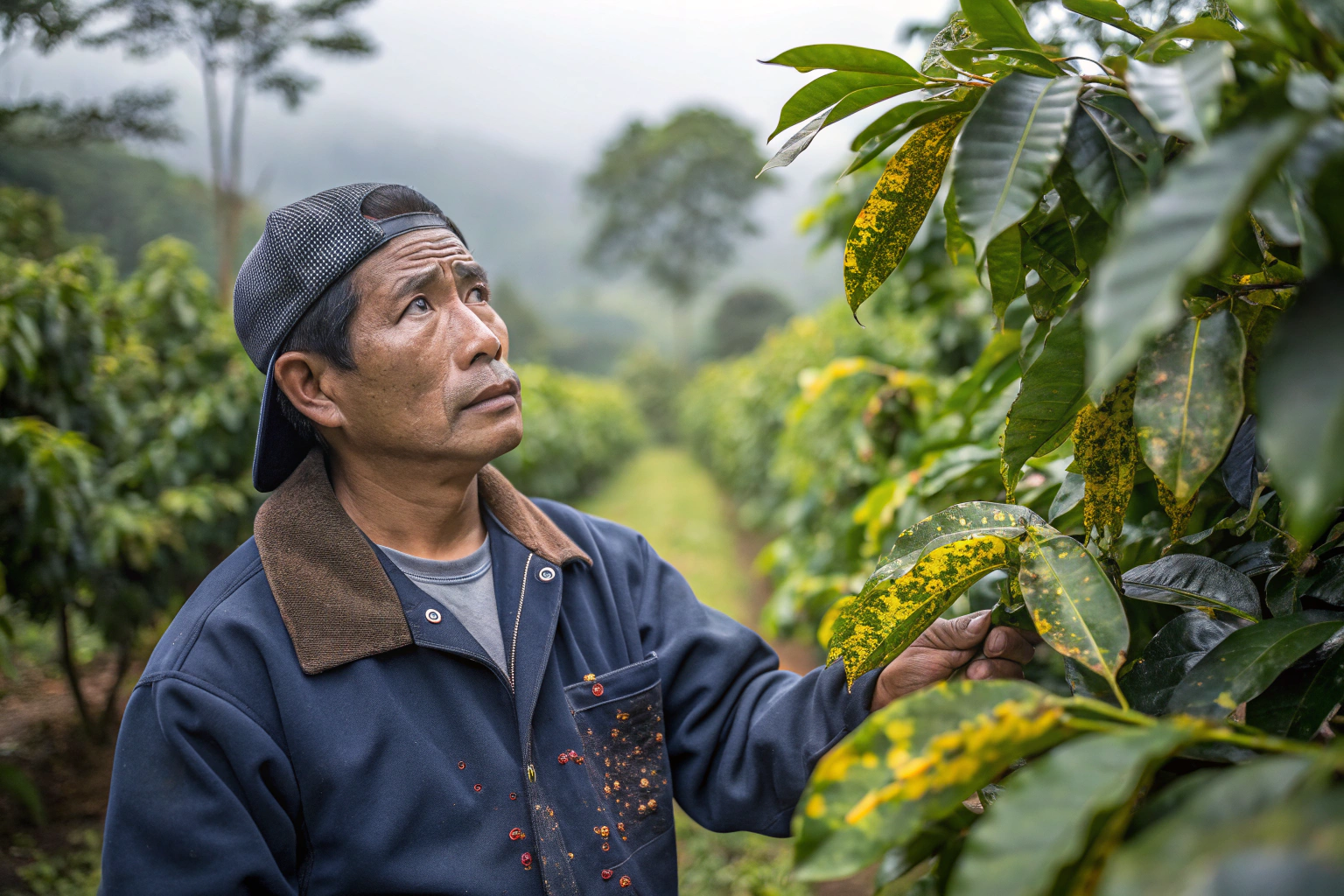
I run BeanofCoffee, a coffee exporter in Yunnan, China. We own more than 10,000 acres in Baoshan City. We sell Catimor, Arabica, and Robusta. We ship to North America, Europe, and Australia. I have seen many problems in coffee. Drought. Frost. Pests. Price crashes. But one problem scares me more than most. That problem is leaf rust. It is a fungus. It attacks the leaf. It kills the tree's ability to make food. Then the tree dies. Or it survives, but it gives almost no cherries. I have watched a healthy farm turn yellow in one season. I have watched farmers cut down trees and plant something else. That is why leaf rust matters. It is not just a farm problem. It is a global supply problem.
Arabica leaf rust is changing the global coffee map because it is spreading into new regions, surviving warmer winters, and killing trees that were once safe. It has already reshaped coffee production in Sri Lanka, Java, and parts of Latin America. Now it is a growing risk in Africa, Asia, and even highland areas that were once too cool for the fungus. The disease pushes farmers to switch to resistant varieties, replace Arabica with Robusta, or leave coffee altogether. That shifts where coffee is grown, what it costs, and what it tastes like. So leaf rust is not just a plant disease. It is a map changer.
So, what does this mean for you? It means you should understand the disease. You should know the risk in your origin. You should ask your supplier what they are doing about it. You should plan for variety changes in your blends. At BeanofCoffee, we test our trees every season. We plant resistant varieties. We share data with buyers. We are not safe. No one is. But we are prepared. Let me explain why leaf rust is reshaping the coffee world.
What Is Arabica Leaf Rust and Why Is It Spreading?
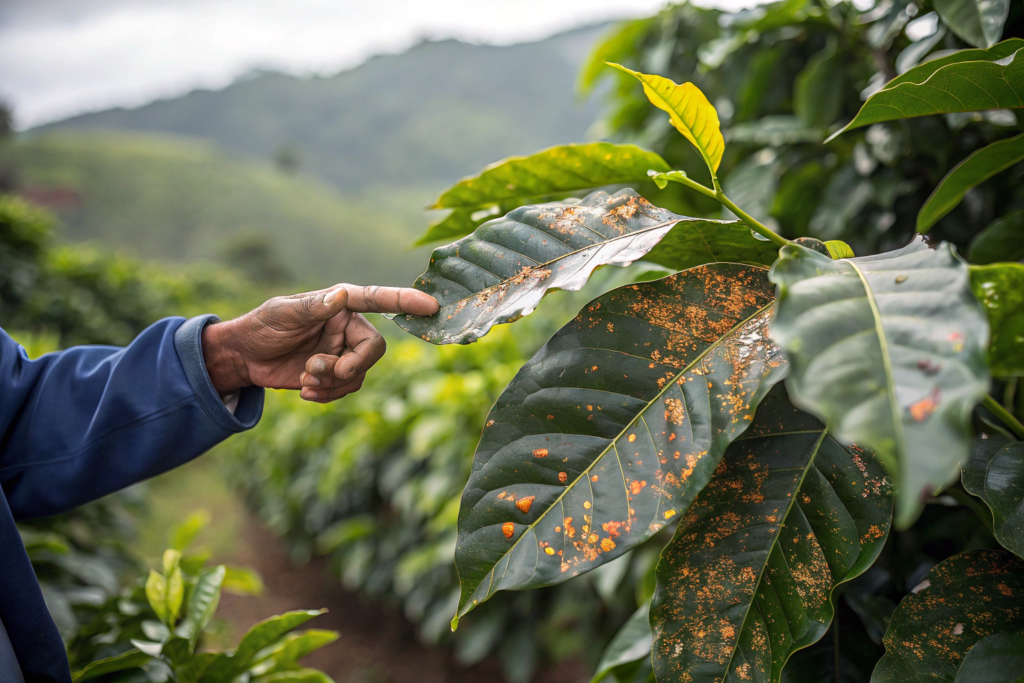
Leaf rust is caused by a fungus. Its scientific name is Hemileia vastatrix. It attacks the underside of the coffee leaf. It creates orange spots. Those spots are the spores. The spores spread by wind and rain. They land on other leaves. They infect them. The leaf falls off. The tree loses its energy. It cannot grow cherries. It cannot fight other problems. It slowly dies. I have seen it. It is not pretty. It is also very hard to stop once it starts.
Arabica leaf rust is spreading because of warmer temperatures, more rain in some regions, and the movement of plants and people. The fungus likes warm, wet conditions. It used to be limited to low altitudes. Now it is moving higher. It survives winters that used to kill it. It also spreads through wind, rain splash, and human movement. Arabica is especially vulnerable because most Arabica varieties have little resistance. So the disease has a wide open field. It is changing where Arabica can grow.
Another way to look at this is to compare it to a flu that spreads through a crowded room. One sick person can infect many. One infected leaf can infect a whole farm. If the room is warm and wet, it spreads faster. That is what is happening now. The climate is changing. The room is warmer. The fungus is stronger. So the map is changing.
Why Is Arabica More Vulnerable Than Robusta?
Arabica is more vulnerable for several reasons. It grows at high altitudes. It prefers cool weather. But cool weather does not stop the fungus anymore. Arabica also has less genetic diversity. Most commercial Arabica comes from a narrow family tree. That means fewer natural defenses. Robusta has thicker leaves. It has more resistance. It can survive in warmer places. The International Coffee Organization tracks production and disease data. The Specialty Coffee Association shares research on coffee varieties and quality. I use these to explain the difference. Arabica is the delicate one. Robusta is the tough one. So when rust hits, farmers often switch. That switch changes the cup. It also changes the price.
I have seen farmers in Yunnan debate this. Should they keep Arabica? Should they switch to Robusta? Should they plant a resistant hybrid? There is no easy answer. Arabica sells for more. Robusta is safer. A hybrid may be the middle path. But hybrids need testing. They need time. So the decision is hard. That is why the disease is so disruptive. It forces choices that no one wants to make.
How Does Climate Change Make Rust Worse?
Climate change makes rust worse by warming the nights and changing the rain. The fungus needs water on the leaf to infect it. It also needs warmth. In the past, high altitudes were too cold for the fungus. Now those altitudes are warmer. So the fungus can climb the mountain. The FAO Land & Water shares climate and agriculture data. The World Wildlife Fund coffee page explains coffee and climate risks. I use these to plan our own farm strategy. We are testing shade trees. We are testing new varieties. We are testing water management. These tests take time. But they are necessary. Without them, the farm may not survive.
A buyer should also watch this trend. If a region loses its Arabica, the supply drops. The price rises. The cup changes. So a buyer who plans ahead can lock in supply. A buyer who waits may pay more. That is the business side of the disease. It is not just about trees. It is about money.
Which Regions Are Losing Arabica to Leaf Rust?
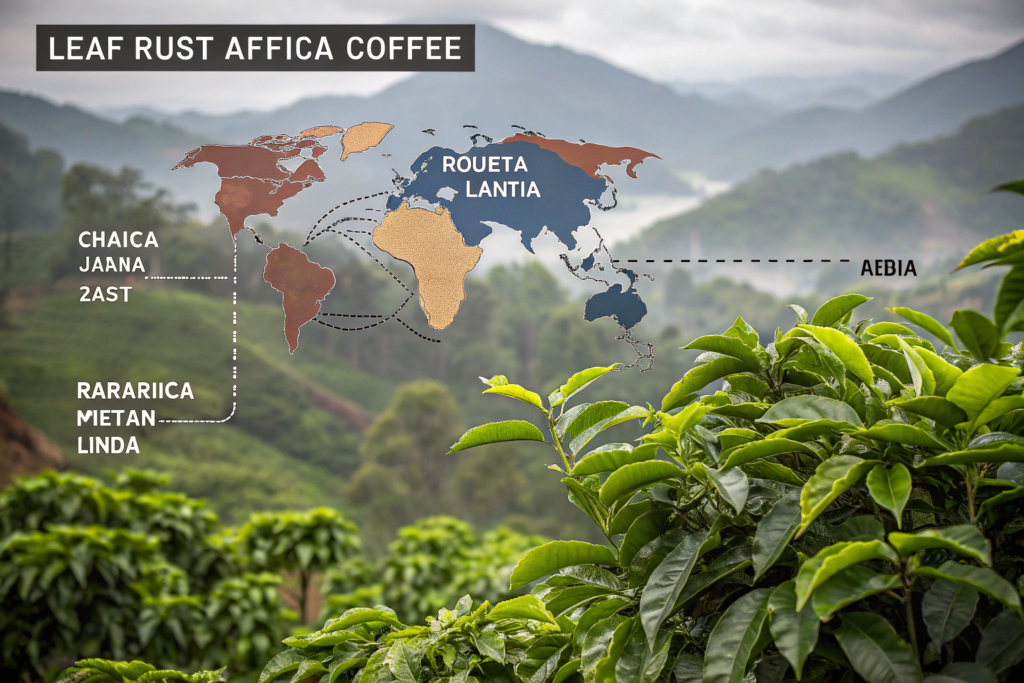
The history of leaf rust is a history of lost regions. It started in Sri Lanka. It destroyed the coffee industry there. It moved to Java. It destroyed coffee there too. It reached Brazil. It reached Central America. It reached Peru. It reached Mexico. Each time, it changed the map. Some regions recovered. Some never did. I have read these stories. They are a warning. They show what can happen when a region is not prepared.
Several regions are losing Arabica to leaf rust or have already lost it. Sri Lanka lost its coffee industry in the 1800s and switched to tea. Java lost much of its Arabica and switched to Robusta. Parts of Central America have seen major losses, especially in lower altitudes. Peru, Mexico, and Honduras have all faced serious outbreaks. In Asia, India and China are watching the risk closely. In Africa, Ethiopia and Kenya face growing pressure. The disease is not new. But it is spreading. And it is moving higher.
So, what does this mean for you? It means you should not assume your origin is safe. Even a high-altitude farm can be at risk now. So ask about rust. Ask about prevention. Ask about variety. A supplier who knows the risk is a supplier who can plan. A supplier who ignores it may lose the crop. So ask the question. The answer tells you a lot.
Why Did Sri Lanka and Java Lose Their Coffee?
Sri Lanka and Java lost their coffee because they depended on one vulnerable crop. Sri Lanka was a major coffee producer in the 1800s. Then leaf rust arrived. The trees died. The industry collapsed. Farmers switched to tea. Java had a similar story. It lost much of its Arabica. It switched to Robusta. The Daily Coffee News covers coffee history and origin news. The Perfect Daily Grind shares origin and farming stories. I use these to explain the risk. The lesson is clear. A region that depends on one crop is a region at risk. So diversity matters. So does preparation.
I tell buyers this story when they ask about risk. It is not a happy story. But it is a true one. It shows what happens when a region ignores a disease. It also shows what happens when a region adapts. Tea and Robusta are not failures. They are adaptations. But they changed the map. That is the point. The map can change. It has changed before. It can change again.
Which Countries Are Most at Risk Now?
Several countries are at high risk now. Ethiopia and Kenya are at risk because they grow so much Arabica. Vietnam is mostly Robusta, so it is less at risk. Colombia and Brazil have resistant varieties, but the disease still causes losses. Peru and Honduras are vulnerable. India and China are watching. The USDA Foreign Agricultural Service shares global crop and trade data. The World Bank commodity markets share price and market outlooks. I use these to track the risk. A buyer should watch these sources too. A disease outbreak can change the price overnight. So keep an eye on it. Then plan.
Yunnan is not immune. We have seen rust in lower areas. We watch it closely. We plant resistant varieties. We test. We share data. We are not safe. But we are prepared. That is the best anyone can do. So prepare. Then watch. Then adapt. That is the only way.
How Do Farmers Fight Arabica Leaf Rust?
Farmers fight rust in several ways. They use fungicides. They plant resistant varieties. They prune trees. They manage shade. They improve nutrition. They remove infected leaves. Each method helps. No method is perfect. So the best farmers use several methods together. That is called integrated pest management. It is not a single fix. It is a system. I have seen it work. I have also seen it fail when farmers rely on one method alone. So let me share what we do.
Farmers fight Arabica leaf rust with resistant varieties, fungicides, pruning, shade management, balanced nutrition, and early detection. Resistant varieties are the strongest long-term tool. Fungicides can help in the short term but cost money and may harm the environment. Pruning improves airflow and reduces moisture on leaves. Shade management can lower stress on trees. Balanced nutrition helps trees fight infection. Early detection lets farmers remove infected leaves before the disease spreads. The best approach combines all these methods.
So, what should you do? If you are a farmer, start with resistant varieties. Then add the other methods. If you are a buyer, ask your supplier what they use. Ask about variety. Ask about spray records. Ask about yield data. A supplier with a plan is a safer supplier. A supplier without a plan is a risk. So ask. Then decide.
What Resistant Varieties Are Available?
Several resistant varieties are available. Catimor is one. It has Hibrido de Timor in its family. That gives it some resistance. Sarchimor is another. Castillo is popular in Colombia. Ruiru 11 is used in Kenya. Batian is another Kenyan variety. The World Coffee Research shares variety information and breeding programs. The Coffee Institute shares research on coffee genetics. I use these when we select trees for our farm. Catimor is common in Yunnan. It is not perfect. It can still get rust. But it survives better than older varieties. That is why we plant it. That is why many farmers in Yunnan plant it.
A buyer should know the variety. A Catimor cup is different from a Bourbon cup. It may be less complex. It may have a different body. So the variety affects the taste. It also affects the price. A resistant variety may be cheaper to grow. But it may sell for less. So the farmer must balance yield and quality. That is a hard choice. So respect it. Then plan your blend around it.
How Do Fungicides and Organic Methods Compare?
Fungicides work fast. They can stop an outbreak. But they cost money. They need repeated use. They may leave residue. They may harm beneficial insects. Organic methods are slower. They include compost tea, neem oil, and biological controls. They are safer for the environment. But they may not stop a severe outbreak. The Rainforest Alliance explains sustainable farming methods. The Fairtrade coffee page explains fair trade and environmental standards. I use these when we plan our farm treatment. We prefer organic methods where possible. But we use targeted fungicide when needed. That is the balanced approach. It protects the crop and the land. So balance matters.
I tell buyers to ask about this. If a coffee is certified organic, the farmer cannot use most fungicides. That makes rust harder to manage. So the price may be higher. That is fair. Organic coffee with rust risk costs more to grow. So the price reflects the risk. A buyer should understand that. Then decide.
How Does Leaf Rust Change Coffee Supply and Price?
Leaf rust affects supply. It affects price. It affects quality. When a region loses trees, it loses volume. When volume drops, price rises. When price rises, buyers look for alternatives. When buyers look for alternatives, the map changes again. I have seen this cycle. It is not fast. But it is powerful. A disease in one country can change the price in another. That is how connected the coffee world is. So a buyer should watch the disease. It is a leading indicator of price.
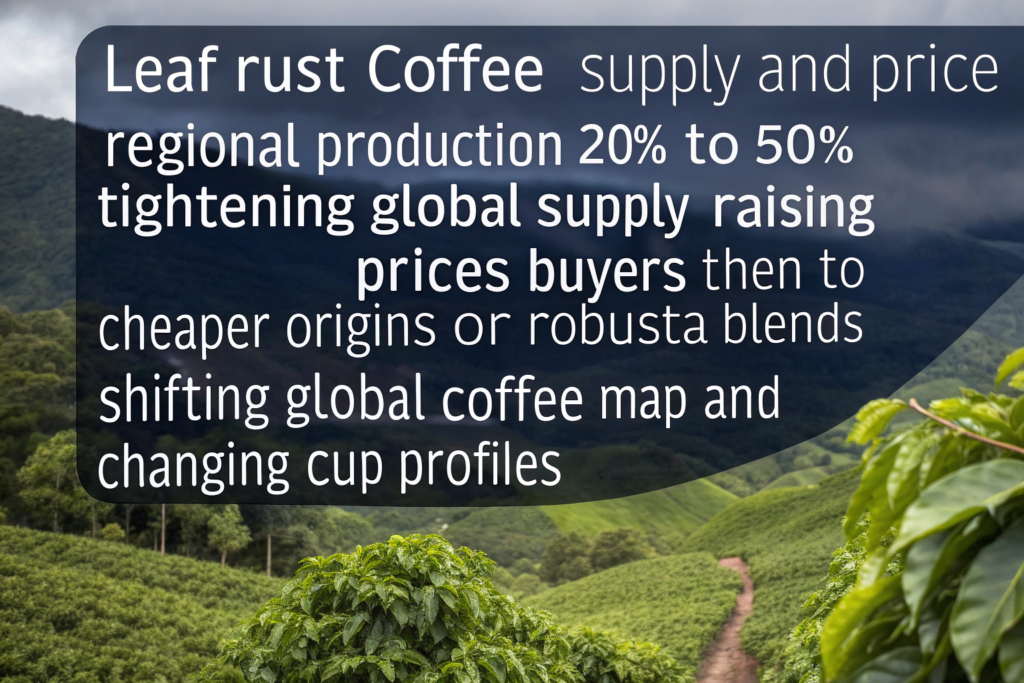
Leaf rust changes coffee supply and price by reducing yields, killing trees, and pushing farmers to switch crops or varieties. A severe outbreak can cut regional production by 20% to 50% or more. That reduction tightens global supply. Tight supply raises prices. Higher prices push buyers to cheaper origins or Robusta blends. Over time, this shifts the global coffee map. It also changes the cup profile of many blends. So leaf rust is not just a farm issue. It is a market issue.
So, what should you do? Watch the outbreak reports. Watch the production forecasts. Watch the price. Then plan your buying. Do not wait for the price to spike. Buy early when you see the risk. That is how you protect your margin. That is how you protect your customers. So watch. Then act.
Why Does Rust Raise Coffee Prices?
Rust raises prices because it reduces supply. Fewer cherries mean fewer bags. Fewer bags mean higher prices. The International Coffee Organization tracks production and prices. The USITC provides trade and tariff data. I use these to explain the link. A 10% drop in supply can raise the price more than 10%. That is how markets work. So a disease in one region can raise your cost in another. That is the risk. So plan for it. Then buy smart.
I also tell buyers to look at the futures market. Coffee futures react to news. A bad rust report can move the price in a day. So keep an eye on it. Then decide. Do not panic. But do not ignore it. That is the balance.
How Does Rust Change Cup Quality and Blends?
Rust changes cup quality in several ways. It reduces yield. It can also reduce bean density. Lower density can mean a weaker cup. It can also mean more defects. So the quality may drop. When quality drops, roasters must adjust their blends. They may use more Robusta. They may use more resistant varieties. They may change the roast. The SGS coffee inspection and Intertek coffee pages show how quality is tested. I use these when we cup our lots. A rust-affected lot may taste thinner. It may have less sweetness. So we blend it with other lots. That is how we keep the cup stable. That is how we protect the buyer.
A buyer should know this. If the cup changes, ask why. It may be rust. It may be weather. It may be processing. A good supplier will explain. A weak supplier will hide it. So ask. Then adjust your blend. That is how you stay consistent. That is how you keep your customers.
How Can Buyers Prepare for Rust-Driven Changes?
A buyer cannot stop rust. But a buyer can prepare. I have seen buyers who plan ahead. They have backup origins. They have resistant variety options. They have long-term contracts. They have safety stock. They are calm when the news breaks. I have seen buyers who do not plan. They panic. They pay too much. They lose customers. So the difference is preparation. Let me share what works.
Buyers can prepare for rust-driven changes by diversifying origins, asking suppliers about variety and disease management, signing long-term contracts, keeping safety stock, and testing resistant varieties in their blends. They should also track disease reports and production forecasts. A buyer with a plan can adapt faster. A buyer without a plan may lose supply or pay too much. So plan now. Do not wait for the outbreak.
So, what should you do? Start with your supplier. Ask about variety. Ask about rust. Ask about their plan. Then look at your other origins. Do you have a backup? Do you have a resistant option? Do you have a Robusta option? Then build a plan. It does not need to be complex. It needs to be real. So build it. Then review it. Then update it. That is how you stay ahead.
Why Should Buyers Ask About Coffee Varieties?
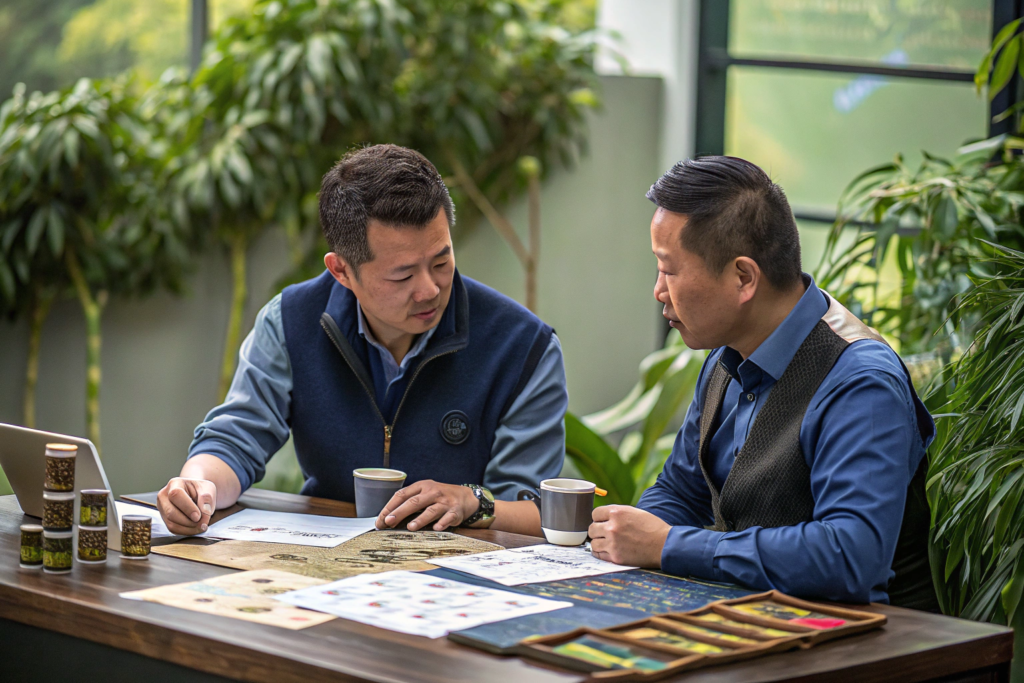
Buyers should ask about varieties because the variety affects taste, price, and risk. A Catimor may be rust-resistant but less complex. A Bourbon may taste better but be more vulnerable. A Geisha may be expensive and delicate. The World Coffee Research shares variety profiles and breeding data. The Specialty Coffee Association shares quality and variety education. I use these when I talk to buyers. A buyer who knows varieties can choose better. A buyer who does not may be surprised. So ask. Then learn. Then choose.
I also tell buyers to cup the variety. Do not just read about it. Taste it. Compare it. Then decide if it fits your blend. A resistant variety may be perfect for a grocery blend. It may not fit a specialty single origin. So match the variety to the market. That is the smart way. That is how you protect your brand.
How Do You Build a Rust-Resistant Supply Plan?
You build a rust-resistant supply plan by combining several tools. First, diversify origins. Do not depend on one country. Second, ask suppliers about variety and disease management. Third, sign contracts that allow for variety changes. Fourth, keep safety stock. Fifth, test resistant varieties in your blends. The Trade.gov site offers export and import guidance. The CBP page explains U.S. customs entry. I use these when I help buyers plan. A plan with several tools is stronger than a plan with one. So build a strong plan. Then review it every season. That is how you stay ready.
I also recommend a simple risk table. List your origins. List the rust risk. List the backup options. Then review it every quarter. A simple table keeps you focused. It also helps you act fast. So build the table. Then use it. That is how you turn a risk into a plan.
Conclusion
Arabica leaf rust is changing the global coffee map. It is spreading into new regions. It is moving higher. It is killing trees and shifting production. It has already reshaped Sri Lanka, Java, and parts of Latin America. It is now a growing risk in Africa, Asia, and Yunnan. Farmers are fighting back with resistant varieties, fungicides, pruning, shade, and nutrition. Buyers can prepare with diversity, long-term contracts, safety stock, and variety testing. The disease is not going away. But it can be managed. The regions and buyers who plan now will be the ones who survive. The ones who ignore it may lose their supply. So plan. Then adapt. Then watch the map change.
At BeanofCoffee, we take leaf rust seriously. We own more than 10,000 acres in Baoshan City, Yunnan. We export Catimor, Arabica, and Robusta. We plant resistant varieties. We test every season. We work with large buyers, brand owners, distributors, and trading companies. We can share variety data, test reports, and samples. If you want to build a rust-resistant supply plan, please contact Cathy Cai at cathy@beanofcoffee.com. She will help you with samples, pricing, specifications, and shipping plans. You can also visit BeanofCoffee to learn more. Let us build a stronger coffee supply together.