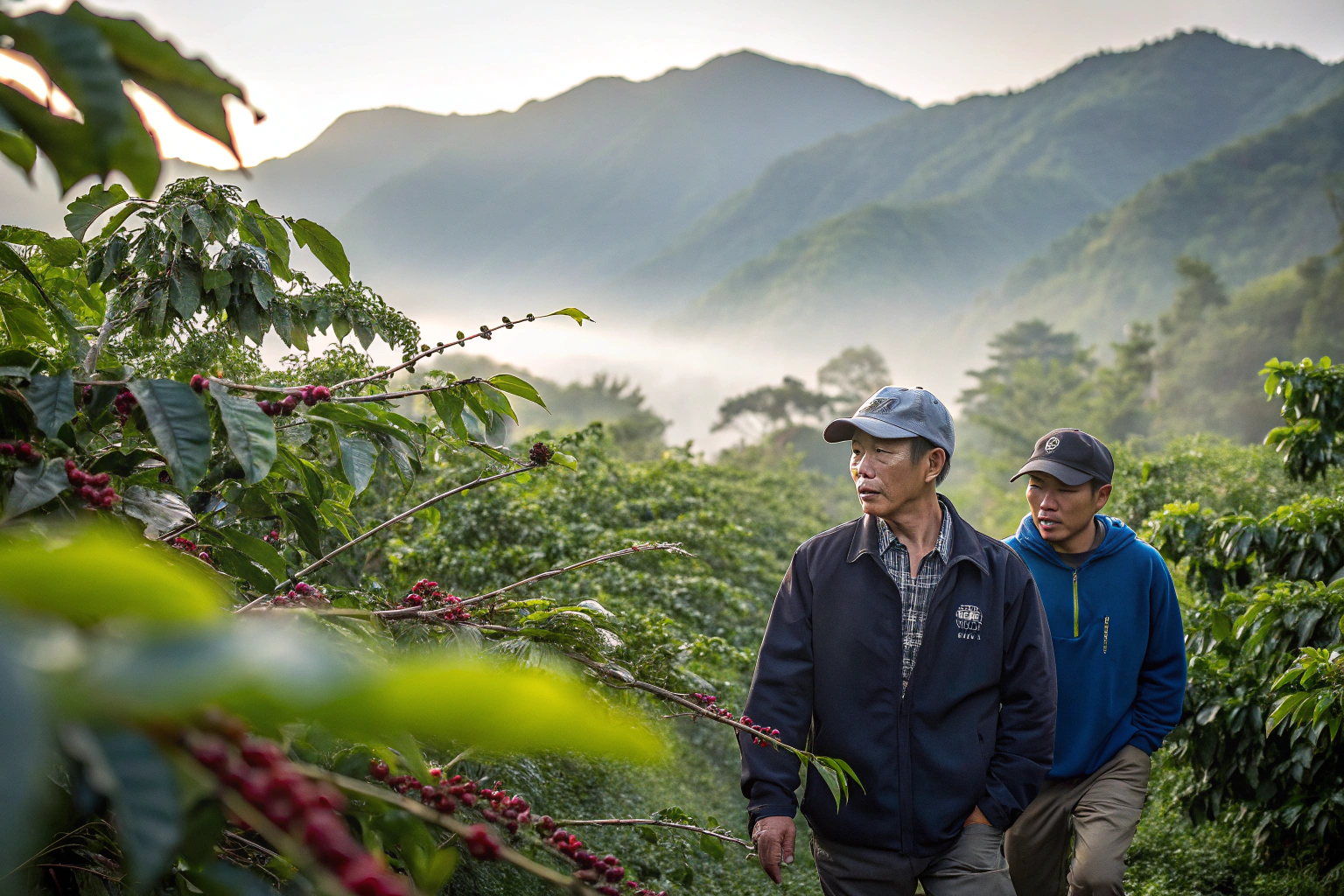
I run BeanofCoffee, a coffee exporter in Yunnan, China. We own more than 10,000 acres in Baoshan City. We sell Catimor, Arabica, and Robusta. We ship to North America, Europe, and Australia. Buyers like Ron ask me a lot of questions. How do I find good coffee? How do I check quality? How do I ship it? But one question comes up less often. Should I visit Yunnan in person? Ron is 44. He owns a company in America. He cares about price and timeliness. He sources on Google, Alibaba, and at trade shows. He is confident and likes to lead the conversation. So when he asked me about a buying trip, I said yes. Come see the farms. Come cup the coffee. Come meet the people. A visit changes everything.
To plan a coffee buying trip to Yunnan, you should choose the right season, build a realistic itinerary, prepare your documents and gear, and set clear goals before you fly. The best time is during harvest, usually November to March. You should visit farms, mills, and cupping labs. You should budget 7 to 14 days. You should book hotels and transport early. You should also learn a few basic Chinese phrases and bring small gifts for hosts. A good trip is not a vacation. It is a working visit. But it can build trust faster than a year of emails.
So, what does this mean for you? It means a trip to Yunnan is not just travel. It is a business tool. You can taste the coffee at the source. You can check the mill with your own eyes. You can meet the farmers who grow your beans. That experience changes how you buy. It also changes how you sell. When you tell your customers about the farm, they listen. So let me show you how to plan a trip that works. I have hosted many buyers. I have seen what works and what fails. Let me share it with you.
When Is the Best Time for a Yunnan Coffee Trip?
Timing is the first decision. If you come at the wrong time, you see empty trees and closed mills. If you come at the right time, you see the harvest in full swing. You smell the fermentation. You hear the pulpers running. You taste fresh crop coffee. That is the trip you want. Ron asked me when to come. I told him November to March. That is the Yunnan harvest window. But even inside that window, the timing matters. Early harvest, mid harvest, and late harvest all show different things. So think about what you want to see.
The best time for a Yunnan coffee trip is during the harvest season, which runs from November to March. The peak harvest is usually December to February. During this window, you can see picking, pulping, fermentation, washing, and drying. You can also cup fresh crop samples. If you want to see processing in action, come in December or January. If you want to see drying and milling, come in February or March. Avoid the rainy season, which runs from June to September. The roads are harder, and the mills are quiet.
Another way to look at this is to compare it to visiting a winery. You would not visit during the off-season. You would visit during the crush. Coffee works the same way. The harvest is the crush. That is when the action is. That is when you learn the most. So plan around the harvest. Then plan the rest.
What Happens During the Yunnan Harvest Season?
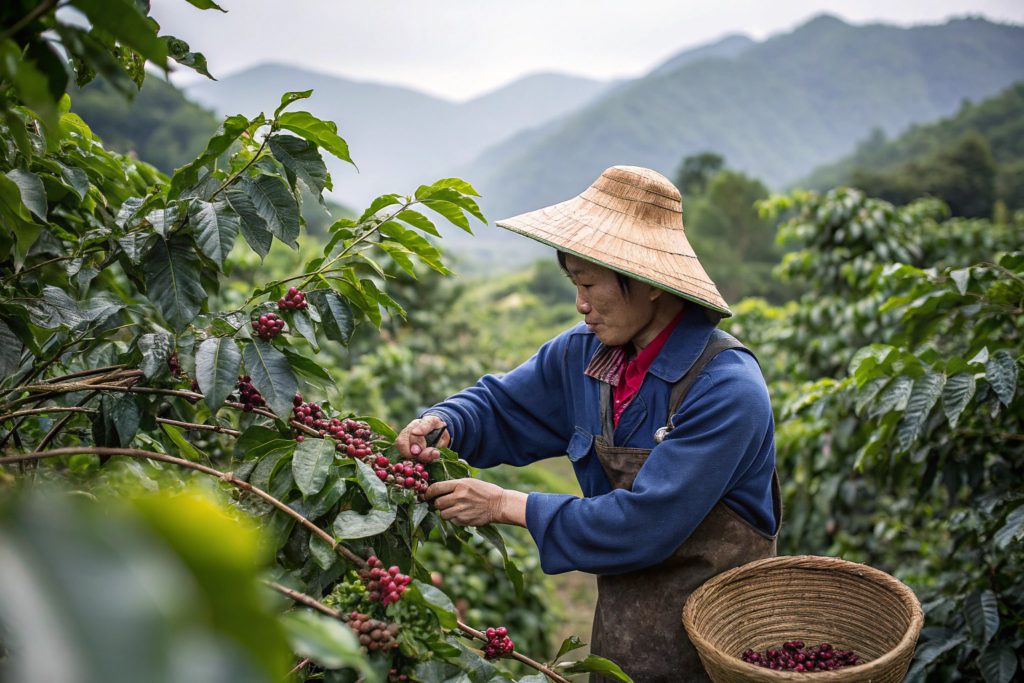
During the Yunnan harvest season, the mountains come alive. Farmers pick cherries by hand. They carry baskets down steep slopes. The mills run day and night. The fermentation tanks fill up. The drying beds are full of red fruit. The air smells sweet and earthy. The International Coffee Organization tracks global harvest calendars. The Specialty Coffee Association shares origin and harvest information. I use these to explain the season to buyers. A harvest visit shows you the full process. You see where the coffee comes from. You see how much work goes into each bag. That knowledge changes how you value the coffee.
The harvest also brings challenges. Roads are busy. Trucks are full. Hotels may be booked. So plan early. Book your room in advance. Book your transport in advance. Do not assume you can find a car at the last minute. A little planning makes the trip smooth. A lot of planning makes it great.
How Does Weather Affect a Coffee Buying Trip?
Weather affects everything. Yunnan has a dry season and a wet season. The dry season runs from November to April. The wet season runs from May to October. The harvest happens in the dry season. That is good for travel. But the mountains can still be cold. Morning temperatures can drop near freezing. Afternoon temperatures can rise. So bring layers. Bring a warm jacket. Bring comfortable shoes. The China Meteorological Administration shares weather data for China. The World Weather Online shows forecasts for Yunnan cities. I check these before I host a buyer. A cold buyer is an unhappy buyer. So dress for the mountains. Then enjoy the coffee.
Rain can also affect the roads. A heavy rain can block a mountain road. It can delay a truck. It can change your schedule. So build buffer time into your itinerary. Do not plan every hour. Leave room for weather. Leave room for surprises. That is how you stay calm. That is how you enjoy the trip.
How Do You Plan a Yunnan Coffee Farm Itinerary?
An itinerary is not a list of farms. It is a plan that balances travel, cupping, meetings, and rest. I have seen buyers try to visit ten farms in five days. They ended up exhausted. They did not cup properly. They did not ask good questions. So do less. See more. That is my advice. Pick three to five farms. Pick two or three mills. Add one or two cupping sessions. Add one day for rest. That is a good trip. Ron liked this advice. He said it saved him from a bad schedule.
You plan a Yunnan coffee farm itinerary by focusing on quality over quantity. Choose three to five farms in one or two regions. Add two or three mills. Add cupping sessions at each stop. Add travel days between regions. Add one rest day. A 7-day trip can cover one region well. A 10-day trip can cover two regions. A 14-day trip can cover three. Do not try to see everything. Try to see the right things. Then go deep.
So, what does this mean for you? It means you should not treat the trip as a checklist. Treat it as a relationship. You are meeting people. You are building trust. You are learning a place. That takes time. So slow down. Spend more time at each farm. Ask more questions. Drink more coffee. That is how you get value from the trip.
Which Regions Should You Visit in Yunnan?
Several regions matter for coffee. Baoshan is one of the biggest. Pu'er is famous for tea and coffee. Lincang is a growing region. Dehong is near the Myanmar border. Each region has a different flavor and a different culture. The Yunnan Coffee Association shares regional information. The Daily Coffee News covers origin news and trends. I use these to help buyers choose. If you want volume, visit Baoshan. If you want variety, visit Pu'er. If you want new origins, visit Lincang. So match the region to your goal. Then plan the route.
Travel between regions takes time. A drive from Baoshan to Pu'er can take a full day. A flight can save time. But flights may not go direct. So plan for travel days. Do not pack too much into one day. A tired buyer makes bad decisions. A rested buyer makes good ones. So rest. Then cup.
How Do You Arrange Farm Visits and Cupping Sessions?
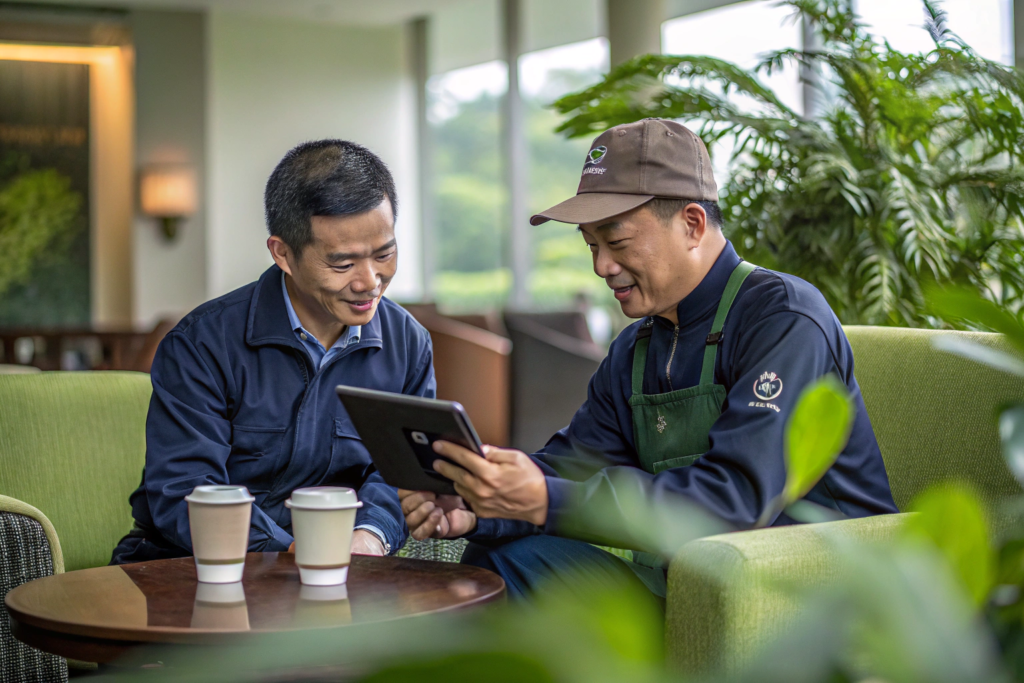
You arrange farm visits through your supplier or a local contact. Do not just show up. That is rude. And it may not work. Send a message early. Explain who you are. Explain what you want. Ask for a time. The Alibaba platform can connect you with suppliers. The Trade.gov site offers export and import guidance. I use these when I help buyers plan. A good supplier will arrange the visits. A good supplier will also join you. That makes the trip easier. It also builds the relationship.
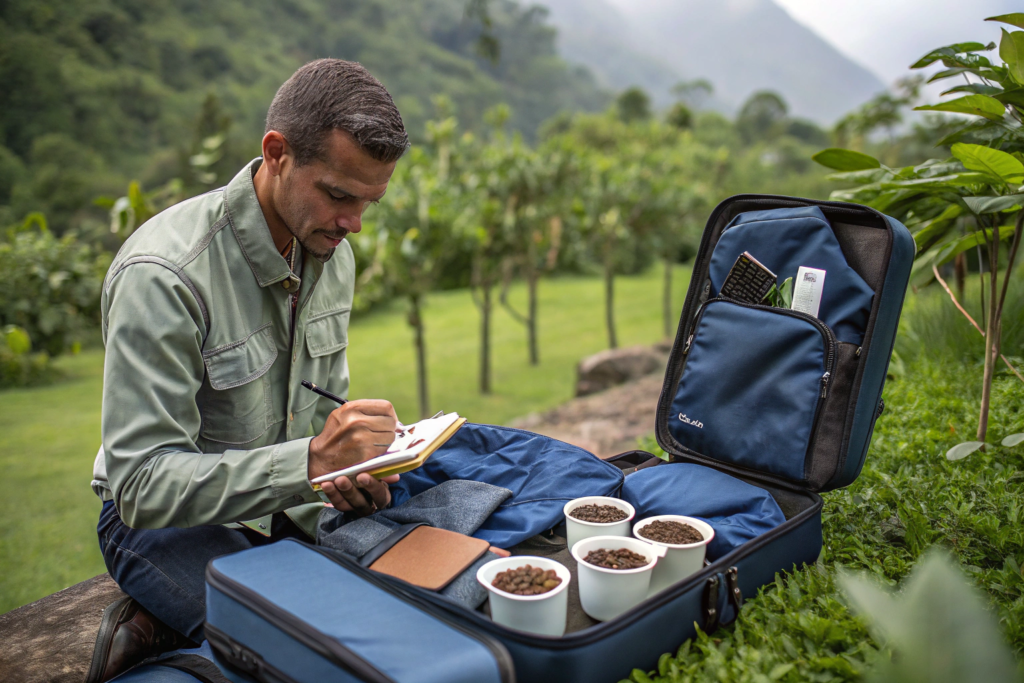
Cupping sessions are important. Ask for a blind cupping. Ask for samples from different lots. Ask for the moisture and defect data. Compare the cups. Take notes. Do not rely on memory. A notebook is your friend. So bring one. Use it. Then review it after the trip. That is how you learn.
What Should You Bring on a Coffee Buying Trip?
Packing is not glamorous. But it matters. I have seen buyers arrive without the right gear. They were cold. They were wet. They could not cup properly. So let me give you a simple list. Bring layers. Bring comfortable shoes. Bring a notebook. Bring a cupping spoon. Bring a moisture meter if you have one. Bring a power adapter. Bring business cards. Bring small gifts. These items make the trip easier. They also show respect.
You should bring layers, comfortable shoes, a notebook, a cupping spoon, a moisture meter, a power adapter, business cards, and small gifts. Yunnan mountains are cold in the morning and warm in the afternoon. So layers are essential. Comfortable shoes are essential for farm walks. A cupping spoon and notebook help you evaluate coffee. Small gifts like your company's branded items or specialty snacks from your country show respect to your hosts. Pack light but pack right.
So, what does this mean for you? It means you should not overpack. You are not going on a beach vacation. You are going to work. So pack practical items. Pack useful items. Pack items that help you do your job. Then you will be ready for anything.
What Documents Do You Need for a China Trip?
You need a passport with at least six months validity. You need a Chinese visa. You may need a letter of invitation from your supplier. You may need proof of hotel and flight bookings. The China Customs website shares customs rules. The Chinese Embassy shares visa information. I use these when I advise buyers. A missing document can stop your trip. So check the rules early. Apply for the visa early. Do not wait until the last minute. A little planning saves a lot of stress.
You should also bring copies of your documents. Keep one copy in your bag. Keep one copy in your hotel. Keep one digital copy on your phone. If you lose one, you have a backup. That is simple. But it works. So do it.
What Gifts Should You Bring for Your Hosts?
Small gifts are a nice touch. They show respect. They build relationships. Good gifts include branded items from your company, specialty snacks from your country, or small items that represent your region. Do not bring expensive gifts. That can feel awkward. Bring something thoughtful. Bring something useful. The Fairtrade coffee and Rainforest Alliance coffee pages explain relationship-based sourcing. I use these when I talk about trust. A small gift is not a bribe. It is a gesture. It says, "I value this relationship." That matters. So bring a few small gifts. Then share them with your hosts.
I also tell buyers to learn a few Chinese phrases. "Ni hao" means hello. "Xie xie" means thank you. "Hao he" means good to drink. These small efforts go a long way. They show you care. They make people smile. So learn a few words. Then use them. You will see the difference.
How Do You Build Trust with Yunnan Coffee Farmers?
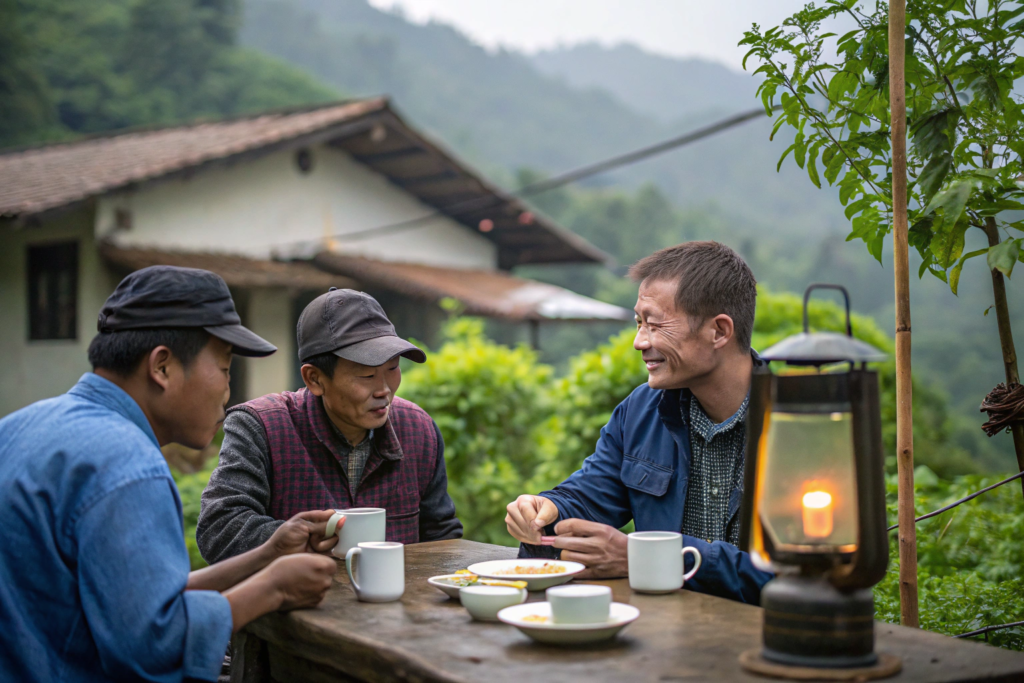
Trust is the real goal of a buying trip. You are not just buying coffee. You are building a relationship. I have seen buyers who only talk about price. They do not build trust. They do not get the best lots. I have seen buyers who ask about the family. They share a meal. They listen. They get the best lots. Why? Because the farmer knows them. The farmer trusts them. Trust wins. So focus on trust. Then the coffee follows.
You build trust with Yunnan coffee farmers by showing respect, listening more than talking, sharing meals, asking about their work, and following through on your promises. Do not just talk about price. Ask about the harvest. Ask about the weather. Ask about their family. Share a meal. Drink tea. Be patient. Then follow up after the trip. Send a message. Send a photo. Send a small order. Trust grows over time. It cannot be rushed. But it can be built. And it is worth building.
So, what does this mean for you? It means you should not treat the trip as a transaction. Treat it as a relationship. You are meeting people who work hard. They want to be respected. They want to be heard. They want a fair price. If you give them that, they will give you their best coffee. That is the deal. That is the real deal.
Why Is Respect More Important Than Price?
Respect is more important than price because price is a number. Respect is a feeling. A farmer who feels respected will save the best lot for you. A farmer who feels used will sell to someone else. The Global Coffee Platform shares sustainable sourcing practices. The Tea & Coffee Trade Journal covers trade relationships. I use these when I train our team. A respectful buyer gets better coffee. A disrespectful buyer gets average coffee. So be respectful. Be patient. Be fair. Then you will win.
I also tell buyers to avoid hard bargaining at the farm. Negotiation is fine. But do it with respect. Do not insult the coffee. Do not insult the work. Ask questions. Explain your budget. Find a fair number together. That is how trust is built. That is how deals are made.
How Do You Follow Up After the Trip?
Follow up after the trip with a simple message. Thank your hosts. Mention a specific detail from the visit. Send a photo. Then send a small order. The SGS coffee inspection and Intertek coffee pages show third-party verification options. I use these when I help buyers plan their next steps. A small order shows you are serious. It shows you want to do business. It builds trust. Then the next order is bigger. Then the next one is bigger. That is how relationships grow. That is how supply chains become stable.
I also recommend keeping a record. Write down the names. Write down the farms. Write down the lots. Write down the cups. Then review it before your next trip. That record helps you remember. It also helps you plan. So keep a record. Use it. Then build on it.
Conclusion
Planning a coffee buying trip to Yunnan is not hard. But it takes care. Choose the right season. Build a realistic itinerary. Bring the right gear. Build trust with farmers. A trip to Yunnan can change how you buy coffee. It can change how you sell it too. When you meet the farmers, you can tell their story. When you see the mill, you can trust the process. When you cup the coffee at the source, you can choose the best lots. So plan the trip. Then take the trip. Then watch your business grow. The mountains are waiting. The coffee is ready. The people are friendly. All you need is a plan.
At BeanofCoffee, we host buyers in Yunnan every season. We own more than 10,000 acres in Baoshan City. We export Catimor, Arabica, and Robusta. We work with large buyers, brand owners, distributors, and trading companies. We can arrange farm visits, cupping sessions, mill tours, and local transport. If you want to plan a coffee buying trip to Yunnan, please contact Cathy Cai at cathy@beanofcoffee.com. She will help you with the schedule, the hotels, the visits, and the coffee. You can also visit BeanofCoffee to learn more. Let us plan your trip together. The coffee is waiting.