"Cathy, my customers love the coffee, but I feel like I'm not doing it justice. I just serve 'coffee.' How do I get them to understand the difference between the washed Catimor and the anaerobic natural you sent me? How do I turn a simple purchase into an experience? I want to educate my customers and show them why your beans are worth the price."
This is the kind of question I love to get from partners like Ron. It's the moment a business owner transitions from simply selling a product to curating an experience. Creating a coffee tasting menu, often called a "flight," is the single most powerful tool to achieve this. It's how you transform your cafe from a simple commodity stop into a destination for discovery. It's intimidating at first, but it's a structured process.
To create a compelling coffee tasting menu, you must curate a journey of flavor by: 1) Selecting three distinct coffees that highlight a specific contrast (e.g., process, origin, or roast), 2) Standardizing the brewing method to ensure a fair comparison, 3) Designing a simple, informative menu card that guides the customer's palate, and 4) Training your staff to present the flight as an engaging story, not just a beverage. This approach doesn't just sell more coffee; it builds customer knowledge, appreciation, and loyalty.
At Shanghai Fumao, we don't just see ourselves as farmers; we are storytellers. Every bean has a tale of its soil, its processing, its roast. A tasting menu is how you, the final ambassador of that bean, share its story in the most direct and delicious way possible. Let's design one together.
How Do You Choose the Coffees for Your Flight?
The heart of a great tasting menu is curation. You are not just randomly picking three coffees; you are choosing them to tell a specific, comparative story. The goal is to isolate a single variable so that your customer can clearly taste its impact. If you change too many things at once (different origins, different processes, and different roasts), the experience becomes confusing rather than educational.
The most effective tasting flights are built around a clear theme. Think of yourself as a museum curator arranging an exhibit. What do you want to teach your audience today?
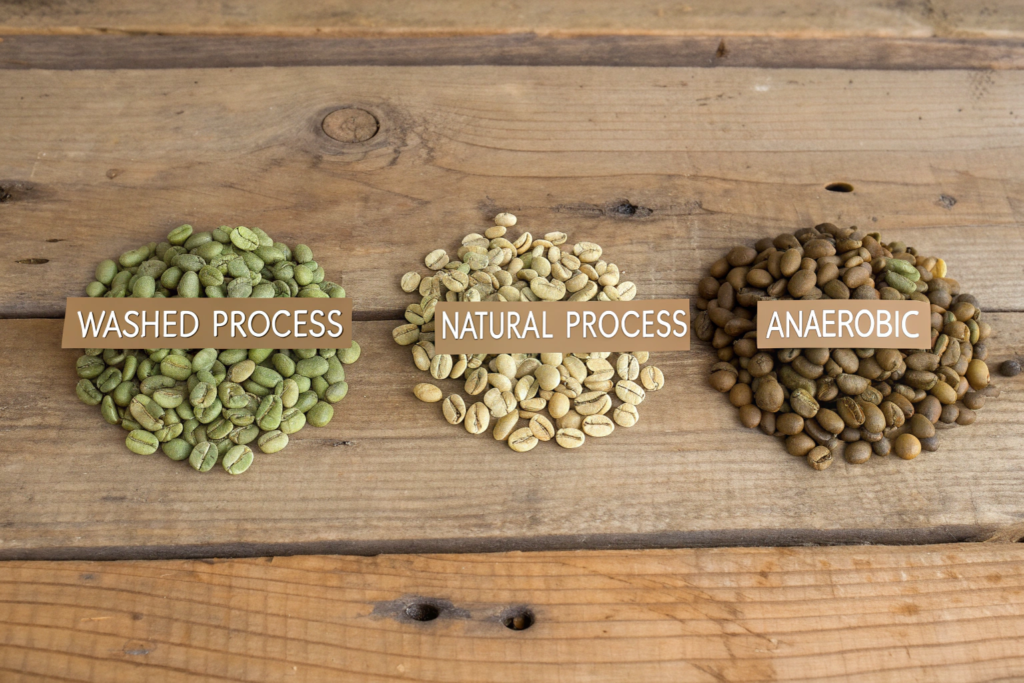
- The "Process" Flight: This is often the most dramatic and educational. You select three coffees from the same farm and varietal but with different processing methods. For example, a Washed, a Natural, and an Anaerobic Natural from our Yunnan estate. This allows the customer to taste nothing but the impact of the processing on the final cup.
- The "Origin" Flight: Here, you choose coffees from three different origins (e.g., our Yunnan, a Colombian, an Ethiopian) that were all processed and roasted in the same way (e.g., all fully washed, medium roast). This highlights the concept of terroir—how the soil and climate of a place create its unique flavor profile.
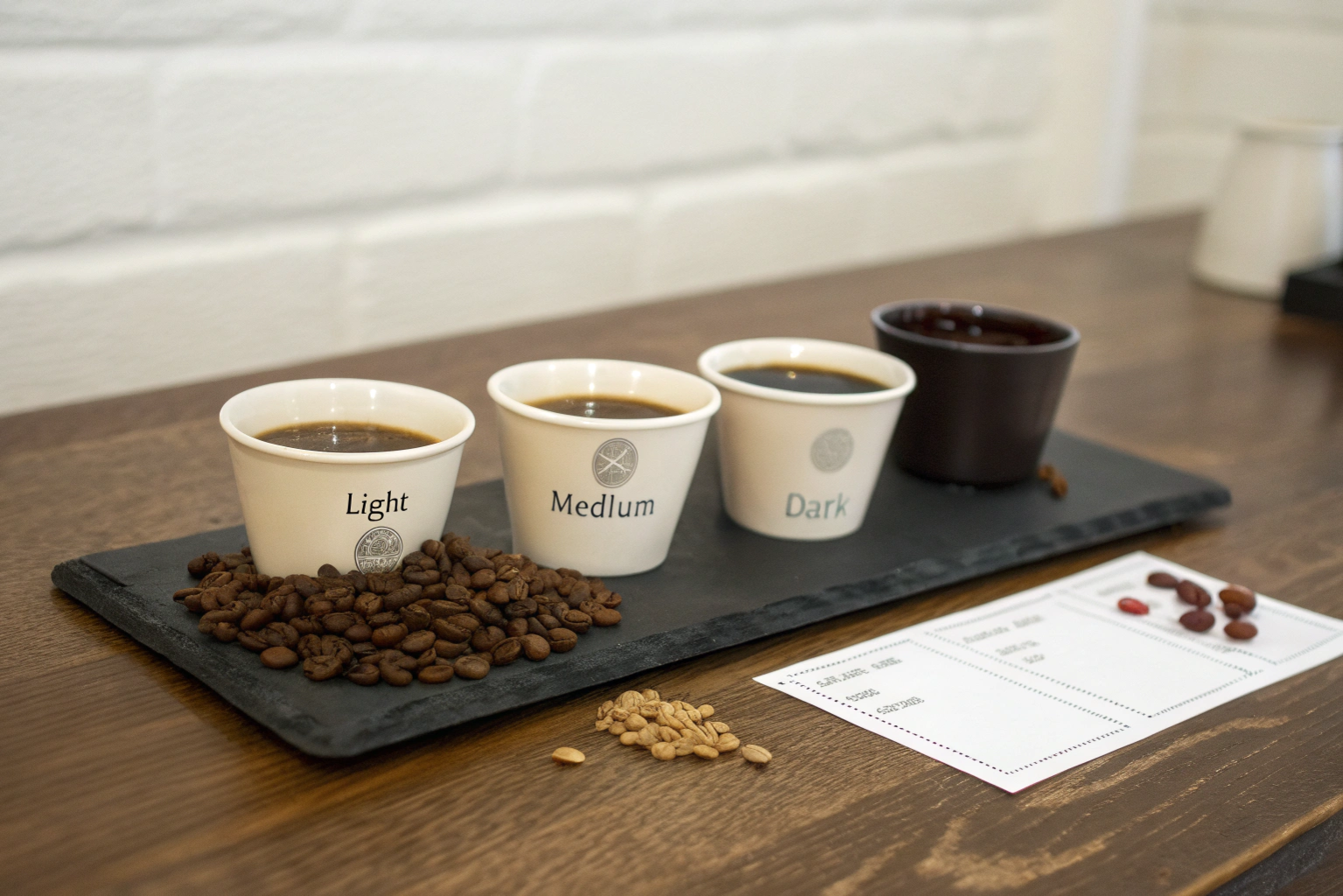
- The "Roast" Flight: This involves taking a single lot of coffee and presenting it at three different roast levels: Light, Medium, and Dark. This is a fantastic way to demonstrate how the roaster's craft shapes the final flavor, from bright acidity to roasty, caramelized sweetness.
Start with one of these themes. The "Process" flight is my personal recommendation for making the biggest impact and showing the true craft behind modern specialty coffee.
Why Is a Single Variable So Important?
By keeping all other factors constant—such as the sun-dappled farm, the same soil, the identical beans at harvest—you create a controlled experiment for your customer's palate, a sensory laboratory where variables are stripped away to reveal pure truth. When they taste the difference between the meticulously washed lot and the vibrant natural lot, their taste buds ignite with clarity: they know with certainty that the jammy, sun-ripened strawberry and ripe blackberry notes in the Natural are not mere happenstance, but a direct result of it being dried with the fruit on, its skin and pulp embracing the bean in a slow, sweet dance of fermentation.
This creates a powerful 'aha!' moment, a lightbulb flickering to life in their minds, as they connect the tactile memory of the drying process—the sticky sweetness, the earthy aroma—to the explosion of flavor on their tongue. This epiphany builds a deeper understanding and appreciation for the coffee's journey, transforming a simple cup into a narrative of patience, nature's artistry, and the careful hands that nurture each bean from cherry to cup.
How Do You Source for a Flight?
This is where a strong relationship with a vertically integrated supplier like us is key. We can provide you with different lots from the same harvest, or even the same micro-lot processed in multiple ways, specifically for this purpose. When you plan your menu, talk to us about your goals. We can help you select the perfect contrasting beans to tell a compelling story. This is a level of curation that's difficult to achieve when buying from multiple different importers.
How Do You Standardize the Brewing?
Once you've selected your coffees, you must ensure that the brewing process itself doesn't interfere with the story you're trying to tell. The goal is to present each coffee honestly and on a level playing field. If you brew one coffee as a pour-over, one as an espresso, and one as a French press, you're introducing far too many new variables. The customer won't know if they're tasting the bean or the brew method.
Therefore, standardization is non-negotiable. You must brew all three coffees in the flight using the exact same method, recipe, and equipment.
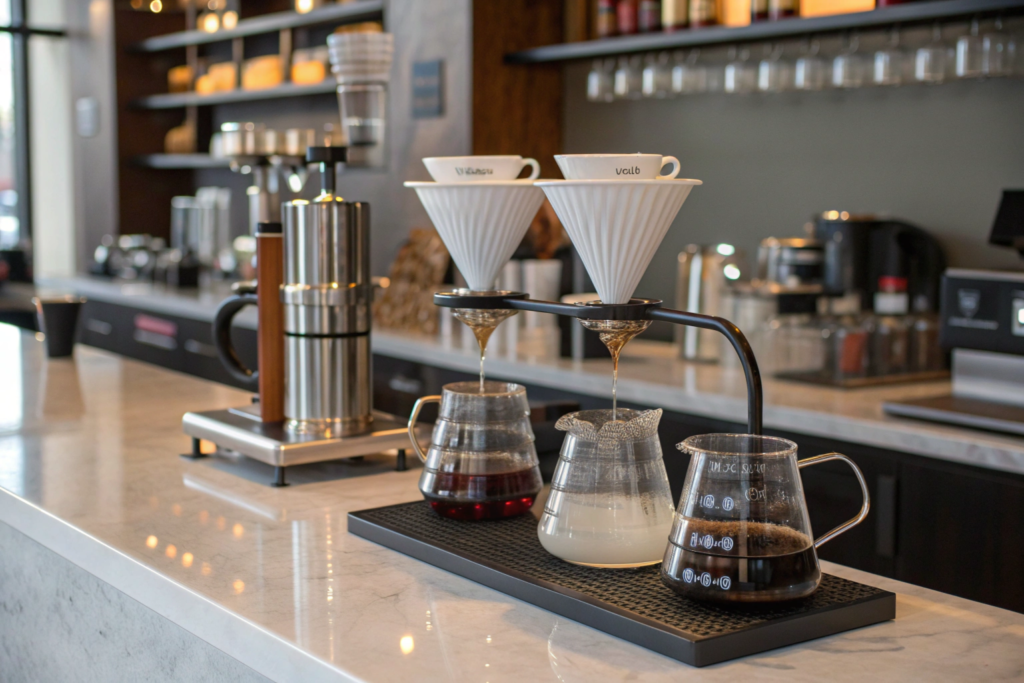
- Method: The pour-over method (like a V60 or Kalita Wave) is the industry standard for tasting flights. It produces a clean cup that clearly showcases the coffee's nuances without adding the heavy body of immersion or the intensity of espresso.
- Recipe: Use the exact same brew ratio (e.g., 1:16, meaning 1 gram of coffee to 16 grams of water), water temperature (e.g., 94°C / 201°F), and grind size for all three coffees.
- Equipment: Use identical brewers, filters, carafes, and cups for each coffee to ensure a consistent thermal mass and presentation.
This scientific rigor is what makes the tasting a true and fair comparison. It eliminates all other variables so that the only thing the customer is judging is the coffee itself.
What Is the Best Way to Serve a Flight?
Serve the three cups on a dedicated tray or board, often called a "paddle." Arrange them in a specific order (e.g., from lightest to most intense flavor profile) and make sure your staff communicates that order to the customer. Serving them with small glasses of water and a cup for rinsing or spitting (like a wine tasting) can elevate the experience further.
Should I Use a Cupping Bowl?
While professional cupping is the ultimate standardized method, it can be intimidating and messy for a general customer. A flight of three beautifully brewed pour-overs is more approachable, familiar, and visually appealing in a cafe setting. It bridges the gap between a professional analysis and a delightful customer experience, which is precisely the goal of a tasting menu.
How Do You Design the Menu Card?
The coffee can't speak for itself. The menu card is your translator. It's a small but vital piece of paper that guides your customer through the tasting, tells them what to look for, and provides the educational backbone of the experience. A confusing or poorly designed card can undermine the entire flight. Simplicity and clarity are key.
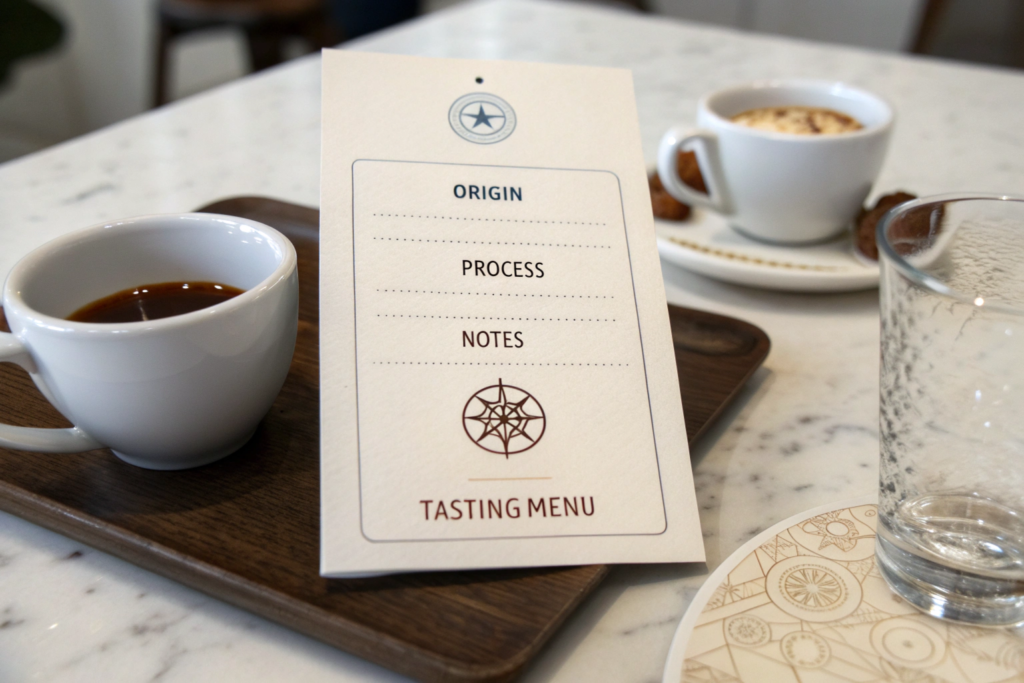
The card should be designed to be read alongside the tasting. The most effective layout is a simple chart or a series of columns corresponding to the coffees in the flight. For each coffee, you must include the essential information that tells its story. Don't overwhelm the customer with technical jargon. Stick to the key points that relate to the theme of your flight.
The essential elements for each coffee on your menu card are:
- The Name/Lot: Give it a clear identifier.
- The Origin: Be specific. Not just "China," but "Baoshan, Yunnan."
- The Process: This is crucial for a process-themed flight (e.g., Washed, Natural, Anaerobic).
- Tasting Notes: Provide 3-4 simple, relatable flavor notes (e.g., "Green Apple, Walnut, Clean" for the Washed; "Strawberry Jam, Red Wine, Full Body" for the Natural).
This information gives the customer a roadmap for their palate. It helps them put words to what they are tasting and connects the flavor to the information about the bean's journey.
Should I Include a Flavor Wheel?
Including a simplified version of a coffee taster's flavor wheel can be a fantastic visual aid. It encourages customers to think more broadly about coffee flavors beyond just "roasty" or "strong." It can prompt them to ask, "Am I tasting a fruit? What kind of fruit? A citrus, or a berry?" This is a great tool for engagement. The SCA Flavor Wheel is the industry standard, but you can create a much simpler version for your menu.
What's the Tone of the Card?
Welcome to the cozy world of coffee, where every cup tells a story and every sip feels like a warm hug. Let’s take this journey together, no fancy jargon, just simple, friendly exploration. Imagine standing in a sunlit café, the air rich with the earthy, nutty aroma of freshly ground beans—like a gentle breeze carrying the scent of roasted chestnuts and ripe berries. This is coffee, not some mysterious ritual, but a daily companion that can brighten your morning, calm your afternoon, or soothe your evening.
We’ll start with the basics: coffee comes from tiny red cherries grown on coffee plants, mostly in warm, tropical regions. These cherries are carefully picked, processed, and dried, then roasted to bring out their unique flavors. The roasting process is like a magic transformation—light roasts might taste bright and fruity, with hints of citrus or jasmine, while darker roasts offer deeper, richer notes of chocolate, caramel, or even dark fruit. Once roasted, the beans are ground into a fine powder, ready to be brewed.
How Do You Train Your Staff to Tell the Story?
You can have the best beans, the most precise brewing, and the most beautiful menu card, but the entire experience can fall flat if your staff isn't properly trained. Your baristas are the final and most important storytellers. They are the ones who will present the flight and guide the customer through it. Their enthusiasm and knowledge are contagious.
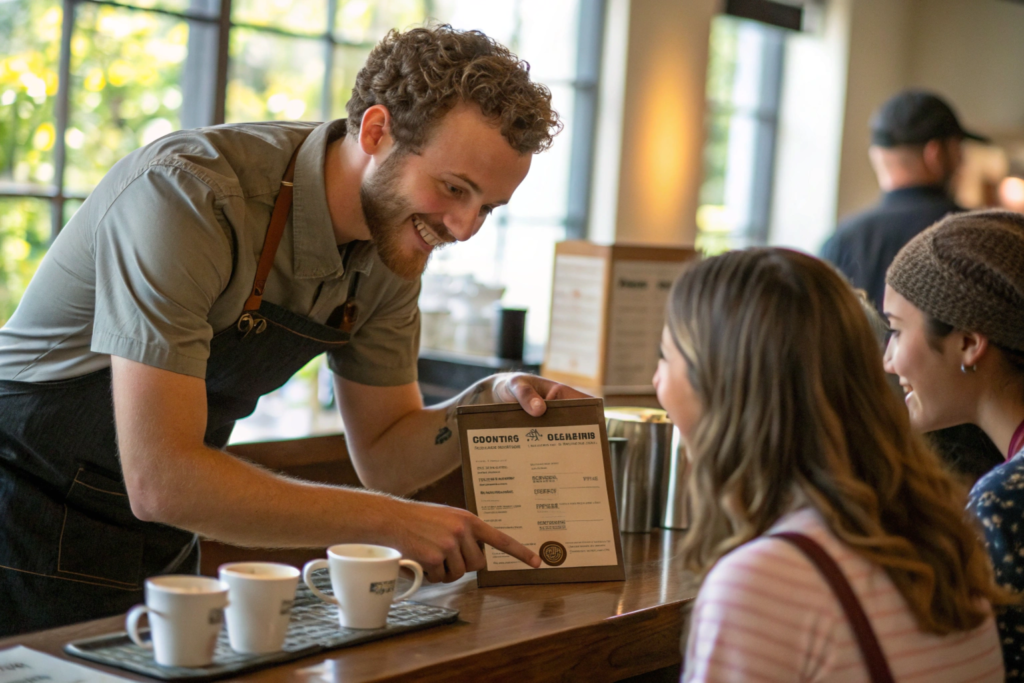
A common mistake is to simply drop the tray on the table and walk away. This leaves the customer feeling lost. Your staff must be trained to deliver a brief, engaging "script" when they serve the flight. This isn't about a long, memorized speech; it's about a 30-second introduction that sets the stage.
The introduction should cover three key points:
- The "Why": "We've put together this flight to show you how different processing methods create totally different flavors, even though all three coffees are from the exact same farm in Yunnan."
- The "How": "I'd recommend tasting them from left to right. The first is a clean Washed process, the middle is a fruity Natural, and the last is a really unique Anaerobic. Use the notes on the card to help guide you."
- The Invitation: "Take your time, enjoy the journey, and I'll be back in a few minutes to see what you discovered and answer any questions!"
Why Is Staff "Buy-In" So Important?
Your baristas need to be genuinely excited about the tasting menu. Hold a special training session just for them. Let them taste the flight and discuss the flavors. When they have their own "aha!" moment, they will be able to share that genuine excitement with customers. A barista who believes in the product is the most powerful marketing tool you will ever have.
How Does This Drive Sales?
When a customer has a great experience with a tasting flight, they often want to take a piece of that experience home. The flight becomes a direct sales tool for your retail bags of beans. The barista can finish the interaction by saying, "That Natural process with the strawberry notes was your favorite, right? We have retail bags of that right over here if you'd like to brew it at home." It's a natural and effective upsell that feels like a helpful suggestion, not a sales pitch.
Conclusion
A coffee tasting menu is so much more than just a way to sell three cups of coffee at once. It is a strategic tool for education, engagement, and brand building. It elevates your business from a simple cafe to a center for coffee culture. It builds your customers' knowledge, deepens their appreciation for the product, and justifies the premium price of specialty coffee. Most importantly, it forges a stronger, more loyal connection between them and your brand.
It's an investment in your customer's palate, and it's an investment that pays huge dividends in loyalty and sales. The journey from a simple cup to a curated flight is the journey from being a commodity provider to a trusted guide.
We have the diverse, high-quality organic lots to help you build your first—or your next—tasting menu. If you're ready to start telling deeper stories with your coffee, please reach out to our head of client relations, Cathy Cai, at cathy@beanofcoffee.com. Let's design a journey of flavor together.