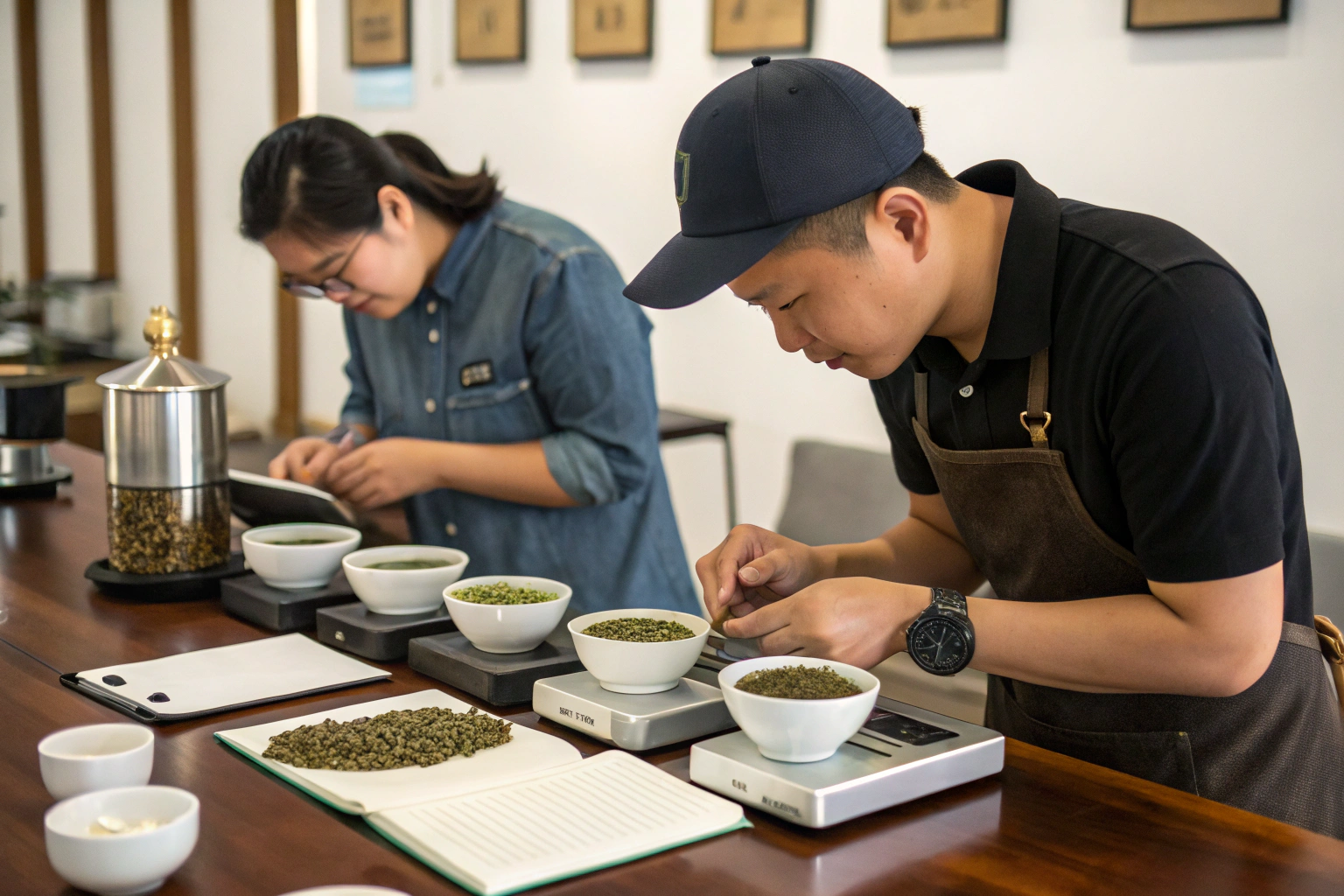
I run BeanofCoffee, a coffee exporter in Yunnan, China. We own more than 10,000 acres in Baoshan City. We sell Catimor, Arabica, and Robusta. We ship to North America, Europe, and Australia. Buyers like Ron ask me how to build a blend that stands out. Ron is 44. He owns a company in America. He cares about price and timeliness. He also wants a coffee his customers cannot get everywhere. That is where Chinese Catimor comes in. It is not the flashiest coffee. It is not the most floral. But it is steady, affordable, and useful. A signature blend needs that kind of backbone.
To develop a signature blend using Chinese Catimor, you should start with Catimor as the base or body component, then add one bright origin for acidity and one sweet origin for balance. Test at least three ratios. Cup them blind. Adjust the roast separately for each component if needed. Then write a repeatable spec with lot numbers, moisture, screen size, and cupping score. A good signature blend is not just a recipe. It is a system that can be repeated every season.
So, what does this mean for you? It means you should not treat Catimor as a cheap filler. Treat it as a tool. It can carry body, chocolate, and nutty notes. It can hold up in espresso. It can work in milk drinks. It can also keep your cost stable when other origins spike. At BeanofCoffee, we cup Catimor every week. We know what it can do. Let me show you how to build a blend around it.
Why Use Chinese Catimor in a Signature Blend?
Catimor has a reputation problem. Some roasters think it is plain. Some think it is harsh. I understand why. Bad Catimor can taste woody, earthy, and flat. But good Catimor is different. It can be sweet, nutty, and smooth. It can have mild acidity and a heavy body. It can take a darker roast without turning ashy. That makes it a strong base for a signature blend. It also costs less than many famous origins. So it gives you room to spend more on the top notes.
Chinese Catimor works well in a signature blend because it brings body, sweetness, and stability at a fair price. It is rust-resistant, which makes the supply more reliable. It grows well in Yunnan at high altitude. It often shows notes of chocolate, hazelnut, brown sugar, and mild citrus. It may not shine as a single origin. But it can hold a blend together. So use it as the base. Then add brightness and complexity from other origins.
Another way to look at this is to compare Catimor to a good rhythm section. It is not the lead singer. But without it, the song feels thin. So let Catimor do its job. Then let other coffees sing.
What Does Chinese Catimor Taste Like?
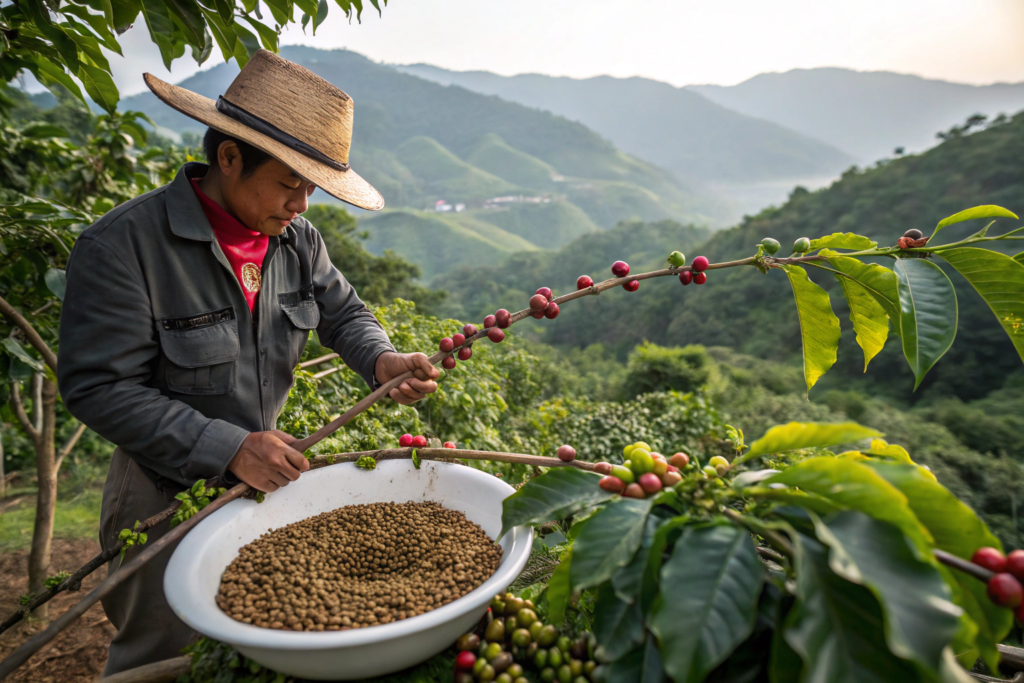
Chinese Catimor usually tastes nutty, chocolatey, and mildly sweet. It often has low to medium acidity. The body is medium to full. The finish is clean but not very long. Some lots show brown sugar, almond, and cocoa. Others show a light earthy note. The Specialty Coffee Association explains how to evaluate these attributes on the cupping table. The International Coffee Organization tracks global coffee quality and trade. I use these when we cup our own Catimor lots. A good Catimor is not boring. It is balanced. That balance is exactly what a blend base needs.
I also tell buyers to cup several lots. Catimor changes by farm, altitude, and process. A washed Catimor is cleaner. A natural Catimor is fruitier. A honey Catimor is sweeter. So do not judge the variety by one sample. Taste five. Then decide.
How Does Catimor Behave in a Blend?
Catimor behaves like a backbone in a blend. It adds body and sweetness. It softens sharp acidity from other origins. It carries chocolate and nut notes into milk drinks. It also helps control cost. But it can flatten a blend if you use too much. A common range is 40% to 70% Catimor. Above 70%, the blend may taste heavy and simple. Below 30%, you may lose the body. The Perfect Daily Grind shares practical blending and roasting guides. The Daily Coffee News covers origin and market trends. I use these when we build sample blends. Start with 50%. Then adjust. That is how you find the balance.
For Ron, this means he should test Catimor at 40%, 50%, and 60%. Then cup each one. Then pick the ratio that fits his market. That is how he builds a signature.
How Do You Choose Blend Partners for Catimor?
A blend is a team. Every member has a job. Catimor brings body and sweetness. It needs a partner for acidity. It needs a partner for aroma. It needs a partner for complexity. If you choose the wrong partners, the blend fights itself. If you choose the right ones, the blend sings. I have seen a simple three-origin blend beat a fancy single origin. Why? Because the parts worked together. So choose partners with purpose.
Choose blend partners for Catimor by matching their strengths to Catimor’s gaps. Catimor gives body, sweetness, and low acidity. So add a bright African coffee for acidity and aroma. Add a sweet Brazilian or Colombian coffee for balance and caramel. Add a small amount of a fruity natural for complexity. Keep the ratio simple. Three origins are usually enough. Then test. Then adjust.
So, what should you do? Do not throw five origins into a blend. That hides problems. Start with two. Then add one. Then stop. A simple blend is easier to repeat. A simple blend is easier to sell.
Which Origins Pair Best with Catimor?
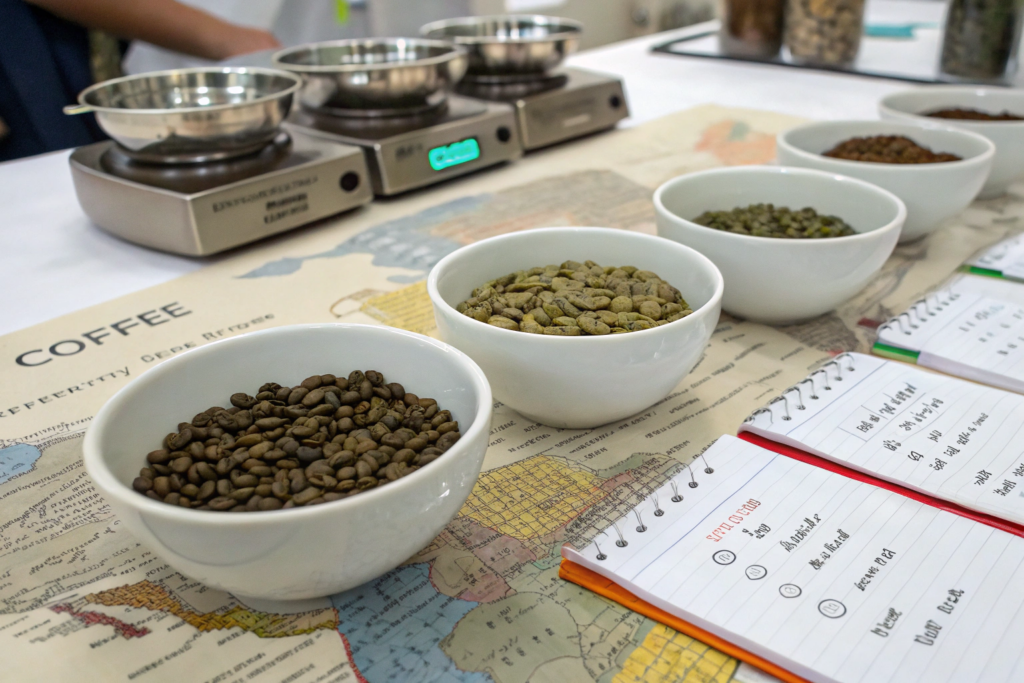
Several origins pair well with Catimor. Ethiopian washed coffee adds floral and citrus notes. Kenyan coffee adds blackcurrant and strong acidity. Colombian coffee adds caramel and red apple. Brazilian coffee adds nuts and chocolate. Indonesian coffee adds heavy body and earthy notes. The Coffee Quality Institute shares quality and cupping education. The World Coffee Research shares variety and origin data. I use these when we design sample blends. For a signature espresso, try 50% Catimor, 30% Brazil, and 20% Ethiopia. For filter, try 40% Catimor, 30% Colombia, and 30% Ethiopia. Then cup. Then adjust.
| Partner | What It Adds | Suggested Share |
|---|---|---|
| Ethiopia washed | Floral, citrus, tea | 15% to 30% |
| Brazil natural | Nuts, chocolate, sweetness | 20% to 40% |
| Colombia washed | Caramel, red apple, balance | 20% to 40% |
| Kenya washed | Blackcurrant, strong acidity | 10% to 20% |
| Indonesia wet-hulled | Body, earthy, cedar | 10% to 20% |
This table is a starting point. Your roast and water will change the result. So test. Then decide.
How Do You Balance Acidity and Body?
Balance acidity and body by tasting the blend at different ratios. If the blend tastes flat, add more bright coffee. If it tastes sharp, add more Catimor or Brazil. If it tastes thin, add more Catimor or Indonesia. The Roast Magazine shares roasting and blending guides. The Barista Hustle explains extraction and balance. I use these when we adjust our own blends. A good blend has sweetness first, then acidity, then body. If one part shouts, turn it down. If one part whispers, turn it up. That is the whole job.
For Ron, this means he should cup the blend as espresso and as filter. A blend that works as espresso may taste muddy as filter. A blend that works as filter may taste weak as espresso. So test both. Then choose the use. Then sell it with confidence.
How Do You Roast and Test a Catimor Blend?
Roasting a blend is not the same as roasting a single origin. Catimor may need a different profile than the bright coffee you add. If you roast them together, one may be underdeveloped and the other may be baked. So you have two choices. You can roast each component separately and blend after. Or you can find a shared profile that works for both. Separate roasting gives better control. Shared roasting is simpler. I prefer separate roasting for a signature blend. It costs more time. It gives more control.
Roast and test a Catimor blend by roasting each component separately, cupping each one, then blending at different ratios and cupping again. For Catimor, use a medium to medium-dark profile. Aim for sweetness and body without ash. For the bright component, use a lighter profile to protect acidity. For the sweet component, use a medium profile. Then rest the roasted coffee for 24 to 48 hours before cupping. Repeat the test at least twice.
So, what should you do? Build a roast plan. Write down the charge temperature, the development time, and the drop temperature for each component. Then cup. Then adjust. That is how you make a blend that repeats.
What Roast Profile Works for Catimor?
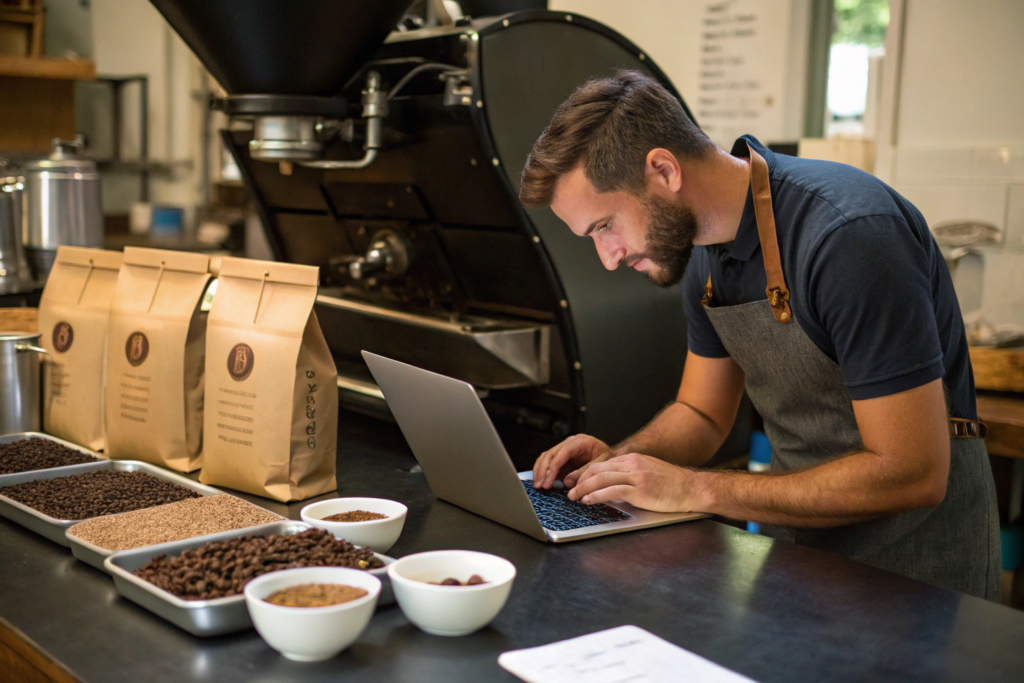
A medium to medium-dark roast usually works best for Catimor. It brings out chocolate, nuts, and brown sugar. It reduces any grassy or woody notes. It also builds body. A very light roast can make Catimor taste hollow. A very dark roast can make it taste ashy. The SGS coffee inspection page shows how third parties test quality. The Intertek coffee page shows testing services. I use these when we check our roast results. For espresso, aim for a slightly darker roast. For filter, aim for a medium roast. Then cup. Then decide.
I also tell roasters to check the bean density. Dense Catimor can take more heat. Less dense Catimor can scorch. So measure density. Then set the profile. That small step improves the cup.
How Do You Cup and Adjust the Blend?
Cup and adjust the blend by using a blind test. Code each sample. Use the same water, grind, and ratio. Score fragrance, flavor, acidity, body, sweetness, aftertaste, and balance. The Global Coffee Platform shares sustainable sourcing practices. The Fairtrade website explains fair trade standards. I use these when we train our QC team. If the blend scores lower than the parts, the ratio is wrong. If the blend scores higher than the parts, you found something. Write it down. Then repeat it. That is how a signature blend is born.
For Ron, this means he should cup the blend three times. Once with the first ratio. Once with the second. Once with the third. Then pick the winner. Then cup it again next week. If it still wins, it is a signature. If it does not, keep testing.
How Do You Make the Blend Repeatable and Sellable?
A great blend that cannot be repeated is not a business. It is a lucky batch. I have seen roasters create a brilliant blend and then lose it. Why? Because they did not write down the lot numbers. They did not record the moisture. They did not track the roast. So the next batch tasted different. The customers noticed. The sales dropped. So repeatability matters more than one great cup.
Make the blend repeatable and sellable by writing a clear specification, tracking every lot, testing every batch, and telling a simple story. The spec should include origin, variety, process, screen size, moisture, cupping score, roast profile, and ratio. The story should explain why Catimor is the base, what it adds, and how it supports farmers in Yunnan. A clear spec protects quality. A clear story protects price. Both are needed for a signature blend.
So, what should you do? Write the spec. Train your team. Check every batch. Then tell the story on your website and your bags. That is how you turn a blend into a brand.

How Do You Write a Blend Specification?
Write a blend specification with these fields: component name, origin, farm, lot number, variety, process, screen size, moisture, cupping score, roast profile, and percentage. Add a target flavor description. Add a target cost. Add a target use. The Trade.gov site offers export and import guidance. The CBP page explains U.S. customs entry. I use these when we prepare our export files. A spec is not a secret. It is a shield. It protects you when a lot changes. It protects your customer when they reorder. So write it. Then share it with your roaster.
I also tell roasters to keep a sample of every batch. Label it. Store it. Then cup it later. A sample is proof. A memory is not. So keep samples. Then use them.
How Do You Tell the Story to Buyers?
Tell the story to buyers by being honest and specific. Say that Catimor is the base. Say that it comes from Yunnan. Say that it supports small farmers. Say that it gives the blend body and sweetness. Do not pretend it is Geisha. Do not hide it. The Rainforest Alliance explains sustainability standards. The Daily Coffee News covers origin and market stories. I use these when we tell our own story. A true story is stronger than a fancy one. So tell the truth. Then let the cup speak.
For Ron, this means he should put the story on his bag. He should put it on his website. He should tell it in his cafe. Customers love a real story. They also love a fair price. Catimor gives both. So use it.
Conclusion
Developing a signature blend with Chinese Catimor is not about hiding the bean. It is about using it well. Catimor brings body, sweetness, and stability. It pairs with bright African coffee for acidity. It pairs with sweet Brazilian or Colombian coffee for balance. It roasts best at medium to medium-dark. It needs a clear spec to repeat. It needs a true story to sell. If you do these things, Catimor can be the backbone of a blend that customers ask for by name. That is the goal. That is the win.
At BeanofCoffee, we help roasters build blends with Yunnan Catimor. We own more than 10,000 acres in Baoshan City, Yunnan. We export Catimor, Arabica, and Robusta. We work with large buyers, brand owners, distributors, and trading companies. We can share lot data, moisture readings, cupping scores, and blend samples. If you want to develop a signature blend with Chinese Catimor, please contact Cathy Cai at cathy@beanofcoffee.com. She will help you with samples, pricing, specifications, and blend planning. You can also visit BeanofCoffee to learn more. Let us build your signature blend together.