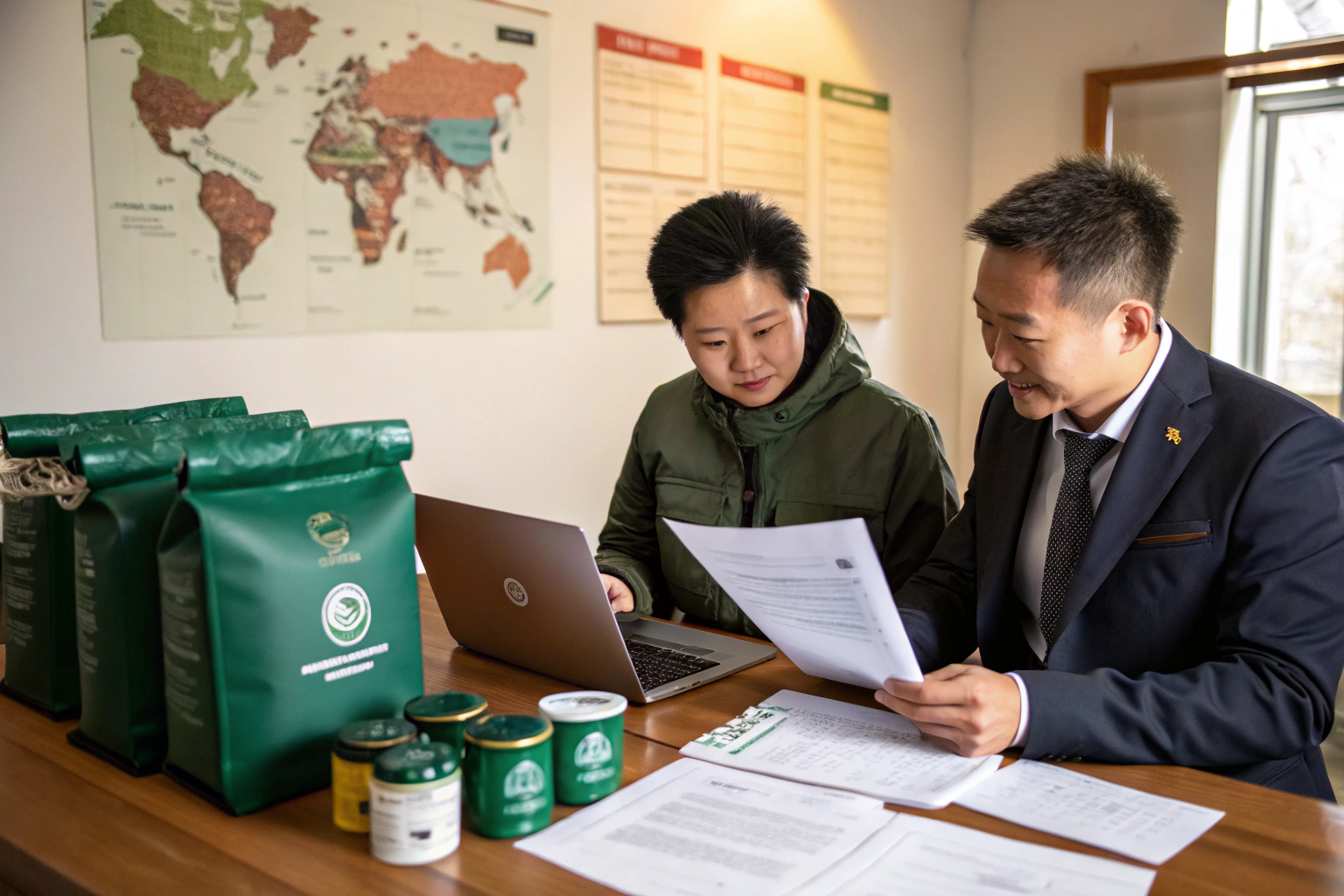
I run BeanofCoffee, a coffee exporter in Yunnan, China. We own more than 10,000 acres in Baoshan City. We sell Catimor, Arabica, and Robusta. We ship to North America, Europe, and Australia. Germany is one of our biggest markets. German buyers love coffee. They drink a lot of it. But they also have strict rules. If you get the rules wrong, your shipment sits at the port. You pay storage. You lose time. You lose money. I learned this the hard way. So I want to share what I know.
To comply with the German Coffee Ordinance for imports, you must register with German customs, declare your coffee correctly, pay the coffee tax, meet EU food safety and labeling rules, and keep complete records. The ordinance is called the Kaffee-Verordnung. It applies to green coffee, roasted coffee, decaffeinated coffee, and coffee extracts. The key steps are: get an EORI number, file an import declaration, pay the coffee tax (€2.19 per kg for roasted, €1.09 per kg for green), ensure your labels meet EU rules, and work with a German customs broker. Do not guess. Check the rules. Then ship.
So, what does this mean for you? It means you cannot treat Germany like any other market. You need a plan. You need a broker. You need clean documents. At BeanofCoffee, we work with German brokers. We check the rules before every shipment. That habit saves us from costly delays. Let me explain how to comply step by step.
What Is the German Coffee Ordinance?
The German Coffee Ordinance is a national rule. It is based on EU law. It regulates how coffee enters Germany. It covers customs, taxes, and quality. It is not a suggestion. It is the law. If you import coffee into Germany, you must follow it. I have seen exporters ignore it. They paid the price. So let me explain what it is and who it applies to.
The German Coffee Ordinance, or Kaffee-Verordnung, is the national regulation that implements EU customs and food rules for coffee. It sets the requirements for import declaration, coffee tax, quality standards, and labeling. It applies to anyone who imports coffee into Germany for commercial use. That includes green coffee, roasted coffee, decaf, and coffee extracts. The ordinance is enforced by German customs (Zoll) and the food safety authorities. You can find the full text on the German Customs website and the EU customs portal. So read it. Then follow it.
Another way to look at this is to compare it to a passport. You cannot enter a country without a passport. You cannot import coffee into Germany without the right papers. The ordinance tells you what papers you need. So get them. Then ship.
Which Coffee Products Are Covered?
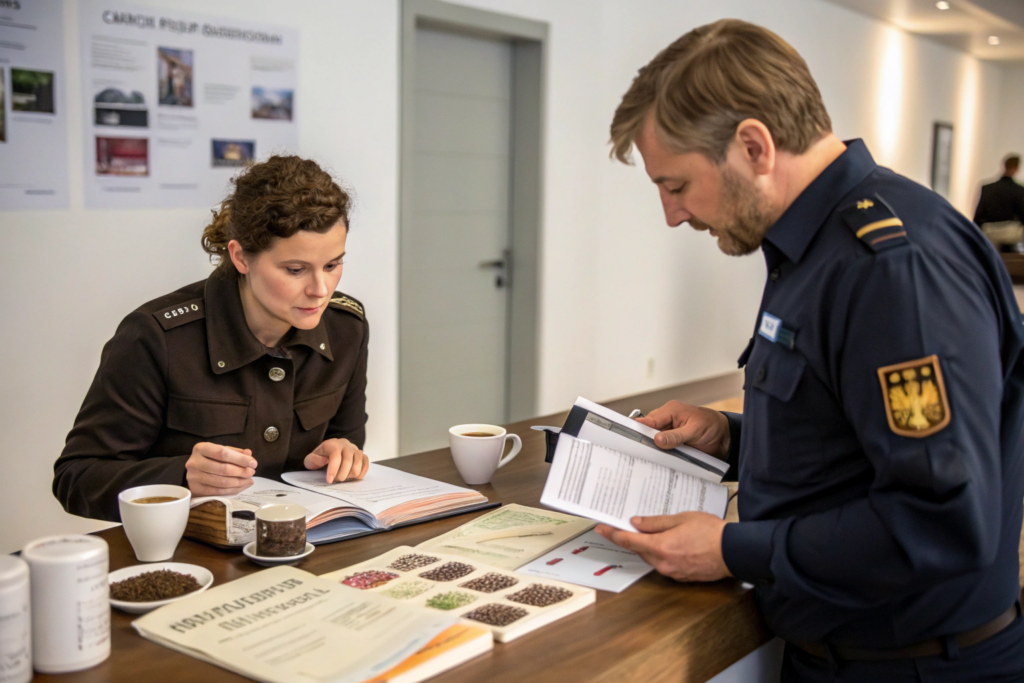
The ordinance covers many coffee products. It covers green coffee beans. It covers roasted coffee beans. It covers ground coffee. It covers decaffeinated coffee. It covers coffee extracts and essences. It also covers coffee substitutes that contain coffee. The International Coffee Organization tracks global coffee trade. The Specialty Coffee Association explains coffee product categories. I use these when we classify our own shipments. If your product contains coffee, it is likely covered. So check the tariff code. Then check the rules. That is the first step.
Who Needs to Register as an Importer?
Anyone who imports coffee into Germany for business must register. You need an EORI number. EORI stands for Economic Operators Registration and Identification. You get it from German customs. You also need a tax number. You need a customs broker. The German Customs EORI page explains how to apply. The Trade.gov site offers export and import guidance. I use these when we help buyers register. Do not skip this step. Without an EORI, you cannot file a customs declaration. So register early. Then ship.
What Are the Key Compliance Requirements?
Compliance is not one thing. It is many things. You must declare the coffee. You must pay the tax. You must meet food safety rules. You must label the product correctly. You must keep records. Each step has its own rules. Each step can cause a delay. So build a checklist. Then follow it. That is how you stay compliant.
The key compliance requirements are: customs declaration, coffee tax payment, food safety compliance, correct labeling, and record-keeping. You must declare the coffee at the point of entry. You must pay the coffee tax. You must ensure the coffee meets EU food safety standards. You must label the product in German or another EU language. You must keep records for at least three years. The EU Food Safety page explains the food rules. The German Federal Ministry of Food and Agriculture shares national rules. I use these when we prepare our export files. So check them. Then comply.
So, what does this mean for you? It means you should not leave compliance to chance. You should work with a broker. You should train your team. You should check every document. That is how you avoid a hold.
How Do You Declare Coffee for Customs?
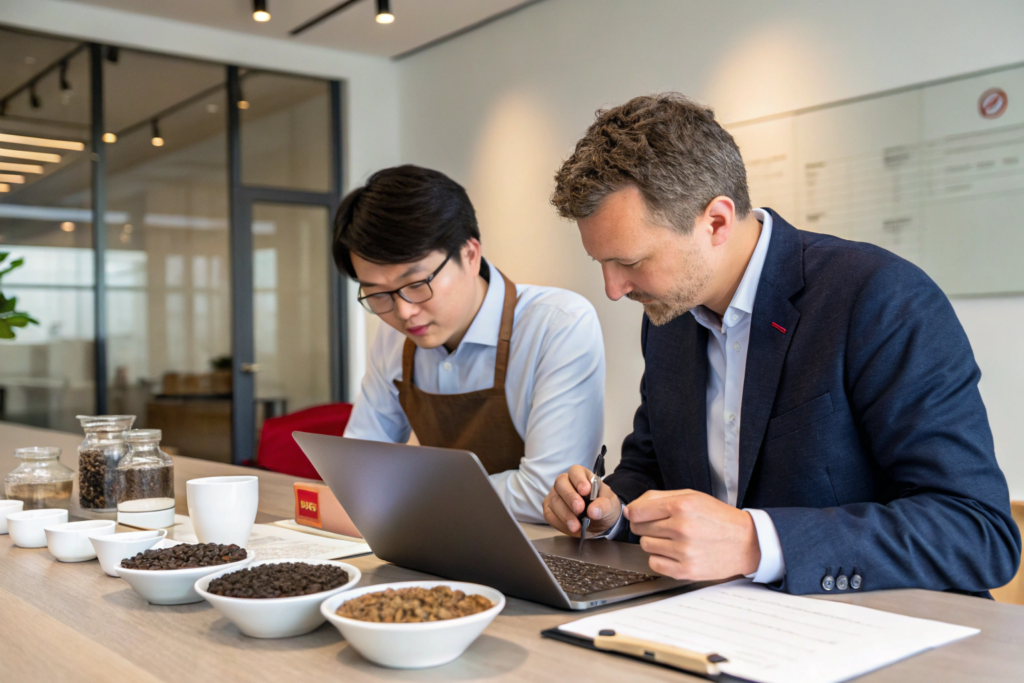
You declare coffee by filing an import declaration with German customs. You need the commercial invoice, packing list, bill of lading, certificate of origin, and any food safety certificates. You also need the EORI number and the tariff code. The German Customs import page explains the process. The EU TARIC database helps you find the right tariff code. I use these when we prepare our own declarations. A wrong code can cause a delay. A missing document can stop the release. So check every field. Then file. That is how you declare correctly.
What Quality and Labeling Rules Apply?
Quality and labeling rules are strict. The coffee must meet EU food safety standards. It must not contain harmful substances. It must be labeled with the product name, net weight, origin, and best-before date. The label must be in German or another EU language. The EU Food Labelling page explains the rules. The German Food Code shares national rules. I use these when we design our labels. A wrong label can cause a rejection. So check the label. Then print it. That is how you avoid a problem.
How Do You Handle Coffee Duties and Taxes?
Duties and taxes are a big part of the cost. Germany has a specific coffee tax. It is called the Kaffeesteuer. It is on top of the import duty. If you forget it, you pay a penalty. So you must plan for it. I have seen buyers forget the coffee tax. They were surprised by the bill. So let me explain how it works.
Germany charges a coffee tax (Kaffeesteuer) on coffee imports. The rate is €2.19 per kg for roasted coffee and €1.09 per kg for green coffee. This tax is separate from the EU import duty. The import duty for green coffee is often 0% under the WTO. The duty for roasted coffee may be higher. You must pay the coffee tax when you import. You can find the rates on the German Customs coffee tax page. The EU customs duty page explains the duty. I use these when we calculate the landed cost. So calculate the tax. Then budget for it.
So, what should you do? Ask your broker for the exact tax. Then add it to your cost. Do not guess. A surprise tax can kill your margin.
What Is the German Coffee Tax?
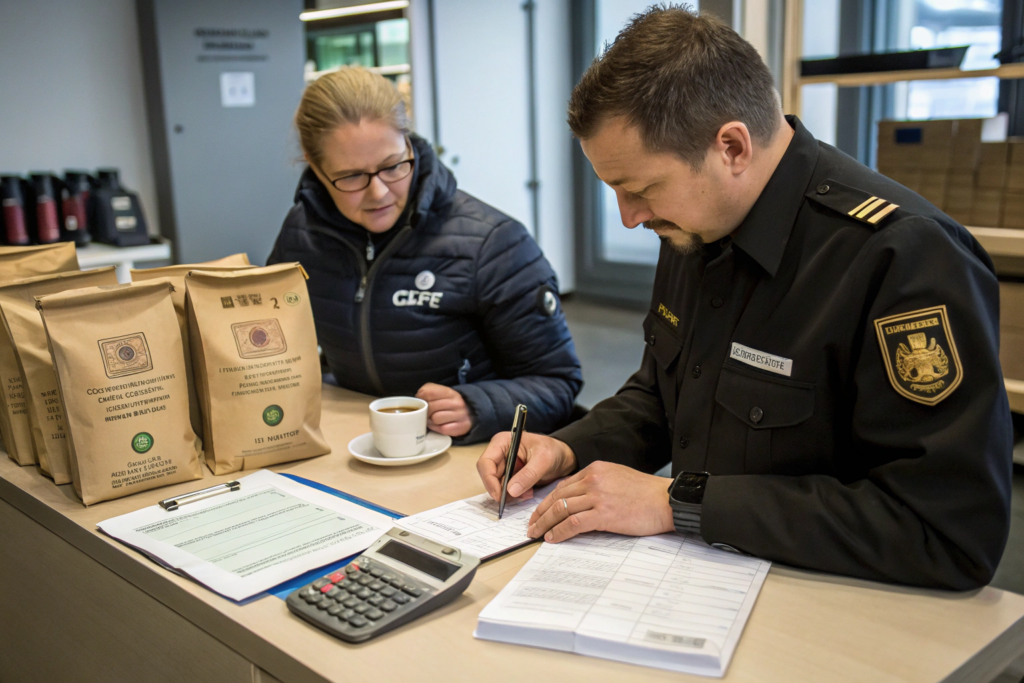
The German coffee tax is a specific excise tax. It is charged per kilogram. It is paid by the importer. It is collected by German customs. The rate for roasted coffee is €2.19 per kg. The rate for green coffee is €1.09 per kg. The German Customs coffee tax page explains how to pay. The EU Excise Duties page explains excise taxes in the EU. I use these when we prepare our tax payments. So check the rate. Then pay. That is how you stay compliant.
How Do You Claim Preferential Tariffs?
You claim preferential tariffs by using a certificate of origin. Some countries have trade agreements with the EU. These agreements reduce or remove import duties. For coffee, the benefit depends on the origin. The EU Access2Markets portal helps you check tariffs and rules of origin. The World Customs Organization explains rules of origin. I use these when we check our own eligibility. A preferential tariff can save money. But you must have the right certificate. So check the rules. Then claim it. That is how you save.
How Do You Avoid Common Import Mistakes?
Mistakes happen. But some mistakes happen again and again. I have seen them. They cost time and money. So let me list the most common ones. Then you can avoid them. A little prevention saves a lot of pain.
Common import mistakes include using the wrong tariff code, missing documents, late tax payment, wrong labels, and not registering for EORI. These mistakes cause delays, fines, and sometimes rejection. To avoid them, build a checklist, work with a customs broker, and double-check every document. The German Customs checklist page offers guidance. The EU Import Requirements page explains the steps. I use these when we train our team. So use a checklist. Then follow it. That is how you avoid mistakes.
So, what should you do? Make a list. Check it twice. Then ship. That is how you stay out of trouble.
What Documents Cause Delays?
Documents that cause delays include the bill of lading, certificate of origin, commercial invoice, packing list, and food safety certificates. A wrong number or missing signature can stop the release. The International Chamber of Commerce publishes trade rules. The SGS coffee inspection page shows how third parties verify quality. I use these when we prepare our export files. So check every document. Then check it again. That is how you avoid a delay.
How Do You Work with a German Customs Broker?
You work with a German customs broker by hiring one early. A good broker knows the rules. A good broker knows the officials. A good broker can fix problems fast. The German Customs broker page explains how to appoint a broker. The Trade.gov site offers export and import guidance. I use these when we choose a broker. A good broker is worth the fee. So hire one. Then listen to them. That is how you stay compliant.
Conclusion
Complying with the German Coffee Ordinance is not easy. But it is possible. You need to register. You need to declare. You need to pay the tax. You need to label correctly. You need to keep records. You need a broker. If you do these things, you can import coffee into Germany without delays. You can protect your margin. You can keep your customers happy. So do not cut corners. Build a system. Then follow it. That is how you win in Germany.
At BeanofCoffee, we help buyers comply with German import rules. We own more than 10,000 acres in Baoshan City, Yunnan. We export Catimor, Arabica, and Robusta. We work with large buyers, brand owners, distributors, and trading companies. We provide export documents, certificates of origin, and tax information. If you want to import coffee into Germany, please contact Cathy Cai at cathy@beanofcoffee.com. She will help you with samples, pricing, specifications, and compliance documents. You can also visit BeanofCoffee to learn more. Let us build a compliant coffee supply together.