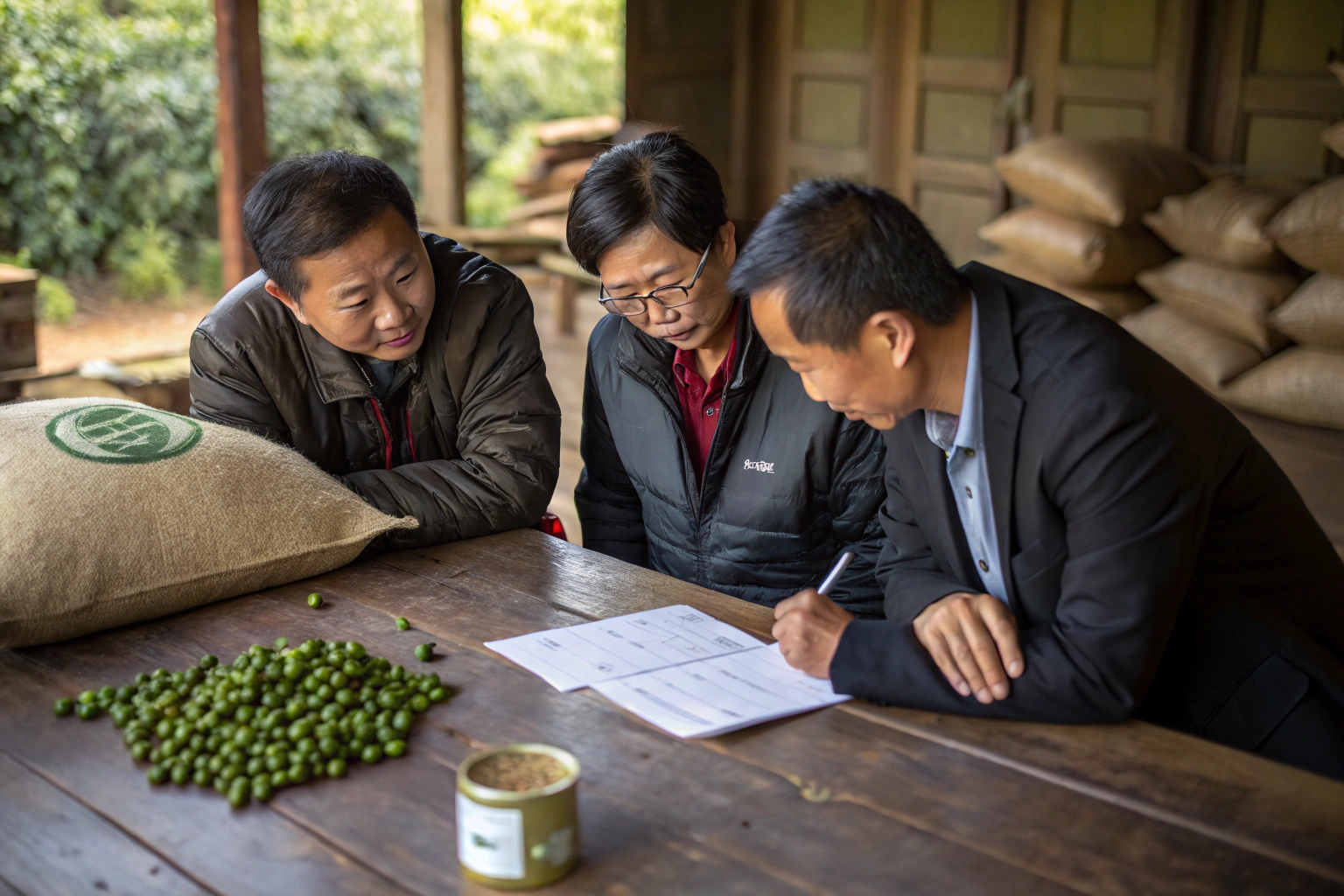
You want to invest in Yunnan coffee. The land is good. The altitude is right. The quality is rising. The costs are lower than many origins. But you do not want to buy a farm alone. You want a local partner. You want shared risk. You want shared knowledge. So you think about a joint venture. That is a smart idea. But it can also go wrong. I have seen foreign investors lose money because the structure was weak. I have seen local farmers lose land because the contract was unclear. I have seen good coffee fail because no one defined who controls quality. So structure matters. It matters more than price.
A joint venture for a Yunnan coffee farm usually works best as a limited liability company with clear equity, governance, land-use rights, profit-sharing, and export roles. Foreign investors often bring capital, market access, and technical support. Local partners bring land, labor, relationships, and harvest knowledge. The structure must define who owns what, who decides what, who gets paid what, and who is responsible when something fails. You should use a Chinese lawyer, a local accountant, and a clear shareholders' agreement. Do not rely on a handshake. A handshake starts the deal. A contract protects it.
So, what should you do? Slow down. Define the goal. Then build the structure. At BeanofCoffee, we have worked with farmers, mills, and export partners for years. We know where the risks hide. Let me walk you through the main choices.
Why Form a Joint Venture in Yunnan Coffee?
Yunnan is not a small coffee story anymore. It is a growing origin. It has high altitude. It has a long harvest. It has rising quality. It has government support. It has access to Shenzhen and other ports. That makes it attractive. But it is also complex. Land rules are local. Labor is seasonal. Weather is changing. Export rules are strict. A foreign investor who goes alone may miss the local details. A local farmer who goes alone may miss the global market. A joint venture can connect both. That is the opportunity.
A joint venture in Yunnan coffee can combine local land and labor with foreign capital and market access. It can improve quality, increase volume, and open export markets. It can also share risk and reduce cost. But it must be structured carefully. The local partner knows the farm, the village, and the harvest. The foreign partner knows the buyer, the roast, and the compliance. Together, they can build a stronger business. Alone, each side faces gaps that can cost money.
Another way to look at this is to compare it to a coffee blend. A single origin can be good. A blend can be better. The same logic works in business. Two partners with different strengths can create something stronger. But only if the blend is balanced. If one side dominates, the blend breaks. So balance matters.
What Are the Benefits of a Yunnan Coffee Joint Venture?
A Yunnan coffee joint venture offers several benefits. First, it shares capital risk. A farm costs money. Land preparation, seedlings, irrigation, and processing equipment add up. A partner can share that load. Second, it shares knowledge. The local partner knows the soil, the rain, and the labor. The foreign partner knows the market, the buyer, and the standards. Third, it improves market access. A foreign partner can open doors to roasters and importers. Fourth, it can improve quality. Combined effort can fund training, cupping, and better processing. The FAO shares global agricultural development data. The World Coffee Research shares variety and farm research. I use these when we plan our own farm improvements. A JV is not a guarantee. But it can be a strong platform. So build it with clear goals.
I also tell investors to ask what the local partner really brings. Is it land? Is it labor? Is it a license? Is it relationships? A vague answer is a warning. A clear answer is a foundation. So ask. Then verify.
What Risks Should Foreign Investors Expect?
Foreign investors should expect several risks. Land-use rights can be complex. Foreign ownership rules can be strict. Profit repatriation takes planning. Currency moves can hurt returns. Local politics can change. Labor can be seasonal. Weather can fail. Quality can drift. The Trade.gov site offers export and import guidance. The USDA Foreign Agricultural Service shares global crop and trade data. I use these when we assess a new market. A JV can reduce some risks. But it cannot remove all of them. So study the rules. Then build a buffer. That is how you protect your capital.
For Ron, this means he should not invest on a farm visit alone. He should do legal and financial due diligence. He should check the land title. He should check the partner's record. Then he should decide. That is how he protects his money.
What Legal Structure Fits a Yunnan Coffee JV?
Legal structure is not a detail. It is the frame. A weak frame breaks under pressure. A strong frame holds. I have seen partners argue over control because the structure was vague. I have seen investors lose money because the profit clause was unclear. I have seen farmers lose land because the lease was unfair. So choose the structure carefully. Then write it down. Then register it. Do not skip steps.
The most common legal structure for a Yunnan coffee joint venture is a foreign-invested limited liability company. This structure separates the company from the partners. It limits personal liability. It allows clear equity shares. It allows profit distribution. It also allows foreign investment under Chinese law. A contractual partnership is simpler but riskier. It does not create a separate legal person. It can be harder to enforce. So most serious JVs use a company. Then they add a shareholders' agreement. The agreement covers governance, decisions, exits, and disputes. That combination is the standard.
So, what should you do? Talk to a Chinese lawyer. Talk to a local accountant. Ask about the negative list. Ask about the encouraged sectors. Ask about tax. Then choose. That is how you build a legal frame that lasts.

Should You Choose an Equity Joint Venture or Contractual Partnership?
An equity joint venture is usually better for a coffee farm. It creates a company. It defines shares. It limits liability. It makes export and banking easier. A contractual partnership is faster and cheaper. But it offers less protection. It can work for a small trial. It can work for a short season. It is weaker for land, equipment, and long-term investment. The MOFCOM shares foreign investment rules and procedures. The Chinese Government publishes laws and policies. I use these when we review a new structure. For a farm, I prefer a company. For a sample project, a contract may be enough. So match the structure to the size. Then decide.
I also tell investors to avoid a 50/50 split without a tie-breaker. A 50/50 split can cause deadlock. A deadlock can stop the farm. So add a rule. Maybe one side has the final vote on operations. Maybe an independent director breaks the tie. Write it down. Then follow it.
How Do You Register a Foreign-Invested Coffee Enterprise?
Registration takes several steps. First, reserve the company name. Second, prepare the articles of association. Third, submit the foreign investment filing. Fourth, get the business license. Fifth, register with tax, customs, and foreign exchange. Sixth, open a bank account. The Yunnan Government shares local policies and services. The China Customs explains customs registration and export rules. I use these when we prepare our own documents. Each step takes time. Each step needs clean papers. So prepare early. Then follow up. That is how you avoid delays.
For Ron, this means he should hire a local agent. A good agent knows the offices. A good agent knows the forms. That saves weeks. So hire one. Then check their work. That is how you register smoothly.
How Do You Split Equity and Profit in a Coffee JV?
Money is where trust is tested. I have seen partners agree on equity in a day. Then argue about profit for months. Why? Because equity and profit are not the same. Equity is ownership. Profit is distribution. Losses are shared too. So you must define all three. Who owns what? Who gets what? Who pays when things go wrong? A clear answer prevents a fight. A vague answer creates one.
Equity and profit in a coffee JV should reflect contribution, risk, and role. Land, capital, labor, licenses, and market access all have value. But they are not equal. A partner who brings land may want a larger equity share. A partner who brings cash may want a larger profit share. A partner who manages the farm may want a salary plus equity. So separate the roles. Pay salaries for work. Pay dividends for ownership. Pay rent for land. Pay royalties for brands. That separation makes the deal fair. It also makes it easier to adjust later.
So, what should you do? List every contribution. Put a value on it. Then agree on equity. Then agree on profit. Then agree on losses. Write it down. Then sign it. That is how you avoid a money fight.
What Equity Split Works for Land, Capital, and Labor?
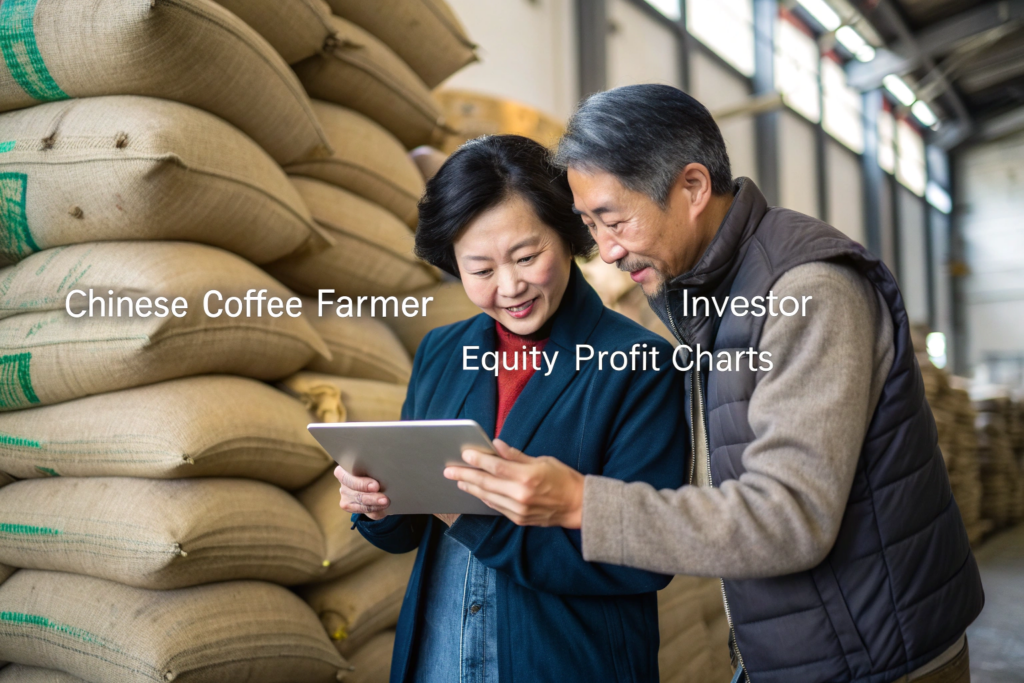
There is no single right split. It depends on the deal. A common model is 51% local and 49% foreign. That keeps local control. Another model is 60/40 or 70/30. It depends on who brings what. If the foreign partner brings most of the capital, they may want more equity. If the local partner brings the land and license, they may want more. The World Bank shares development and investment data. The International Finance Corporation shares private sector investment guidance. I use these when we review a new project. A fair split is one both sides can defend. So test it. Then sign it.
I also tell partners to separate land from the company. Lease the land to the JV. Do not put land ownership inside the company unless the law allows it and both sides agree. A lease is cleaner. It also protects the local partner. So use a lease. Then set the rent. That is how you protect both sides.
How Should You Handle Profit Distribution and Losses?
Profit distribution should follow the equity shares. Losses should follow the same shares unless the contract says otherwise. But cash flow matters. A farm may not pay dividends for two years. So you need a rule. Do you reinvest? Do you pay a small dividend? Do you pay a priority return to the investor? The International Chamber of Commerce publishes trade and contract rules. The PwC shares tax and business guides. I use these when we draft our own agreements. A priority return can attract capital. A reinvestment rule can fund growth. So choose the rule that fits the plan. Then write it down. That is how you keep the peace.
For Ron, this means he should ask for a dividend policy. He should ask about reinvestment. He should ask about exit. A clear policy prevents a surprise. So ask. Then agree.
How to Manage Operations and Export Compliance?
Operations are where the plan meets the dirt. Who buys the seedlings? Who hires the pickers? Who runs the mill? Who checks the moisture? Who books the container? Who handles the customs broker? If no one answers these questions, the farm may produce coffee. But it may not export it. I have seen a good farm fail because the export side was ignored. So build operations into the structure. Not as an afterthought.
Operations and export compliance in a coffee JV should be divided by strength. The local partner often manages land, labor, harvest, and milling. The foreign partner often manages quality standards, buyer communication, export documents, and logistics. A general manager runs the day-to-day. A shareholders' meeting approves the budget and strategy. A quality manager checks every lot. An export manager handles customs, freight, and documents. Clear roles prevent overlap. Clear reporting prevents surprises. So define the roles. Then hire for them.
So, what should you do? Write an organization chart. Write a decision chart. Write a reporting calendar. Then share it. A simple chart prevents confusion. So build it. Then use it.

Who Controls Farming, Processing, and Quality?
The local partner usually controls farming and processing. They know the land. They know the workers. They know the season. The foreign partner usually controls quality standards. They know the buyer. They know the cup. They know the spec. The Specialty Coffee Association explains cupping and quality standards. The Coffee Quality Institute trains quality professionals. I use these when we build our own quality system. A shared quality role works best. The local partner manages the process. The foreign partner audits the result. Both sign the lot. That is how you protect the cup.
I also tell partners to agree on a moisture target. Agree on a defect limit. Agree on a cupping score. Then check every lot. If a lot fails, fix it. If it passes, ship it. That rule keeps the quality honest. So use it.
How Do You Handle Export Licenses, Taxes, and Logistics?
Export licenses and taxes need a local expert. The company must register for export. It must file taxes. It must follow foreign exchange rules. It must prepare customs documents. The CBP page explains U.S. customs entry. The FDA prior notice page explains U.S. food import rules. I use these when we prepare our export files. Logistics needs a good forwarder. A good forwarder knows the route. A good forwarder knows the port. A good forwarder knows the winter risks. So hire one. Then check the plan. That is how you export smoothly.
For Ron, this means he should not assume the local partner knows export. He should check. He should hire a broker. He should review the documents. Then he should ship. That is how he avoids a hold. That is how he protects his brand.
Conclusion
Structuring a joint venture for a Yunnan coffee farm is not a simple task. It takes legal work, financial planning, and clear communication. But it can be worth it. A good JV combines local knowledge with global market access. It shares risk. It improves quality. It opens doors. The key is structure. Define the legal entity. Define the equity. Define the profit. Define the roles. Define the exit. Write it down. Then follow it. Do not rely on a handshake. A handshake starts the deal. A contract protects it. So build the structure. Then build the coffee. That is how you win.
At BeanofCoffee, we work with local farmers, mills, and international partners. We own more than 10,000 acres in Baoshan City, Yunnan. We export Catimor, Arabica, and Robusta. We work with large buyers, brand owners, distributors, and trading companies. If you want to explore a joint venture in Yunnan coffee, please contact Cathy Cai at cathy@beanofcoffee.com. She will help you with samples, pricing, specifications, and partnership introductions. You can also visit BeanofCoffee to learn more. Let us build a strong coffee partnership together.