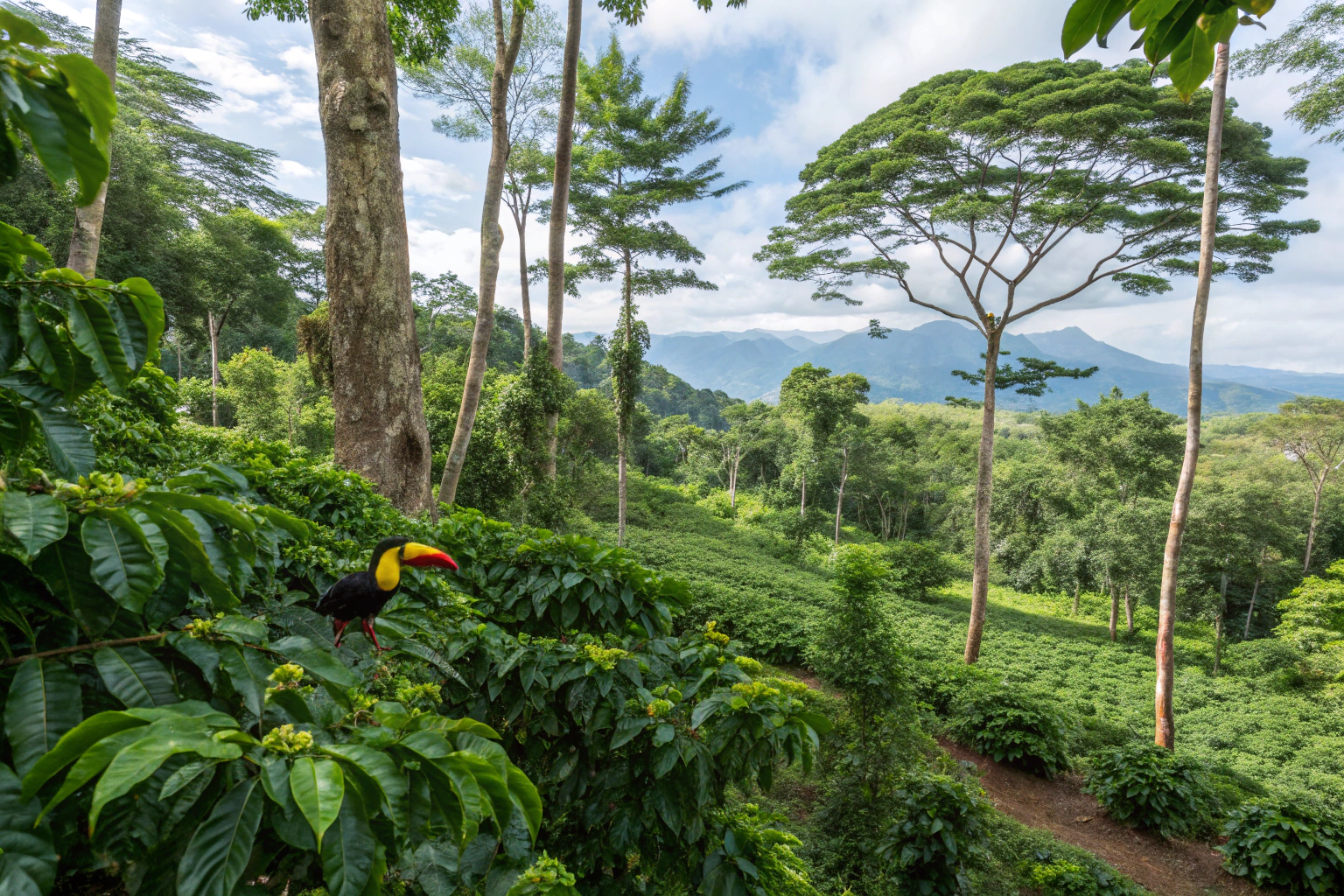
When I first started in this business, I didn't think much about birds. I was focused on growing great coffee. But over the years, I've learned that the best coffee often comes from the healthiest farms. And healthy farms are full of life. Birds are a sign of that. They mean the farm isn't just producing coffee. It's protecting a whole ecosystem. I remember a buyer from a major environmental organization who visited our farms. He wasn't just interested in our Arabica. He wanted to know about our shade trees, our water sources, our bird populations. He explained that his customers—birdwatchers, environmentalists, eco-conscious consumers—they want coffee that supports biodiversity. That conversation opened my eyes. Bird Friendly certification isn't just a label. It's a commitment to farming in a way that respects the natural world.
To find coffee suppliers with Bird Friendly options, look for the official Smithsonian Bird Friendly certification seal. This is the gold standard for shade-grown coffee. You can search the Smithsonian Migratory Bird Center's online directory of certified farms and roasters. Attend specialty coffee trade shows like SCA Expo, where certified suppliers exhibit. Network with conservation organizations and sustainable coffee associations. And when evaluating suppliers, ask for their certification documentation and visit their farms if possible to verify shade-growing practices.
Now, you might be thinking, "Why should I, as a wholesale buyer, care about Bird Friendly coffee?" Here's the thing. This market is growing. Consumers in North America, Europe, and Australia are demanding products that align with their values. Bird Friendly coffee appeals to birdwatchers, environmental advocates, and anyone who cares about sustainability. It's a premium market with loyal customers. And if you can source these coffees, you can offer something your competitors don't have.
What Is Bird Friendly Certification?
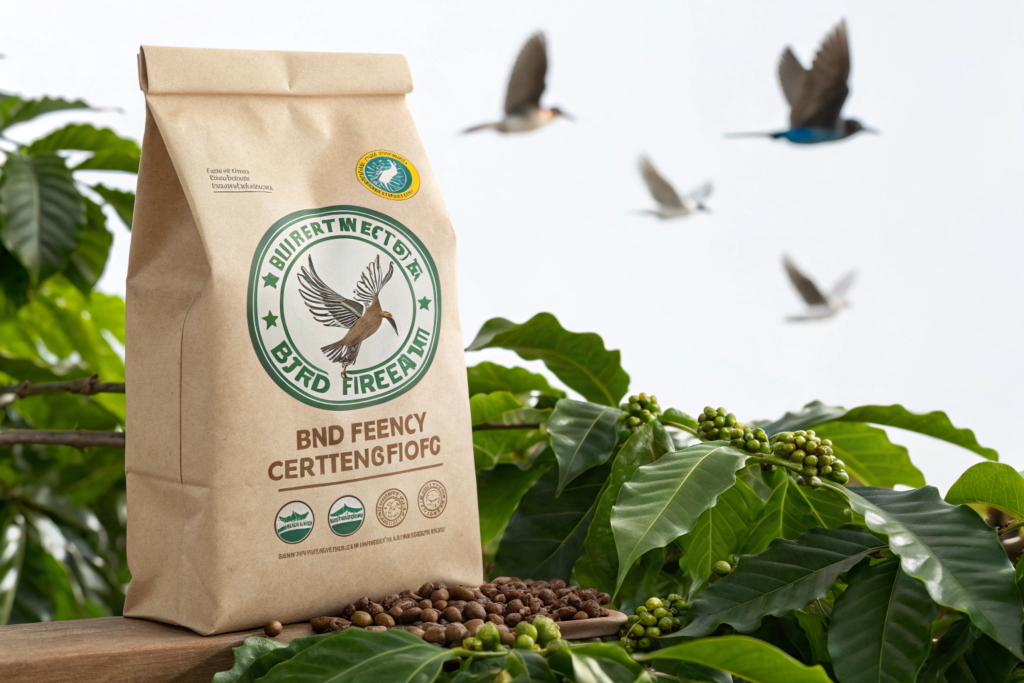
Bird Friendly isn't just a marketing term. It's a specific certification with rigorous standards. It was developed by the Smithsonian Migratory Bird Center. And it's considered the most stringent certification for shade-grown coffee.
Bird Friendly certification, administered by the Smithsonian Migratory Bird Center, requires coffee farms to maintain a diverse canopy of native shade trees. The standards are more rigorous than other shade-grown certifications. Farms must have at least 40% shade cover, with a diversity of tree species that provide habitat for migratory birds. The certification also requires organic practices—no synthetic pesticides or fertilizers. It's a holistic approach to farming that benefits birds, biodiversity, and coffee quality.
How Is Bird Friendly Different from Other Certifications?
This is a question I get a lot. There are many certifications out there. Organic. Rainforest Alliance. Fair Trade. Bird Friendly sits at the intersection of several of them. It requires organic farming, which means no synthetic chemicals. But it adds the shade and biodiversity requirements.
A farm can be organic but still be a sun plantation with no trees. Bird Friendly requires trees. It requires a forest-like environment. That's harder to achieve. It's also harder to maintain. But the benefits are real. The shade protects the coffee from temperature extremes. The trees provide habitat for birds. And the birds help control pests naturally. It's a system that works together.
What Does Shade-Grown Mean for Coffee Quality?
Here's something I've learned from our own farms. Shade matters for quality. When coffee grows under a canopy of trees, the cherries ripen slower. They develop more sugar, more complexity. The beans are denser. They taste better.
We've experimented with shade levels on our Catimor plots. The coffee grown under heavier shade has a richer, sweeter profile. It's more balanced. The acidity is smoother. The body is fuller. That's not just marketing. It's something you can taste. And it's one reason why Bird Friendly coffee often commands a premium price. It's not just better for the environment. It's better in the cup.
Where Can You Find Bird Friendly Suppliers?
Finding Bird Friendly suppliers takes a bit more work than finding conventional suppliers. But the resources are there. And once you build relationships with certified farms, you'll have access to a network of like-minded producers.
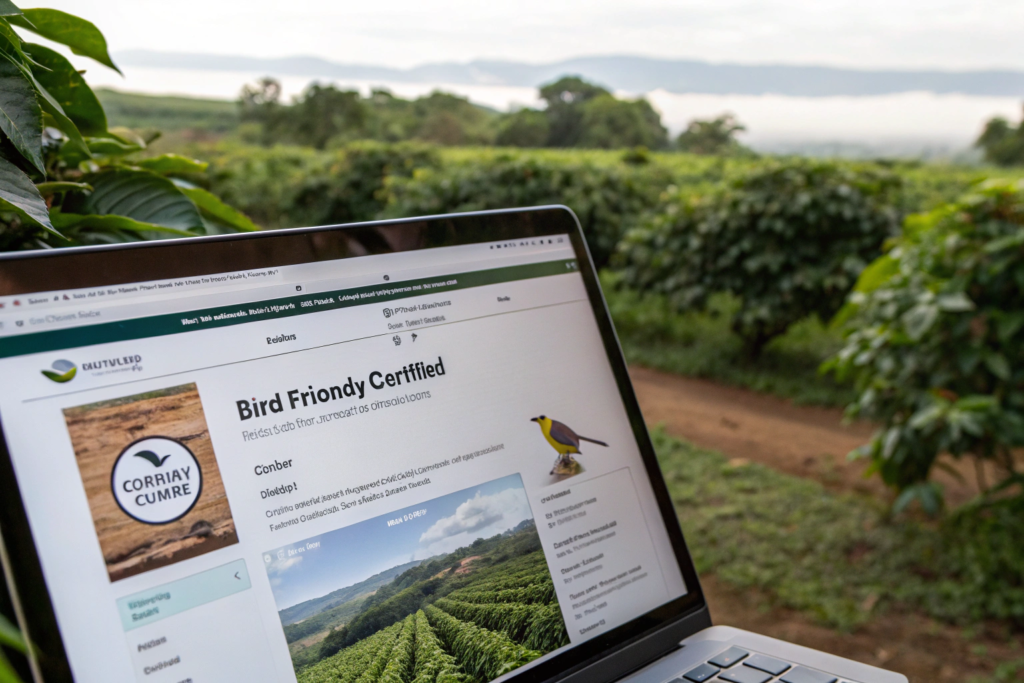
The best place to start is the Smithsonian Migratory Bird Center's online directory. It lists all Bird Friendly certified farms and roasters worldwide. You can search by region, by farm name, or by country. Major trade shows like SCA Expo, the Global Specialty Coffee Expo, and the Specialty Coffee Association's annual events often feature certified suppliers. Sustainable coffee organizations like the Rainforest Alliance, the Sustainable Coffee Challenge, and the Bird Friendly Coffee Coalition are also valuable resources.
How to Use the Smithsonian Directory?
This is your primary tool. The Smithsonian maintains a public database of all certified Bird Friendly operations. You can search by country, by farm name, or by roaster. The directory is updated regularly. And it's free to access.
When I'm helping a client find certified suppliers, this is where we start. We look for farms in regions we know produce quality coffee. We check their certification status. We reach out directly. It's a straightforward process. And because the certification is so rigorous, you know that any farm in the directory has been audited and approved.
Why Are Trade Shows Important for This Market?
Trade shows are where you can meet certified suppliers face to face. You can cup their coffee. You can ask about their shade practices. You can see the passion they have for their work. I've met some of the best Bird Friendly producers at SCA Expo.
I remember meeting a farmer from Central America who was Bird Friendly certified. He brought photos of his farm. The canopy of native trees was incredible. He pointed out the different bird species that lived there. He explained how he had built his whole farm around biodiversity. His Arabica was exceptional. That personal connection made me want to work with him. Trade shows give you that opportunity.
How to Evaluate a Bird Friendly Supplier?
Finding a certified supplier is one thing. Making sure they're a good partner is another. You need to evaluate the coffee, the farming practices, and the business relationship. Here's what I look for.
When evaluating a Bird Friendly supplier, verify their certification directly with the Smithsonian. Request samples and cup them to assess quality. Ask about their shade tree diversity, their organic practices, and their overall farm management. Inquire about their supply chain traceability and their ability to supply consistently year after year. A certification is important, but it's just the starting point. You need a partner who can deliver quality and reliability.
What Questions Should You Ask?
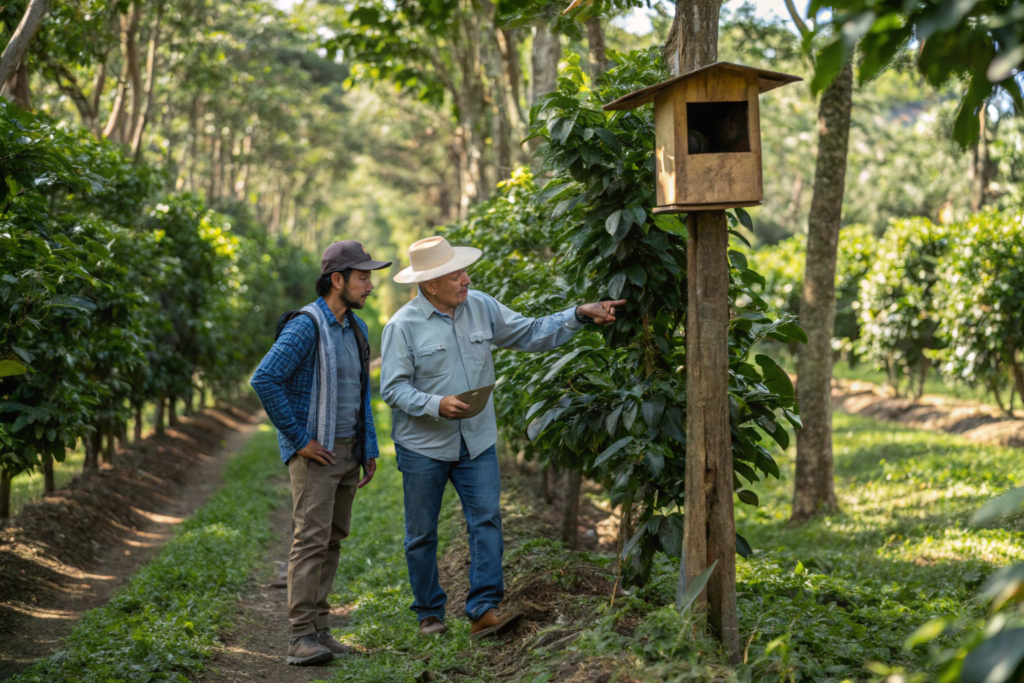
I've developed a list of questions over the years. First, ask for their certification number and verify it. Ask about the shade trees. What species do they grow? How much shade cover do they maintain? Ask about their organic practices. Do they use any synthetic inputs? How do they manage pests naturally? Ask about their processing. How do they dry their coffee? How do they ensure consistency?
A good supplier will be happy to answer these questions. When I talk to clients about our own Catimor, I can tell them exactly what shade trees we use, what our shade cover percentage is, and how we manage pests without chemicals. Transparency builds trust.
How to Use Samples to Test Quality and Consistency?
This is non-negotiable. Never buy Bird Friendly coffee without tasting it first. And don't just taste one sample. Ask for samples from different lots or different harvests. This helps you assess consistency.
When we work with a new Bird Friendly client, we send them samples of our Arabica from multiple lots. We encourage them to cup it themselves, to compare it to other certified coffees. We want them to be confident that our quality matches their standards. And we want them to know that what they taste in the sample is what they'll get in the container.
What Are the Benefits of Bird Friendly Coffee?
You might be wondering, "Why go through all this trouble? What's the real benefit?" I've seen the benefits firsthand. They're not just environmental. They're business benefits too.
Bird Friendly coffee offers multiple benefits. For the environment, it preserves habitat for migratory birds, maintains biodiversity, and protects water sources. For the farmer, shade-grown coffee often has higher quality and can command premium prices. For the roaster and retailer, Bird Friendly certification provides a powerful marketing story that resonates with eco-conscious consumers. And for the end customer, it offers a product that aligns with their values without compromising on taste.
What Are the Environmental Benefits?
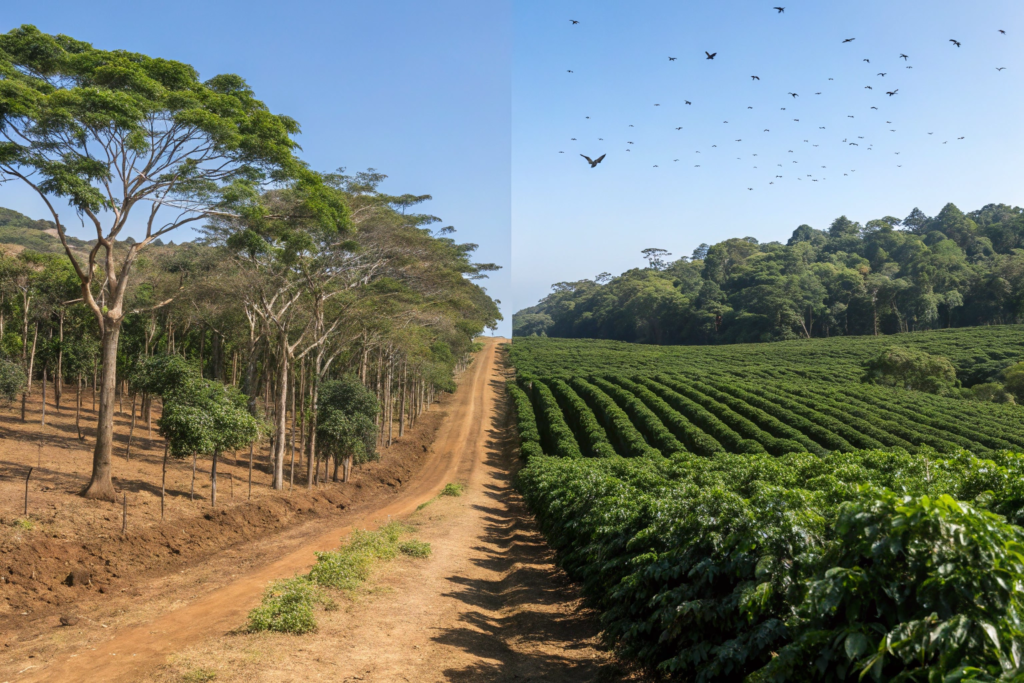
This is the heart of Bird Friendly certification. The shade canopy provides habitat for birds, especially migratory species that travel between North and South America. The trees also sequester carbon, protect soil from erosion, and maintain healthy water cycles.
I've seen this on farms. When you walk through a Bird Friendly farm, it feels alive. There are birds singing. There are insects buzzing. The soil is rich and dark. It's not just a farm. It's a forest that happens to produce coffee. That's the vision. And it's one I believe in.
What Are the Marketing Benefits for Your Clients?
Here's where it gets practical. For your clients—the roasters, the retailers, the cafes—Bird Friendly coffee is a marketing tool. It tells a story. It appeals to a specific customer base. Birdwatchers, environmental advocates, families who care about sustainability. These customers are loyal. They're willing to pay more. And they tell their friends.
I have a client in Oregon who built his entire brand around Bird Friendly coffee. He uses our Robusta in his blends. He has bird logos on his bags. He partners with local Audubon chapters. His customers aren't just buying coffee. They're supporting conservation. That's a powerful connection.
What Are the Challenges of Sourcing Bird Friendly Coffee?
Bird Friendly coffee isn't the easiest to source. There are challenges. But for the right buyer, they're worth it.
Sourcing Bird Friendly coffee requires more effort and patience. The certification is rigorous, so the supply is smaller than conventional or even organic coffee. Prices are typically higher due to lower yields and more intensive management. And because shade-grown coffee often ripens more slowly, harvest timing can be different. But for buyers who are committed to sustainability and willing to build relationships, the rewards are significant.
Why Is Supply Limited?
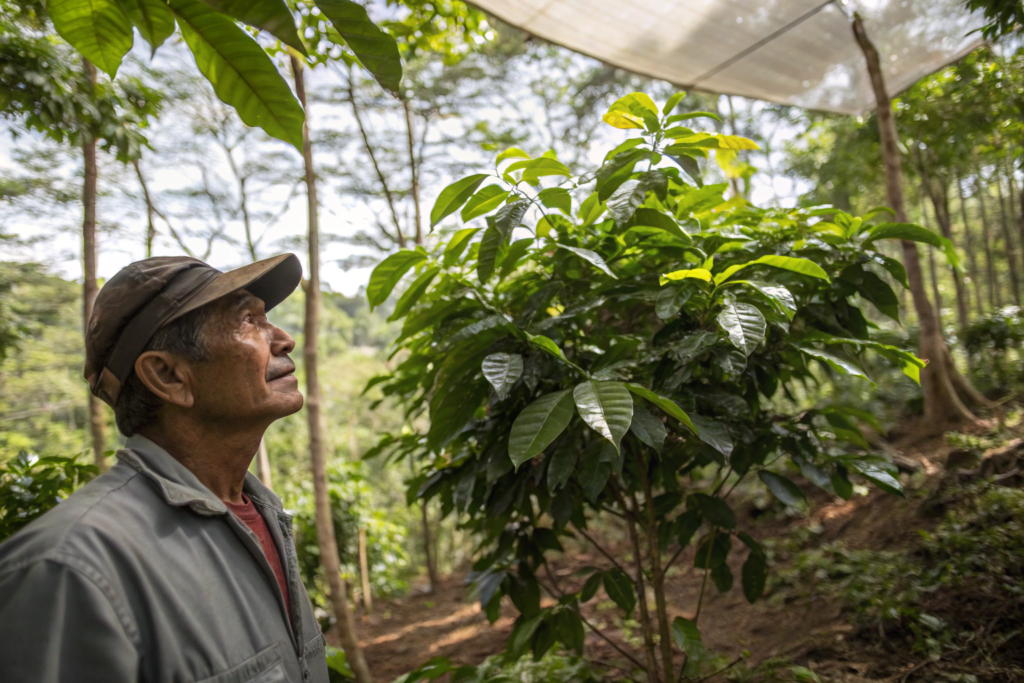
Bird Friendly certification is demanding. Not every farm can meet the standards. The shade canopy needs to be established and maintained. The organic practices require skill and knowledge. And the certification process itself takes time and money.
That means there are fewer Bird Friendly farms than conventional farms. But the ones that exist are serious about their work. They're committed to quality. They're good partners. And because the supply is limited, the relationships matter more. You're not just buying a commodity. You're partnering with a farm.
How Does Price Compare?
Bird Friendly coffee usually costs more. There's no way around it. The yields are lower because the shade reduces production. The management is more intensive. The certification costs money. But the price reflects the value.
The question isn't "Is it more expensive?" It's "Is it worth it?" For many of our clients, the answer is yes. They can charge a premium for Bird Friendly coffee. Their customers are willing to pay. And the loyalty they build with those customers lasts. It's an investment in a market segment that's growing.
Conclusion
Bird Friendly coffee isn't just a certification. It's a commitment. A commitment to farming in a way that protects birds, preserves biodiversity, and produces exceptional coffee. Finding these suppliers takes work. You need to use the Smithsonian directory, attend trade shows, and ask the right questions. But when you find the right partner, you're not just buying coffee. You're supporting a system that works with nature, not against it.
At BeanofCoffee, we believe in farming that respects the land. Our farms in Yunnan use shade practices that support local bird populations. We're proud of the quality of our Arabica, our Catimor, and our Robusta. And we work with logistics partners like Shanghai Fumao to bring that coffee to you, fresh and ready.
If you're ready to source Bird Friendly coffee that aligns with your values and delights your customers, let's talk. Contact our team lead, Cathy Cai, at cathy@beanofcoffee.com. She can help you find the right certified options, share farm stories, and build a partnership that makes a difference. Let's grow something that lasts.