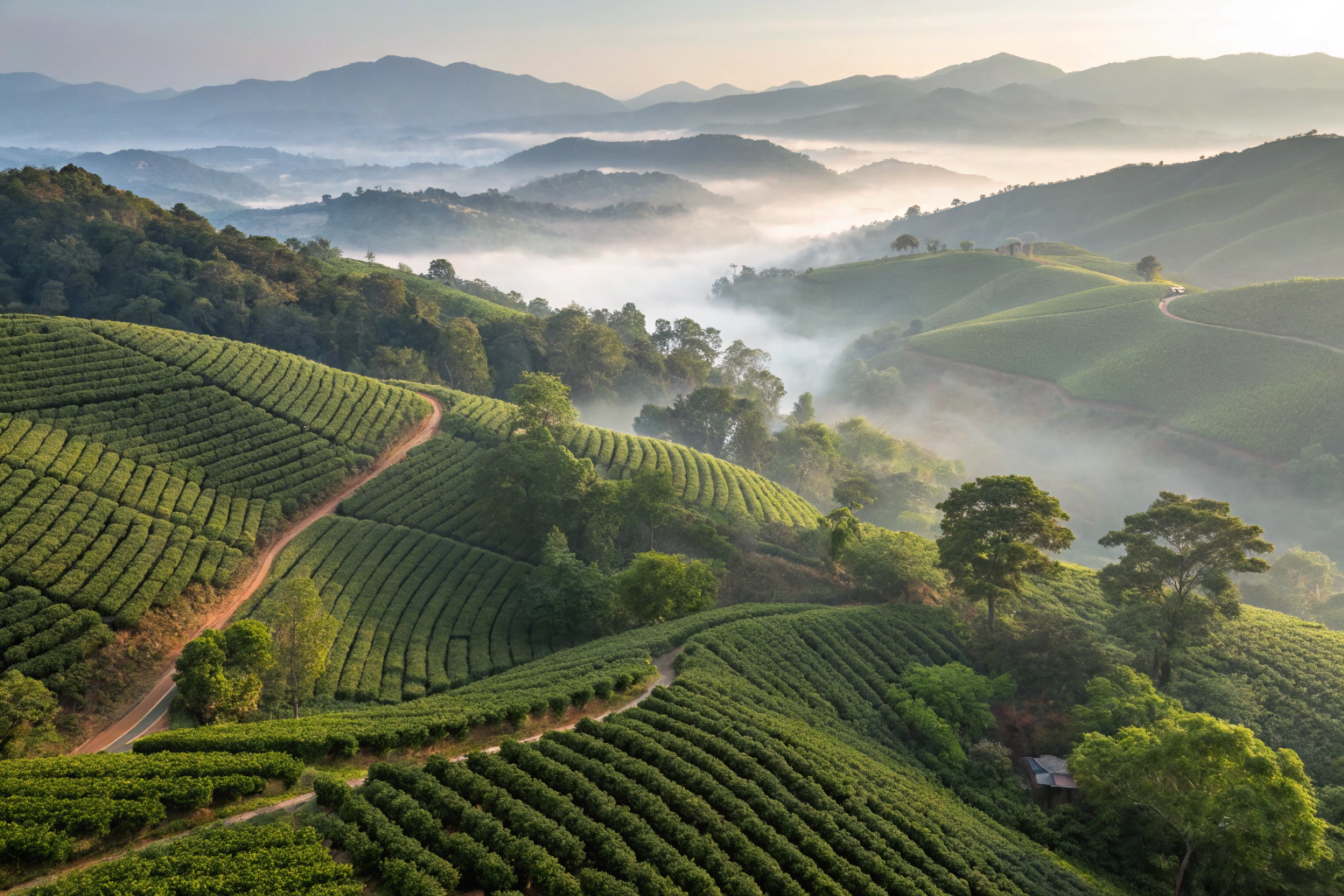
When I first started telling buyers in North America and Europe that our coffee came from Yunnan, I got a lot of skeptical looks. People had this idea that China was only for tea. Or they thought Yunnan coffee was cheap, low-grade stuff. And honestly, that reputation existed for a reason. Years ago, some of the coffee from Yunnan wasn't great. But things have changed. I've been in this business for over a decade now. I've watched our farms in Baoshan grow from a few hundred acres to over 10,000. I've seen the quality improve year after year. And today? I can say with confidence that Yunnan coffee beans are not just suitable for premium blends. They are becoming essential to them.
Yes, Yunnan coffee beans are absolutely suitable for premium blends. With high-altitude growing conditions, meticulous processing, and a flavor profile that balances bright acidity with rich body, Yunnan Arabica and Catimor varieties are now being used by top roasters in North America, Europe, and Australia. They offer complexity, consistency, and a unique story that adds value to any premium blend.
Now, I know some of you are still skeptical. That's fair. I was skeptical too, years ago. But I've seen the proof. I've cupped our beans alongside some of the best from Central America and Africa. And I've watched roasters who started as doubters become some of our biggest advocates. So let me walk you through why Yunnan coffee has earned its place in premium blends.
What Makes Yunnan Coffee Unique?
Let's start with the land. Yunnan is special. The province sits at the same latitude as some of the world's best coffee regions. Think Ethiopia, Colombia, Kenya. But it has its own unique character. The high altitude, the rich volcanic soil, the misty mornings, and the dry, sunny afternoons. These conditions create a slow, even ripening process. And that's where the complexity comes from.
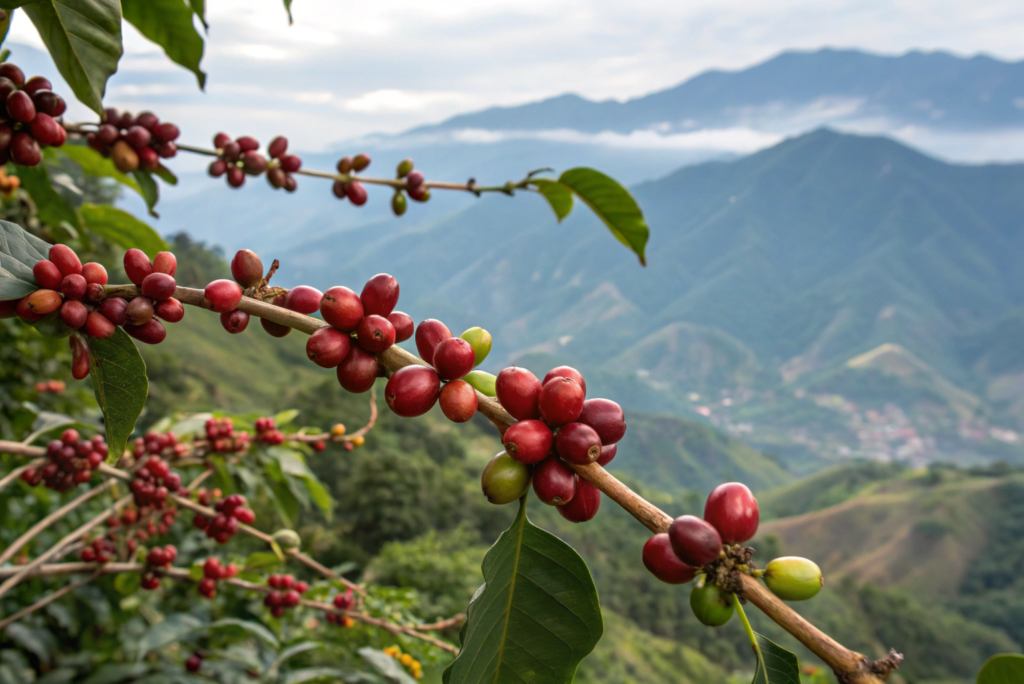
Yunnan's high-altitude growing regions, typically between 1,200 and 1,600 meters above sea level, provide ideal conditions for specialty coffee. The combination of rich soil, ample rainfall, and significant day-to-night temperature variation allows cherries to develop slowly, concentrating sugars and producing complex flavor compounds. This terroir gives Yunnan coffee a distinctive profile that blends well with other origins.
What Is the Flavor Profile of Yunnan Arabica?
Our Arabica is the star of our operation. And the flavor profile is something I'm proud of. You get a bright, clean acidity. Not sharp or sour, but balanced. Think stone fruit—peach, apricot. There's a sweetness that reminds me of brown sugar or honey. And there's a body that's smooth and silky, not heavy.
I remember cupping this with a roaster from Seattle. He was skeptical at first. But after tasting, he said, "This is like a really good Colombian, but with its own thing going on." That "own thing" is the subtle earthiness, the hint of spice that comes from Yunnan soil. It adds depth without overpowering. And that's exactly what you want in a premium blend.
How Does Catimor Perform in Blends?
Our Catimor is a different story. It's a hybrid variety that was developed for disease resistance and yield. But in Yunnan, it's become something special. The cup profile is fuller, more robust than the Arabica. You get notes of dark chocolate, toasted nuts, and a rich, syrupy body. The acidity is lower, making it incredibly smooth.
Here's the thing. Catimor often gets a bad reputation in other regions. But in Yunnan, at high altitude, with careful processing, it produces coffee that rivals some of the best Bourbon or Typica varieties. I've seen roasters use it as the backbone of their espresso blends. It adds body, crema, and a chocolatey sweetness that plays beautifully with brighter, fruitier coffees.
How Does Yunnan Coffee Compare to Other Origins?
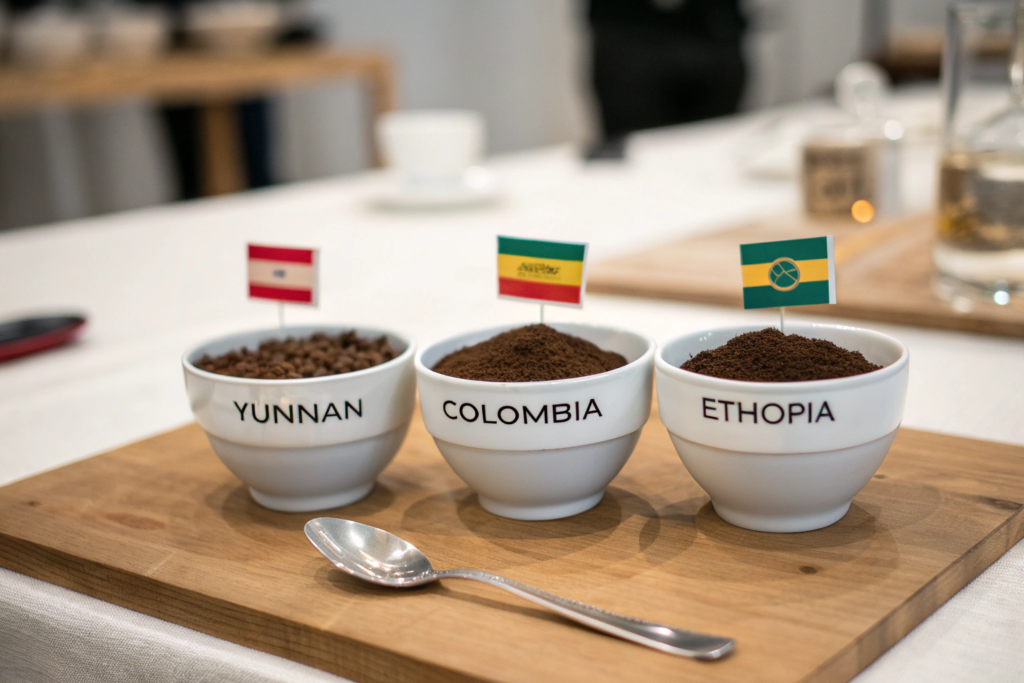
I get this question a lot. How does Yunnan stack up against the big names? Colombia, Ethiopia, Kenya, Brazil. And my answer is always the same. It's different. Not better or worse. Different. And that difference is exactly what makes it valuable in premium blends. It brings something new to the table.
Yunnan coffee occupies a unique position in the specialty coffee world. It offers the clean, bright acidity of high-altitude Central American coffees, but with a body and sweetness that leans toward Brazilian or Indonesian profiles. This versatility makes it an excellent blending component. It can add brightness to a heavy Brazilian base, or body to a light Ethiopian blend.
How Does Yunnan Arabica Compare to Colombian?
Colombian coffee is the gold standard for many roasters. And for good reason. It's consistent, balanced, and approachable. Our Arabica shares some of those qualities. The acidity is bright but manageable. The body is medium. But where Colombian can sometimes be a little one-dimensional, Yunnan often shows more complexity. A hint of spice. A touch of floral. It's subtle, but it's there.
I had a roaster from the UK tell me he uses our Yunnan Arabica as a replacement for Colombian in his house blend. He said it gave him the same balance, but with an extra layer of interest. His customers noticed. They said the coffee tasted "more complete." That's the kind of feedback that tells me we're on the right track.
How Does Yunnan Catimor Compare to Brazilian?
Brazilian coffee is the workhorse of the industry. It's consistent, full-bodied, and often used as a base for espresso blends. Our Catimor fills a similar role. It has that same chocolatey, nutty profile. It has that same low acidity and heavy body. But it adds something Brazilian often lacks: complexity.
The Yunnan Catimor has a cleaner finish than many Brazilian naturals. There's less of that "earthy" note that some people don't like. And the sweetness is more pronounced. It's like a Brazilian coffee that went to finishing school. It has all the power, but with more refinement. That makes it a fantastic base for blends where you want body without sacrificing clarity.
Why Are Roasters Adding Yunnan to Their Premium Blends?
The proof is in the market. I've watched more and more roasters in North America, Europe, and Australia start using Yunnan coffee in their premium blends. They're not doing it to be trendy. They're doing it because it works. It makes their coffee better. And their customers are responding.
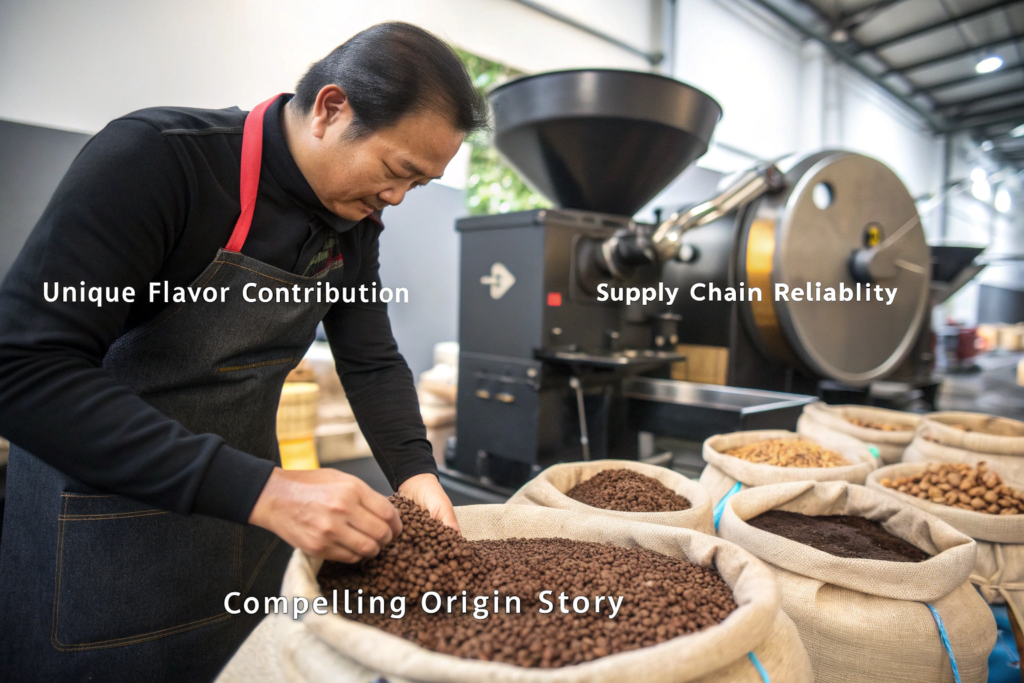
Top roasters are adding Yunnan coffee to their premium blends for three key reasons: unique flavor contribution, supply chain reliability, and a compelling origin story. Yunnan offers flavors that complement other origins without overpowering them. And with large-scale, professionally managed farms like ours, roasters can count on consistent quality and stable supply year after year.
How Does Yunnan Add Value to Espresso Blends?
Espresso blends are all about balance. You want sweetness, body, crema, and enough complexity to be interesting without being weird. Yunnan coffee hits all those notes. Our Catimor provides the body and chocolatey base. Our Arabica adds a touch of fruit and brightness. Together, they create a blend that works beautifully on its own or with milk.
I remember a roaster in Melbourne who was struggling to find a consistent base for his espresso blend. He was using Brazilian and Colombian, but the price was volatile and the quality varied. He tried our Yunnan blend. He loved it. Now, Yunnan is 60% of his house espresso. He says it's the most consistent blend he's ever had. And his customers keep coming back.
What About Single-Origin Blends?
This is an interesting trend. Some roasters are creating blends using only Yunnan coffees. They'll combine our Arabica from different micro-lots, or blend the Arabica with the Catimor to create a "Yunnan Blend." It's a way to showcase the region's diversity while still offering a balanced, consistent product.
I talked to a roaster in Canada who does exactly this. He calls his blend "Yunnan Harmony." It's 70% Arabica from our high-altitude farms and 30% Catimor from the valley. The result is a coffee with bright fruit notes, a rich chocolate body, and a smooth finish. It's become one of his bestsellers. And it tells a story. His customers know they're drinking something unique, something that comes from a single region in China. That story adds value.
What About Quality and Consistency?
You can have the best flavor profile in the world. But if you can't deliver it consistently, it's worthless for a premium blend. Premium roasters need reliability. They need to know that the coffee they buy this year will taste the same next year. And that's where our scale and experience come in.
Consistency is the foundation of any premium coffee program. With over 10,000 acres of owned plantations, we control every step of the process. From planting and harvesting to processing and export, we maintain rigorous quality standards. This vertical integration allows us to deliver the same flavor profile, lot after lot, year after year.
How Does Vertical Integration Help?
Most coffee suppliers buy from small farms or cooperatives. They aggregate coffee from hundreds or thousands of smallholders. That can be great for variety. But it's challenging for consistency. Every farm is different. Every processing method is different. The quality can fluctuate.
We do things differently. We own our farms. We employ our own workers. We operate our own processing stations. This means we can control every variable. We can standardize harvesting practices. We can ensure consistent fermentation and drying. We can track each lot from tree to export. For our Arabica and Catimor, this means you get the same quality, the same flavor, every time you order.
What Role Does Cupping and Quality Control Play?
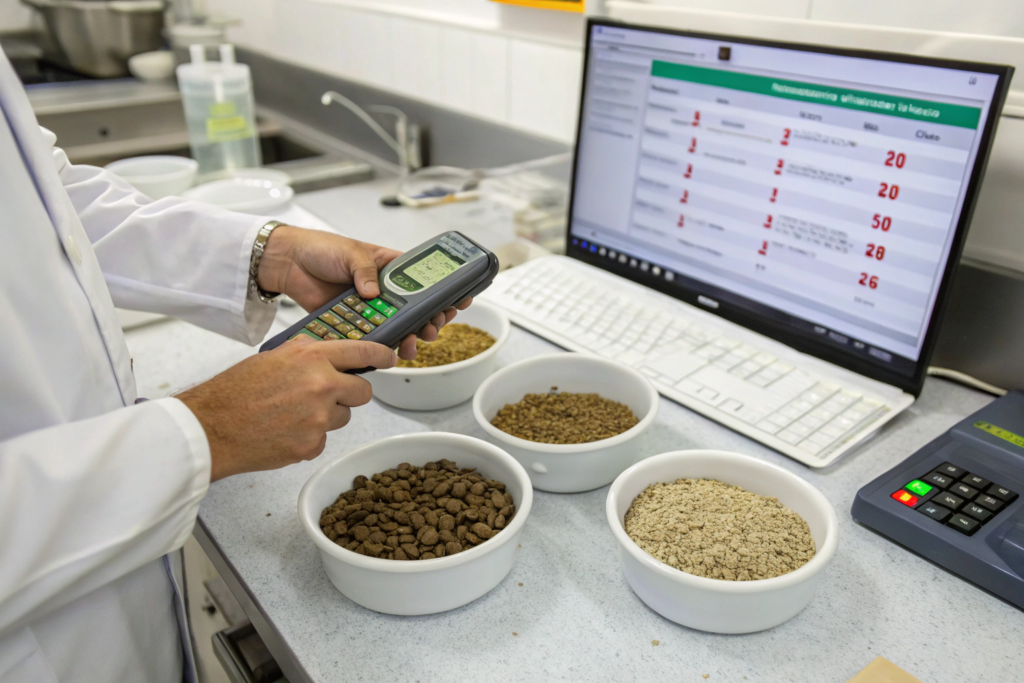
We cup every lot. Multiple times. At harvest, after processing, before export. We use the Specialty Coffee Association (SCA) standards. And we're not just looking for defects. We're looking for character. We want to understand the flavor profile of each lot so we can help our clients find the right fit for their blends.
I remember a client in Germany who wanted a specific flavor profile for his blend. He wanted bright acidity, but not too bright. Medium body, but with some weight. We sent him samples from different lots of our Arabica. He cupped them, chose one, and we set up a contract. A year later, he's still using that same lot. The flavor hasn't changed. That's the power of consistency.
Conclusion
Are Yunnan coffee beans suitable for premium blends? The answer is a clear yes. But let me be more specific. They're not just suitable. They're valuable. They bring unique flavors to the table. They offer consistency and reliability. And they come with a story that adds value to any brand. From the bright, balanced Arabica to the rich, full-bodied Catimor, our Yunnan coffees are designed for the premium market.
At BeanofCoffee, we're proud of what we've built. Over 10,000 acres of our own plantations in Baoshan. A team dedicated to quality. A supply chain that delivers consistency. We work with partners like Shanghai Fumao to ensure that our coffee reaches you in perfect condition, every time. Whether you're a roaster looking for a new base for your espresso blend, or a brand owner looking for a unique single-origin story, we have the coffee and the expertise to help you succeed.
If you're ready to try Yunnan coffee in your premium blends, let's talk. Contact our team lead, Cathy Cai, at cathy@beanofcoffee.com. She can send you samples, share cupping notes, and help you find the perfect coffee for your blend. Let's create something exceptional together.