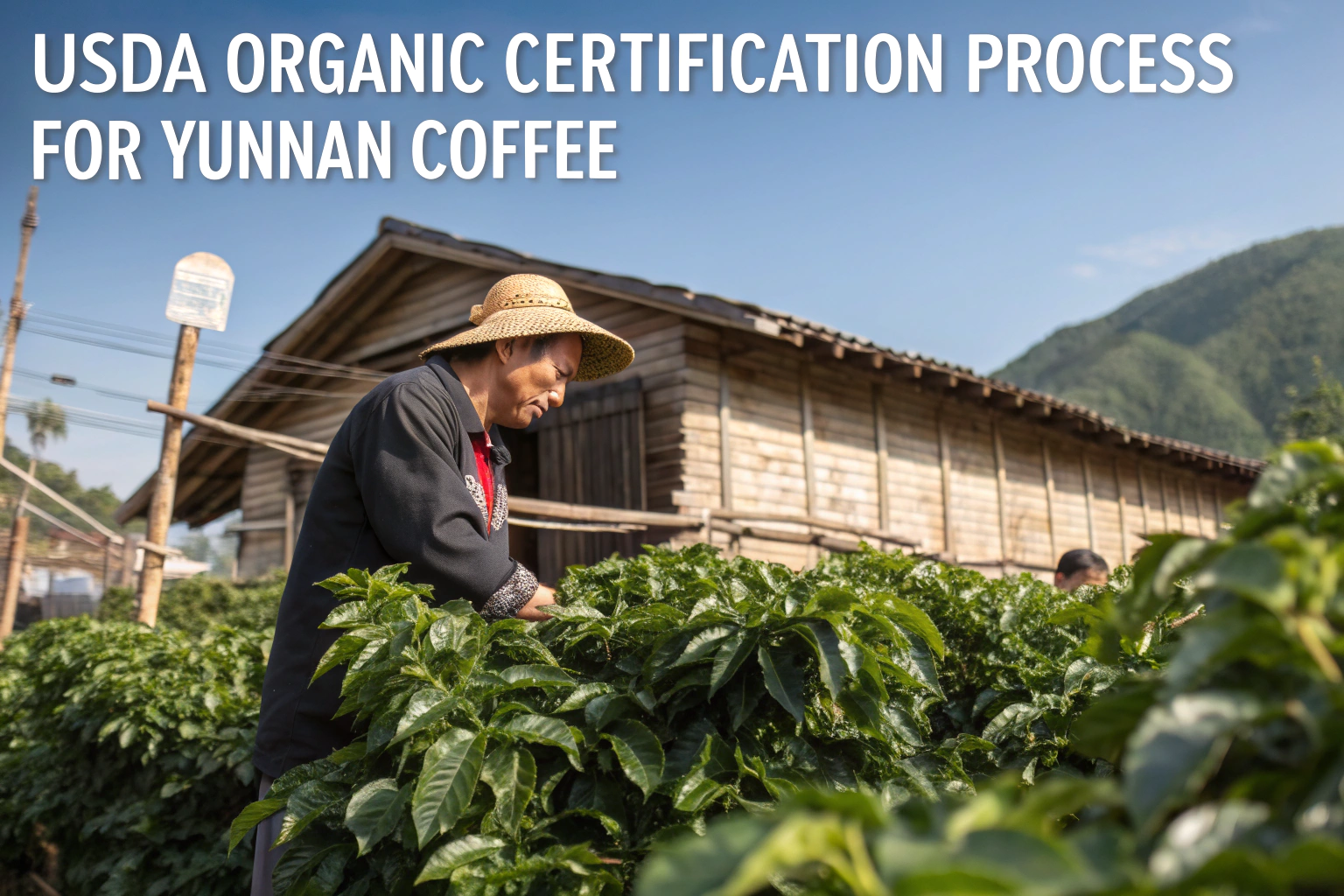
Many U.S. buyers ask me the same question. They want Yunnan coffee. They like the price. They like the quality. But then they ask, "Can you ship it as USDA organic?" And I hear the worry in their voice. If the answer is wrong, their shipment can sit at the port. Or worse, it can be rejected. That costs time and money. Nobody wants that.
So, how do you get a USDA organic equivalency for Yunnan coffee? The short answer is this: China does not have a full USDA organic equivalency agreement for coffee. That means Yunnan coffee cannot use "equivalency" as a shortcut. It must be certified under the USDA National Organic Program, or NOP, by a USDA-accredited certifier. The farm, the handler, the exporter, and the documents all need to meet NOP rules. At BeanofCoffee, we work with certifiers and U.S. buyers on this step by step.
I have worked in Baoshan City, Yunnan Province for years. We own over 10,000 acres of coffee bean plantations. We grow Catimor, Arabica, and Robusta. We export raw beans and packaged products to North America, Europe, and Australia. Along the way, I have learned that organic trade is not just a label. It is a chain of records, inspections, and trust. Let me walk you through what really matters.
What Is USDA Organic Equivalency?
When I first heard the word "equivalency," I thought it meant one certificate works everywhere. That is not true. Equivalency is a trade idea. It means two governments agree that their organic rules are equal. If that happens, a product certified in one country can be sold as organic in the other country. But this only works when both sides sign an agreement. For Yunnan coffee going to the U.S., that agreement is not in place for this category.
So, what does this mean for you? It means you should not look for a simple "equivalency stamp." You should look for USDA NOP certification. The certifier must be accredited by the USDA. The coffee farm must follow organic practices for at least 36 months before harvest. The exporter must keep organic handling records. The final product must avoid prohibited substances. This is the real path. It is slower, but it is safe.
Dive deeper: A common mistake is mixing up "certified organic" with "equivalency." Certification is about one operation. Equivalency is about government-to-government recognition. Another way to look at this is simple: certification is your passport. Equivalency is a visa waiver. Yunnan coffee does not have that waiver for the U.S. market. So, you still need the passport.
| Term | What It Means | What It Does Not Mean |
|---|---|---|
| USDA NOP certification | A USDA-accredited certifier verifies your operation | It does not replace U.S. import rules |
| Organic equivalency | Two countries accept each other's organic standards | It is not automatic for China |
| Transaction certificate | Proof that a specific shipment is organic | It is not a farm certificate |
| Organic integrity | Keeping organic beans separate from conventional beans | It is not only a paperwork task |
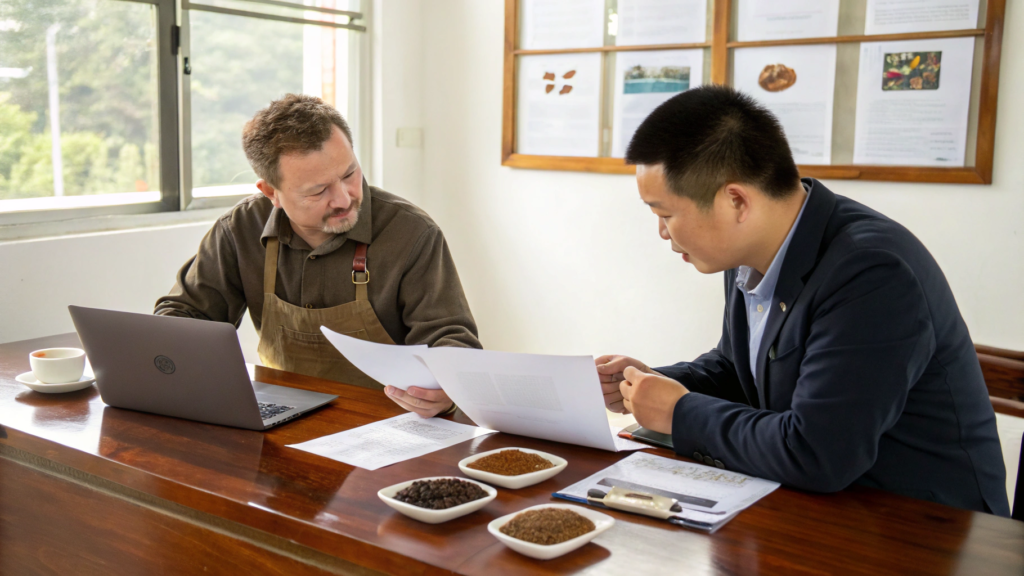
What Does USDA Organic Equivalency Actually Mean?
USDA organic equivalency means the U.S. and another country have an official organic trade arrangement. Under this arrangement, organic products certified in one country can be sold as organic in the other. The U.S. has such arrangements with some trading partners. But these arrangements are specific. They cover certain products and certain rules. They do not cover every country. They do not cover every product. For coffee from China, you cannot rely on equivalency alone. You need to follow the USDA organic rules and check the international trade rules before you promise a U.S. buyer anything.
I tell buyers this early. It saves trouble later. If your supplier says, "We have equivalency," ask for the paper. Ask which country. Ask which product. Ask which certifier. If the answers are vague, stop. You are not being rude. You are protecting your brand.
Does China Have a USDA Organic Equivalency Agreement?
No, China does not have a full USDA organic equivalency agreement that covers Yunnan coffee in the way many buyers hope. This is the hard part. I wish it were simpler. It is not. But there is good news. Yunnan coffee can still be certified organic for the U.S. market. The farm and the handler must be certified under the USDA National Organic Program. The certifier must be USDA-accredited. The export shipment must have the right documents. The rules are in the USDA organic regulations. You can also review market data from the USDA Foreign Agricultural Service to understand China coffee supply.
So, the answer is not "no forever." The answer is "no shortcut." You build the organic chain. You document it. You verify it. Then you export.
How Do You Certify Yunnan Coffee as Organic?
Certifying Yunnan coffee as organic is a process. It is not a single form. It starts at the farm. It moves to the wet mill. It moves to the dry mill. It moves to the warehouse. It moves to the exporter. Each step must keep organic beans separate from conventional beans. Each step must have records. I have seen farms with great coffee fail this step because they did not write things down. That is painful. But it is fixable.
For U.S. buyers, the key is the USDA NOP certificate. The certifier inspects the farm and the handler. The certifier reviews inputs, pest control, storage, cleaning, and transport. The certifier also checks that no prohibited substances were used. If the farm is in transition, the coffee cannot be sold as organic yet. The land needs 36 months of organic management before the first organic harvest. That is a long wait. So, planning matters.
I often tell clients to split the project into two tracks. Track one is the farm. Track two is the export chain. Many people focus only on the farm. Then they lose organic status at the mill or warehouse. Another way to look at this is simple: organic coffee is a clean chain, not a clean bag. If one link is dirty, the whole chain breaks. At BeanofCoffee, we map the chain before the first shipment. We check who touches the beans, where they are stored, and how they are moved.
What Steps Start a USDA Organic Certification?
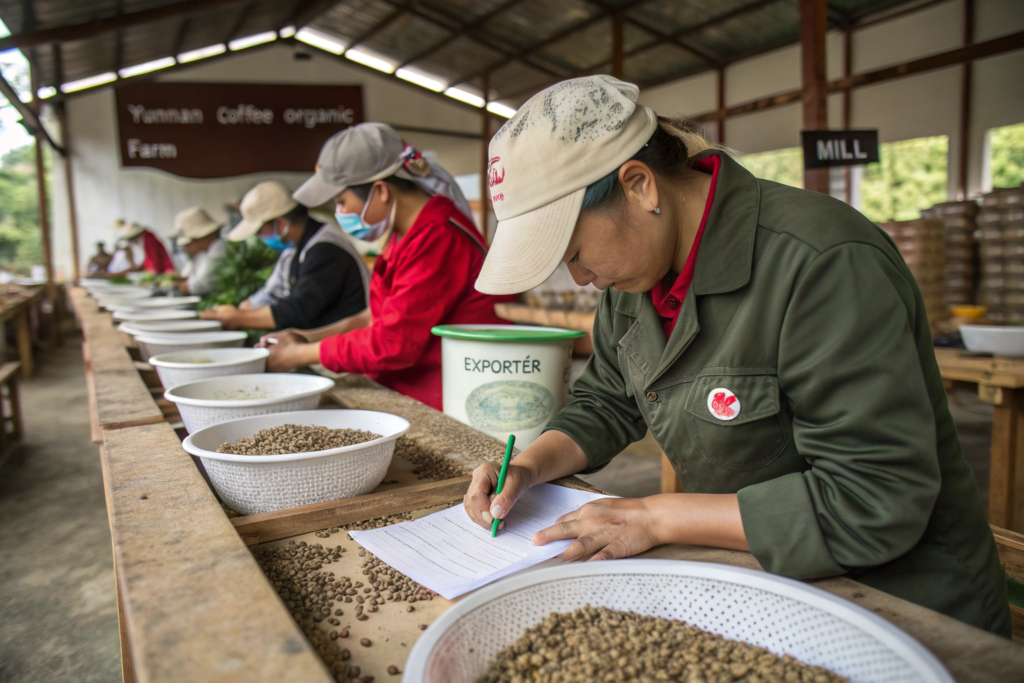
The first step is to choose a USDA-accredited certifier. You can find the list through the USDA organic certification application and the USDA certifier directory. Then you submit an organic system plan. This plan describes your farm, seeds, soil management, pest control, harvest, storage, and sales. The certifier reviews the plan. Then an inspector visits the farm and the handling facilities. The inspector takes samples if needed. After that, the certifier makes a decision. If you pass, you get an organic certificate. If you fail, you get a list of fixes. You fix them and try again.
My advice is simple. Do not wait until harvest. Start the paperwork early. Train your team early. Keep your receipts. Keep your field logs. Keep your cleaning logs. These small habits decide whether your coffee can enter the U.S. as organic.
How Do You Keep Organic Records for Coffee Farms?
You keep organic records by writing down every important action. Write down when you plant. Write down when you weed. Write down what you use for pest control. Write down when you harvest. Write down how you clean the mill. Write down how you store the beans. Write down how you ship them. The USDA organic handbook gives useful guidance. You can also learn from certifiers like CCOF and Control Union. They work with coffee supply chains.
A buyer once told me, "If it is not written down, it did not happen." That sounds harsh. But it is true in organic trade. Records protect you. They also protect the buyer. They make the shipment smoother at the U.S. border.
What Do USDA Organic Certification Costs?
Cost is always on a buyer's mind. I understand. Ron, a 44-year-old company owner in America, once told me he cares about price and timeliness. Most buyers do. Organic certification adds cost. It adds inspections, fees, record keeping, and separate storage. It also adds value. Organic coffee can sell at a higher price. It can open doors to U.S. brands that will not buy conventional coffee. So, the real question is not "Is it cheap?" The real question is "Does the extra cost bring a return?"
For Yunnan coffee, costs vary by farm size, certifier, travel, and complexity. A small farm pays less than a large estate. A farm that also handles milling and export pays more. The USDA has a cost share program that can help with some certification costs. I always tell clients to budget for the full chain, not just the certificate. That includes training, storage upgrades, cleaning, and extra paperwork.
Dive deeper: Another way to look at this is to compare organic coffee to a passport again. The passport fee is not the whole trip. You also pay for photos, forms, and time. In the same way, the organic certificate fee is not the whole organic program. You pay for separation, records, and inspections. But if you plan well, the cost is manageable. If you plan badly, the cost doubles. So, plan first.
| Cost Area | What It Covers | Who Usually Pays |
|---|---|---|
| Certifier fees | Application, inspection, review | Farm or exporter |
| Record keeping | Staff time, logs, software | Farm or exporter |
| Storage upgrades | Separate bins, cleaning, pest control | Handler or warehouse |
| Testing | Residue checks, samples | Farm or exporter |
| Shipping documents | Transaction certificates, customs papers | Exporter or buyer |
How Much Does USDA Organic Certification Cost?
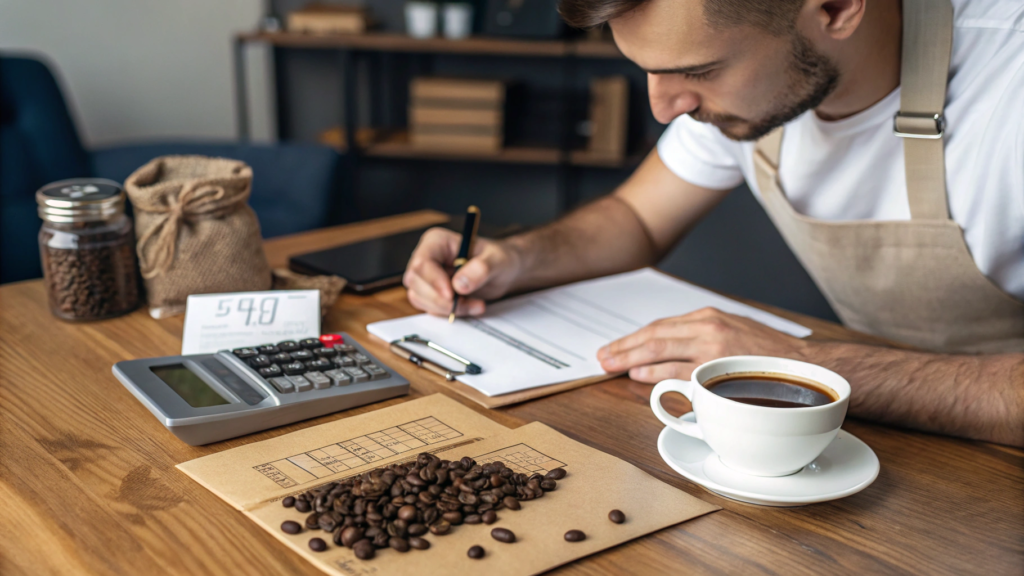
The cost depends on your operation. A small coffee farm may pay a few hundred to a few thousand U.S. dollars per year. A large estate with milling and export may pay more. The USDA offers an organic certification cost share program that can reduce some fees. You can also read common questions on the USDA organic certification FAQ. I tell clients to ask for a written quote. Ask what is included. Ask what is not included. Ask about travel costs. Ask about re-inspection fees. These details matter.
Do not choose a certifier only because the fee is low. Choose a certifier that knows coffee. Choose one that answers your emails. Choose one that can support your U.S. buyers. A cheap certificate that causes delays is not cheap.
How Long Does It Take to Get Certified?
It usually takes months, not days. The farm must complete the transition period. The certifier must review the plan. The inspector must visit. The report must be written. The decision must be made. If you already have records and clean storage, it can move faster. If you are starting from zero, it takes longer. I have seen projects take 6 to 12 months after the transition period. Some take longer. For market context, you can check Organic Europe and Rainforest Alliance for sustainability trends. They are not USDA programs, but they show how buyers think about responsible sourcing.
Timeliness matters. If you need organic coffee for a fall launch, start one year early. Do not start in August. That is too late. I have learned this the hard way.
How Do You Export Organic Coffee to the U.S.?
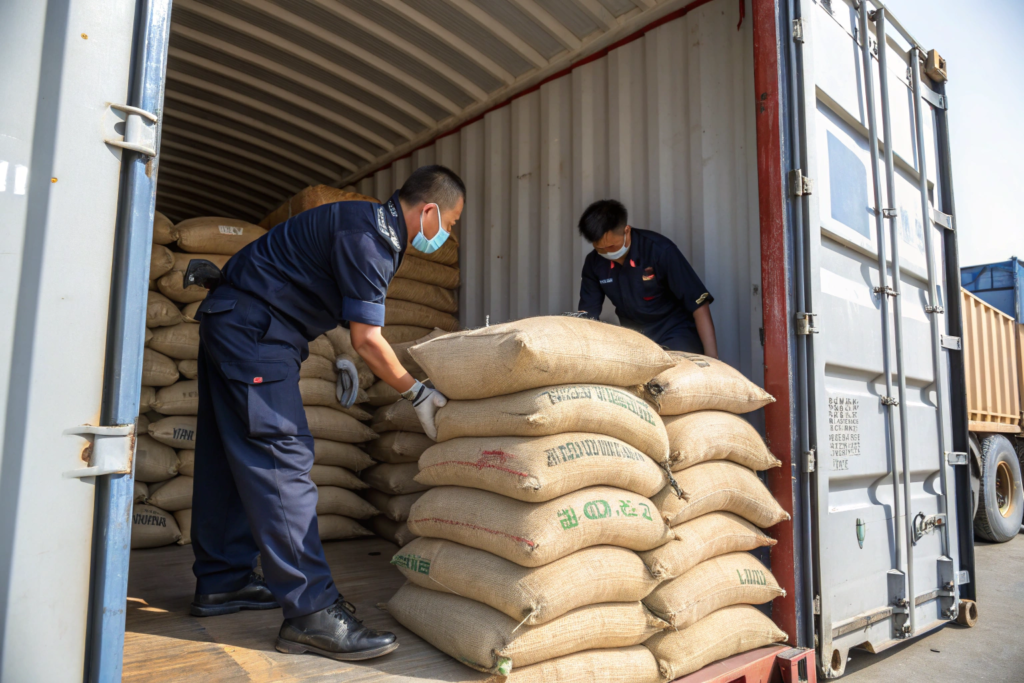
Exporting organic coffee to the U.S. is not just about putting bags in a container. It is about keeping the organic claim alive from farm to port. The U.S. buyer needs documents. The customs broker needs documents. The FDA needs documents. The organic certifier needs documents. If one document is missing, the shipment can slow down. If the organic integrity is broken, the coffee cannot be sold as organic.
I have shipped coffee from Yunnan to North America, Europe, and Australia. The U.S. market is strict. It rewards suppliers who prepare. It punishes suppliers who guess. So, my team builds a document pack before the container leaves. We check the organic certificate. We check the transaction certificate. We check the bill of lading. We check the packing list. We check the commercial invoice. We check the FDA prior notice. We check the customs entry. Every step has a person and a deadline.
Another way to look at this is to think of the shipment as a story. The farm tells the first chapter. The mill tells the second. The warehouse tells the third. The shipping line tells the fourth. The customs broker tells the fifth. If one chapter is missing, the story does not make sense to the USDA or the U.S. buyer. So, write the story before you sell the coffee.
What Shipping Documents Do U.S. Buyers Need?
U.S. buyers need a clear document set. The basic set includes a commercial invoice, packing list, bill of lading, and certificate of origin. For food, they also need FDA prior notice. You can review the U.S. Customs and Border Protection import basics and the FDA foreign supplier verification program. For organic coffee, you also need an organic certificate and a transaction certificate. The transaction certificate links the specific shipment to the certified operation. Without it, the buyer cannot prove the organic claim.
I tell my clients to send documents early. Send them before the vessel arrives. Send them to the customs broker. Send them to the buyer. Do not wait until the last minute. Delays at the port are expensive.
How Do You Protect Organic Integrity in Shipping?
You protect organic integrity by keeping organic coffee separate from conventional coffee at every step. Use clean containers. Use clean pallets. Use sealed bags. Use liners if needed. Use pest control that is allowed under organic rules. Keep records of cleaning. Keep records of seals. Keep records of transport. The USDA organic exporting page explains key export rules. Logistics partners like Maersk can help with container options, but they do not replace your organic controls.
A simple example: Last year, a buyer asked us to ship organic Arabica and conventional Robusta in the same week. We used different warehouses, different teams, and different containers. It took more planning. But it protected the organic claim. That is the job.
Conclusion
Getting a USDA organic equivalency for Yunnan coffee is not a simple switch. China does not have a full USDA organic equivalency agreement for coffee. So, the real path is USDA NOP certification. You need a USDA-accredited certifier. You need organic farm records. You need clean handling. You need transaction certificates. You need strong export documents. You need patience. But you can do it. Yunnan coffee has good quality, good price, and stable supply. With the right organic chain, it can meet U.S. buyer needs.
I have seen the difference between a rushed shipment and a prepared shipment. The prepared one is calm. The rushed one is full of surprises. So, start early. Build records. Train your team. Choose a certifier who knows coffee. Then work with an exporter who understands the full chain.
If you want to buy organic Yunnan coffee or discuss a private label order, please contact us at BeanofCoffee. We own over 10,000 acres in Baoshan City, Yunnan Province. We export Catimor, Arabica, and Robusta. We serve large company buyers, brand buyers, distributors, trading companies, and exporters. You can reach our Cathy Cai at cathy@beanofcoffee.com. She will help you with samples, certificates, pricing, and shipping schedules. Let us build a reliable organic coffee supply chain together.