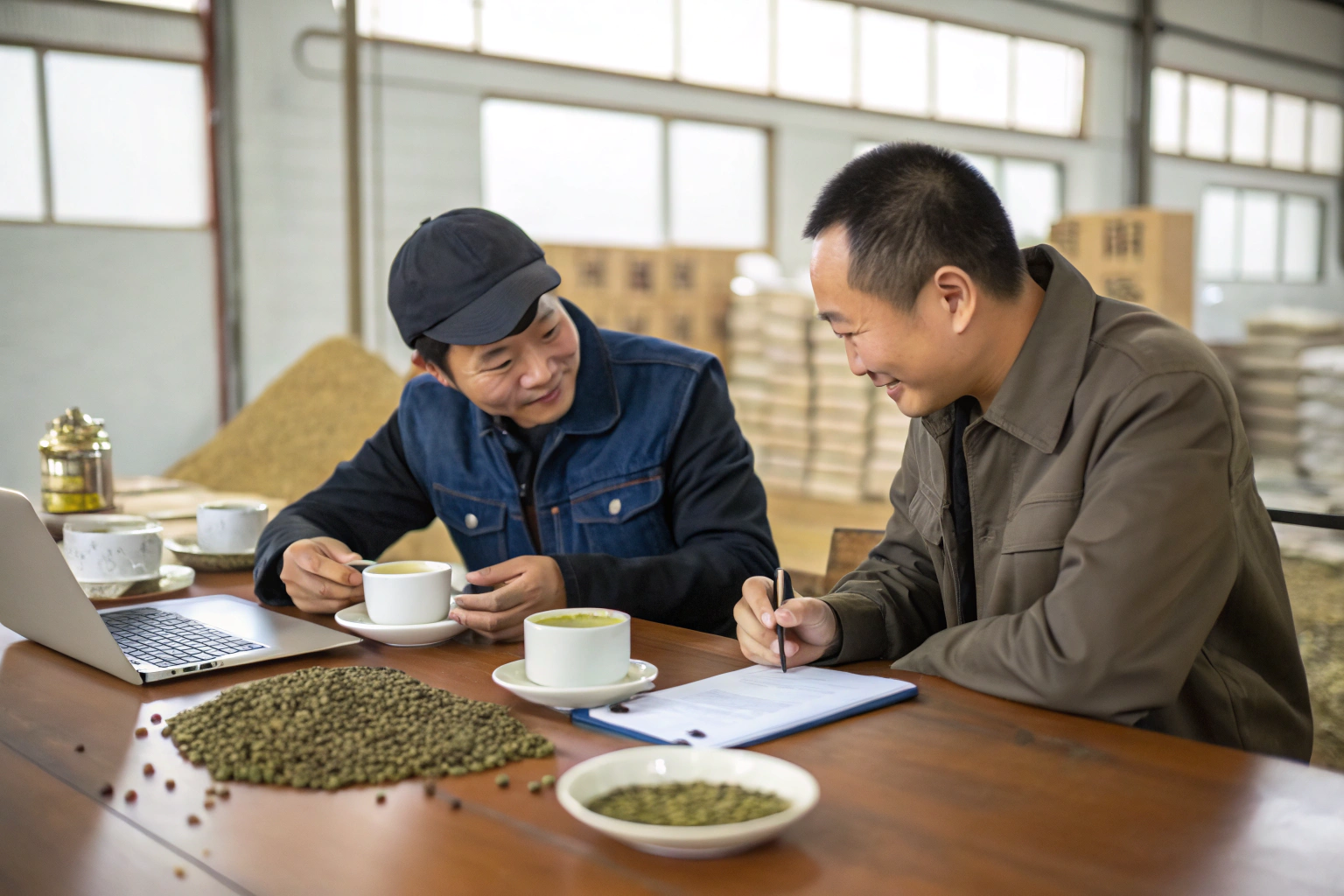
Many buyers send me a message and say, "I want clean coffee, 85 points, no defects, low price, fast shipping." I understand. I want that too. But green coffee is a crop. It changes. Rain changes it. Processing changes it. Shipping changes it. If you set expectations too high, you get disputes. If you set them too low, you get bad coffee. Both hurt your business.
Realistic green coffee quality expectations come from clear specs, honest samples, defect limits, moisture control, cup scores, certifications, and shipping conditions. You cannot expect perfection. You can expect consistency when the chain is managed well.
At BeanofCoffee, I work with U.S. buyers like Ron. He is 44, owns a company, and cares about price and timeliness. He also cares about quality control, certification, logistics, and payment. That mix is normal. So, let's talk about how to set expectations that protect both sides.
What Quality Should You Expect from Yunnan Coffee?
Yunnan coffee has changed a lot. Ten years ago, many buyers saw it as a cheap filler. Today, it can be specialty. We grow Catimor, Arabica, and Robusta in Baoshan City. We own over 10,000 acres. Our Arabica can show chocolate, nut, caramel, and mild fruit notes. Some lots score 80 to 85. Some score higher. But not every lot is the same. That is the first expectation to set. Yunnan is a region, not one flavor.
I tell buyers to start with the basics. What screen size do you need? What moisture level? What defect count? What cup score? What certifications? What shipping time? When you answer these, you can set a real baseline. If you only say "good quality," you will be disappointed. Good is not a spec. Good is a feeling. Feelings do not work in a contract.
Another way to look at this is to compare coffee to wine. A region can be great. But a vintage changes. A farm changes. A processing method changes. So, you buy the lot, not the region. At BeanofCoffee, we send pre-shipment samples and keep lot records. That way, the buyer knows what is coming.
What Makes Yunnan Arabica Different?
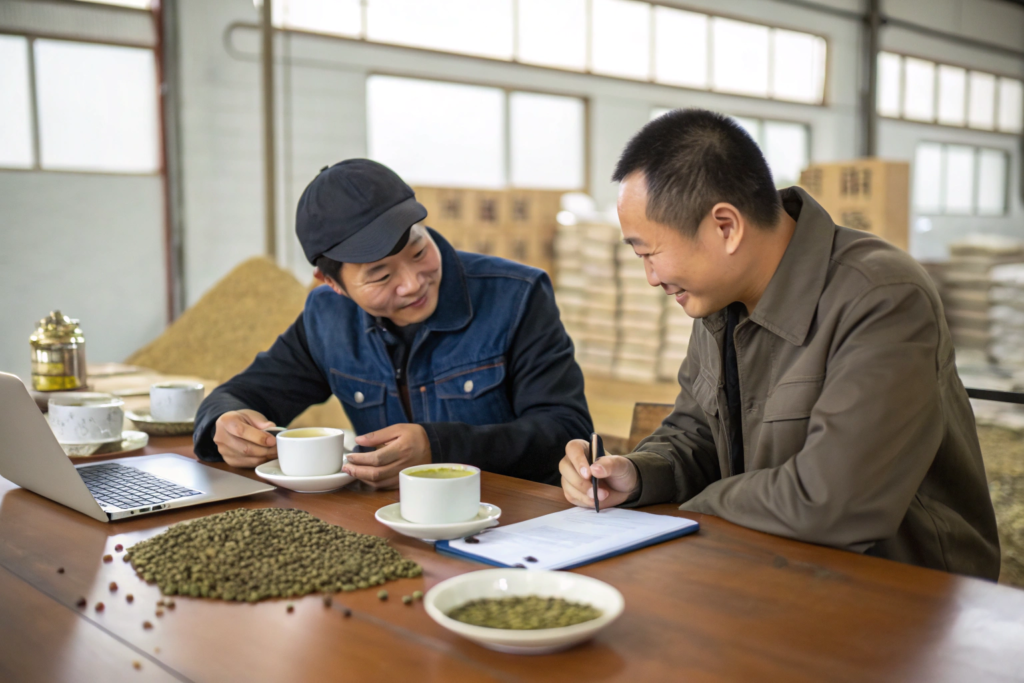
Yunnan Arabica is different because of altitude, variety, and processing. Most farms sit between 1,000 and 1,700 meters. The dry season and wet season shape the bean. Catimor is common because it resists disease. It can be clean and sturdy. But it can also be simple. So, processing matters. Washed coffee is clean. Natural coffee is fruitier. Honey coffee sits in between. The Coffee Quality Institute and the Specialty Coffee Association offer useful cupping standards. They help buyers and sellers use the same language. I like that. It reduces arguments.
Do not expect every Yunnan Arabica to taste like Ethiopian coffee. It will not. Expect a dependable base with mild sweetness and low bitterness. Then judge the lot on its own merits.
How Do You Set a Fair Quality Baseline?
You set a fair baseline by writing a simple spec sheet. List screen size, moisture, defect limits, cup score, and packaging. Then agree on a sample. The sample becomes the reference. If the shipment matches the sample, it is good. If it does not, you talk. The International Coffee Organization and the USDA Foreign Agricultural Service provide market context. They help you see supply and demand. But your contract should be clear. I always tell buyers, "Put the numbers in the contract." A handshake is nice. A number is safer.
How Do You Check Green Coffee Defects?
Defects are normal in green coffee. The question is how many, what type, and how they affect the cup. A few broken beans may not matter. A few black beans can ruin a roast. Mold can be dangerous. So, defect checks are not about finding zero. They are about finding the right limit. The USDA organic rules and the FDA food safety rules give a wider safety frame. But coffee quality has its own standards.
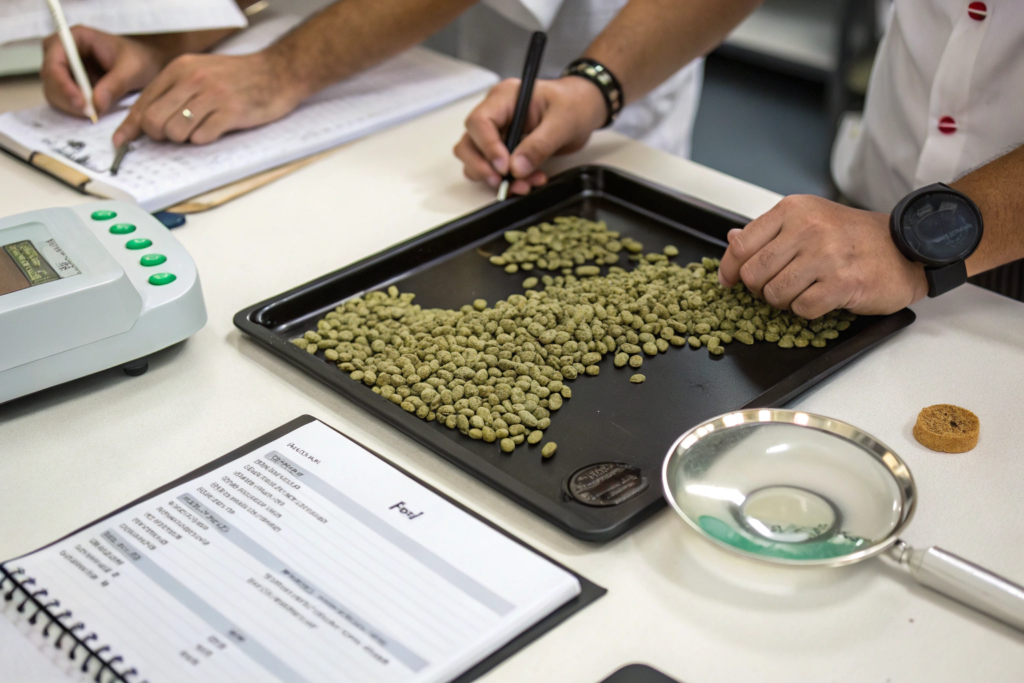
I use a simple method. First, take a representative sample. Second, weigh 300 grams. Third, count defects by category. Fourth, cup the coffee. Fifth, compare to the agreed spec. If the defect count is high but the cup is clean, you may still accept it. If the defect count is low but the cup is dirty, you should reject it. The cup is the truth.
Another way to look at this is to think of defects as traffic lights. Green means go. Yellow means check. Red means stop. A black bean is red. A slight chipped bean is yellow. You do not need a perfect road. You need a safe road.
What Defect Limits Should Buyers Use?
Buyers should use defect limits that match their roast and market. For specialty coffee, many buyers use zero primary defects and a small number of secondary defects in 300 grams. For commercial coffee, the limits are wider. The U.S. Customs and Border Protection and logistics partners like Maersk help with import flow, but they do not set quality. You set quality in the contract. I often suggest a table like this:
| Defect Type | Specialty Limit | Commercial Limit |
|---|---|---|
| Black bean | 0 | 2-4 |
| Sour bean | 0 | 2-4 |
| Moldy bean | 0 | 0 |
| Broken bean | Low | Moderate |
| Foreign matter | 0 | 0 |
This table is simple. It saves time. It also stops small problems from becoming big fights.
How Do You Use Cupping Scores Correctly?
You use cupping scores as a guide, not a badge. A score of 80 is specialty. A score of 85 is very good. A score of 90 is rare. But scores change by cupper, lab, and day. So, do not treat a score like a bank balance. Use it with defect data, moisture, and sample history. The Global Coffee Platform and 4C Services offer broader sustainability guidance. They are not cupping labs, but they help buyers see the wider chain. Your own palate matters too. I tell buyers to cup the coffee themselves. If you like it, and the numbers are good, buy it. If you do not like it, do not buy it just because of a score.
What Certifications Prove Green Coffee Quality?
Certifications do not make coffee taste better. I want to be clear about that. A certified coffee can still be poorly processed. A non-certified coffee can be excellent. But certifications prove that a farm or handler met certain rules. They help buyers reduce risk. They also help brands tell a story. So, certifications are tools. They are not magic.
For U.S. buyers, the main ones are USDA organic, Fairtrade, Rainforest Alliance, and UTZ. Some buyers also ask for 4C. Each program has different rules. Each one checks different things. You should match the certification to your market. If you sell organic coffee, you need USDA NOP. If you sell sustainable coffee, you may need Rainforest Alliance or Fairtrade. If you sell to a large distributor, they may ask for a mix.
Another way to look at this is to think of certifications as different keys. One key opens one door. It does not open every door. So, ask your buyer which door they need. Then get the right key. Do not collect keys for no reason. They cost money and time.
Which Certificates Matter Most for Coffee?
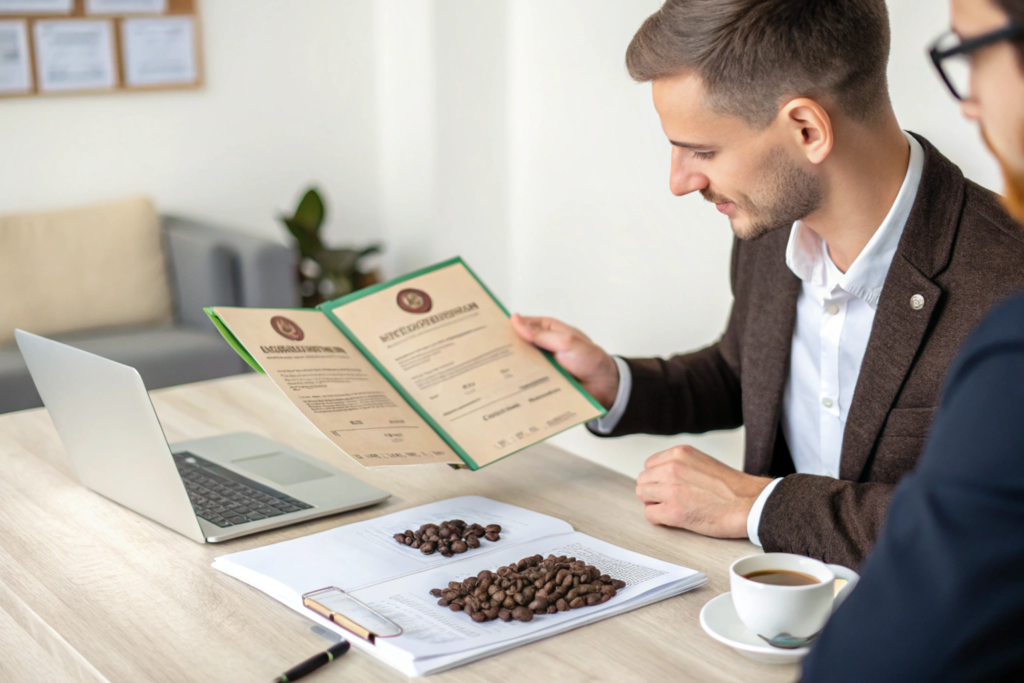
The most important certificates depend on your buyer. For organic buyers, USDA NOP is key. For ethical sourcing, Rainforest Alliance and Fairtrade are common. For European buyers, organic equivalence may matter. For U.S. buyers, FDA and CBP rules always matter. I have seen buyers ask for every certificate. That is not realistic. Start with the one your market requires. Then add more as your sales grow.
At BeanofCoffee, we help buyers check which certificates fit their market. We do not promise every label. We promise honest guidance.
How Do You Verify Certificates Before Payment?
You verify certificates by checking the certificate number, the certifier, the scope, and the expiry date. Do not accept a PDF alone. Call the certifier. Check the online database. The Control Union and CCOF are known certifiers. They can confirm whether a certificate is real. Also, ask for a transaction certificate for the specific shipment. A farm certificate is not enough. The shipment needs its own paper. I always tell buyers, "Pay after you verify." That is fair. It protects both sides.
How Does Shipping Affect Green Coffee Quality?
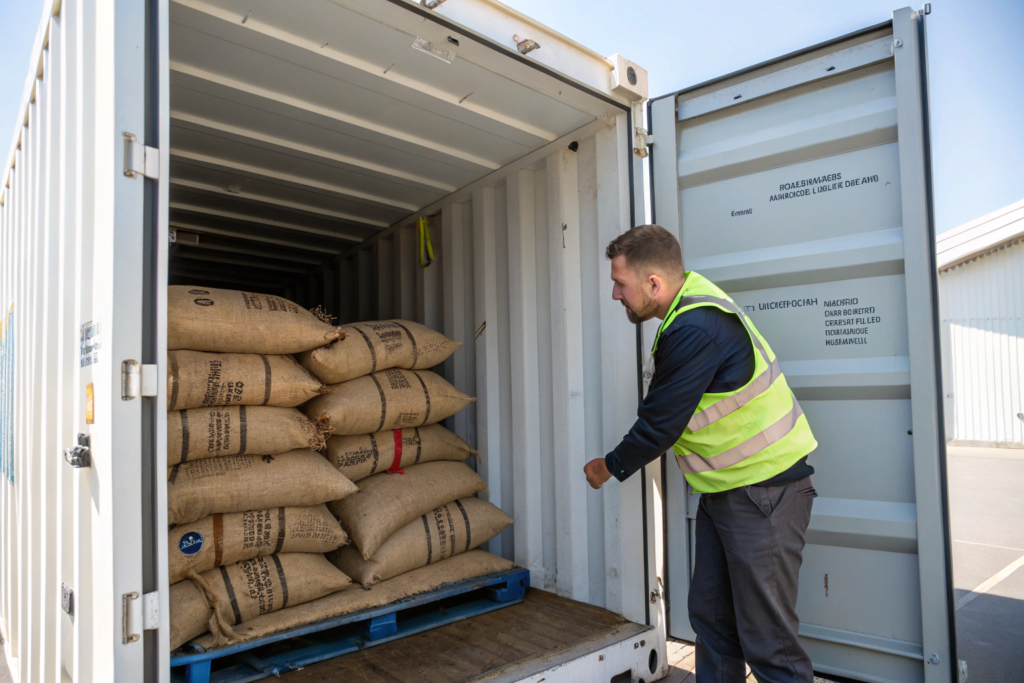
Shipping is where good coffee can go bad. Heat, moisture, delay, and poor handling all hurt green coffee. I have seen beautiful samples arrive flat and musty. That is heartbreaking. It is also preventable. The key is to control moisture, temperature, and time. Green coffee is not dead. It breathes. It absorbs smells. It reacts to the environment. So, the container matters. The liner matters. The seal matters. The schedule matters.
For U.S. buyers, shipping time from China can be two to five weeks by sea. That is normal. But delays happen. Port congestion happens. Customs checks happen. So, build a buffer. Do not plan a roast for the day after arrival. Plan for a week or two. That buffer saves you. It also protects the coffee.
Another way to look at this is to think of green coffee as a sponge. It takes in water and smells. If you ship it with chemicals or strong odors, it will take those in. If you ship it wet, it will mold. So, keep it dry, clean, and separate.
How Do You Prevent Moisture Damage in Shipping?
You prevent moisture damage by using clean, dry containers. Use a container liner. Use moisture absorbers if needed. Check the container for holes and smells. Seal the doors. Keep the bags on pallets. Do not stack them against wet walls. The USDA organic exporting page and shipping lines like MSC offer general guidance. But your own inspection is the last line of defense. I always ask for container photos before loading. That simple step has saved me more than once.
What Should You Do When Quality Changes?
When quality changes, you should talk early. Do not hide it. Do not wait for the buyer to find out. Send photos. Send a new sample. Explain what changed. Offer options. Maybe a price adjustment. Maybe a different lot. Maybe a replacement. The USDA organic certification FAQ and the USDA certifier directory can help with organic questions. But the human part is simple. Be honest. Buyers like Ron value time and price. They also value straight talk. If you are straight, you can keep the relationship even when a shipment is not perfect.
Conclusion
Setting realistic green coffee quality expectations is not about lowering your standards. It is about defining them clearly. You need a spec sheet. You need defect limits. You need cup scores. You need certifications that match your market. You need shipping controls. You need honest communication. When you have these, you can avoid surprises. You can build trust. You can grow.
I have learned this in Baoshan City, Yunnan. We own over 10,000 acres. We grow Catimor, Arabica, and Robusta. We export raw beans and packaged products to North America, Europe, and Australia. We work with large company buyers, brand buyers, distributors, and trading companies. We use Alibaba, exhibitions, Google, LinkedIn, Facebook, TikTok, Instagram, and our website to reach buyers. But the real business is still about trust.
If you want to set realistic quality expectations for your next green coffee order, please contact us at BeanofCoffee. Our Cathy Cai can help you with samples, specs, certifications, pricing, and shipping schedules. Her email is cathy@beanofcoffee.com. Let us build a clear, reliable coffee supply chain together.