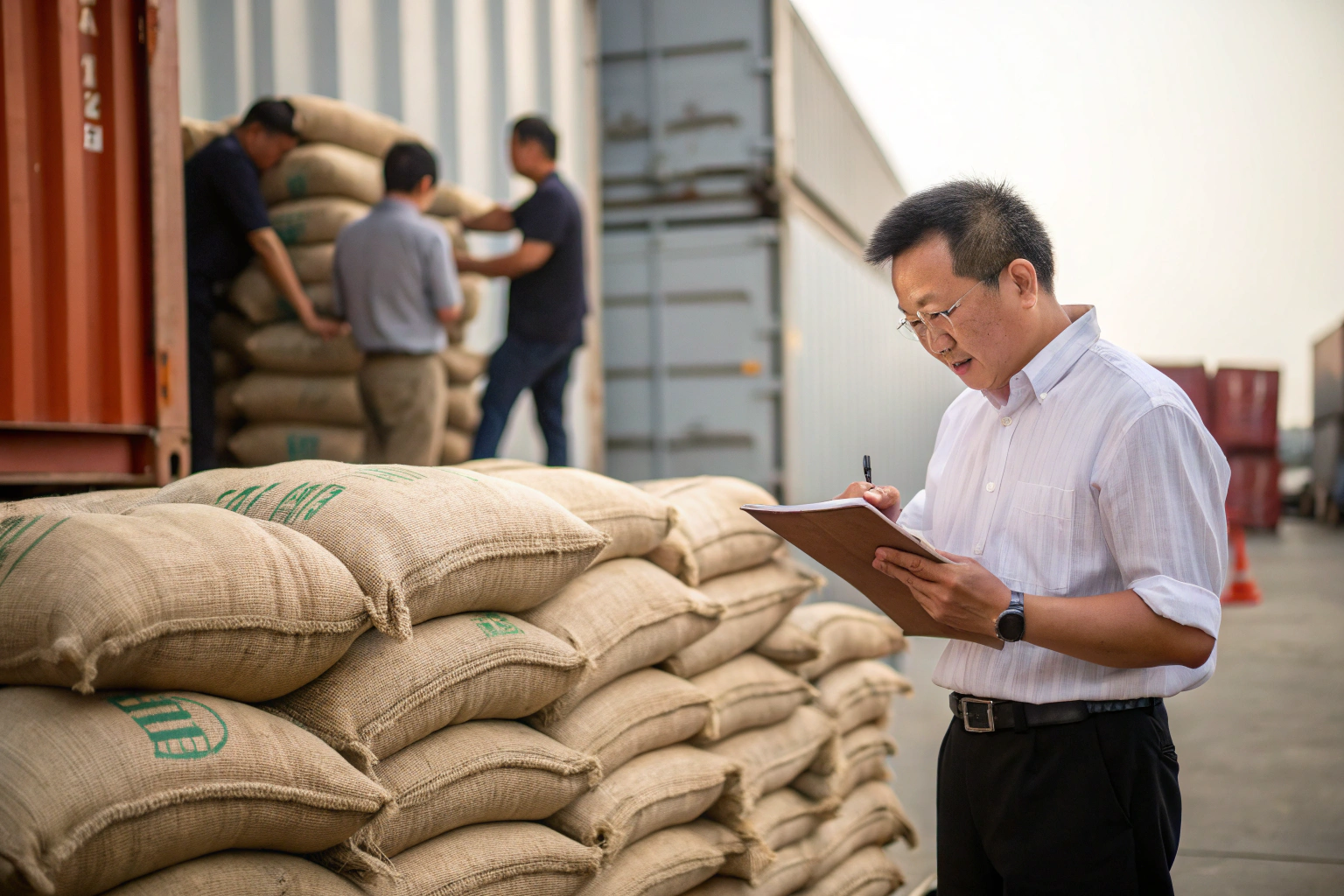
December hits. Orders double. Then your freight forwarder calls. The vessel is full. Your container gets rolled. Your buyer in Chicago runs out of stock. They call you every day. That is the problem. Peak holidays break weak supply chains. But they do not have to break yours.
You can manage the coffee supply chain around peak holidays by booking freight early, building buffer stock, locking rates before October, preparing documents in advance, and using backup suppliers and routes. At BeanofCoffee, we plan holiday shipments starting in August for buyers in North America, Europe, and Australia. That planning keeps coffee moving even when ports get crowded.
So, how do you actually do it? Let me show you. I have shipped coffee through many holiday seasons. Some went smooth. Some went bad. I learned from both. Let me share what works.
Why Do Coffee Supply Chains Break at Peak Holidays?
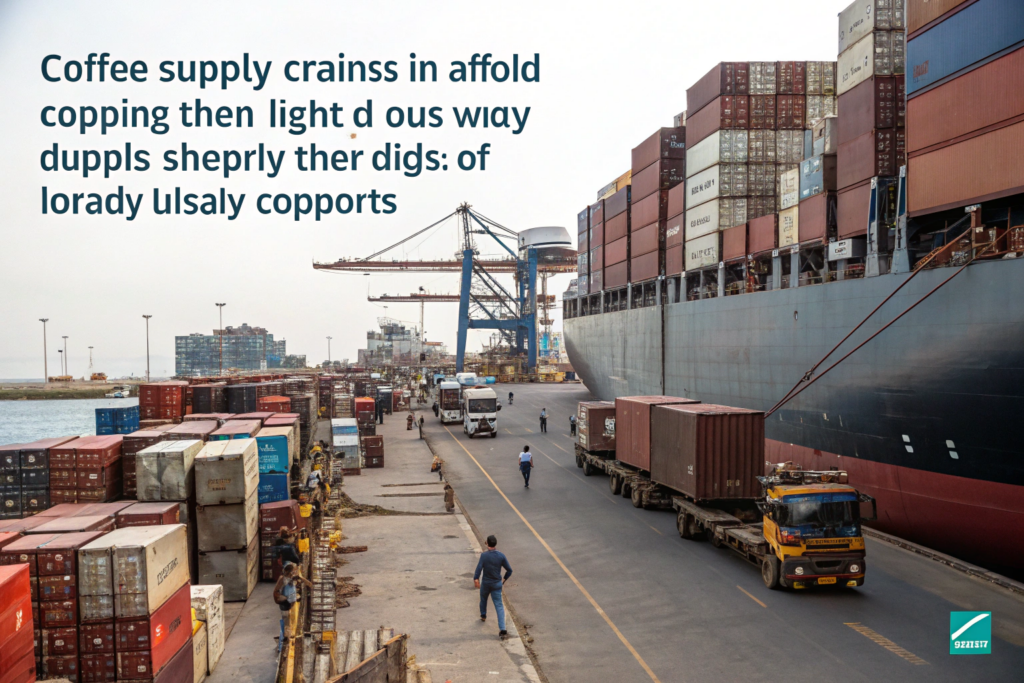
You may think the holidays are just a busy time. That is true. But the real problem is deeper. Many things break at the same time. Ships fill up. Trucks get scarce. Warehouses run out of space. Customs gets slower. Every step gets harder.
Coffee supply chains break at peak holidays because demand spikes, shipping capacity tightens, ports get congested, and labor slows down. Holiday shopping pushes retail orders up. Freight space sells out early. Rates jump. Rollovers become common. If you do not plan months ahead, your coffee sits at the port while your buyer waits.
Another way to look at this is simple. The holiday rush is not one problem. It is five problems at once. I rank them by impact.
| Bottleneck | When It Hits | Impact |
|---|---|---|
| Freight space | October-November | Rolled containers |
| Port congestion | November-December | Long delays |
| Truck shortage | December | Slow pickup |
| Customs backlog | December | Held shipments |
| Warehouse limits | November-January | No storage |
So, what does this mean? It means you should not treat holiday shipping like normal shipping. You should treat it like a storm. You prepare before it comes.
What Makes Holiday Coffee Demand So Hard to Predict?
Holiday demand is hard to predict because it depends on many things. Retail promotions change. Weather changes. Consumer mood changes. A cold snap can boost coffee sales. A warm winter can slow them. The Nielsen data shows how holiday buying shifts. The Statista reports track coffee market trends. I have seen orders jump 40% in November. I have also seen them stay flat. So, you cannot guess. You need signals. I ask my buyers for their holiday forecasts in August. I ask for two numbers: a low case and a high case. Then I plan for the high case. That way, I am ready. If demand is low, I hold stock. If demand is high, I ship fast. That simple habit saves me every year.
Which Holiday Bottlenecks Cost the Most Time?
The biggest time killer is freight space. If you do not book early, you get rolled. A roll can add two to three weeks. The second biggest is port congestion. A busy port can add a week or more. The third is customs. A missing document can hold your coffee for days. The International Coffee Organization tracks trade flows. The FAO shares supply chain data. I also watch Freightos for rate trends. These tools help me see problems before they hit. So, what does this mean? It means you should attack the biggest bottleneck first. For most buyers, that is freight space. Book it early. Then fix the other steps.
When Should You Book Holiday Coffee Shipments?
Timing is everything in holiday shipping. Book too late, and you pay too much. Book too early, and you may lock a bad rate. So, when is the right time? Let me give you a clear answer.
You should book holiday coffee shipments by late August or early September for November and December delivery. This gives you time to secure space, lock rates, and prepare documents. For large orders, start in July. For urgent orders, you may need to pay a premium or use a different route. Early booking is the single best way to avoid holiday delays.
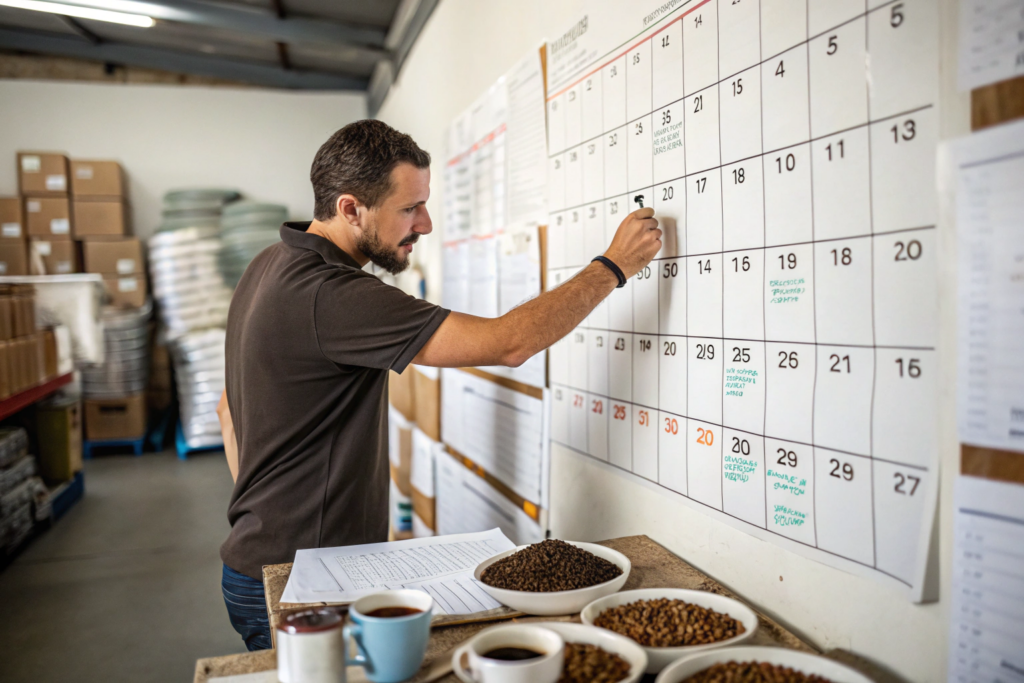
I follow a simple calendar. It works for most routes from China to the U.S., Europe, and Australia.
| Month | Action |
|---|---|
| July | Confirm holiday forecast |
| August | Book freight space |
| September | Lock rates and documents |
| October | Ship first holiday lot |
| November | Ship backup lot |
| December | Monitor and adjust |
So, what does this mean? It means you should start now. Do not wait for the rush. The rush always comes. The only question is whether you are ready.
How Far Ahead Should You Lock Freight Rates?
Lock rates as early as you can. For holiday shipping, that means August or September. Rates can jump 30% to 50% in peak season. The Freightos Baltic Index tracks ocean rates. The Drewry shipping consultancy also publishes rate data. I lock rates when I have a confirmed order and a deposit. I do not wait for the final packing list. I can update that later. Locking early protects my buyers from price shocks. It also protects my margin. So, if you see a good rate in August, take it. Do not gamble on a lower rate in November. That gamble usually fails.
What Documents Slow Down Holiday Clearance?
Missing or wrong documents slow clearance. The most common problems are commercial invoice errors, missing certificates of origin, and wrong HS codes. The U.S. Customs and Border Protection explains import rules. The FDA explains food safety rules. I prepare all documents before the container leaves the warehouse. I check every number twice. I also send copies to the buyer early. That way, their broker can review them. If something is wrong, we fix it before the ship arrives. This one step can save a week. So, do not wait until the last minute. Prepare documents early. It is boring. But it works.
How Do You Keep Coffee Fresh During Peak Season?
Peak season means longer transit. Longer transit means more risk. Coffee can sit in a hot container. It can wait at a crowded port. It can sit in a full warehouse. All of that can hurt quality. So, how do you protect freshness?
You keep coffee fresh during peak season by controlling moisture, using barrier liners, avoiding long port storage, and shipping earlier than needed. Green coffee in jute can lose quality fast in heat and humidity. A barrier liner slows moisture changes. Early shipping avoids the worst congestion. Good storage at both ends keeps the beans stable.
I have seen coffee arrive in great shape after 45 days at sea. I have also seen coffee arrive musty after 30 days. The difference was moisture and storage. So, what does this mean? It means you should not focus only on speed. Focus on conditions. A fast ship with a wet container is worse than a slow ship with a dry one.
| Freshness Factor | Best Practice |
|---|---|
| Moisture | Keep below 12.5% |
| Liner | Use GrainPro for long trips |
| Container | Clean and dry |
| Port time | Minimize storage |
| Temperature | Avoid hot routes |

How Does Warehouse Storage Change in Peak Season?
Warehouse space gets tight in peak season. Many warehouses fill up in November. Some stop taking new cargo. Some raise storage fees. The Mordor Intelligence reports on logistics trends. The Global Coffee Platform shares storage guidance. I book warehouse space early for holiday lots. I also keep some space free for urgent arrivals. If a container arrives early, I have a place for it. If it arrives late, I have a place for it. That flexibility saves money. It also protects quality. So, plan your storage before you ship. Do not assume space will be there.
Why Does Roasting Schedule Matter in December?
Roasting schedules change in December. Roasters get busy. They may run extra shifts. They may delay some lots. If your buyer roasts their own coffee, ask about their holiday schedule. A delayed roast can delay their sales. The Roast Magazine covers roasting operations. The Perfect Daily Grind shares roaster insights. I ship green coffee earlier in December so my buyers have stock before their rush. I also ask if they need smaller lots. Smaller lots are easier to roast and sell. This small adjustment helps them and helps me. So, talk to your buyer about their holiday plan. Then adjust your shipping plan.
What Backup Plans Protect Peak Holiday Orders?
Even with good planning, things go wrong. A vessel rolls. A port closes. A storm hits. You need a backup plan. You need options. Let me share what I use.
Backup plans that protect peak holiday orders include a second supplier, a second shipping route, a small air freight budget, and buffer stock at the destination. Do not rely on one supplier or one route. Have a plan B and a plan C. Test them before the holiday rush. A backup plan you have never used is not a real plan.
I learned this the hard way. One year, a vessel rolled in November. My buyer needed coffee in December. I had no backup. I paid for air freight. It was expensive. Now I always have a backup. I keep a small air freight budget for emergencies. I also work with two freight forwarders. If one cannot find space, the other might. So, what does this mean? It means you should build your backup plan in September. Not in December.

When Should You Use a Backup Supplier?
Use a backup supplier when your main supplier cannot meet the date. This can happen because of crop issues, mill delays, or shipping problems. A backup supplier should have stock ready. They should also meet your quality specs. The Alibaba platform can help you find suppliers. The LinkedIn network can help you check them. I keep one or two backup suppliers for Yunnan coffee. I test their beans every year. I also keep a small stock of their coffee. That way, if my main supply fails, I can fill the order. The buyer never knows. That is the goal. Smooth supply, even when things go wrong.
How Do You Split Risk Across Shipping Routes?
Split risk by using more than one route. For example, ship some coffee via the West Coast and some via the East Coast. Or ship some via direct vessel and some via transshipment. The Trade.gov offers market and logistics guides. The USDA Foreign Agricultural Service shares trade data. I split holiday shipments into two or three lots. If one lot is delayed, the others still arrive. This keeps my buyer in stock. It also reduces the chance of a total failure. So, do not put all your coffee on one ship. Split it. It costs a little more. But it protects your business.
Conclusion
Peak holidays test your supply chain. But you can pass the test. Book freight early. Lock rates in August. Prepare documents in advance. Keep coffee dry and stable. Use barrier liners. Plan warehouse space. Talk to your buyer about their roast schedule. Build backup plans with second suppliers and split routes. These steps keep coffee moving. They keep buyers happy. They keep your margin safe.
If you want a supplier who plans holiday shipping months ahead, contact us. BeanofCoffee owns over 10,000 acres in Baoshan, Yunnan. We export Catimor, Arabica, and Robusta to North America, Europe, and Australia. We help distributors, brand owners, and trading companies stay in stock during peak season. For holiday orders or questions, email Cathy Cai at cathy@beanofcoffee.com. She will help you build a supply plan that works.