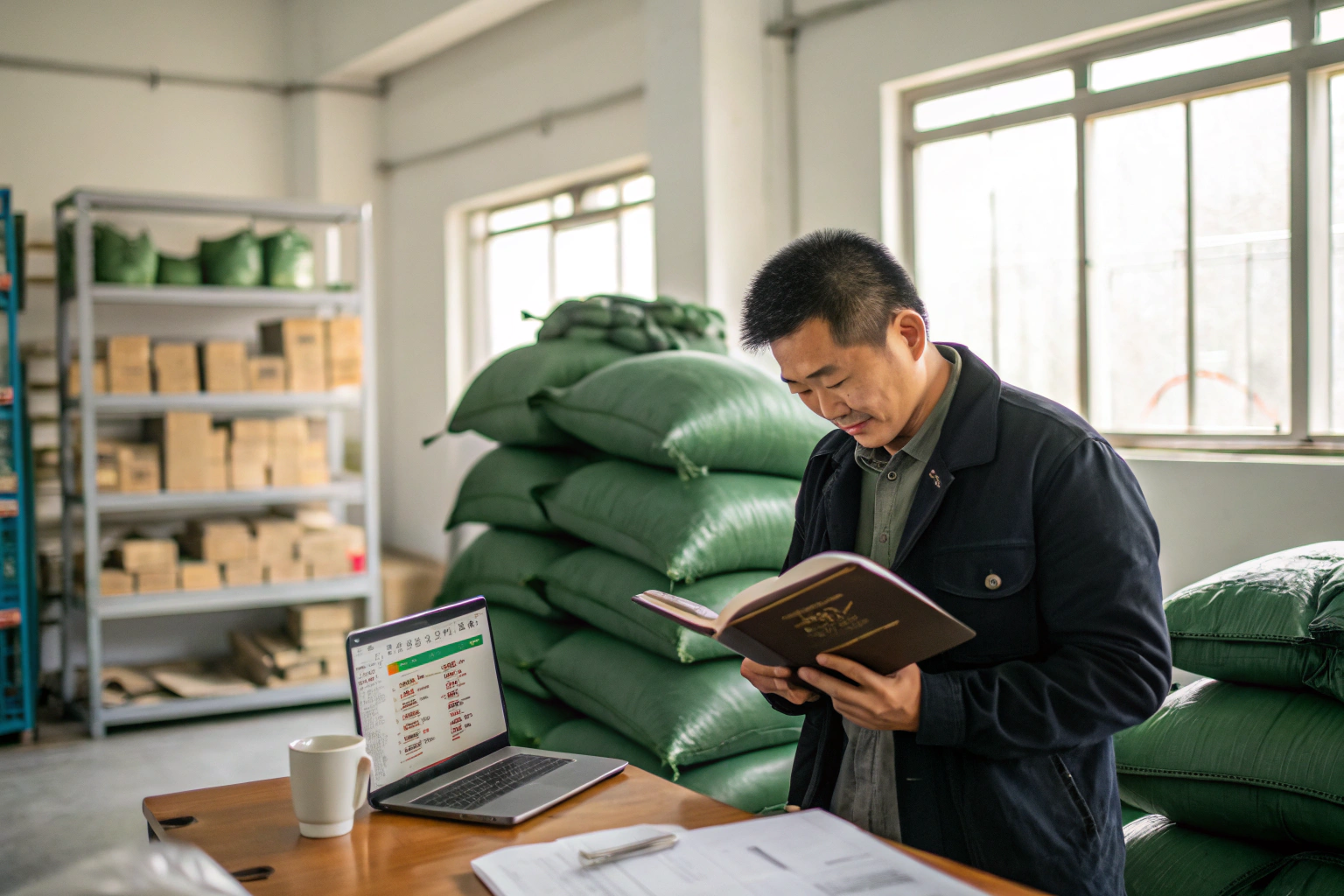
You import coffee. You want to stay sharp. You want to avoid mistakes. But you are busy. You do not have time to read everything. You need the best books and podcasts. That is the problem. There is too much noise and too little signal.
The best books and podcasts for coffee importers focus on trade, quality, logistics, and business. Good starting books include "The World Atlas of Coffee," "The Coffee Book," and "Coffee: A Comprehensive Guide." Good podcasts include "The Daily Coffee Pro," "Keys to the Shop," and "Filter Stories." At BeanofCoffee, we share these resources with our buyers because knowledge lowers risk.
So, where should you start? Let me give you a clear list. I will also show you how to use these tools. I have been in coffee for years. These resources helped me. They can help you too.
Which Coffee Books Should Importers Read First?
You walk into a bookstore. You see many coffee books. Some are recipe books. Some are photo books. Some are business books. You do not know which one will help your import business. That is a common problem. Let me narrow it down.
Coffee importers should start with "The World Atlas of Coffee" for origin knowledge, "The Coffee Book" for industry history, and "Coffee: A Comprehensive Guide" for trade and quality details. These books cover the basics you need every day. They help you talk to suppliers, check quality, and understand price. They also give you confidence in negotiations.
Another way to look at this is to split learning into three parts. First, know the origins. Second, know the bean. Third, know the business. A good book does not do everything. But a few good books cover the core. So, what does this mean? It means you should build a small library. Read one book per quarter. Take notes. Use what you learn on your next order.
| Book | Best For |
|---|---|
| The World Atlas of Coffee | Origin and flavor |
| The Coffee Book | Industry and history |
| Coffee: A Comprehensive Guide | Trade and quality |
| The Craft and Science of Coffee | Processing and science |
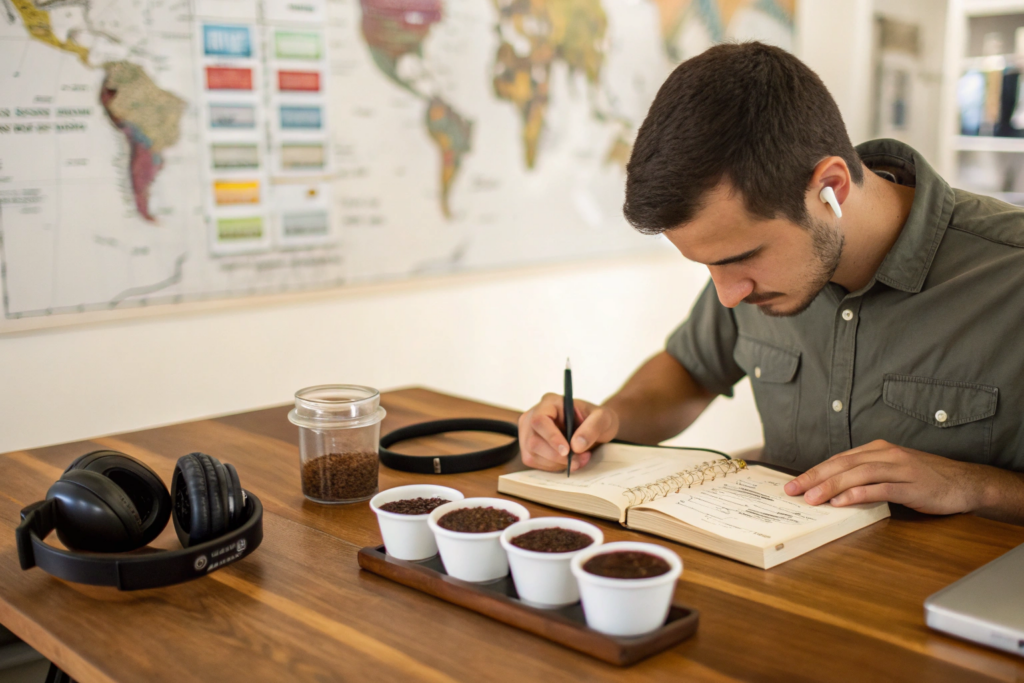
Why Is "The World Atlas of Coffee" a Must-Read?
This book by James Hoffmann is a classic. It covers every major coffee origin. It explains flavor, processing, and harvest. It has maps and photos. But the text is the value. You learn why Yunnan coffee tastes different from Brazilian coffee. You learn why altitude matters. You learn why processing changes the cup. The Specialty Coffee Association shares similar standards for green coffee. The International Coffee Organization also tracks origin data. I use this book when I talk to new buyers. It helps me explain Yunnan Arabica. It also helps me compare origins. If you buy from many places, this book is a must. It is easy to read. It is also a great reference.
Which Book Explains Coffee Quality Best?
"Coffee: A Comprehensive Guide to the Bean, the Beverage, and the Industry" is a strong choice. It covers grading, defects, roasting, and cupping. It also covers the business side. The Coffee Review offers independent tasting notes. The Roast Magazine covers roasting and quality control. I use this book to train my QC team. It helps them understand moisture, screen size, and defect count. It also explains why a small change in processing can change the score. If you want to buy better coffee, read this book. It will help you ask better questions. It will also help you reject bad lots with confidence.
What Podcasts Help Coffee Importers Stay Ahead?
You drive to work. You have 30 minutes. You want to learn. A podcast is perfect. But there are many coffee podcasts. Some are for baristas. Some are for roasters. Some are for business owners. You need the ones that help importers. Let me share my favorites.
Podcasts that help coffee importers include "The Daily Coffee Pro," "Keys to the Shop," and "Filter Stories." They cover market trends, business strategy, and supply chain stories. They are free and easy to listen to. You can learn during your commute or your workout. These shows help you stay current without reading long reports.
So, what does this mean? It means you can learn while you do other things. You do not need a classroom. You need a phone and a plan. Pick two shows. Listen every week. Take one idea and use it. That is how you grow.
| Podcast | Best For |
|---|---|
| The Daily Coffee Pro | Business and strategy |
| Keys to the Shop | Operations and management |
| Filter Stories | Supply chain and people |
| Roast Magazine Podcast | Roasting and quality |

How Does "The Daily Coffee Pro" Help Buyers?
"The Daily Coffee Pro" by Lee Safar is a great show for business. It covers pricing, marketing, and coffee shop growth. But importers can learn from it too. It helps you understand your buyers. It shows you what roasters and cafes worry about. The Daily Coffee News also covers market trends. The Perfect Daily Grind shares industry insights. I listen to this show to understand demand. It helps me plan my export offers. If my buyers are stressed about cash flow, I can offer better payment terms. That makes me a better partner. So, listen to this show. It will help you sell more coffee.
Why Listen to "Keys to the Shop" for Operations?
"Keys to the Shop" focuses on coffee shop operations. It covers hiring, training, and systems. You may wonder why an importer should listen. The answer is simple. Your buyers run shops. If you understand their problems, you can help them. The Barista Magazine also covers shop operations. The Tea & Coffee Trade Journal reports on industry practices. I learn about staffing and inventory from this show. It helps me time my shipments. It also helps me suggest the right pack size. So, do not ignore shop podcasts. They teach you about your customer. That knowledge is power.
How Do You Learn Coffee Trade From Books and Podcasts?
You have the books. You have the podcasts. But how do you turn them into real skills? How do you use them to make better deals? That is the next question. Learning is not just consuming. It is applying.
You learn coffee trade from books and podcasts by taking notes, testing ideas on small orders, and talking to suppliers about what you hear. Do not just listen. Write down three actions after each book or episode. Then apply them. For example, if you learn about moisture testing, ask your supplier for a moisture report. If you learn about a new origin, order a sample.
I do this myself. I read a chapter. I listen to an episode. Then I write one question for my farm team. I ask them about shade trees. I ask them about drying methods. I ask them about storage. This turns learning into action. So, what does this mean? It means you should treat books and podcasts like tools. Use them. Do not collect them.

Can You Learn Certification Rules From Books?
Yes, you can learn the basics. Books explain Rainforest Alliance, Fairtrade, and organic rules. They explain why audits matter. They explain chain of custody. The Rainforest Alliance website has the official rules. The Fairtrade website also explains its standards. I use books to understand the framework. Then I use official sites to check the details. This combo works well. A book gives you context. A website gives you current rules. So, read a book first. Then verify online. That way, you do not rely on old information. Certification rules change. Always check the source.
How Do Podcasts Teach Shipping and Logistics?
Podcasts are great for shipping stories. You hear about port delays, container shortages, and freight rate spikes. The Freightos website tracks rates. The Drewry shipping consultancy also shares data. I listen to episodes about logistics. Then I check the data. This helps me plan holiday shipments. It also helps me explain delays to buyers. A good podcast gives you the human side. A good website gives you the numbers. Use both. You will make better decisions.
Can Free Coffee Podcasts Replace Paid Industry Courses?
You may ask a simple question. Why pay for a course if podcasts are free? That is a fair question. Free content is good. But it has limits. Let me explain.
Free coffee podcasts cannot fully replace paid industry courses. Podcasts give you ideas, stories, and motivation. Paid courses give you structure, feedback, and certification. For importers, paid courses can help with quality grading, contract law, and risk management. Free content is a great start. But it is not a complete education.
Another way to look at this is depth. A podcast episode is 30 to 60 minutes. A course is weeks or months. A course forces you to practice. It gives you tests. It gives you a teacher. That structure helps you master hard skills. So, what does this mean? It means use free content for daily learning. Use paid courses for deep skills. Do not choose one. Use both.
| Learning Type | Best For |
|---|---|
| Free podcasts | Trends, stories, motivation |
| Books | Framework and reference |
| Paid courses | Skills and certification |
| Trade shows | Contacts and deals |

What Are the Limits of Free Podcasts?
Free podcasts cannot give you personal feedback. They cannot correct your mistakes. They cannot test your knowledge. They also may not cover legal or financial details. The U.S. Small Business Administration offers business training. The Trade.gov offers export guidance. I use these free government resources too. But for grading coffee, I took a paid course. For contract review, I hired a lawyer. So, know the limits. Free is good for ideas. Paid is good for skills.
How Do You Combine Free and Paid Learning?
Make a plan. Listen to one podcast per week. Read one book per quarter. Take one paid course per year. Go to one trade show per year. The Alibaba platform can help you find suppliers. The LinkedIn network can help you check them. I combine all these methods. I listen while I exercise. I read before bed. I take courses in the slow season. I meet suppliers at shows. This mix keeps me sharp. It also keeps my business growing. So, do not pick one path. Build a learning system.
Conclusion
The best books and podcasts for coffee importers give you knowledge, confidence, and better deals. Start with "The World Atlas of Coffee," "The Coffee Book," and "Coffee: A Comprehensive Guide." Listen to "The Daily Coffee Pro," "Keys to the Shop," and "Filter Stories." Take notes. Apply what you learn. Use free content for daily growth. Use paid courses for deep skills. This mix will make you a stronger buyer.
If you want a supplier who values knowledge and clear communication, contact us. BeanofCoffee owns over 10,000 acres in Baoshan, Yunnan. We export Catimor, Arabica, and Robusta to North America, Europe, and Australia. We share data, reports, and market insights with our buyers. For orders or questions, email Cathy Cai at cathy@beanofcoffee.com. She will help you learn and grow.