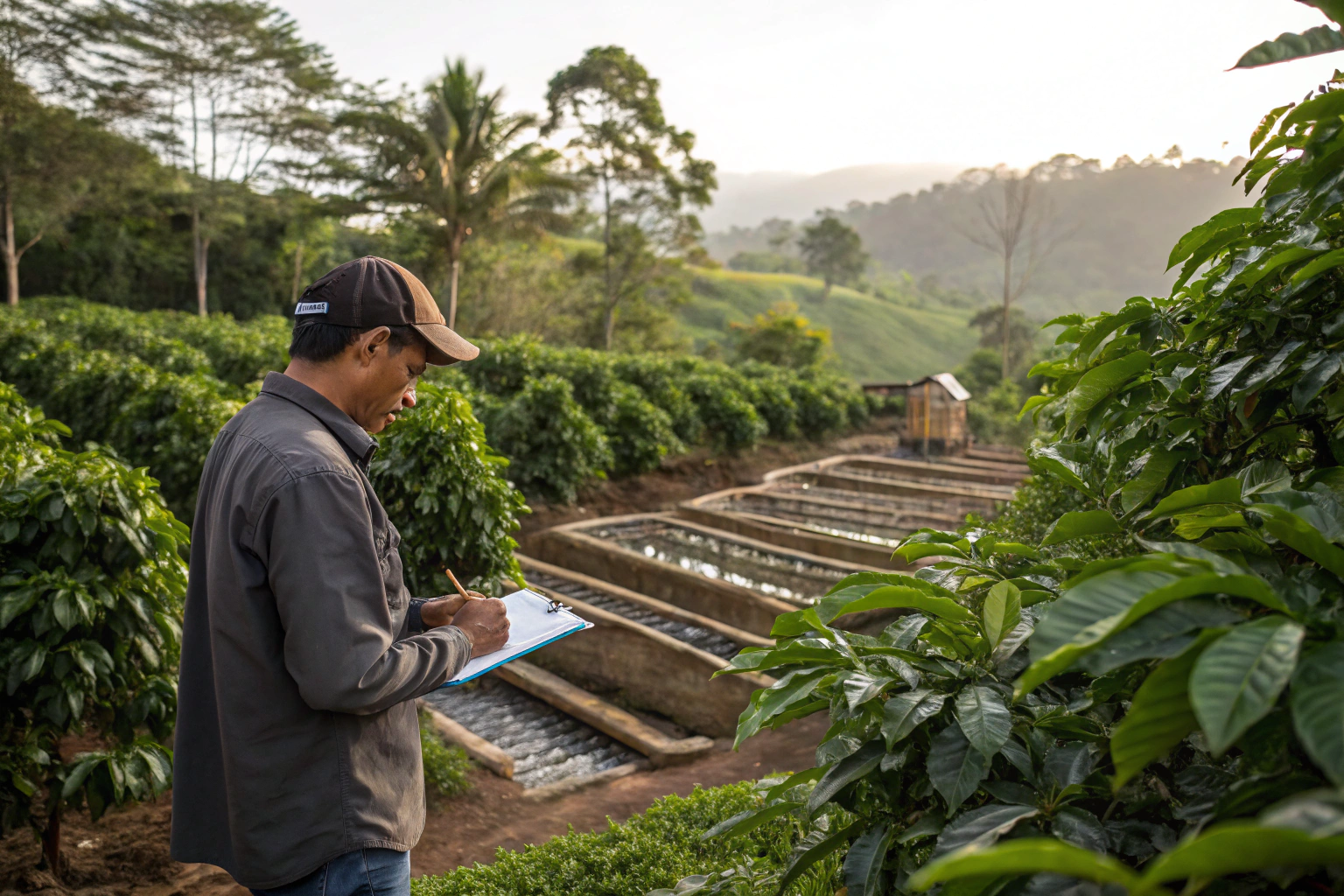
You own a coffee farm. You want to grow. You need money for new drying beds, a wet mill, or more seedlings. The bank says no. The loan rate is too high. So, you think about crowdfunding. That is a smart idea. But it is not easy. You need a plan, a legal structure, and a clear story. If you skip those steps, the round fails.
You can organize a coffee farm crowdfunding investment round by choosing the right legal structure, picking a platform, preparing clear financials, telling a real farm story, and reporting to investors after the round closes. At BeanofCoffee, we own over 10,000 acres in Baoshan, Yunnan, and we have seen how farm capital works. A good crowdfunding round is not just about money. It is about trust.
So, how do you build that trust? Let me walk you through the steps. I have watched farms raise money. I have also seen rounds fail. The difference was planning. Let me share what I learned.
How Do You Structure a Coffee Farm Crowdfunding Round?
You have a farm. You have a dream. But you need a structure. Without structure, investors get confused. Confused investors do not invest. So, the first job is to decide what you are offering. Are you offering equity? Are you offering debt? Are you offering a share of future harvest? Each choice changes the round.
A coffee farm crowdfunding round usually uses one of three structures: equity, debt, or revenue sharing. Equity gives investors ownership. Debt means you repay a loan with interest. Revenue sharing means investors get a percentage of sales until they hit a cap. Equity fits growth projects. Debt fits equipment. Revenue sharing fits farms with steady sales.
Another way to look at this is risk. Equity is higher risk for investors, so they want higher returns. Debt is lower risk, so the rate is lower. Revenue sharing is in the middle. So, what does this mean? It means you should match the structure to the project. If you are buying a new roaster, debt may work. If you are expanding the farm, equity may work. If you have strong sales, revenue sharing may work. Let me show the trade-offs.
| Structure | Investor Gets | Your Obligation | Best For |
|---|---|---|---|
| Equity | Ownership share | Share profits and control | Farm expansion |
| Debt | Interest payments | Repay loan on schedule | Equipment, mill |
| Revenue share | % of sales | Pay until cap is reached | Steady sales farms |
Should You Use Equity or Debt Crowdfunding?
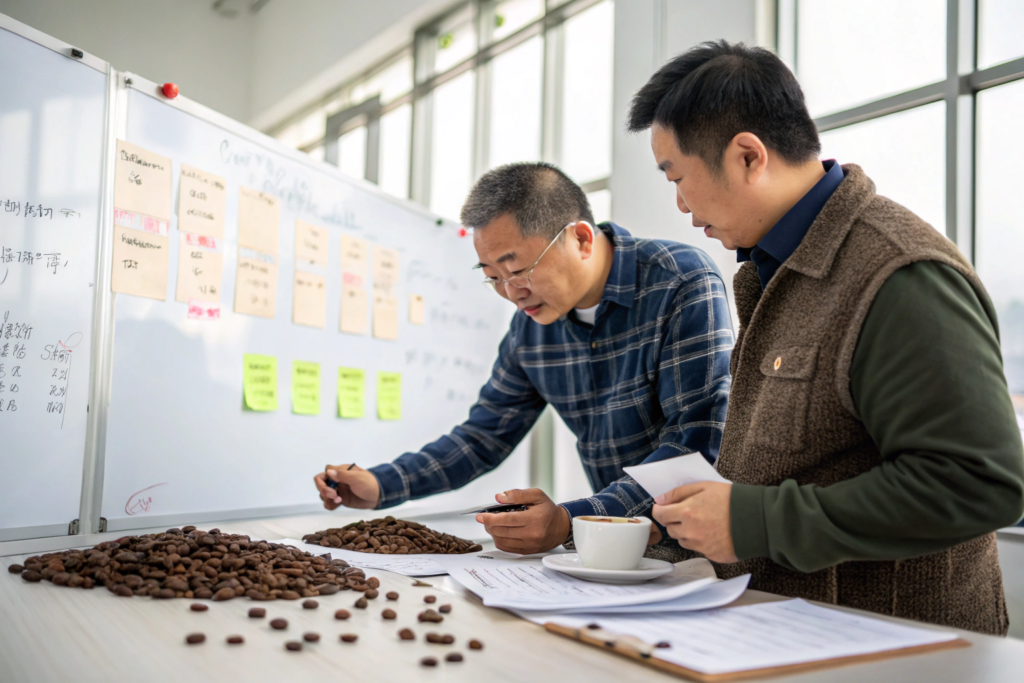
This depends on your cash flow. Equity does not require monthly payments. That is good for a young farm. But you give up ownership. Debt requires payments. That can stress a farm in a bad year. The SEC explains the rules for small offerings. Investopedia also explains equity vs debt in simple terms. I have seen farms choose equity for land and debt for machines. That mix works. So, think about your harvest cycle. If income comes once a year, debt payments can hurt. If income is steady, debt is fine. Choose the tool that fits your cash flow.
What Platform Works Best for Farm Projects?
Not every platform fits farms. Some platforms focus on tech. Some focus on consumer products. For farms, you want a platform that understands agriculture and long timelines. Kickstarter works for rewards-based rounds, like coffee boxes. Indiegogo also supports farm and food projects. For equity, you may need a regulated platform. I always tell farmers to read the platform rules first. Some take a big fee. Some require a minimum raise. Some only work in certain countries. So, compare two or three platforms before you sign. A bad platform can waste months.
What Legal Rules Apply to Coffee Farm Crowdfunding?
You may think crowdfunding is simple. You post a project. People send money. That is only true for small rewards. Once you offer equity or debt, you are selling securities. That means laws apply. If you break those laws, you can face fines. You can lose the money. So, legal rules matter.
Coffee farm crowdfunding is covered by securities laws, farm rules, and food safety rules. In the U.S., the SEC regulates equity crowdfunding. The USDA and FDA also set rules for farm products. You need a clear legal structure, proper disclosures, and a plan for taxes. Always work with a lawyer who knows agriculture and securities.
I have seen a farm skip this step. They raised money fast. Then a regulator asked questions. The round stopped. Investors got angry. It was a mess. So, do not skip the legal work. It costs money. But it protects the round. So, what does this mean? It means you should budget for legal help. Treat it as part of the raise. Not as an extra.
Which Securities Rules Cover Farm Crowdfunding?
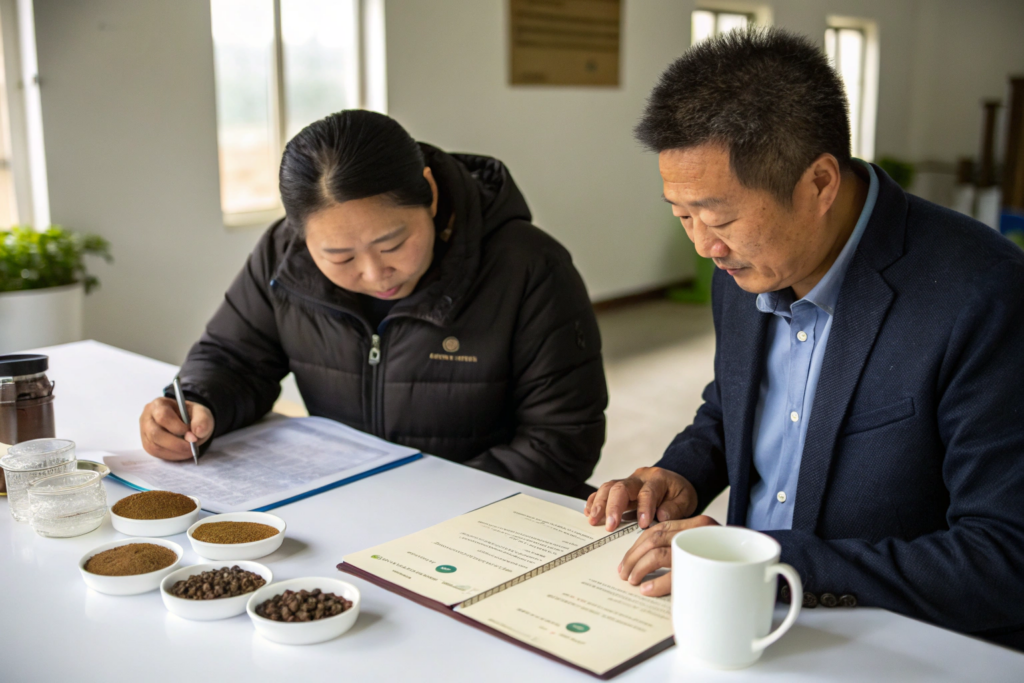
In the U.S., the main rules are Regulation Crowdfunding and Regulation A. The SEC small business page explains these options. The Trade.gov website also offers export and business guidance. I always ask a lawyer which rule fits my raise size. A small raise may use one rule. A large raise may use another. Each rule has limits on how much you can raise and who can invest. Some rules require audited financials. Some do not. So, check the limits before you plan. Do not assume. The rules change. So, verify each year.
What Farm and Food Rules Affect Investors?
Farm and food rules matter because investors want safe products. The USDA sets farm program rules. The FDA sets food safety rules. If you export coffee, you also need to follow import rules in the buyer's country. I always tell farmers to list their certifications. Rainforest Alliance, Fairtrade, and organic certificates help. They show investors that the farm follows good practices. They also lower risk. So, gather your documents early. Put them in the pitch. Investors like proof.
How Do You Attract Investors to a Coffee Farm?
You have a structure. You have legal help. Now you need people. Investors do not give money to a boring plan. They give money to a story they believe in. So, how do you tell your story? How do you make them care?
You attract investors to a coffee farm by telling a clear story, showing real data, proving quality, and offering a fair return. Investors want to see the farm, the team, and the market. They want to know how their money will be used and how they will get it back. A strong pitch combines emotion with numbers.
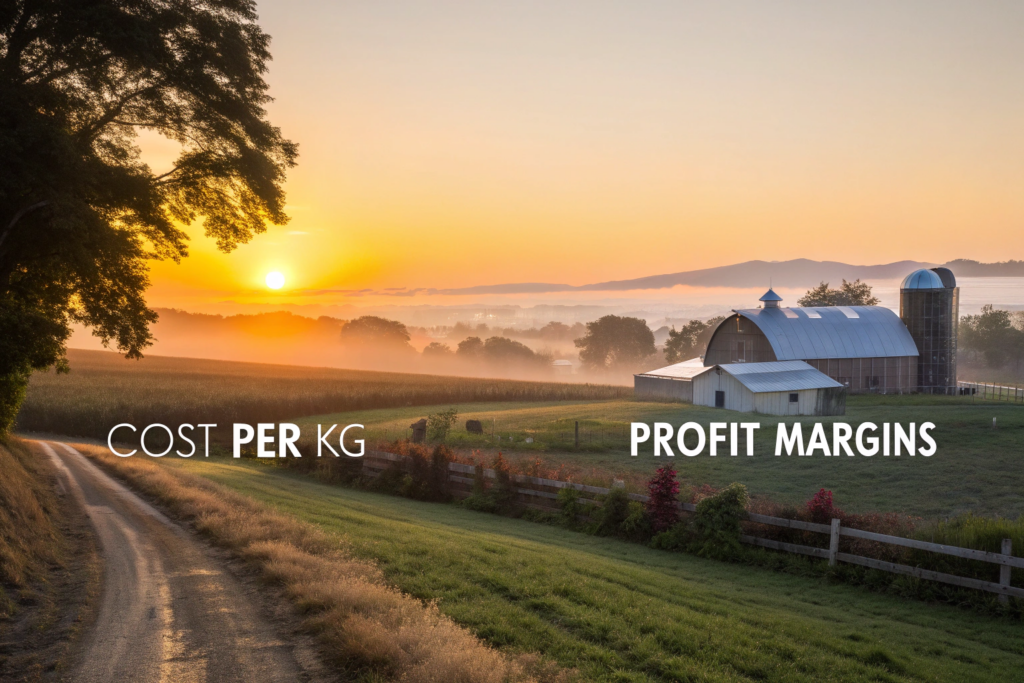
Honestly, emotion alone is not enough. I have seen beautiful farm videos with weak numbers. They failed. I have seen plain slides with strong numbers. They succeeded. So, balance both. Show the sunrise over the farm. Then show the cost per kg and the profit margin. That mix works. So, what does this mean? It means you should build a pitch that speaks to the heart and the head.
What Story Makes Coffee Farm Investment Attractive?
A good story has a problem, a plan, and a promise. The problem could be old equipment or low yield. The plan is what you will do with the money. The promise is the return. The Daily Coffee News covers farm innovation stories. Perfect Daily Grind shares farm and processing insights. I use these sites to study how other farms tell their story. Then I help farms build their own. A story about a family farm in Yunnan can be very powerful. It connects people to the product. But keep it real. Do not exaggerate. Investors can tell when a story is fake.
How Do You Prove Farm Quality to Backers?
Proof comes from tests and certificates. A moisture report shows good drying. A cupping score shows good flavor. A certificate shows good practices. The Coffee Review offers independent tasting notes. The Specialty Coffee Association shares quality standards. I put these documents in the pitch. I also invite investors to a video call. They can see the farm. They can see the bags. They can ask questions. This builds trust fast. So, do not just talk about quality. Show it. Proof beats promises.
How Do You Manage Funds and Report to Investors?
You raised the money. Now the hard part starts. You must use the funds correctly. You must report to investors. If you do this well, you can raise again. If you do it poorly, you lose trust. That is the problem. Many farms focus on the raise and forget the follow-up.
You manage crowdfunding funds by keeping them separate, tracking every expense, and reporting to investors on a fixed schedule. Use a clear budget. Share progress photos. Explain delays. Pay returns on time. Good reporting turns one-time backers into long-term partners.
Another way to look at this is simple. Investors are not just money. They are your community. If you treat them well, they will tell others. If you ignore them, they will complain. So, build a reporting system from day one. Do not wait until the end. So, what does this mean? It means you should plan the follow-up before you launch.

How Do You Track and Report Crowdfunding Funds?
Use a separate bank account. Keep every receipt. Build a simple budget with line items. Then report monthly or quarterly. The CGAP shares financial inclusion research. Root Capital works on farm finance and reporting. I use their ideas to build simple reports. A good report has four parts. First, money in. Second, money out. Third, progress on the project. Fourth, next steps. Keep it short. Use photos. Investors love photos. So, do not send a long PDF. Send a clear update. That keeps trust high.
What Happens When the Round Closes?
When the round closes, you enter a new phase. You must deliver on your promises. You must also manage the relationship. Some platforms handle the paperwork. Some do not. The Forbes website covers startup and funding topics. LinkedIn helps you stay connected with investors. I always tell farms to thank every backer. Then send a timeline. Then send updates. If you hit a problem, say so early. Investors respect honesty. They do not respect silence. So, keep talking. Keep reporting. That is how you build a farm brand that people trust.
Conclusion
Organizing a coffee farm crowdfunding round takes work. You need the right structure. You need legal help. You need a strong story. You need proof of quality. You need a clear plan for the money. You also need to report to investors after the round. If you do these things, you can raise capital without a bank. You can also build a community that supports your farm for years.
If you want a partner who understands farm finance and export, contact us. BeanofCoffee owns over 10,000 acres in Baoshan, Yunnan. We export Catimor, Arabica, and Robusta to North America, Europe, and Australia. We can share farm data, quality reports, and market insights. For orders or questions, email Cathy Cai at cathy@beanofcoffee.com. She will help you plan your next step.