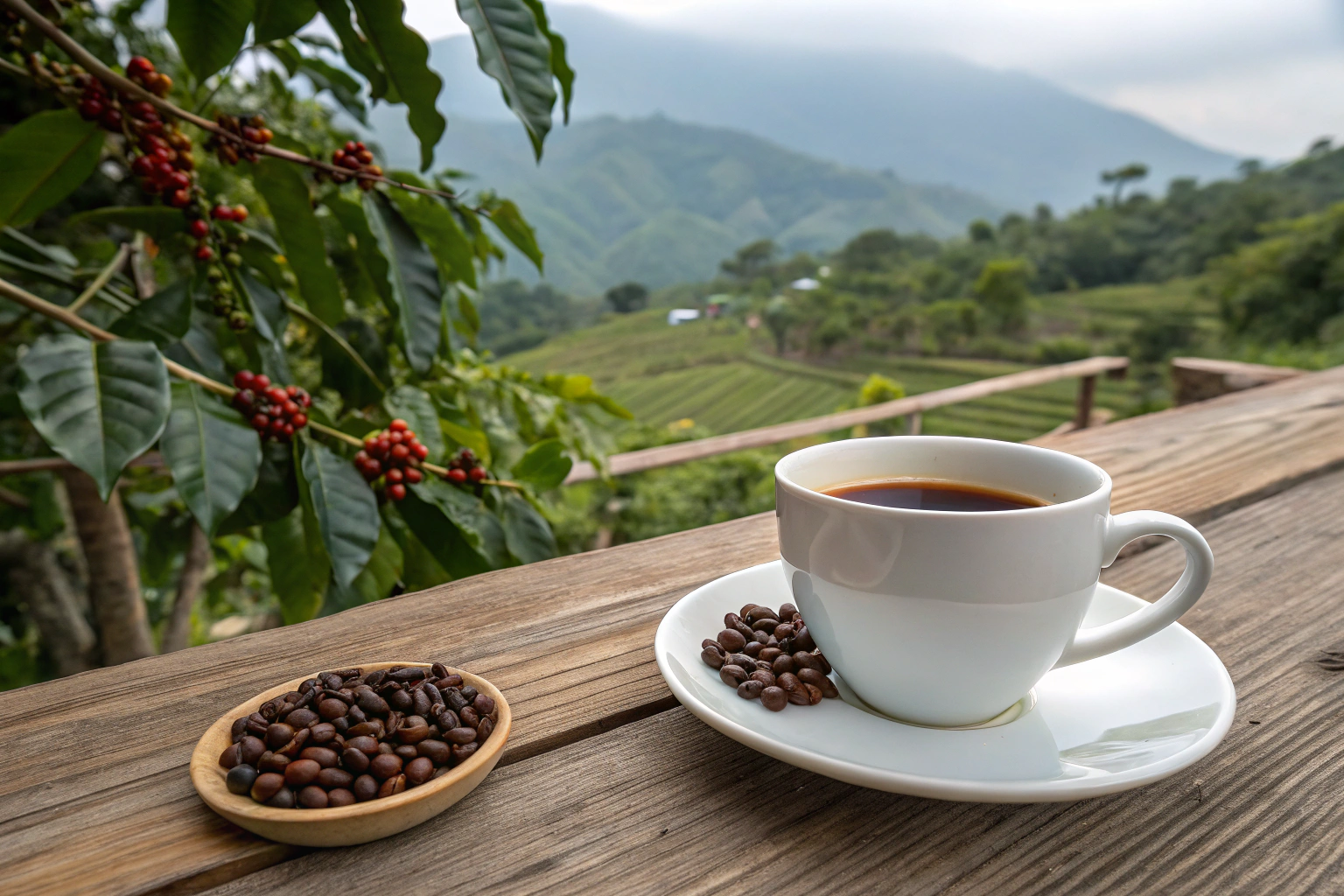
You see Yunnan coffee on a fine dining menu. You wonder why. You think of Yunnan as a tea place. You think of coffee from Ethiopia or Colombia. But things change. Michelin-star chefs are now asking for washed Yunnan Arabica. That is not a small shift. It is a big signal. And it matters for your business.
Washed Yunnan Arabica is gaining Michelin-star attention because it has clean acidity, bright fruit notes, and a sweet finish that pair well with fine dining. The washed process removes fruit mucilage, so the cup tastes clear and balanced. Yunnan's high altitude, dry harvest season, and improving farm practices make this possible. At BeanofCoffee, we export washed Catimor and Arabica from Baoshan, Yunnan, and we see this demand grow every year.
So, why now? Why washed? Why Yunnan? Let me walk you through it. I have shipped Yunnan coffee for years. I have seen the quality jump. I will share what I know.
What Makes Washed Yunnan Arabica Special?
You may have tried Yunnan coffee before. Maybe it tasted flat. Maybe it tasted earthy. That was the old style. The new washed lots are different. They are cleaner. They are brighter. They are sweeter. So, what changed?
Washed Yunnan Arabica is special because the washing process removes the sticky fruit layer before drying. This gives a cleaner cup with less mud and more clarity. Yunnan's high altitude slows cherry ripening, which builds sugar. The dry harvest season lowers mold risk. Together, these factors create a coffee that tastes bright, sweet, and balanced.
Another way to look at this is simple. Washed coffee is like a clear window. You see the origin. You taste the place. Natural coffee is like a colored window. The fruit covers the view. Fine dining chefs want the clear window. They want to taste the bean. So, what does this mean? It means washed Yunnan Arabica fits the fine dining style. It pairs with food. It does not fight with food.
Is Yunnan's Terroir Good for Washed Coffee?
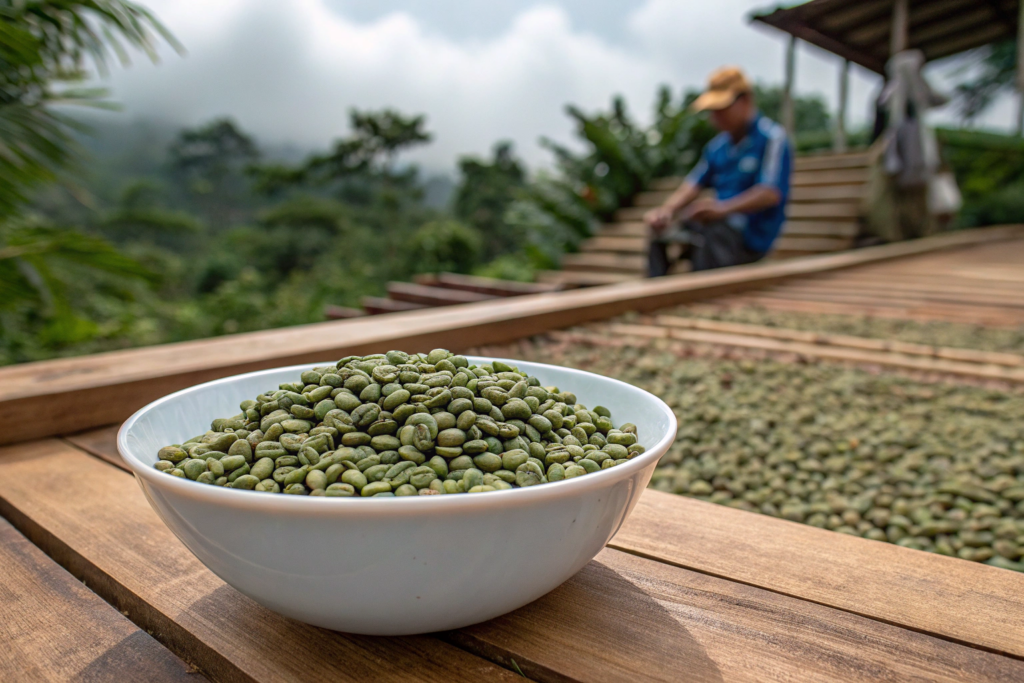
Yes, it is very good. Yunnan sits at high altitude. Many farms are 1,200 to 1,700 meters. Cool nights slow cherry growth. Slow growth means more sugar. The dry season runs from November to April. Harvest happens in this window. Less rain means less mold and more control. The World Coffee Research studies how altitude and climate affect coffee quality. The Coffee Institute also shares research on green coffee. I have walked farms in Baoshan. The air is dry. The soil is red. The cherries ripen slow. These are good signs. So, Yunnan has real terroir. It is not just a cheap origin. It is a quality origin.
What Does "Washed" Mean for Yunnan Beans?
Washed means the fruit is removed before drying. After picking, the cherries go to a pulper. The skin and most fruit come off. Then the beans sit in water or a tank. The remaining mucilage breaks down. Then workers wash the beans clean. Then they dry them on raised beds. The Specialty Coffee Association shares processing standards. Perfect Daily Grind explains washed process steps in detail. This method takes more water and more time. But it gives a cleaner flavor. For Yunnan, it removes the earthy notes that older lots had. That is why chefs like it. The cup tastes brighter. The finish is sweeter. So, washing changed the story of Yunnan coffee.
Why Do Michelin Chefs Choose Yunnan Coffee?
You may ask a simple question. Why would a top chef care about coffee? They care about flavor. They care about pairing. They care about story. Coffee is now part of the dining experience. A good cup can end a meal. A bad cup can ruin it.
Michelin chefs choose Yunnan coffee because it offers clean flavor, a good story, and reliable supply. Washed Yunnan Arabica has bright acidity and sweet notes that pair well with dessert. The farm-to-table story also fits fine dining values. Chefs want ingredients with a clear origin and a human story. Yunnan coffee gives them both.
So, what does this mean? It means coffee is not just a drink. It is an ingredient. Chefs use it in sauces, desserts, and pairings. They need consistency. They need quality. Washed Yunnan Arabica gives them that. The Michelin Guide covers fine dining trends. Eater also reports on restaurant culture. I have talked to chefs who serve Yunnan coffee. They like the balance. They like the price. They like the story. That is a strong mix.
How Do Fine Dining Restaurants Use Coffee?
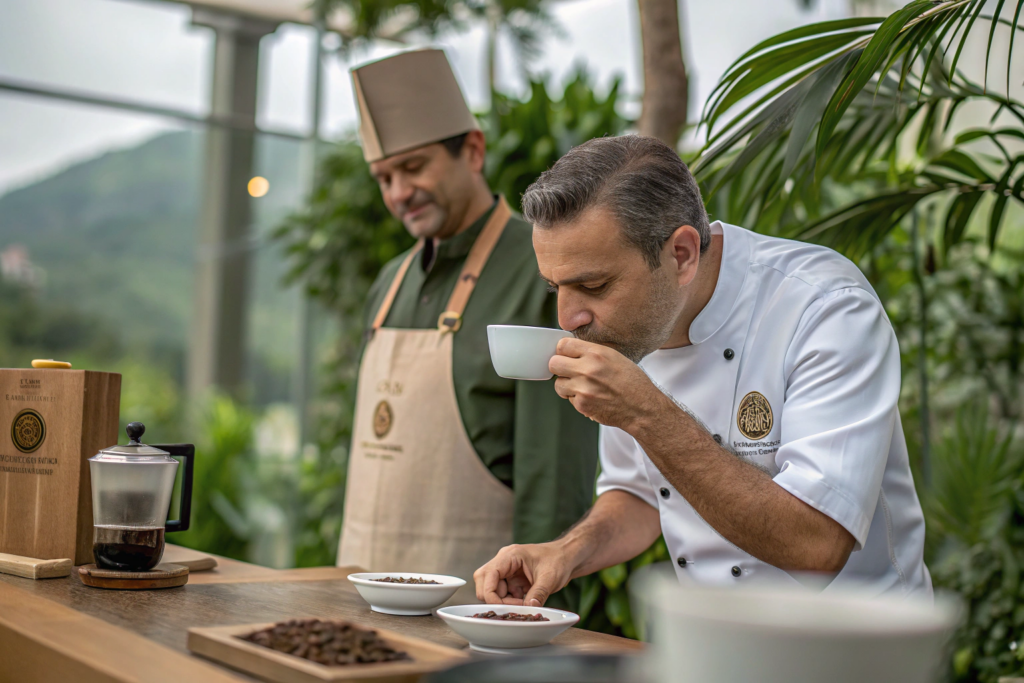
Fine dining restaurants use coffee in many ways. Some serve it as a final course. Some use it in desserts. Some use it in savory sauces. Some use it in cocktails. A washed coffee works well in these roles. It has clarity. It has sweetness. It does not overpower other flavors. The Bon Appétit website shares chef techniques. Serious Eats also covers food science and flavor. I have seen coffee used in chocolate desserts. I have seen it used in beef dishes. The key is balance. Washed Yunnan Arabica brings balance. So, chefs keep it on the menu.
What Flavor Notes Do Chefs Look For?
Chefs look for three things. First, clarity. The flavor must be clean. Second, sweetness. The cup must have a sweet finish. Third, acidity. The cup must have bright but not sharp acidity. Washed Yunnan Arabica often shows notes of citrus, honey, and nuts. Some lots show red apple or caramel. The Coffee Review shares tasting notes and scores. Roast Magazine covers roasting and flavor development. These notes pair well with food. They also work well in desserts. So, chefs ask for specific lots. They want the same taste every time. That is why consistency matters.
How Does Washing Process Shape Coffee Flavor?
You may not think about the washing step. But it changes everything. A good wash gives a clean cup. A bad wash gives a dirty cup. So, the process matters. Let me explain how it works.
The washing process shapes coffee flavor by removing the fruit mucilage before drying. This reduces fermentation flavors and lets the bean's natural taste come through. A clean wash gives bright acidity, clear body, and sweet finish. A poor wash can leave dirty, musty, or sour notes. So, farmers must control water, time, and temperature.
I have seen this at the farm. A good washing station uses clean water. Workers sort cherries first. They remove unripe and damaged fruit. Then they pulp and wash. Then they dry on raised beds. Each step affects the final taste. So, what does this mean? It means the washing step is not just cleaning. It is flavor building. A farmer who controls the wash controls the cup.
Why Does Washing Improve Cup Clarity?
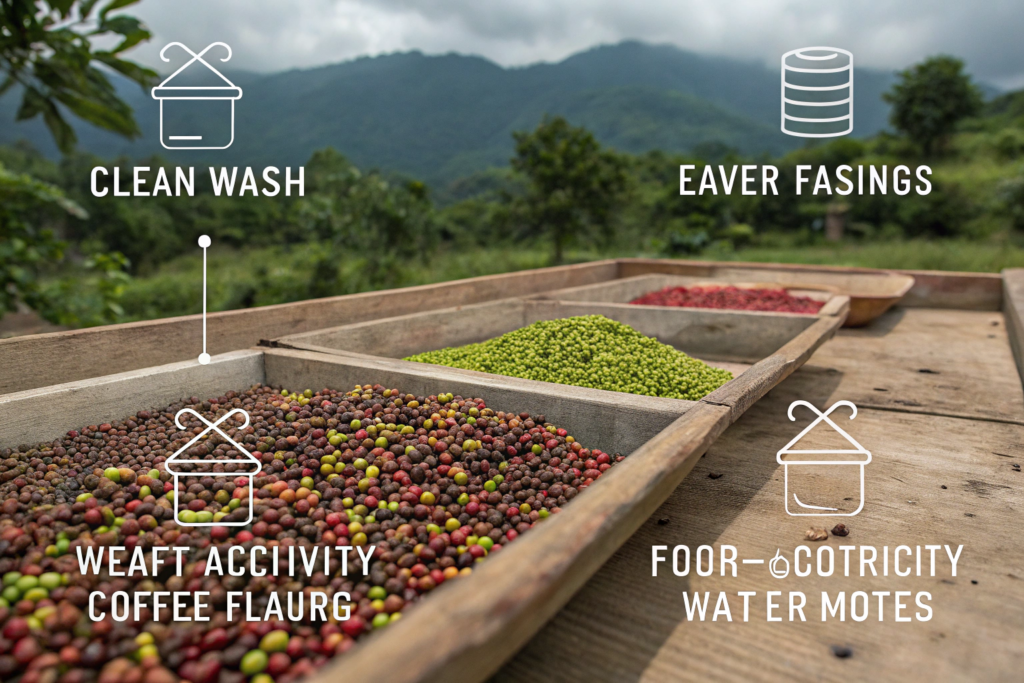
Washing improves clarity because it removes the fruit layer that can create muddy flavors. When fruit stays on the bean, it ferments. Some fermentation is good. Too much is bad. It creates vinegar or rotten notes. Washing stops the fermentation at the right time. Then the bean dries clean. The FAO coffee program shares processing guidance. The Global Coffee Platform promotes good practices. I have cupped washed and natural lots side by side. The washed lot tastes cleaner. The natural lot tastes fruitier. Both can be good. But for fine dining, clean is often better. So, chefs ask for washed.
How Do Farmers Control the Wash Step?
Farmers control the wash step with three tools. First, clean water. Dirty water adds bad flavors. Second, time. Too long in the tank creates sour notes. Too short leaves mucilage. Third, temperature. Cold water slows fermentation. Warm water speeds it up. The Tea & Coffee Trade Journal reports on processing methods. Daily Coffee News also covers farm innovation. I train my farm team on these steps. We check the tank every few hours. We test the beans by feel. When the mucilage is gone, we stop. Then we dry. This control gives a consistent cup. That consistency is what chefs pay for.
Can Yunnan Arabica Compete With Top Origins?
You may still doubt. Can Yunnan really compete? Ethiopia has history. Colombia has marketing. Kenya has intensity. Where does Yunnan fit? That is a fair question. Let me give you a fair answer.
Yunnan Arabica can compete with top origins in washed categories because it scores well in cupping, offers stable supply, and costs less than many premium origins. It may not beat the best Ethiopian lots in floral complexity. But it can match many specialty lots in clarity and sweetness. For chefs and roasters who want quality and value, Yunnan is a strong choice.
So, what does this mean? It means Yunnan is not trying to be Ethiopia. It is trying to be itself. A clean, sweet, balanced coffee. That is a useful profile. It works in blends. It works as a single origin. It works in fine dining. The International Coffee Organization tracks global trade. Sprudge covers specialty coffee culture. I have seen Yunnan lots score 84 to 87 points. That is specialty grade. That is good enough for many top buyers. So, yes, it can compete.
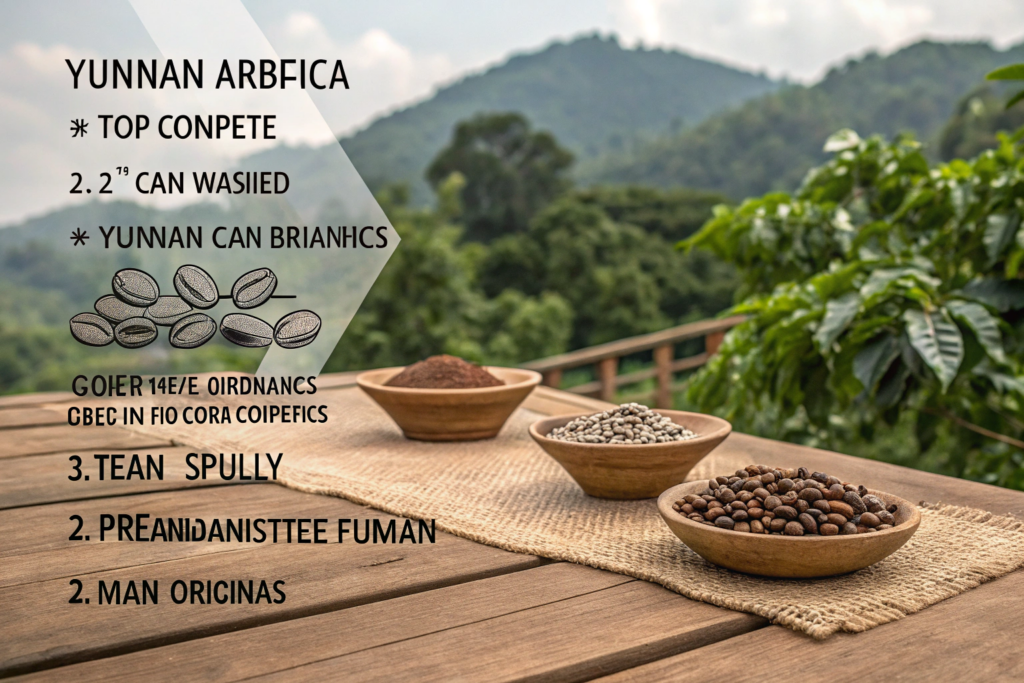
How Does Yunnan Arabica Score in Cupping?
Cupping scores tell a clear story. Most washed Yunnan Arabica lots score between 82 and 87 points. The best lots can hit 88 or 89. That puts them in the specialty range. The Specialty Coffee Association explains cupping protocols. Coffee Review publishes independent scores. I cup every lot before shipment. I check acidity, body, sweetness, and aftertaste. The best Yunnan lots have bright acidity and a long sweet finish. They may lack the floral top notes of a great Ethiopian coffee. But they have a solid structure. That structure works well in many uses. So, do not judge Yunnan by old samples. Judge it by new washed lots.
What Do International Buyers Say About Yunnan?
International buyers are warming up. Many roasters in the U.S., Europe, and Australia now buy Yunnan coffee. They like the price. They like the quality. They like the story. The Daily Coffee News reports on origin trends. Barista Magazine covers buyer perspectives. I have heard buyers say Yunnan is "the next big origin." I have also heard them say it is "underrated." Both comments are good signs. When buyers say an origin is underrated, they mean it offers more value than the price suggests. That is exactly what Yunnan does. So, if you are a buyer, take a fresh look. Order a sample. Cup it. Then decide.
Conclusion
Washed Yunnan Arabica is gaining Michelin-star attention for good reasons. It has clean flavor, bright acidity, and a sweet finish. The washing process removes mud and lets the bean speak. Yunnan's high altitude and dry season help build sugar and lower mold risk. Chefs like the pairing potential. Roasters like the value. Buyers like the stable supply. This is not a trend. It is a shift in how the world sees Chinese coffee.
If you want to try washed Yunnan Arabica for your menu or your roastery, contact us. BeanofCoffee owns over 10,000 acres in Baoshan, Yunnan. We export Catimor, Arabica, and Robusta to North America, Europe, and Australia. We can share cupping notes, moisture reports, and sample lots. For orders or questions, email Cathy Cai at cathy@beanofcoffee.com. She will help you find the right lot for your needs.