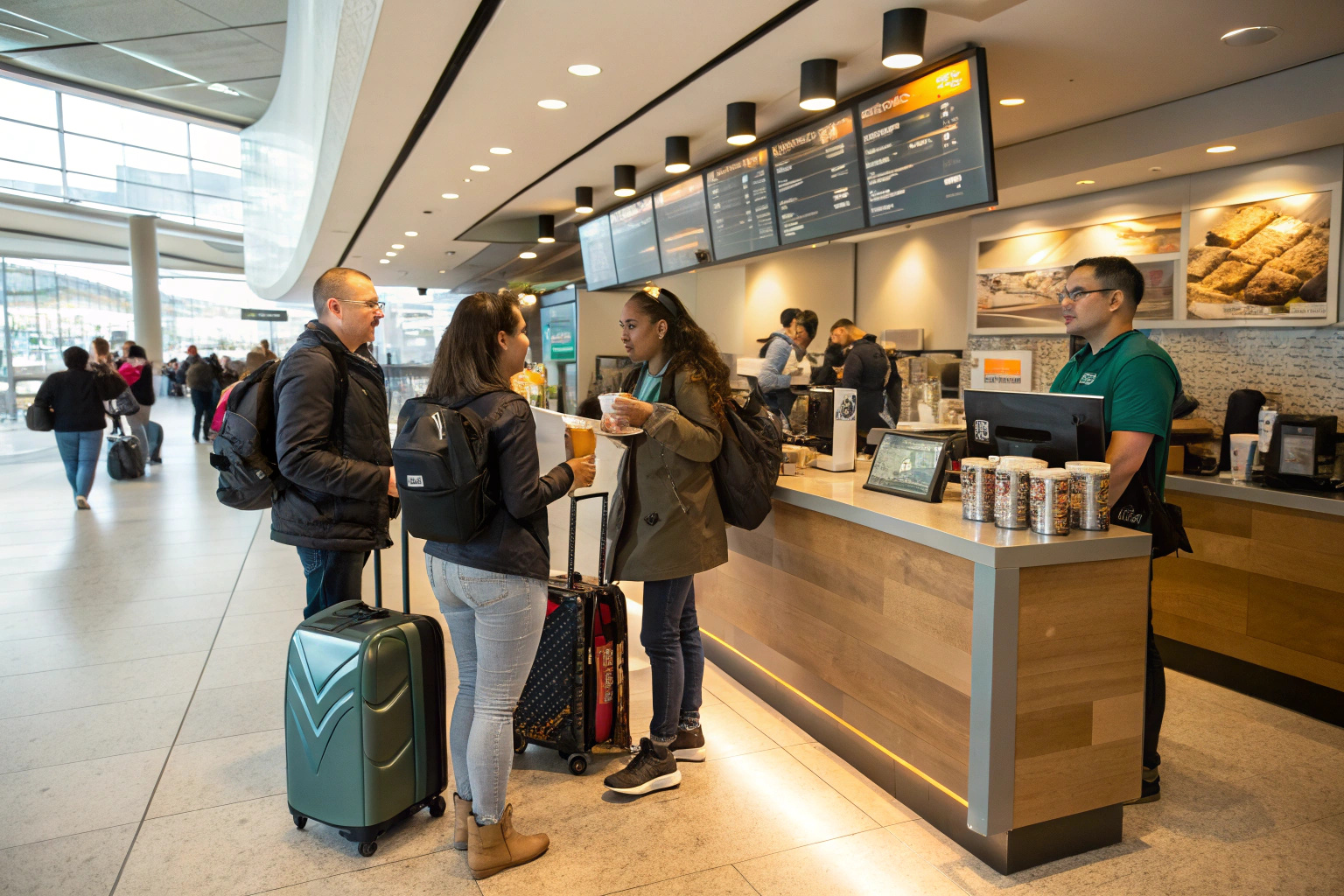
I remember standing in a coffee shop at Pudong Airport in Shanghai. It was 6 AM. A businessman rushed in, looked at the menu, grabbed a bag of whole beans, and paid without even asking the price. I asked him why. He said, “I am traveling for two weeks. I need good coffee. This brand? I know it. I trust it.” That moment stuck with me. Travelers are a unique market. They are not shopping for coffee to drink at home. They are looking for something familiar, something portable, something that reminds them of a place. So how do you reach them?
To market coffee to travelers, focus on three things: portability, storytelling, and accessibility. Travelers need packaging that fits in a carry-on. They want a story that connects the coffee to a destination. And they need to find your product in places they already visit—airport shops, hotel lobbies, and online stores with fast shipping. Your brand becomes their travel companion.
I have seen this work with our own buyers. Some of them take our coffee and repackage it for the travel market. Others use our single-origin story to sell to tourists visiting China. Let me break down the strategies that actually work.
What Packaging Appeals to Travelers?
Packaging is not just about looking nice. For travelers, it is about function. A bag that looks beautiful but explodes in a suitcase is useless. I learned this when a buyer from Australia showed me a bag of our coffee that he carried on a flight. It survived. He said, “That is why I buy from you. You know how to pack.”
Travelers need packaging that is lightweight, resealable, and durable. Single-serve options like drip bags or 100-gram pouches work well for short trips. For whole beans, use stand-up pouches with zip seals. Avoid glass or rigid containers. Also, consider TSA-friendly sizes—under 12 ounces for carry-on bags.
I had a client in Europe who started selling our coffee in 50-gram drip bags. He placed them in airport gift shops. Sales went up 40% in six months. Travelers loved them because they did not need any equipment. Just hot water and a cup.
Why Is Resealable Packaging Important?
Travelers open a bag. They use some coffee. They close it. Then they move to the next hotel. If the bag does not seal properly, the coffee goes stale. Or worse, it spills.
We use resealable stand-up pouches for our retail line. They keep the coffee fresh. They fit easily in a suitcase. And they look professional on a shelf. Another detail: use one-way degassing valves. Coffee releases gas after roasting. Without a valve, the bag can puff up. On a plane, that puff becomes a balloon. A valve releases the gas safely.
How Do You Design for Brand Recognition?
When a traveler sees your bag, they should remember it. Use bold colors. Use your logo clearly. Add a QR code that links to your story.
We put a small map on our packaging. It shows our farms in Baoshan. Travelers love that. It gives them a connection to the place. A buyer from New York told me, “Your bag stands out in the airport shop. People pick it up because they see Yunnan. They want to try coffee from China.” That is the power of destination branding.
How Do You Tell a Story That Resonates with Travelers?
Travelers buy experiences, not just products. When they pick up your coffee, they are buying a memory. Or they are buying a way to create a new one. So your story has to connect to travel itself.
Tell a story about origin. Where does the coffee come from? Who grows it? Travelers love knowing they are bringing home something authentic. Use photos of farms, growers, and landscapes. Show the journey from cherry to cup. Make them feel like they visited the place, even if they did not.
I remember a buyer from Japan. He took photos of our farms. He put them on his website. He wrote about our family-run operation. His customers started buying his coffee as souvenirs. They wanted to bring back a taste of Yunnan.
What Origin Details Capture Attention?
Be specific. Do not just say “China.” Say “Baoshan, Yunnan, at 1,200 meters elevation.” Talk about the volcanic soil. Talk about the misty mornings. Travelers are curious. They want details they can share with friends.
We created a coffee origin story page on our website. It gets traffic from people searching for Yunnan coffee. Travelers find it before they even leave home. They add our coffee to their trip plan.
How Do You Use QR Codes and Digital Content?
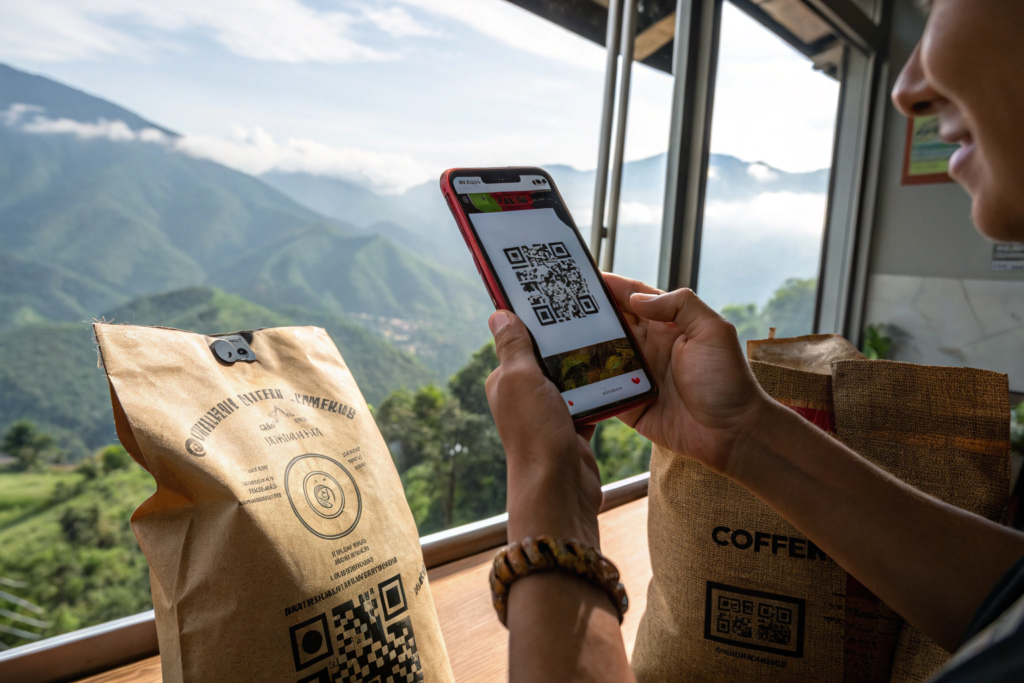
A bag of coffee is small. Your story can be bigger. Use a QR code on the packaging. Link it to a video of the farm. Or a blog post about the harvest.
One of our buyers in Australia does this. He puts QR codes on every bag. Travelers scan them on the plane. They watch a 2-minute video of our harvest. Then they arrive home and brew the coffee. They feel connected. You can also link to brewing guides. A traveler might be staying in a hotel room with no coffee gear. Show them how to use a simple pour-over. Make it easy.
Where Should You Sell Coffee to Travelers?
Location matters. You can have the best coffee and the best story. But if travelers cannot find it, you lose the sale. So let me share the sales channels that work.
Sell coffee to travelers in airports, train stations, hotel lobbies, and tourist information centers. Online, focus on gift sections and travel-related websites. Partner with tour operators and travel bloggers. Also, consider duty-free shops in international terminals. Travelers often look for local products there.
I worked with a distributor in Europe who placed our coffee in hotel minibars. It sounds small. But it worked. Travelers used the coffee in the morning. Then they bought more to take home. The hotel made a profit. We got exposure.
How Do You Approach Airport Retail?
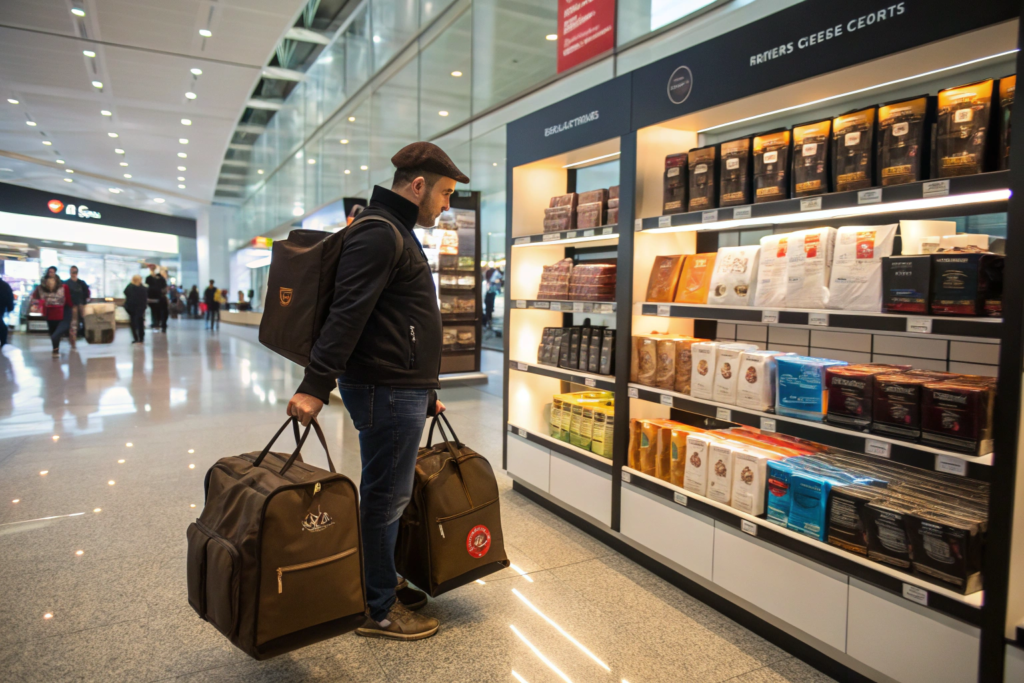
Airport retail is competitive. Space is expensive. But the traffic is huge. Start small. Look for local airport shops that feature regional products. Pitch your coffee as a local specialty. Use the origin story.
We supply coffee to a shop in Kunming Airport. They sell our beans to travelers leaving Yunnan. It is a perfect match. People want to take a piece of the region home. If you cannot get into airport shops, consider online marketplaces that ship fast. A traveler might order your coffee to their hotel. It arrives before they do.
What Role Do Hotels Play?
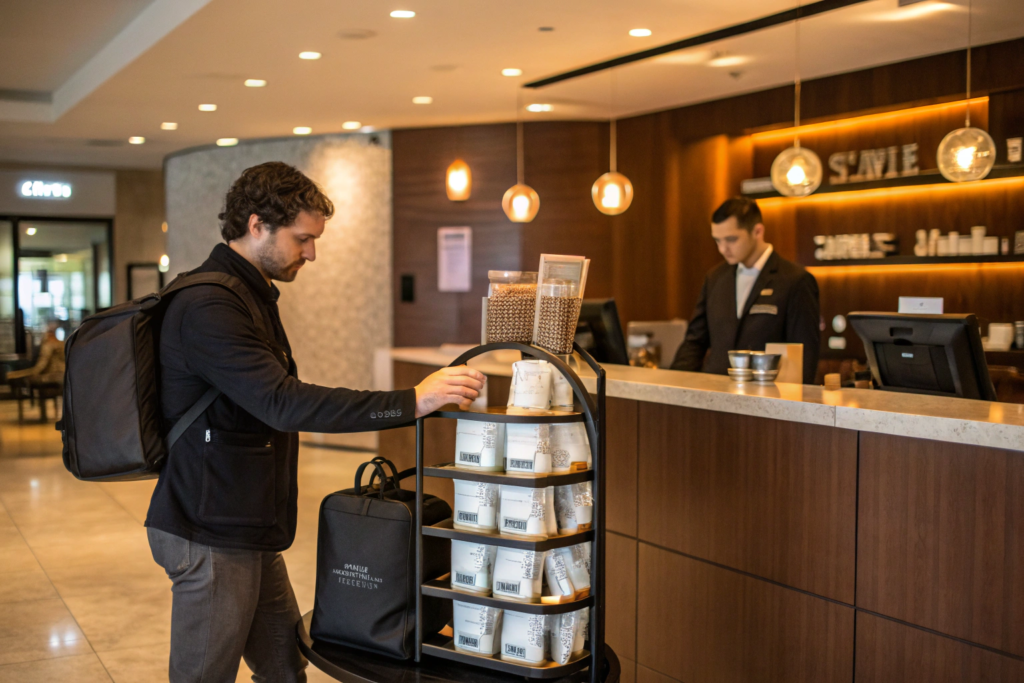
Hotels are a natural partner. A traveler wakes up in a new city. They want good coffee. If the hotel serves your brand, they try it. Then they want to buy it. Work with hotel buyers. Offer them a wholesale price. Provide small bags for guest rooms. Put a card in the room that says, “Enjoy this local coffee. Take a bag home.”
We do this with several hotels in Shanghai. Their guests buy our coffee as souvenirs. Some of them become repeat online customers when they get home. Another idea: partner with travel experience platforms that offer coffee tours. When travelers book a tour, offer them a bag of coffee as part of the package.
How Do You Price Coffee for the Travel Market?
Pricing for travelers is different. They are not comparing prices per pound at the grocery store. They are making an impulse buy. They are willing to pay more for convenience and experience.
Price travel-sized coffee at a premium. A 100-gram bag can sell for the same price as a 250-gram bag in a grocery store. Travelers pay for portability and the experience. Focus on perceived value. Use premium packaging. Add a story card. Make it feel like a gift, even when they buy it for themselves.
I saw a buyer in Australia price our single-serve drip bags at $8 AUD each. People bought them. They did not compare it to supermarket coffee. They compared it to a coffee shop drink. And the drip bag gave them multiple cups.
What Is the Right Package Size?
Test different sizes. What we found is that 100-gram bags sell well for short trips. For longer trips, 250-gram bags work.
Avoid 500-gram bags for travelers. They are too big. They take up space. Also consider variety packs. A traveler might want to try three different origins. Pack them together. They become a gift set.
How Do You Handle Duty-Free and Tax Refunds?
If you sell in airports, understand duty-free rules. Travelers expect to buy without paying local tax. They also look for exclusive products. You can create a “traveler’s edition” packaging. Make it different from your regular retail line. That makes it feel special.
We offer a duty-free coffee export service for partners who want to enter airport retail. We handle the packaging and documentation.
Conclusion
Marketing coffee to travelers is about understanding their mindset. They want portability. They want a story. They want to find your product in places they already visit.
Start with the right packaging. Make it durable, resealable, and easy to pack. Tell a story that connects your coffee to a place. Use QR codes to make that story digital and shareable. Sell in airports, hotels, and online travel platforms. Price for convenience, not by weight.
At Shanghai Fumao, we have helped buyers in North America, Europe, and Australia enter the travel market. Our coffee comes from our own farms in Yunnan. That story sells itself. We also work with logistics partners like Shanghai Fumao to ensure packaging and shipping meet travel retail standards.
If you want to build a travel coffee brand, let us talk. I can show you our packaging options. I can share what works in different markets. Contact Cathy Cai. My email is cathy@beanofcoffee.com. Tell me about your travel retail idea. I will help you make it happen.