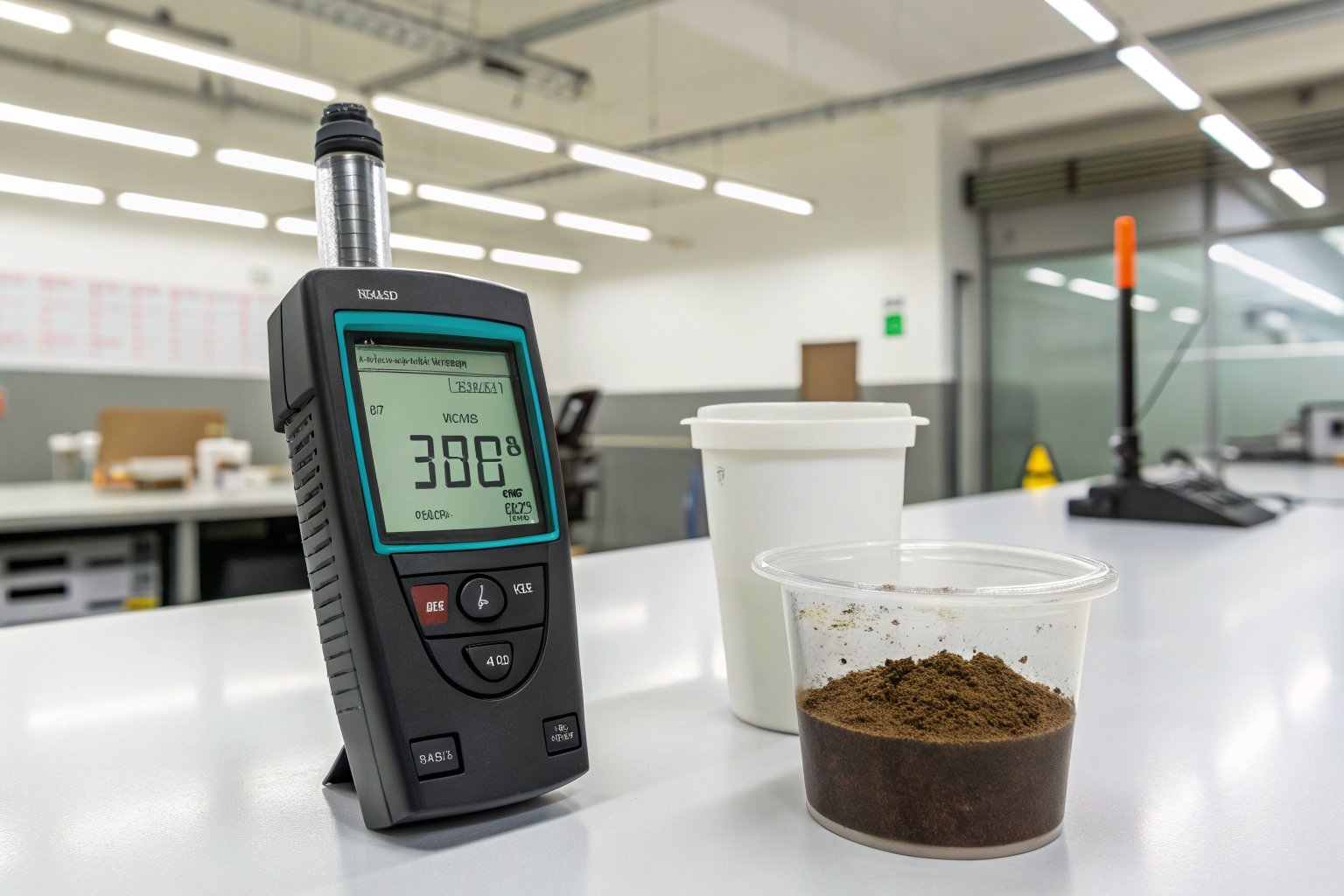
A logistics manager from a mid-size roastery in Ohio called me with a specific problem. He had just received a container of Brazilian green coffee that had been sitting at the port of Santos for three weeks in high humidity before loading. By the time it reached his warehouse, the moisture content was fine on paper — 11.8 percent — but the beans smelled wrong. He asked me: should I trust my moisture meter, or is there something else I should be measuring? The answer is water activity. Moisture content tells you how much water is in the bean. Water activity tells you how that water behaves. For predicting mold risk, shelf life, and storage stability, water activity is actually the more important number. Let me walk you through how to measure it and why you should start before you buy.
What Is Water Activity and Why Is It Different from Moisture Content?
Most coffee buyers know moisture content. It is the percentage of the bean's weight that comes from water. Water activity, symbolized as Aw, measures the free water available for microbial growth. Two coffee samples can have the same moisture content but very different water activity levels, and the one with higher water activity will spoil faster.
How Does Water Activity Predict Mold and Mycotoxin Risk?
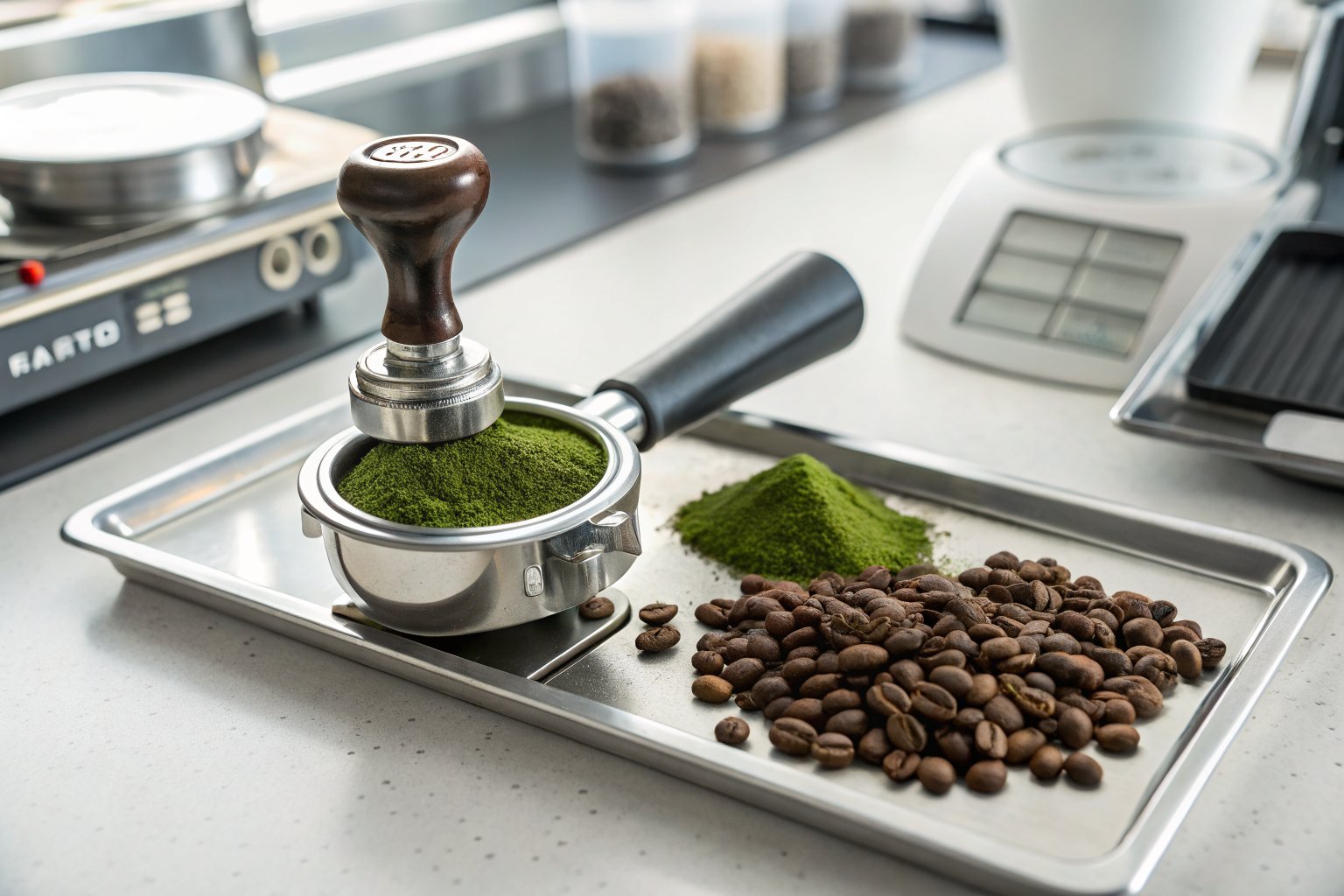
Microorganisms need free water to grow. Mold spores require a minimum water activity of 0.70 Aw to germinate. Bacteria need even more, around 0.85 Aw. If your green coffee has a moisture content of 12 percent but a water activity above 0.65 Aw, it is approaching the danger zone. Coffee at 11 percent moisture but with a water activity of 0.55 Aw is much safer for long-term storage. The Food and Drug Administration's guidance on mycotoxin prevention specifies that green coffee stored at water activity below 0.60 Aw has negligible risk of Ochratoxin A development, even after extended storage. Once Aw exceeds 0.65, the risk curve rises sharply. This is why water activity is the standard measurement in the food industry for shelf-life prediction — it gives you actionable information that moisture content alone cannot provide.
What Is the Ideal Water Activity Range for Green Coffee?
The target water activity for green coffee intended for medium to long-term storage is 0.50 to 0.60 Aw. Coffee at 0.55 Aw has an estimated shelf life of 12 to 18 months under proper storage conditions without significant quality loss. Above 0.65 Aw, the estimated shelf life drops to 4 to 6 months, and the risk of mold development becomes real. The Coffee Quality Institute's storage standards recommend that green coffee shipped internationally should be tested for water activity at the time of loading and again upon arrival. A difference of more than 0.05 Aw between origin and destination indicates that the coffee was exposed to humidity during transit. At Shanghai Fumao, we measure Aw on every export lot and include the reading in our quality documentation so buyers know exactly what they are receiving.
How Do You Measure Water Activity in Green Coffee?
Measuring water activity requires a dedicated instrument called a water activity meter. It is different from a moisture meter, and it costs more — but for anyone buying coffee in volume, it is worth the investment.
What Equipment Is Needed for Accurate Water Activity Testing?
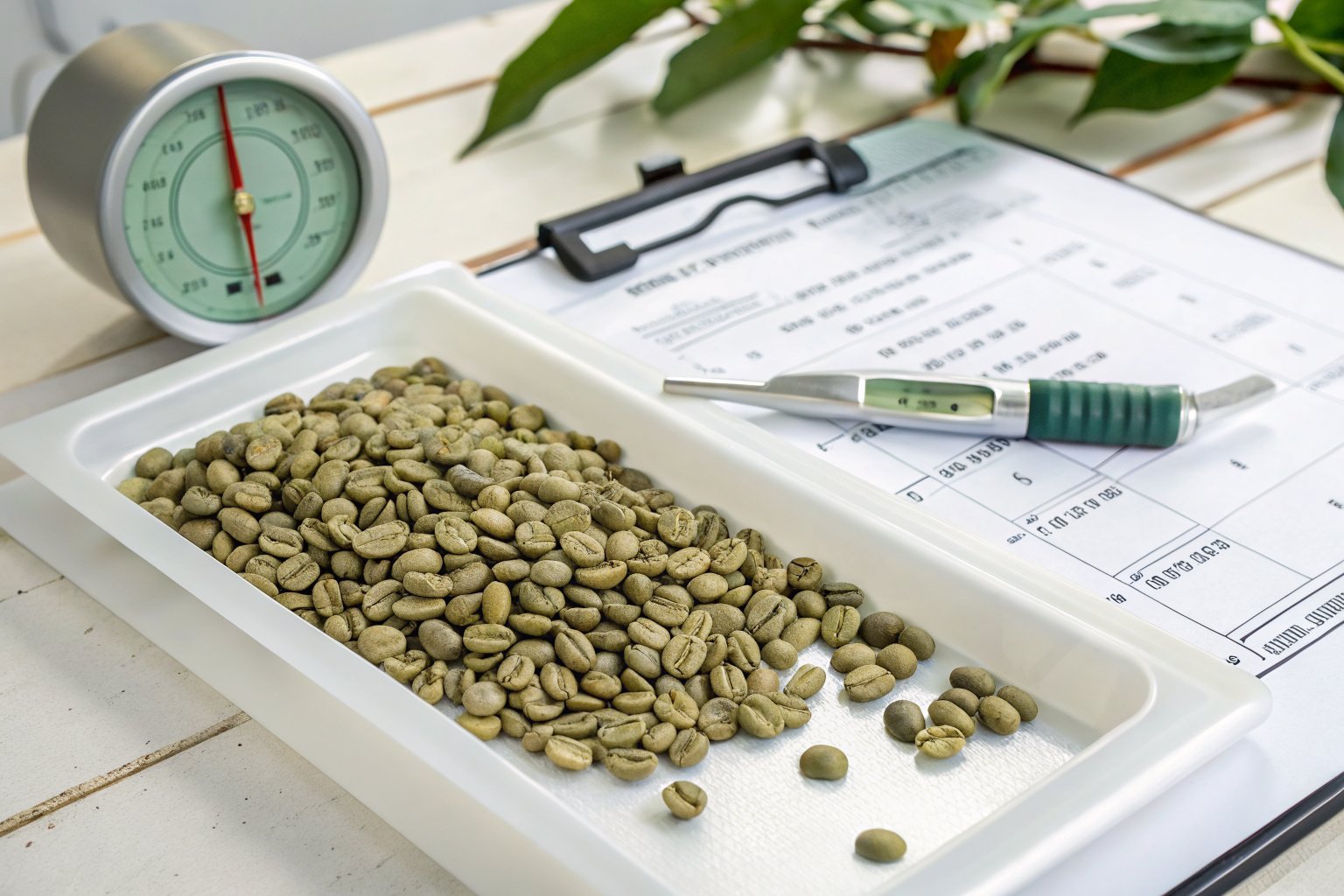
A water activity meter uses a sealed chamber where the sample equilibrates with the air inside. The instrument measures the relative humidity of the air above the sample, which equals the water activity of the coffee. The two major types are chilled-mirror dew point meters, which are faster and more accurate, and capacitance-based sensors, which are cheaper but less precise. The American Society of Agricultural and Biological Engineers' standard for water activity measurement recommends chilled-mirror technology for food products like coffee because it delivers readings within 5 minutes with an accuracy of plus or minus 0.003 Aw. These instruments cost 1,500 to 3,500 dollars — a significant investment, but one that pays for itself the first time it prevents you from accepting a mold-risk shipment.
What Is the Correct Procedure for Testing Green Coffee Aw?
Start by grinding a representative sample of the green coffee — about 10 grams ground to the consistency of drip coffee. Place the ground sample in the meter's sample cup, filling it to about two-thirds full without packing it down. Insert the cup into the meter and start the measurement cycle. Do not open the chamber until the reading is complete, which takes 3 to 5 minutes for most instruments. The Specialty Coffee Association's water activity protocol specifies that the sample should be tested at 25 degrees Celsius plus or minus 1 degree, because water activity measurements are temperature-dependent. A 5-degree temperature change can shift the reading by 0.02 to 0.03 Aw. Always record the temperature alongside the Aw reading. I recommend testing at least three samples from each lot and averaging the results for a reliable measurement.
When Should You Measure Water Activity in the Buying Process?
Timing matters. Water activity changes as coffee moves through the supply chain. Measuring at the right points gives you leverage in negotiations and protects you from quality surprises.
Should You Request Aw Data from the Supplier Before Shipping?
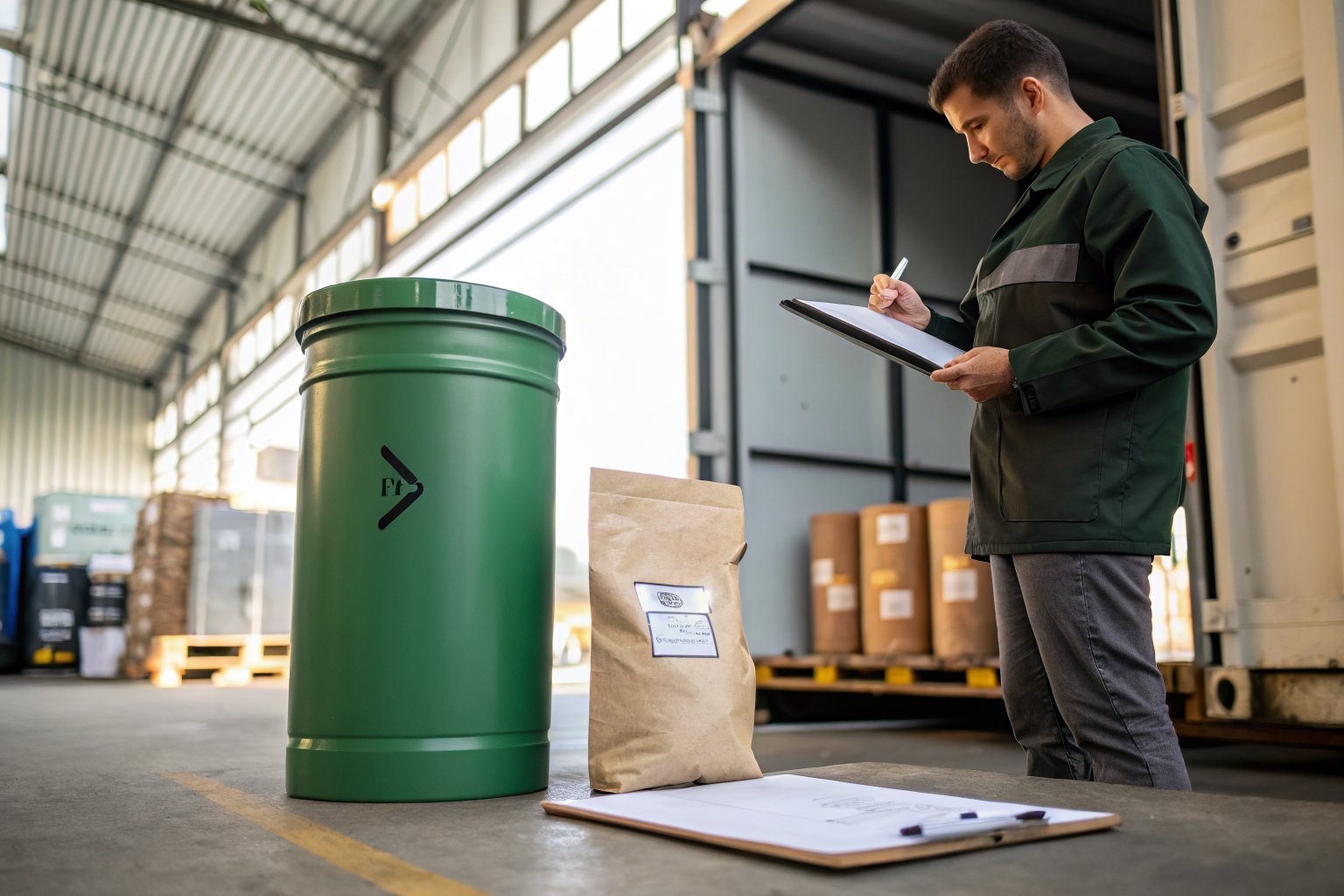
Absolutely. A reputable green coffee exporter should be able to provide a water activity reading from the time of milling and packing. If the coffee left the dry mill at 0.55 Aw and arrived at 0.62 Aw, you know the container was exposed to humid conditions during transit. That is valuable information for your quality records and for any future claims. The International Coffee Organization's shipping quality guidelines recommend that both the exporter and the importer record Aw at the time of loading and upon discharge. A difference of 0.03 Aw or less is normal. Anything above 0.05 Aw warrants discussion. At Shanghai Fumao, we record Aw at packing and again at container loading, and we share both readings with our buyers so there is a clear baseline for comparison on arrival.
How Does Water Activity Help You Reject or Negotiate on Arrival?
When a container arrives and the coffee does not cup the way you expected, water activity data gives you objective evidence. If the Aw is above 0.65, you have a strong case that the coffee was exposed to damaging conditions during transit or storage. Most standard green coffee contracts do not specify water activity limits, but the more sophisticated contracts increasingly do. The Green Coffee Association's contract template now includes an optional water activity clause with a maximum acceptable Aw of 0.65 at the time of delivery. If your contract includes this clause, you can reject a lot that exceeds the limit. Even without a formal clause, presenting Aw data in a dispute gives you leverage. I have seen buyers negotiate a 0.20 dollar per pound discount on a 320-bag lot based on elevated Aw readings that predicted reduced shelf life — a saving of over 1,900 dollars.
How Does Water Activity Affect Roasting and Final Cup Quality?
Water activity does not just predict storage stability. It also affects how coffee roasts and how it tastes. Buyers who understand Aw can use it to predict roast behavior before they even turn on the machine.
Does Water Activity Influence Roast Development Time?
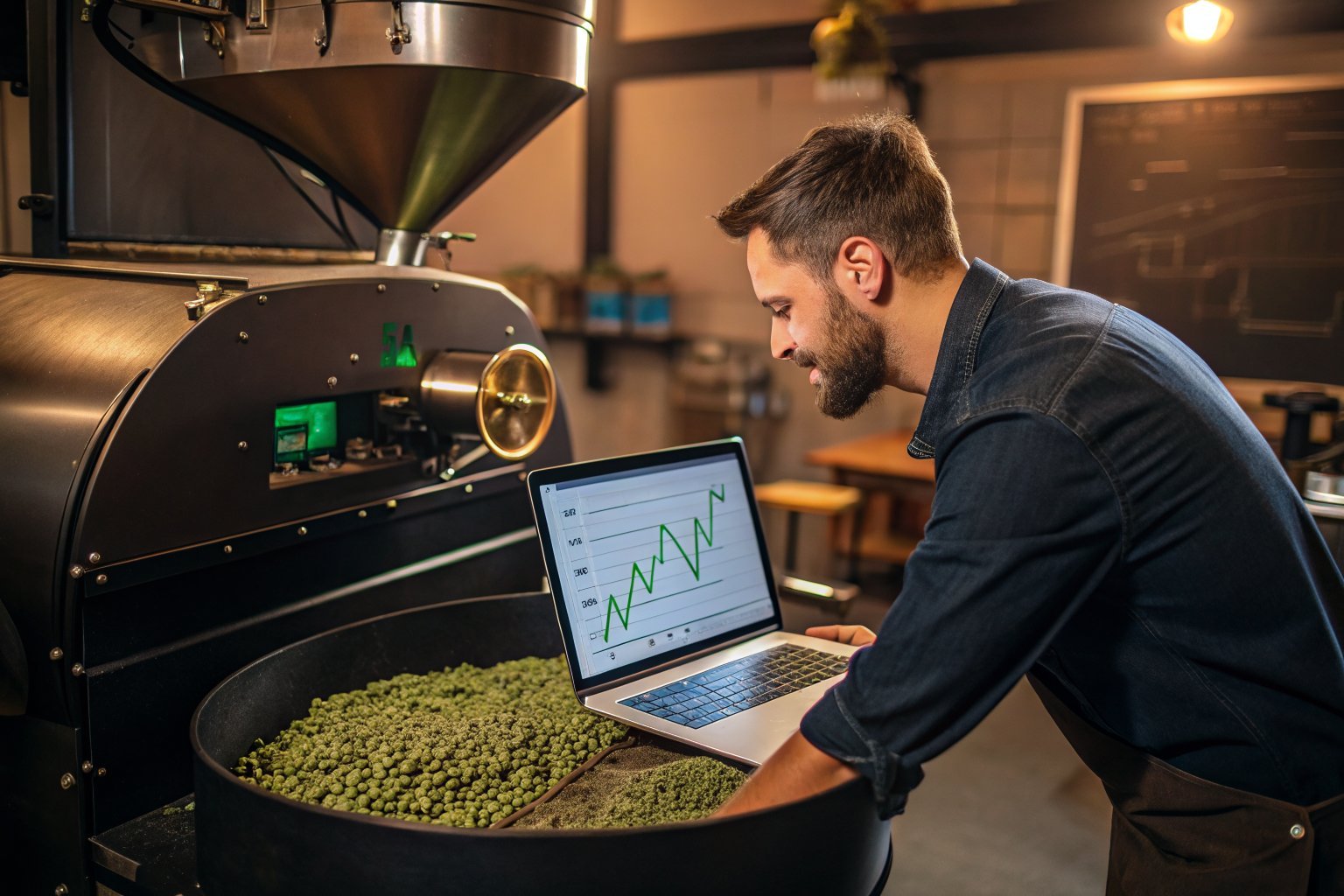
Yes, significantly. Coffee with higher water activity takes longer to reach first crack because the free water must be driven off before the internal temperature can rise above 100 degrees Celsius. A coffee at 0.60 Aw can take 15 to 30 seconds longer to reach first crack than the same coffee at 0.50 Aw, depending on the roast profile. The Roast Magazine's technical research on water activity found that a 0.10 Aw difference correlates with approximately 20 seconds of additional development time before first crack. That does not sound like much, but in espresso roasting where every second of development time changes the flavor, it matters. Roasters who measure Aw can adjust their profiles preemptively instead of guessing why a new batch roasts differently from the last one.
How Can Aw Readings Help You Predict Flavor Stability?
Coffee stored at low water activity retains its flavor profile longer. Volatile aroma compounds degrade faster in the presence of free water because it facilitates chemical reactions. A coffee stored at 0.55 Aw will still taste close to fresh after 6 months. The same coffee at 0.65 Aw may begin to taste flat and papery after just 3 months. The Journal of Agricultural and Food Chemistry study on coffee storage documented that coffee samples stored at 0.50 Aw retained 92 percent of their original volatile compound concentration after 6 months, while samples at 0.65 Aw retained only 71 percent. That 21 percent difference translates directly into the cup — less aroma, flatter acidity, and a shorter shelf life for the roasted product. If you are selling coffee to customers who expect fresh flavor, Aw data tells you how long you can realistically inventory a lot before quality degrades.
Conclusion
Water activity is a more powerful quality predictor than moisture content alone for green coffee. It tells you how close the beans are to the mold growth threshold, how long they will store without flavor loss, and how they will behave in the roaster. The ideal range is 0.50 to 0.60 Aw. Measure Aw before you buy, upon arrival, and periodically during storage. A water activity meter is a 2,000 to 3,500 dollar investment that protects tens of thousands of dollars in inventory. At BeanofCoffee, every export shipment includes water activity data alongside moisture content. We want you to have the information you need to store, roast, and sell our coffee with confidence. Contact Person: Cathy Cai Email: cathy@beanofcoffee.com