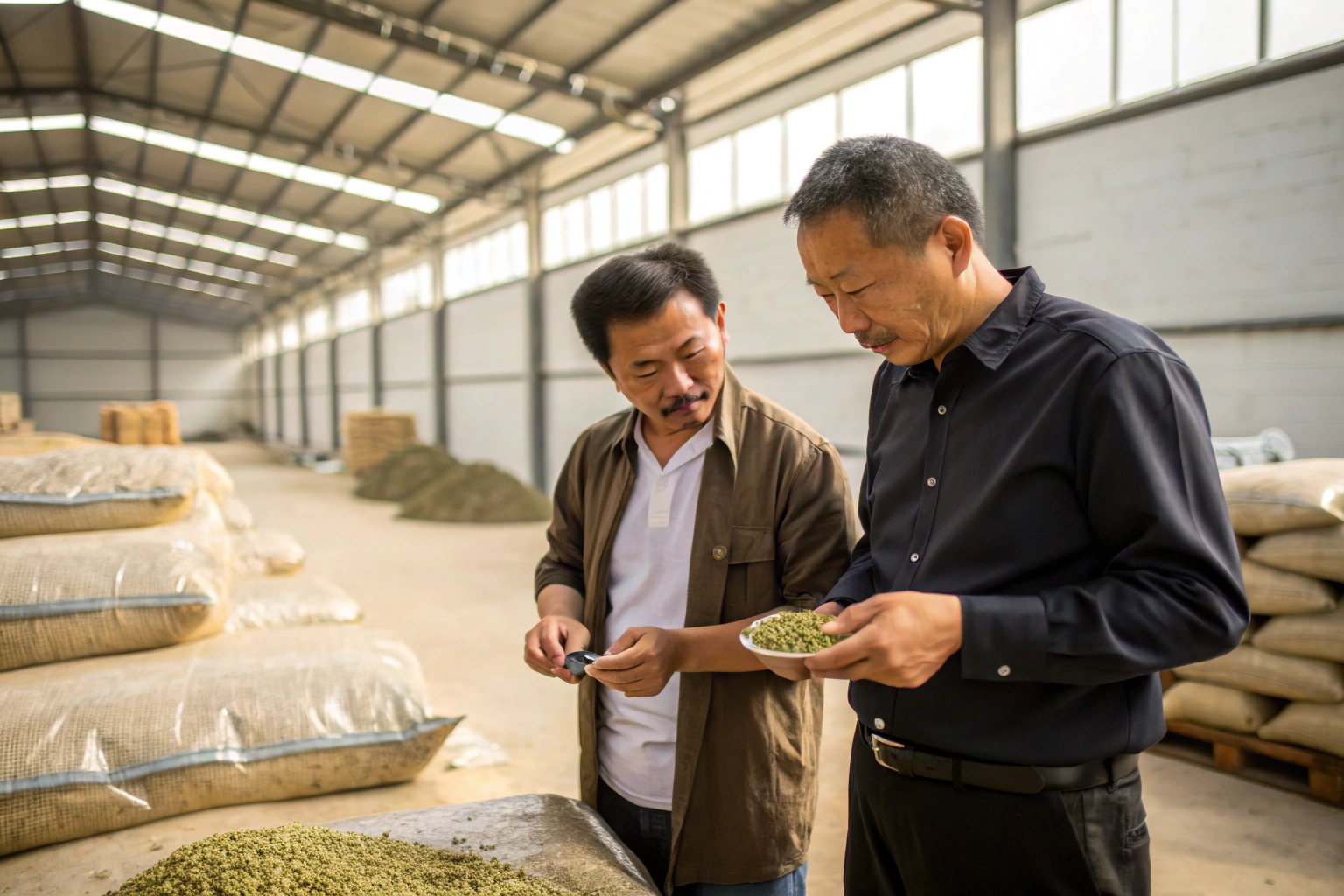
You buy coffee for your business. You want stable supply. You want good prices. But climate change is making that harder. Drought hits Brazil. Rain hits Vietnam. Heat hits Africa. Your coffee portfolio is at risk. That is the problem. You need a plan.
You can mitigate climate change risks in your coffee portfolio by diversifying origins, choosing resilient varieties, supporting climate-smart farming, using strong contracts, and buying from suppliers who track weather and quality data. At BeanofCoffee, we own over 10,000 acres in Baoshan, Yunnan, and we use these steps to protect supply for buyers in North America, Europe, and Australia.
So, where do you start? Let me walk you through the risks and the fixes. I will share what I see as a Chinese exporter. I will give you simple steps. You can use them today.
Why Is Climate Risk a Threat to Coffee Supply?
You see the news. Floods. Fires. Heat waves. They hit coffee regions. You wonder if your next shipment will arrive. You wonder if the price will jump. That worry is real.
Climate risk threatens coffee supply through drought, too much rain, rising temperatures, new pests, and disease. These changes lower yields, hurt quality, and raise costs. Small farms feel it first. But importers feel it too. A failed crop in one origin can cause price spikes and delays around the world.
Another way to look at this is to split risk into two parts. First, physical risk. That is heat, water, and pests. Second, market risk. That is price, supply, and shipping. You cannot control the weather. But you can control where you buy and how you buy. I use a simple table to rank risk.
| Risk Type | Example | Impact |
|---|---|---|
| Heat | 35°C days | Smaller beans |
| Drought | No rain for weeks | Lower yield |
| Too much rain | Wet harvest | Mold risk |
| Pests | Borer beetles | Damaged crop |
| Disease | Leaf rust | Weak plants |
So, what does this mean? It means you should not rely on one origin. You should not ignore weather reports. You should ask your supplier for farm data. A good supplier knows the risk. A bad supplier hides it.
How Does Rising Heat Affect Coffee Yields?
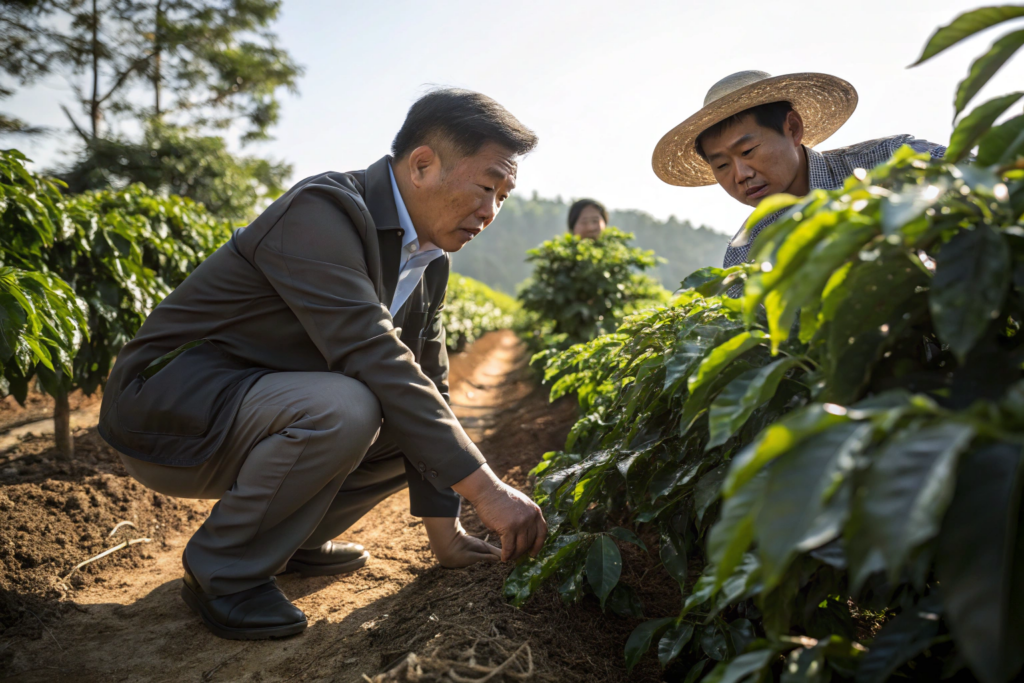
Heat is a quiet threat. Coffee likes mild weather. When days get too hot, the plant works harder. It drops flowers. It grows smaller beans. The taste can change. I have seen farms in lower areas struggle. They move up the mountain. But land is limited. The Climate.gov explains global temperature trends. The International Coffee Organization tracks how heat affects supply. For your portfolio, heat means lower volume and higher price. So, you should buy from higher altitudes. You should ask for shade. You should plan for tighter supply. You can also blend with Robusta. It handles heat better. That is a simple hedge.
What Diseases Threaten Coffee Farms?
Disease follows climate stress. When plants are weak, they get sick. Leaf rust is a big one. It turns leaves orange. Then they fall. The plant starves. Berry disease is another. It rots the fruit. Pests like the coffee borer also spread. The World Coffee Research studies resistant varieties. The CGIAR works on climate-smart agriculture. I ask my farm team to check leaves every week. We remove sick plants. We use clean tools. We plant resistant types. For your portfolio, ask your supplier what they do. If they do not know, find another supplier. Disease can wipe out a lot. You do not want that in your supply chain.
How Can You Diversify Coffee Sourcing?
You may love one origin. You may have a favorite flavor. But love can hurt your business. If that origin fails, you have no coffee. That is the problem.
You can diversify coffee sourcing by buying from multiple countries, regions, and varieties. Do not put all your volume in one place. Add Yunnan Arabica, Brazilian natural, Vietnamese Robusta, and African washed coffee. This mix protects you from weather shocks, price spikes, and shipping delays. It also gives your buyers more choices.
I think of it like a garden. If you plant one crop, one storm can kill it. If you plant many crops, you still have food. Coffee is the same. I keep Catimor, Arabica, and Robusta from Yunnan. I also work with partners in other origins. That way, if one crop is short, I can fill the order. Another way to look at this is cost. A diverse portfolio may have a slightly higher average price. But it lowers risk. And lower risk protects your margin. So, what does this mean? It means you should plan your blend before the crisis. Not during it.
| Strategy | Benefit |
|---|---|
| Multiple countries | Less weather risk |
| Multiple regions | Less political risk |
| Multiple varieties | Better pest resistance |
| Multiple suppliers | Better price options |
| Multiple shipping routes | Fewer delays |
Why Should You Buy From Multiple Origins?
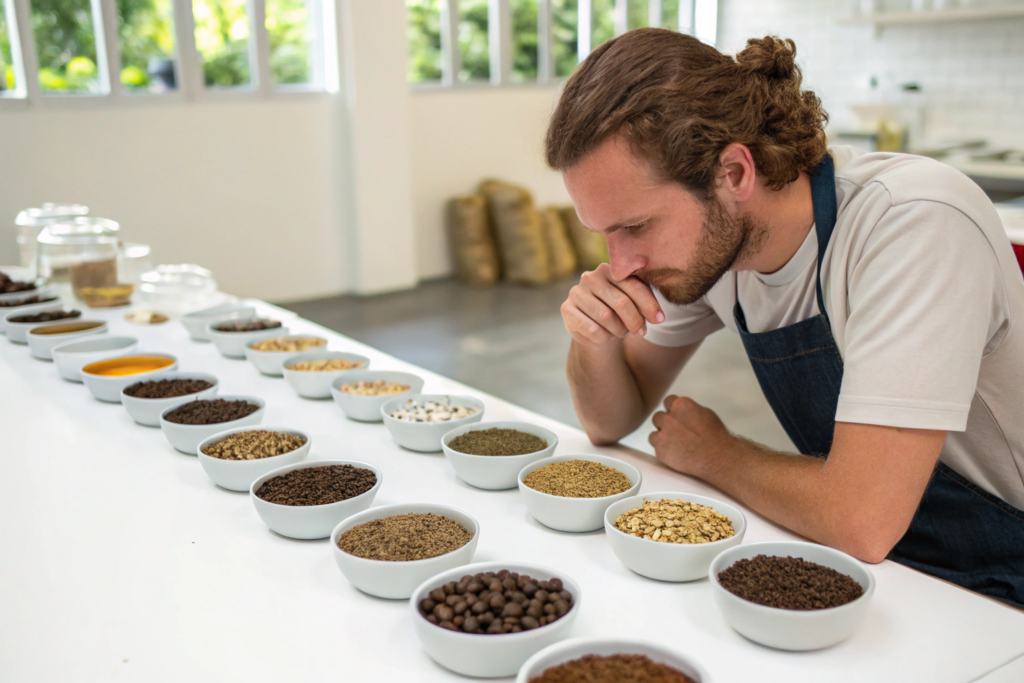
Buying from many origins is basic risk management. If Brazil has a drought, you can buy more from Vietnam. If Vietnam has too much rain, you can buy from Yunnan. The FAO coffee program shares global production data. The USDA publishes crop reports. I check these reports every month. I also talk to my buyers. I ask what flavors they need. Then I match origins to needs. You do not need ten origins. Three or four is enough. For example, use Brazil for base, Yunnan for clean acidity, Vietnam for body, and Ethiopia for fruit. That mix gives you options. It also keeps your price stable. So, start small. Add one new origin each year. Test it. Then scale it.
How Do New Coffee Varieties Help?
New varieties can resist heat, drought, and disease. They can also taste good. That is the goal. The Alliance of Bioversity International and CIAT develops climate-resilient crops. The Global Coffee Platform promotes better farming. I have tested Catimor in Yunnan. It handles disease better than some old types. It has a strong body. It works well in blends. But not every new variety is right for every farm. You need to test. You need to cup. You need to check yield. So, ask your supplier about their varieties. Ask why they chose them. Ask how they perform in hot years. A supplier who knows this is a good partner. A supplier who does not is a risk.
What Farming Practices Reduce Climate Risk?
You cannot control the sky. But you can control the farm. Good practices make coffee plants stronger. They hold water. They block heat. They fight pests. That is the solution.
Farming practices that reduce climate risk include shade trees, cover crops, water harvesting, soil health, and integrated pest management. These methods keep the farm cooler, hold moisture, and protect the beans. They also improve quality. When you buy from farms that use these practices, you lower your supply risk.
Honestly, some buyers do not ask about farm practices. They only ask about price. That is a mistake. A cheap coffee from a weak farm may not arrive next year. A slightly higher price from a strong farm may be safer. I have seen this in Yunnan. Farms with shade trees handle dry spells better. Farms with good soil need less water. Farms with records can prove quality. At BeanofCoffee, we train farm teams on these methods. So, what does this mean? It means you should add farm practice questions to your supplier checklist. Ask about shade. Ask about water. Ask about soil. The answers tell you a lot.
| Practice | Climate Benefit |
|---|---|
| Shade trees | Lower temperature |
| Cover crops | Hold soil and water |
| Water harvesting | Save rain |
| Compost | Better soil |
| Pest management | Fewer chemicals |
Can Shade Trees Save Coffee Farms?
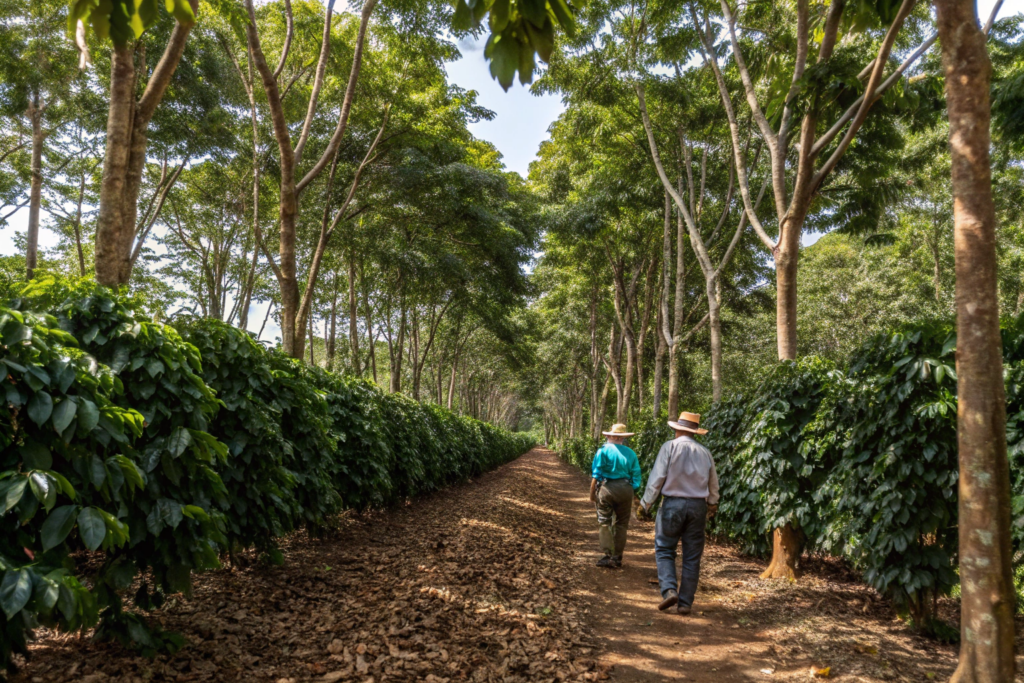
Yes, shade trees help a lot. They cool the air. They block strong sun. They drop leaves that feed the soil. They also give homes to birds and insects that eat pests. The Rainforest Alliance promotes shade-grown coffee. The Conservation International supports climate-smart farming. I have walked farms with shade. The beans are often denser. The plants look healthier. But shade is not simple. You need the right tree. You need the right spacing. Too much shade can lower yield. So, farmers must balance. For your portfolio, ask if the coffee is shade-grown. Ask what trees they use. If the supplier cannot answer, that is a gap. Shade is a low-cost climate tool. It is worth asking about.
How Does Water Management Reduce Risk?
Water is life and risk. Too little water means small beans. Too much water means mold and root disease. Good water management solves both. Farms can build small ponds. They can use drip lines. They can cover soil with mulch. The World Resources Institute studies water risk. The EPA climate indicators show rainfall changes. I ask my farm team to track rain. We store water in the wet season. We use it in the dry season. We also dry beans on raised beds. That keeps them off the wet ground. For your portfolio, ask how the farm handles water. A farm with a plan is safer. A farm with no plan is a gamble. You want safe supply.
How Do Contracts Protect Coffee Buyers?
You can do everything right. You can diversify. You can buy good varieties. But a bad contract can still hurt you. That is the problem. You need terms that protect you when weather changes.
Contracts protect coffee buyers through clear force majeure terms, quality specs, delivery windows, price adjustments, and inspection rights. They also set rules for delays, rejects, and payment. A strong contract does not stop climate risk. But it tells you what happens when risk hits. It keeps both sides honest.
I have seen buyers lose money because the contract was vague. It said "ship in 30 days." It did not say what happens if the port closes. It said "good quality." It did not define moisture or defect count. So, when problems came, no one agreed. That is why I use clear terms. I write down the moisture limit. I write down the screen size. I write down the shipping window. I write down the inspection method. Another way to look at this is trust. A clear contract builds trust. It shows you are professional. So, what does this mean? It means you should review your contract before the season. Do not wait for a crisis.
| Clause | Protection |
|---|---|
| Force majeure | Covers extreme weather |
| Quality specs | Defines acceptable beans |
| Delivery window | Sets clear dates |
| Inspection rights | Allows third-party check |
| Price adjustment | Handles market swings |

What Contract Terms Protect Your Coffee?
Start with force majeure. It should cover drought, floods, storms, and port closures. Next, set quality specs. Include moisture, defects, screen size, and cup score. Then set a delivery window, not a single date. Add inspection rights. You or a third party can check the coffee before shipment. The Trade.gov offers export contract guidance. The U.S. Small Business Administration shares business risk tips. I also add a communication clause. It requires updates every week. This helps you plan. If the supplier misses a date, you know early. So, do not sign a simple one-page contract for a large order. Spend time on the details. It pays off.
Is Climate Insurance Worth the Cost?
Climate insurance can help, but it is not cheap. It may cover crop loss, business interruption, or shipping delays. The cost depends on the risk. The Swiss Re studies climate risk and insurance. The Lloyd's market offers specialty coverage. I think insurance is worth it for large contracts. It is less useful for small orders. You should compare the premium to the risk. Ask what is covered. Ask what is not. Ask how claims work. Many policies have limits. Some do not cover slow onset drought. So, read the fine print. Another option is a shared risk contract. You and the supplier agree to share losses. That can be cheaper than insurance. But it needs trust. So, choose the tool that fits your business.
Conclusion
Climate change is a real risk for your coffee portfolio. But you are not helpless. You can diversify origins. You can choose resilient varieties. You can support climate-smart farms. You can use strong contracts. You can consider insurance. These steps lower your risk. They protect your supply. They protect your margin. I have used them in Yunnan. I have seen them work.
If you want a supplier who tracks climate risk and quality, contact us. BeanofCoffee owns over 10,000 acres in Baoshan, Yunnan. We export Catimor, Arabica, and Robusta to North America, Europe, and Australia. We can share farm data, moisture reports, and shipping plans. For orders or questions, email Cathy Cai at cathy@beanofcoffee.com. She will help you build a safer coffee portfolio.