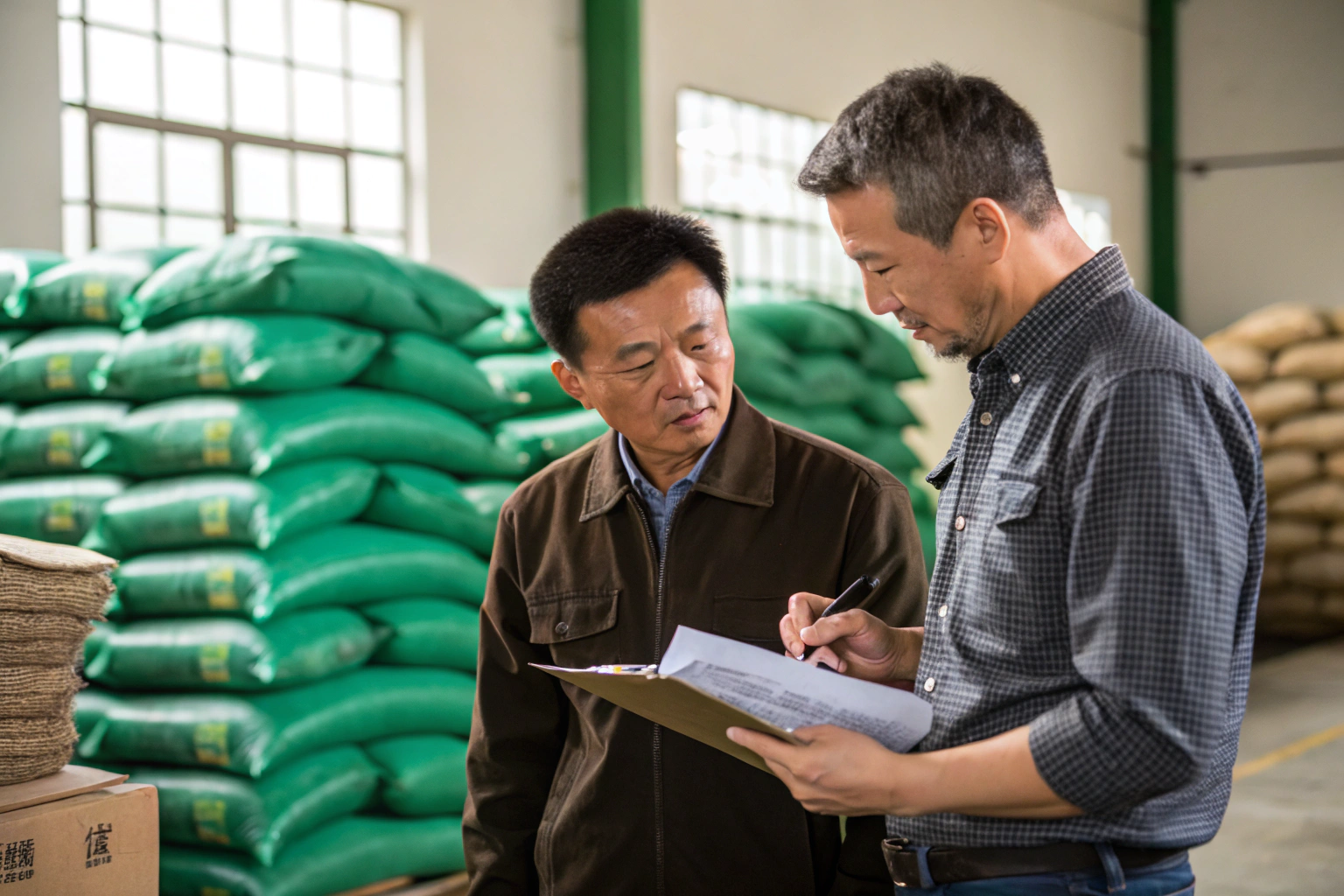
You find a supplier. You like the coffee. You want a better price. But you are new. You have never ordered before. You worry that asking for a discount will make you look cheap. Or worse, it will make the supplier walk away. Ron is 44. He owns a company in America. He cares about price and timeliness. He asked me this exact question last month. He wanted to know how to negotiate a volume discount on his first coffee order. It is a fair question. And it has a fair answer.
To negotiate volume discounts on your first coffee order, you should prepare your numbers, understand the supplier's costs, offer something in return, and ask clearly. You can ask for a discount based on a larger volume, a longer contract, or faster payment. You should also be ready to walk away if the price does not work. But be fair. A first order is a test. A good supplier will work with you if you are serious. So do not ask for a discount without a reason. Give the supplier a reason to say yes.
So, what does this mean for you? It means you should not treat a discount as a gift. Treat it as a trade. You give something. You get something. At BeanofCoffee, we work with buyers who understand this. We give discounts to buyers who help us plan. They give us volume. They give us time. They give us trust. That is how a deal works. Let me show you how to negotiate your first order.
Why Do Suppliers Offer Volume Discounts?
Suppliers are not charities. We do not give discounts because we like you. We give discounts because it helps our business. A larger order lowers our cost per pound. It spreads our fixed costs. It reduces our risk. So we share some of that saving with you. That is the logic. If you understand it, you can use it. Ron asked me why we offer discounts. I told him the truth. We offer them when the order helps us. A bigger volume helps us. A longer contract helps us. A faster payment helps us. A simpler specification helps us. So if you can offer one of those, you can ask for a discount.
Suppliers offer volume discounts because larger orders reduce per-unit costs in production, packaging, logistics, and administration. A full container costs less per pound to handle than a half container. A repeat order costs less to process than a new order. A simple specification costs less to produce than a custom one. So the supplier saves money. A volume discount is a way to share that saving with the buyer. It is not a favor. It is a trade.
Another way to look at this is to compare it to buying coffee at a cafe. A single cup costs more per ounce than a pound of beans. Why? Because the cafe has to handle each cup separately. The same logic works in wholesale. So if you want a discount, help the supplier reduce their cost.
What Costs Does a Larger Order Reduce?
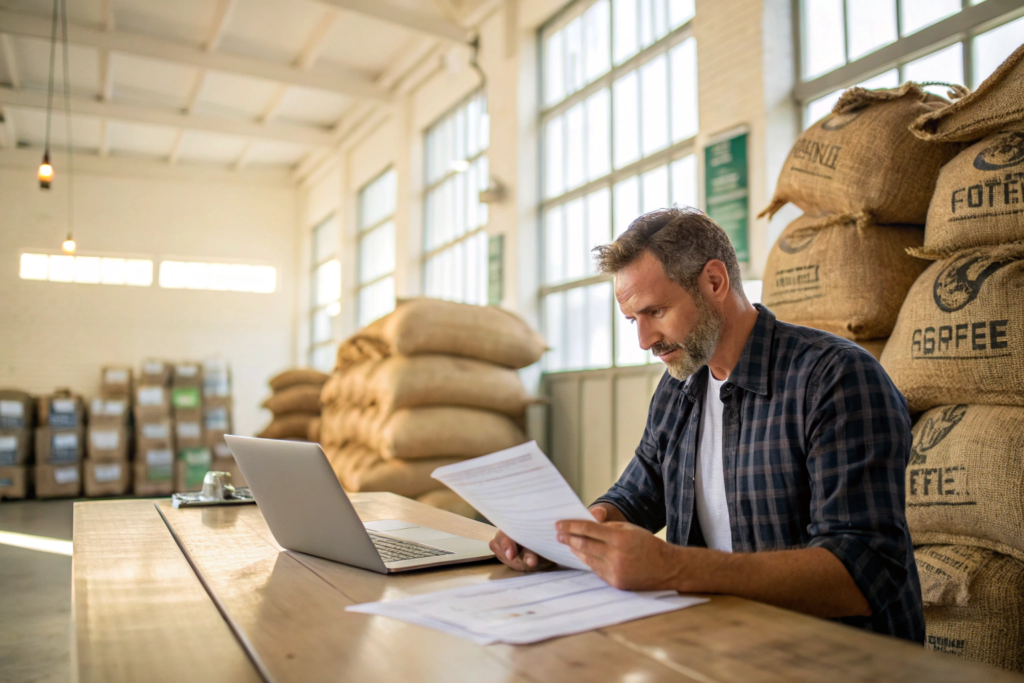
A larger order reduces several costs. It reduces the cost of setting up the mill. It reduces the cost of packing. It reduces the cost of trucking. It reduces the cost of export documents. It reduces the cost of booking freight. Each of these has a fixed part. A larger order spreads that fixed part over more pounds. That lowers the cost per pound. The International Coffee Organization tracks global trade costs and market trends. The Trade.gov site offers export and import guidance. I use these when I explain costs to buyers. A supplier who understands these costs can explain a discount. A supplier who does not may just say no. So ask for the reason. Then decide.
I also tell buyers to ask about the minimum order. A supplier may have a minimum volume for a discount. If you can meet it, you get the discount. If you cannot, you may not. So ask early. Then plan.
How Does Order Size Affect Shipping and Packaging?
Order size affects shipping and packaging in a big way. A full container uses space better than a partial container. A full container also costs less per pound to ship. Packaging works the same way. A large order of the same bag size costs less per bag than a small order with many sizes. The Freightos index shows freight rate trends. The Maersk site shares supply chain and container information. I use these when I quote a buyer. A discount that reflects the real saving is fair. A discount that does not is not. So ask for the number. Then check it.
For Ron, this means he should consider a full container instead of a half container. The saving per pound may be bigger than the discount he asks for. So think about the total cost. Then negotiate. That is the smart way.
How Do You Prepare for a Discount Negotiation?
Preparation is everything. If you walk into a negotiation without numbers, you will lose. I have seen buyers ask for a discount with no idea what a fair price is. They just say "can you do better?" That is not a negotiation. That is a wish. So prepare. Know your target. Know your limit. Know your alternatives. Then talk. Ron learned this the hard way. He once asked for a 20% discount on a first order. The supplier laughed. He did not get the discount. He also did not get the order. Now he prepares. He asks for a fair number. He gets it.
You prepare for a discount negotiation by knowing your target price, your maximum price, your volume, your payment terms, and your alternatives. You should also know the market price, the supplier's costs, and the value you bring. Then you can ask for a specific discount with a clear reason. A specific ask is more likely to succeed than a vague ask. So do your homework. Then make your offer.
So, what should you do? Build a simple sheet. List the supplier's price. List your target price. List the volume. List the payment terms. Then compare. That sheet is your map. Without it, you are lost.
What Numbers Should You Know Before You Negotiate?
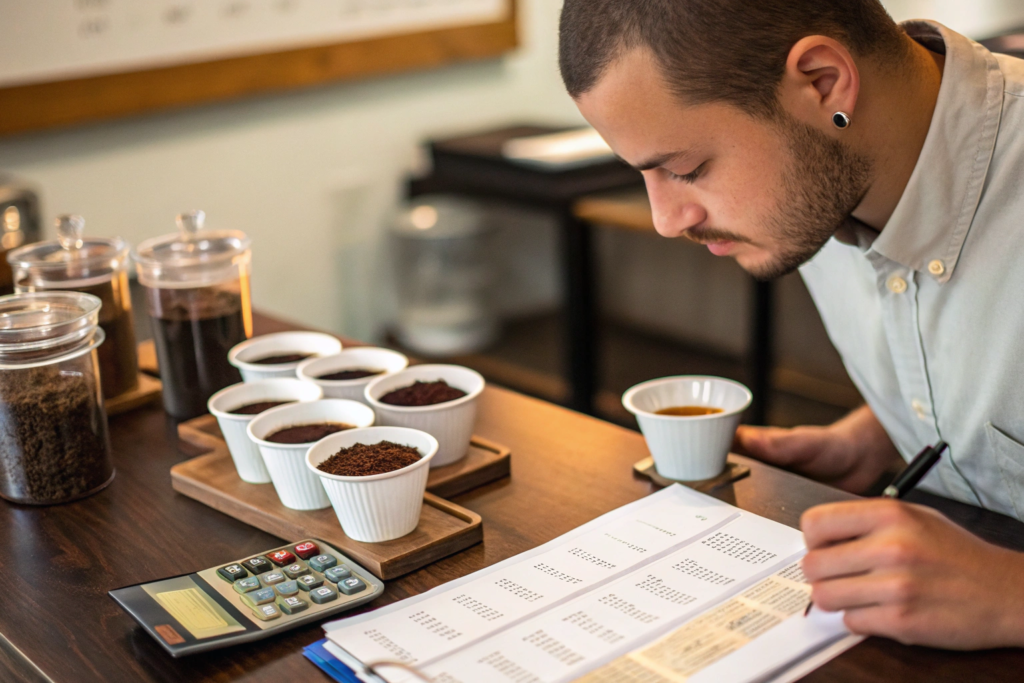
You should know five numbers. Your target price. Your maximum price. Your order volume. Your payment terms. Your alternative supplier's price. The USDA Foreign Agricultural Service publishes coffee production and trade data. The World Bank commodity markets share price and market outlooks. I use these when I advise buyers. A buyer with numbers is a buyer with power. A buyer without numbers is a buyer with hope. So get the numbers. Then negotiate.
I also tell buyers to know the basis. The ICE price is a benchmark. Your price may be higher or lower. Know why. Then you can argue for a better basis. That is how you get a discount. That is how you win.
How Do You Research Fair Market Prices for Coffee?
You research fair market prices by checking the ICE price, the origin differential, the freight rate, and the current supply. You can also ask other buyers. The ICE Coffee C futures page shows the benchmark price. The Cepea publishes Brazilian coffee prices. I use these when I quote a buyer. A fair price is not the lowest price. It is the price that works for both sides. So research. Then decide.
For Ron, this means he should check the ICE price before he calls me. He should know the current market. Then he can ask a fair question. That is how he gets a fair answer. So do the same. Then call.
What Discount Can You Ask for on a First Order?
First orders are tricky. The supplier does not know you. You do not know the supplier. Trust is low. So the discount is usually smaller. I tell buyers to ask for a small discount on the first order. Then ask for more on the second. That is the safe path. A 2% to 5% discount is common for a first order if you buy a full container. A 1% to 2% is common for a smaller order. But it depends. If you pay early, you can ask for more. If you sign a longer contract, you can ask for more. So match the ask to the offer.
You can ask for a 2% to 5% discount on a first order if you buy a full container, pay a larger deposit, or commit to a repeat order. You can ask for a smaller discount on a partial container. The exact number depends on the supplier's margin, the market, and your value as a buyer. Do not ask for 20%. That is not realistic. Do not ask for nothing. That is not business. Ask for a fair number with a clear reason.
So, what should you do? Ask for a specific number. Say, "If I buy a full container and pay 50% upfront, can you do 3% off?" That is a clear ask. The supplier can say yes or no. Either way, you learn. Then you decide.
How Does Payment Timing Affect Your Discount?
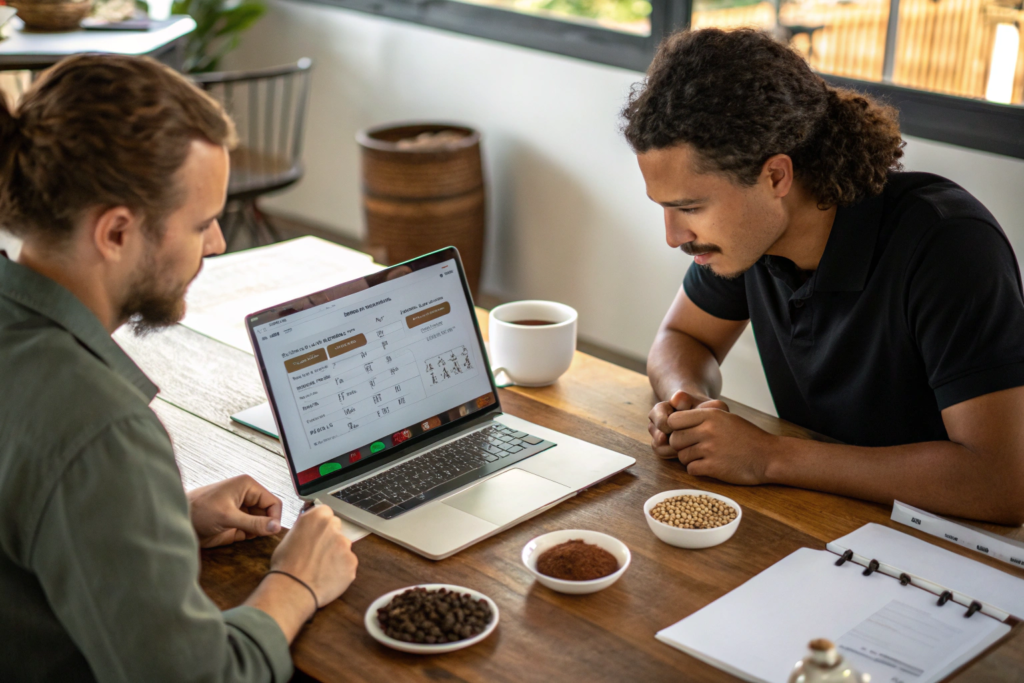
Payment timing affects your discount because it affects the supplier's cash flow. A supplier who gets paid early can buy coffee earlier. They can pay farmers faster. They can avoid loans. That saves money. So they can share some of that saving with you. The Sinosure website explains export credit insurance. The People's Bank of China shares monetary policy and small business support information. I use these when we discuss payment terms. A buyer who pays early is a valuable buyer. So ask for a discount. Then offer to pay early. That is a fair trade.
I also tell buyers to ask about the deposit. A larger deposit reduces the supplier's risk. A larger deposit can earn a discount. So offer it. Then ask. That is how you get a better price.
What Non-Price Concessions Can You Ask For?
You can ask for non-price concessions. Free samples. Free storage. Faster shipping. Better bags. Free insurance. These cost the supplier less than a price cut. But they may be worth more to you. The SGS coffee inspection page shows how third parties verify quality. The Intertek coffee page shows testing services. I use these when I negotiate with buyers. A free sample is cheap for me. It is valuable for you. So ask for it. Then use it. That is how you win without a price cut.
For Ron, this means he should not focus only on the price. He should ask for free samples. He should ask for faster shipping. He should ask for better packaging. These concessions may save him more money than a 2% discount. So think broadly. Then negotiate.
How Do You Build a Long-Term Deal Instead of a One-Time Discount?
A one-time discount is nice. A long-term deal is better. I have seen buyers fight for a 5% discount on one order. Then they disappear. They lose the relationship. They lose the trust. They lose the better price on the next order. So do not focus on the first order. Focus on the relationship. A long-term contract gives you a better price. It gives you priority shipping. It gives you stability. That is worth more than a one-time discount. So ask for a contract. Then negotiate the terms.
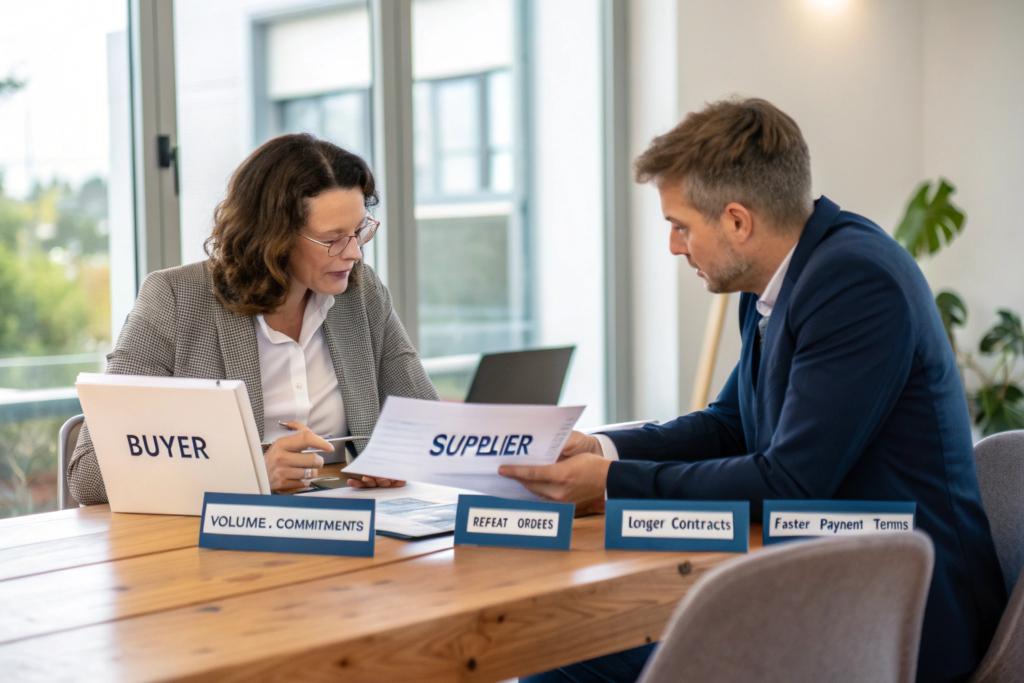
You build a long-term deal by offering volume commitments, repeat orders, longer contracts, and faster payment. You should also be a good partner. Pay on time. Communicate clearly. Solve problems together. A supplier who trusts you will give you a better price. A supplier who does not will not. So build the relationship. Then ask for the discount. That is how you get the best price. That is how you build a stable supply.
So, what should you do? After the first order, ask for a contract. Start with one year. Then grow it. A contract protects you. It protects the supplier. It sets the price. It sets the volume. It sets the quality. So ask for it. Then sign it. That is how you win.
What Should Be in a Long-Term Coffee Supply Contract?
A long-term coffee supply contract should include the product spec, the volume, the price mechanism, the quality standard, the payment terms, the shipping window, the inspection method, and the dispute resolution process. The Rainforest Alliance explains sustainability and certification standards. The Fairtrade website explains fair trade standards. I use these when we draft contracts. A clear contract prevents arguments. It also sets the standard. So write it. Then sign it. Then follow it. That is how you keep the buyer.
I also tell buyers to ask for a price mechanism. A fixed price is simple. A floating price is flexible. A price range is a compromise. Choose the one that fits your market. Then write it down. That is how you avoid a surprise.
How Do You Maintain a Good Relationship with Your Supplier?
You maintain a good relationship by communicating clearly, paying on time, giving feedback, and solving problems together. The Daily Coffee News covers market trends and origin news. The Perfect Daily Grind shares practical coffee business guides. I use these when I train our sales team. A good relationship is not about being friends. It is about being reliable. A reliable buyer gets the best price. A difficult buyer gets the standard price. So be reliable. Then ask for the discount. That is how you win.
For Ron, this means he should pay on time. He should give feedback. He should visit the farm if he can. These actions build trust. Trust builds discounts. So do them. Then watch your price improve.
Conclusion
Negotiating volume discounts on your first coffee order is not about being aggressive. It is about being prepared. Know your numbers. Know the supplier's costs. Offer something in return. Ask for a fair discount. Build a long-term relationship. A one-time discount is small. A long-term partnership is big. So focus on the relationship. Then ask for the price. That is how you win. That is how you build a stable coffee supply. And that is how you turn a first order into a lasting business.
At BeanofCoffee, we work with buyers to find fair prices. We own more than 10,000 acres in Baoshan City, Yunnan. We export Catimor, Arabica, and Robusta. We work with large buyers, brand owners, distributors, and trading companies. We offer volume discounts for full containers and long-term contracts. If you want to negotiate your first coffee order, please contact Cathy Cai at cathy@beanofcoffee.com. She will help you with samples, pricing, specifications, and volume terms. You can also visit BeanofCoffee to learn more. Let us find a fair deal together.