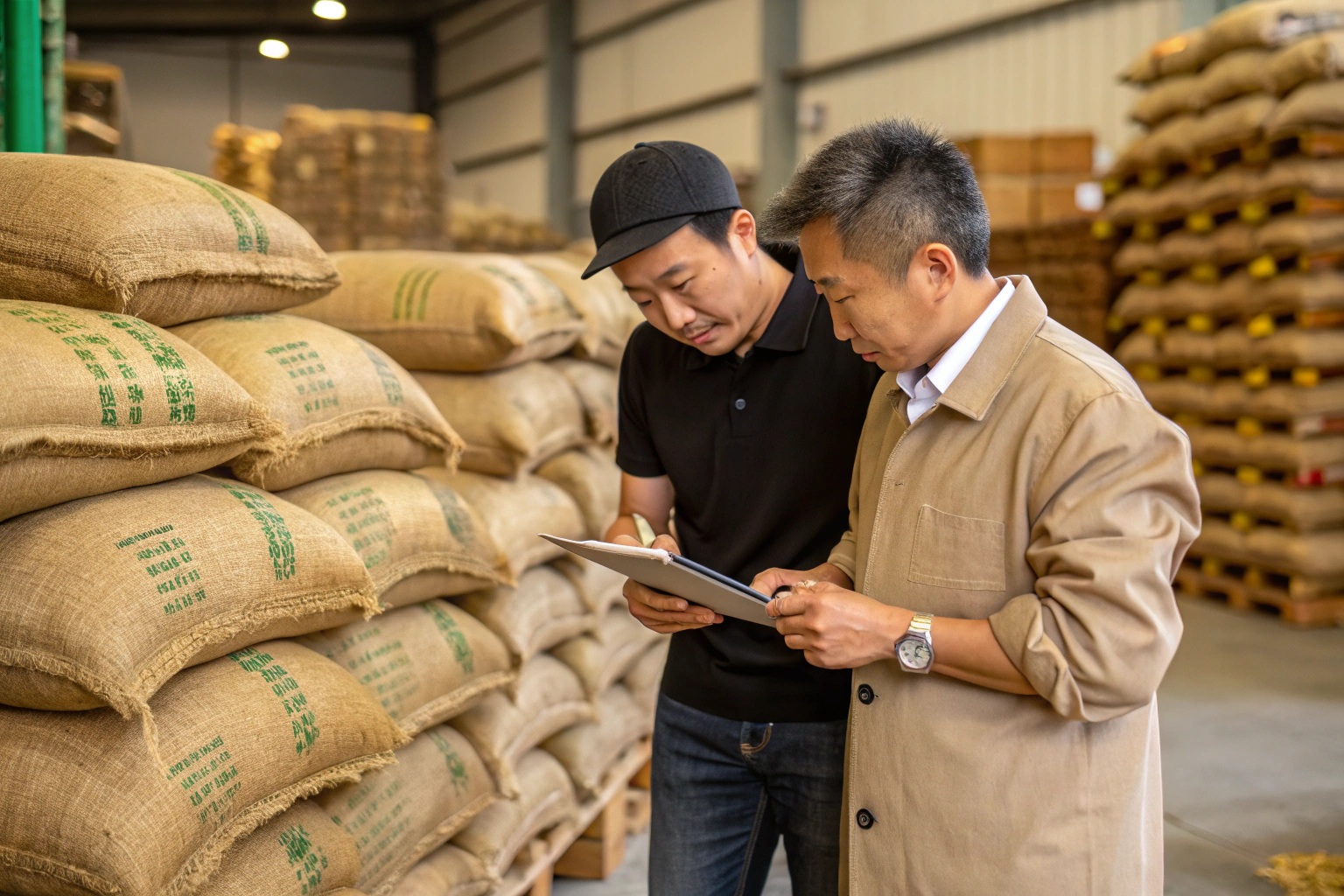
You buy fresh crop. You roast it. You cup it. Something is missing. The acidity is sharp. The body is thin. The sweetness is hidden. You wonder if you chose the wrong lot. Maybe you did not. Maybe the coffee just needs time. That is where aged green coffee comes in. I run BeanofCoffee, a coffee exporter in Yunnan, China. We own more than 10,000 acres in Baoshan City. We sell Catimor, Arabica, and Robusta. We ship to North America, Europe, and Australia. I have seen roasters pay more for old crop. Not because it is cheap. Because it tastes different.
Some roasters prefer aged green coffee because aging reduces acidity, softens harsh notes, builds body, and creates deep sweetness. Aged green coffee is not old or spoiled coffee. It is coffee stored deliberately under controlled conditions for one to five years. The result is a different cup. It is often smoother, heavier, and more chocolatey. So aging is a tool. Not a defect.
But aging is risky. If moisture rises, mold grows. If storage is poor, the coffee dies. So you need to know what you are doing. Let me explain.
What Is Aged Green Coffee?
Fresh coffee is the default. Everyone wants new crop. But some roasters ask for old crop. Not because it is cheap. Because it tastes different. I have seen a roaster pay more for a three-year-old lot. He wanted the body. He wanted the chocolate. He did not want the bright acidity. That is the point. Aging changes the coffee. It is not a mistake. It is a choice.
Aged green coffee is raw coffee stored in a controlled environment for an extended period, usually one to five years. It is different from fresh crop because the bean has time to rest, oxidize slowly, and lose some moisture. The flavor shifts from bright and acidic to smooth and deep. It is not the same as stale coffee. Stale coffee is damaged. Aged coffee is transformed.
The key is control. Temperature. Humidity. Airflow. Cleanliness. A warehouse that is too wet will ruin the coffee. A warehouse that is too dry will dry it out. So aging is a skill. Not an accident.
How Is Aged Coffee Different from Fresh Coffee?
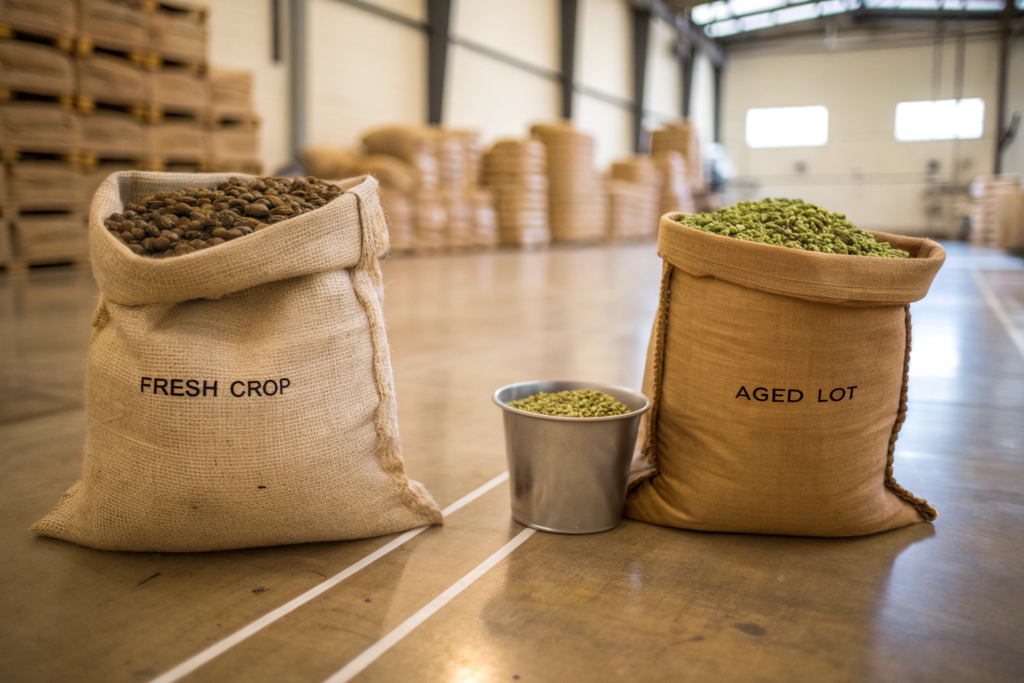
Aged coffee is different from fresh coffee in moisture, acidity, and body. Fresh coffee usually has higher moisture, sharper acidity, and more floral or fruity notes. Aged coffee usually has lower moisture, softer acidity, and more chocolate, nut, and earthy notes. The International Coffee Organization tracks global coffee quality and trade. The Specialty Coffee Association explains cupping and quality standards. I use these when we compare lots. A fresh lot can taste bright and lively. An aged lot can taste smooth and heavy. Both can be good. It depends on what you want. If you roast for espresso, aged coffee can help. If you roast for filter, fresh coffee may be better. So match the age to the brew.
I also tell buyers to cup side by side. Do not guess. Taste the difference. Then decide. That is how you learn.
Which Origins Age Best for Roasters?
Some origins age better than others. Dense beans age well. High-altitude beans age well. Natural process beans often age well. Washed beans can age too, but they change more slowly. The Perfect Daily Grind shares practical processing and aging guides. The Daily Coffee News covers origin and market trends. I use these when we plan our aged lots. In Yunnan, our Catimor and Arabica can age well if the moisture is right. A dry lot with good density can hold for years. A wet lot will fail. So origin matters. But moisture matters more.
For Ron, this means he should ask about moisture before he buys an aged lot. A low moisture number is a good sign. A high number is a warning. So ask. Then check.
Why Does Aging Change Coffee Flavor?
Aging changes flavor because the bean is alive. It breathes. It reacts. It changes. I have seen a lot taste grassy in year one. Then taste sweet and nutty in year three. Same farm. Same process. Different time. That is the magic of aging. But it is not magic. It is chemistry. And chemistry follows rules.
Aging changes coffee flavor through slow oxidation, moisture loss, and enzyme activity. The bright acids break down. The sugars concentrate. The oils change. The body builds. The result is a softer, deeper cup. But if moisture drops too low, the coffee can taste flat. If moisture rises too high, mold can grow. So the change is good only when the storage is controlled.
So, what does this mean for you? It means you should not age coffee by accident. You should age it on purpose. Check the moisture. Check the temperature. Check the smell. Then decide. That is how you get the good change. Not the bad one.
What Chemical Changes Happen During Aging?
Several chemical changes happen during aging. Chlorogenic acids break down. This reduces bitterness and acidity. Sugars react and concentrate. This adds sweetness and body. Lipids oxidize. This can add earthy notes. Moisture moves between the bean and the air. This changes texture and roast behavior. The Roast Magazine shares roasting and green coffee science. The Barista Hustle explains coffee chemistry and extraction. I use these when we train our QC team. A slow change is good. A fast change is risky. So control the speed. Then control the cup.
I also tell buyers to taste the coffee every six months. A small change is normal. A big change is a warning. So taste. Then record. That is how you track the aging.
How Does Moisture Affect Aged Coffee Quality?
Moisture is the most important number in aged coffee. If moisture is too high, mold grows. If moisture is too low, the coffee dies. The safe range is narrow. Most aged coffee sits between 9% and 11% moisture. The SGS coffee inspection page shows how third parties test moisture and quality. The Intertek coffee page shows testing services for coffee. I use these when we prepare our aged lots. A moisture meter is cheap. A moldy lot is expensive. So measure every month. Then adjust. That is how you keep the coffee alive.
For Ron, this means he should ask for monthly moisture readings. A supplier who measures is a supplier who cares. A supplier who does not may surprise you. So ask. Then check.
How Do Roasters Age Green Coffee Safely?
Safe aging is not a dark room and a pile of bags. It is a system. I have seen a roaster try to age coffee in a damp basement. The coffee grew mold. He lost the lot. He also lost his money. So do not copy that. Safe aging needs dry air, stable temperature, clean bags, and regular checks. It is not hard. But it is not free.
Roasters age green coffee safely by controlling temperature, humidity, airflow, and cleanliness. The ideal conditions are cool, dry, dark, and stable. Temperature should stay between 15°C and 20°C. Humidity should stay between 50% and 60%. Air should move, but not too much. Bags should be clean and off the floor. The coffee should be checked every month. If moisture rises, act fast. If mold appears, reject the lot. Safe aging is a habit.
So, what should you do? Build a storage log. Write down the date, the temperature, the humidity, and the moisture. Then review it. That log is your proof. It is also your warning. So use it.
What Storage Conditions Prevent Mold?
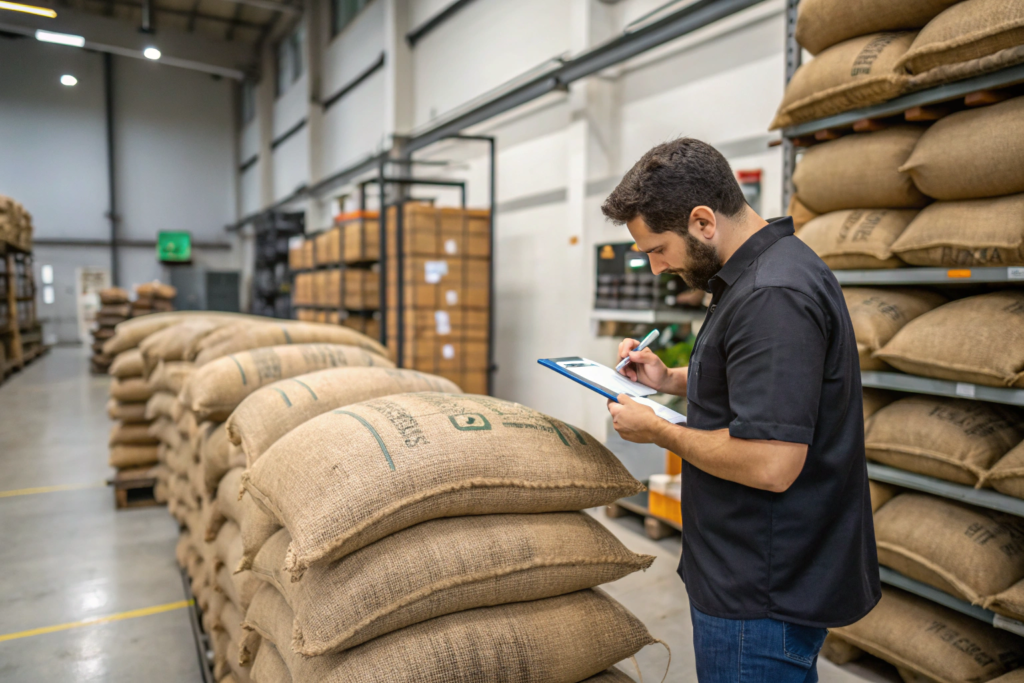
Storage conditions that prevent mold are low humidity, stable temperature, clean bags, and good airflow. Mold needs water. If you keep the coffee dry, mold cannot grow. The GrainPro site explains hermetic storage liners for coffee. The Global Coffee Platform shares sustainable coffee practices. I use these when we plan our own storage. A sealed liner can help. A desiccant can help. But nothing helps if the coffee is already wet. So start dry. Then protect it. That is the rule.
I also tell buyers to avoid storing coffee near chemicals, fuel, or strong smells. Coffee absorbs everything. A bag of coffee next to a drum of oil will smell like oil. So keep it separate. Then keep it safe.
How Do You Test Aged Coffee Before Roasting?
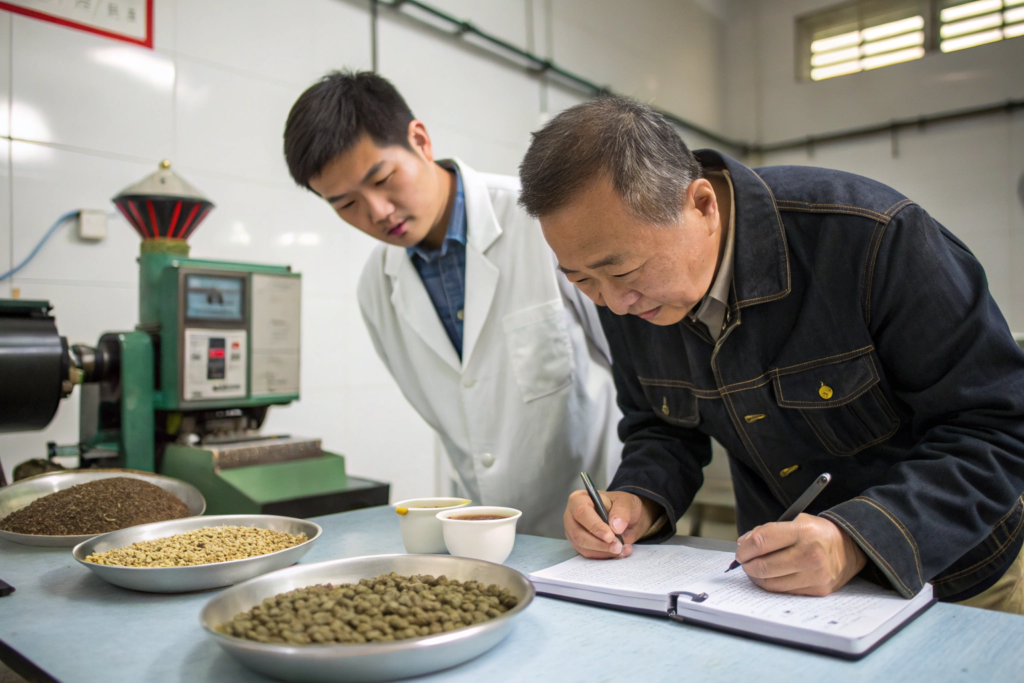
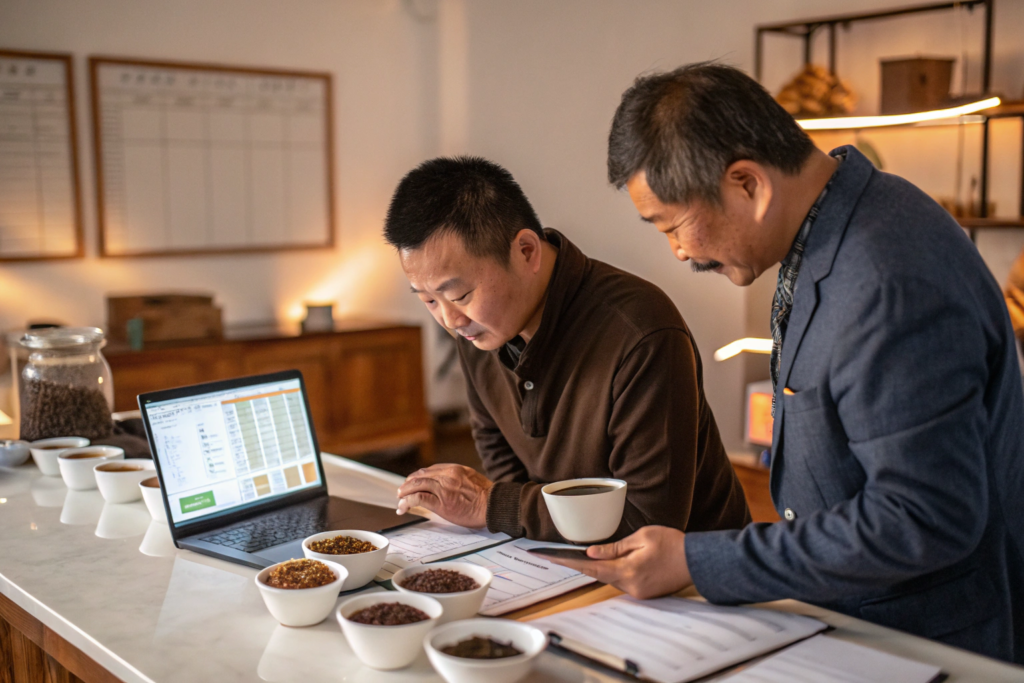
You test aged coffee before roasting by checking moisture, smell, appearance, and cup. First, measure moisture. Second, smell the beans. Third, look for mold, discoloration, and insects. Fourth, roast a small sample. Fifth, cup it. The Coffee Quality Institute shares quality evaluation training. The Coffee Review shares cupping and grading information. I use these when we review our aged lots. A small roast test saves a big mistake. So test. Then decide.
For Ron, this means he should ask for a pre-shipment sample. Then roast it. Then cup it. If the cup is good, buy. If not, walk away. That is how you use aged coffee safely.
When Should You Buy Aged Green Coffee?
Aged coffee is not for everyone. It is not for every menu. It is not for every customer. So when should you buy it? When you need body. When you need low acidity. When you need a chocolate note. When you blend. When you make espresso. That is when aged coffee shines. I have seen a roaster use aged Yunnan coffee in an espresso blend. The body improved. The sweetness improved. The bitterness dropped. The customers noticed. That is the value.
You should buy aged green coffee when you want softer acidity, heavier body, and deeper sweetness. It works well in espresso blends, dark roasts, and cold brew. It also works well as a small part of a filter blend. It does not work well as a bright single origin for pour-over. So match the coffee to the brew. Then decide. A small test lot is the best way to start.
So, what should you do? Buy a small lot. Roast it. Cup it. Then decide. Do not buy a full container of aged coffee before you test it. That is too much risk. Start small. Then grow.
Which Roast Styles Work Best with Aged Beans?
Aged beans work best with medium-dark, dark, and espresso roasts. They also work well in cold brew. The lower acidity and higher body hold up to darker roasting. The National Coffee Association shares coffee market and consumption data. The Tea & Coffee Trade Journal covers roasting and market trends. I use these when we advise buyers. A light roast can make aged coffee taste flat. A dark roast can bring out the chocolate and nut notes. So match the roast to the bean. Then cup it. That is how you get the best result.
For Ron, this means he should test aged coffee in his espresso blend. He should test it in his cold brew. He should test it in his dark roast. Then decide. That is how he finds the right use.
How Do You Price and Sell Aged Coffee?
You price aged coffee by adding the storage cost to the green coffee cost. Storage costs money. It ties up cash. It takes space. It needs monitoring. So the price should reflect that. You can also sell aged coffee as a premium product. Tell the story. Explain the process. Share the cup profile. The Trade.gov site offers export and import guidance. The FDA prior notice page explains food import rules. I use these when we prepare our export files. A story adds value. A proof point adds trust. So use both. Then sell.
I also tell buyers to ask for the age. One year. Two years. Three years. Each age tastes different. Each age costs different. So ask. Then price. That is how you sell aged coffee well.
Conclusion
Aged green coffee is not old coffee. It is coffee stored with purpose. It changes slowly. It loses acidity. It builds body. It adds sweetness. Some roasters love it. Some do not. The key is control. Control the moisture. Control the temperature. Control the storage. Test the cup. Then decide. If you do these things, aged coffee can be a powerful tool. It can improve your espresso. It can improve your dark roast. It can improve your blend. So do not fear it. Understand it. Then use it.
At BeanofCoffee, we help roasters explore aged coffee. We own more than 10,000 acres in Baoshan City, Yunnan. We export Catimor, Arabica, and Robusta. We work with large buyers, brand owners, distributors, and trading companies. We can share moisture data, storage records, and aged samples. If you want to test aged green coffee, please contact Cathy Cai at cathy@beanofcoffee.com. She will help you with samples, pricing, specifications, and shipping plans. You can also visit BeanofCoffee to learn more. Let us find the right age for your roast.