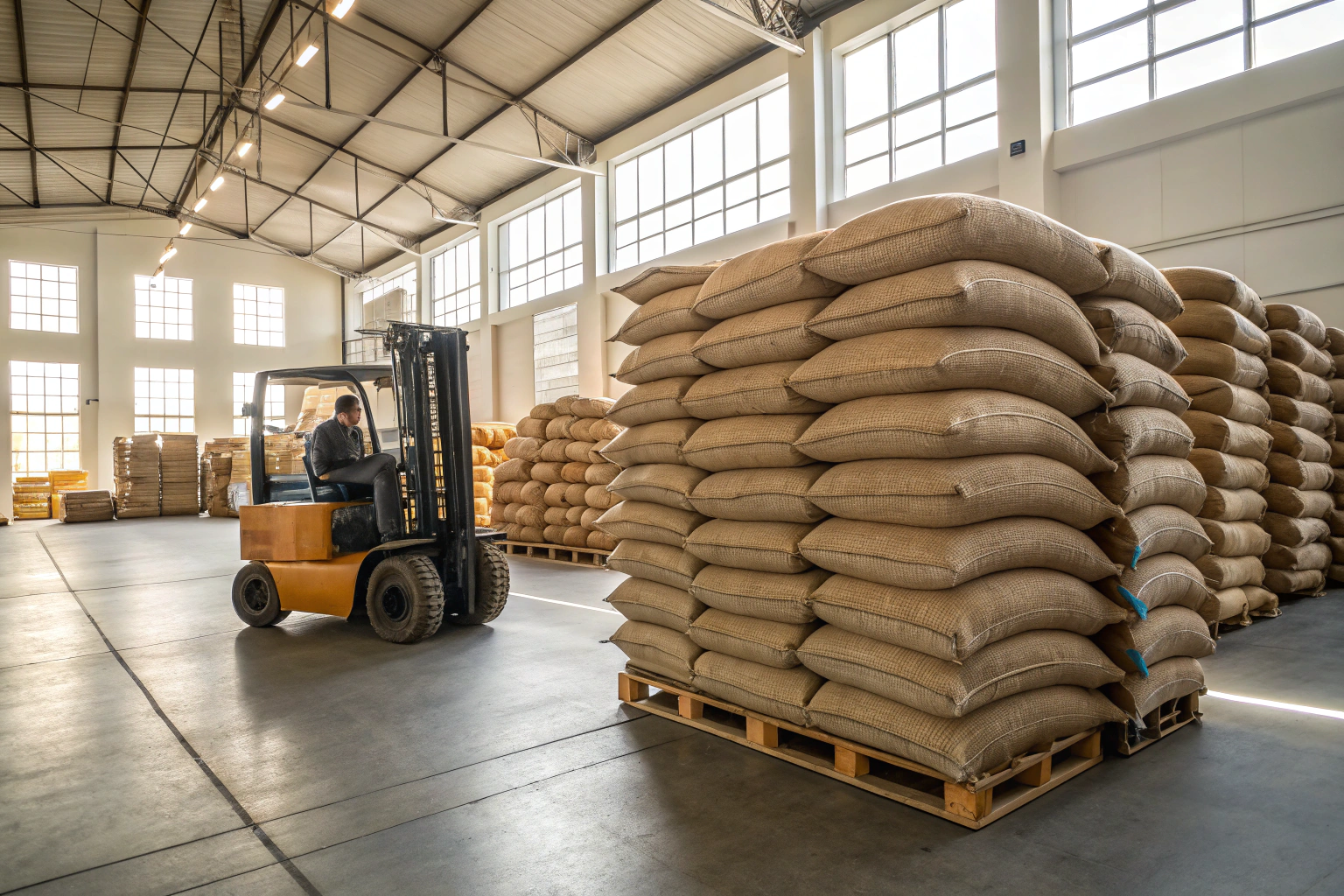
I have been in the coffee business long enough to see both sides of the equation. I have sold coffee by the kilogram to home roasters. I have sold it by the container to large brands. And I can tell you this: buying in bulk changes everything. It is not just about getting a lower price per pound. It changes your business. It changes your supply chain. It changes how you think about inventory. When I started exporting, I worked with a lot of small buyers. They would order one bag, maybe two. It was fine. But then I had a client from Europe. He ordered his first container. The process was different. The relationship was different. The whole dynamic shifted. He got better pricing. He got priority on the best lots. And his business grew faster because he had the security of a steady supply. That was when I really understood the power of buying in bulk.
Buying coffee in bulk gives you significant advantages. You get a lower price per kilogram because you eliminate middlemen and reduce shipping costs per unit. You get supply chain stability. When you commit to a large volume, suppliers prioritize your orders. You get consistent quality because you are buying from a single lot, not mixing from different sources. You also gain more control over your inventory planning and roasting schedule. For roasters and brands, bulk purchasing is not just a cost-saving measure. It is a strategic move that builds a stronger, more reliable business.
Let me walk you through what I have learned. I will give you the numbers. I will share stories from my clients. And I will show you how buying in bulk can help your business grow.
Cost Savings and Better Pricing
Let us start with the most obvious advantage. Money. Buying in bulk saves you money. But the savings go deeper than just the per-pound price. You have to look at the whole picture.

How much can you save per pound with bulk orders?
Let me give you some real numbers. For a small order, say one bag of green coffee weighing 60 kilograms, the price might be $6.00 per kilogram. That is a typical price for a small buyer buying from a trading company or an online retailer. For a pallet order, around 600 kilograms, the price might drop to $5.00 per kilogram. That is a 17% saving. For a full container, which is about 19,000 kilograms, the price might be $4.00 per kilogram. That is a 33% saving from the small order price.
Where does that saving come from? It comes from efficiency. When you buy a container, the supplier does not have to repack the coffee into small bags. They do not have to handle multiple small shipments. They do not have to manage dozens of invoices. The freight cost per kilogram is much lower. A full container costs about the same to ship as a partial load. So, if you fill the container, your shipping cost per kilogram drops dramatically.
I have a client in Texas who started buying pallets from us. He was buying one bag at a time from a local importer. He was paying $6.50 per kilogram. When he switched to pallets, his price dropped to $4.80 per kilogram. He was buying 600 kilograms at a time. That saved him over $1,000 per order. He told me that saving paid for his new grinder in six months.
Another client in Canada went from pallets to containers. He was buying one pallet a month. The price was $5.20 per kilogram. He switched to buying one container every two months. The price dropped to $4.20 per kilogram. He saved $1.00 per kilogram on 19,000 kilograms over two months. That is $19,000 in savings. He used that money to hire a new salesperson. His business grew.
There is also the saving on packaging. When you buy green coffee in bulk, it comes in standard 60kg or 70kg grain-pro bags. If you are buying small quantities, you might pay extra for repackaging into smaller bags. That cost is built into the price. When you buy a container, the supplier ships in the standard bags. No extra handling. No extra cost.
How does bulk buying reduce your per-unit shipping cost?
Shipping is a big part of your cost. Whether you are importing from China or buying from a local supplier, the freight cost per kilogram changes with volume.
Think about air freight. If you need coffee fast and you order a small quantity, you might use air freight. The cost can be $5 to $10 per kilogram. That adds up fast. For a bulk order, you use sea freight. A full container from Shanghai to Los Angeles might cost $3,000 to $5,000. That container holds 19,000 kilograms. The shipping cost per kilogram is $0.16 to $0.26. That is a huge difference.
Even if you are buying locally, the same logic applies. A truck can hold a certain amount. If you fill the truck, the cost per kilogram is lower. If you are ordering a small quantity, the supplier has to send a smaller truck or charge you a delivery fee. That cost is passed to you.
I have a client in New York who was buying from a supplier on the West Coast. He was ordering one pallet at a time. The trucking cost was $500 per pallet. He switched to ordering two pallets at a time. The trucking cost was still $500. His shipping cost per pallet dropped by half. He saved $250 per order. Over a year, that was $3,000.
Another angle is consolidation. When you buy in bulk, you can combine your orders. You can bring in a container of green coffee from multiple origins if your supplier offers that service. At BeanofCoffee, we work with partners like Shanghai Fumao to help clients consolidate orders. You can buy Arabica from us, Robusta from another supplier, and ship them together. The freight cost is shared. This makes bulk buying even more efficient.
Supply Chain Stability and Reliability
Price is important. But for many buyers, stability is even more valuable. When you buy in bulk, you get a more reliable supply chain. You are not scrambling to find coffee every month. You are not worrying about running out.
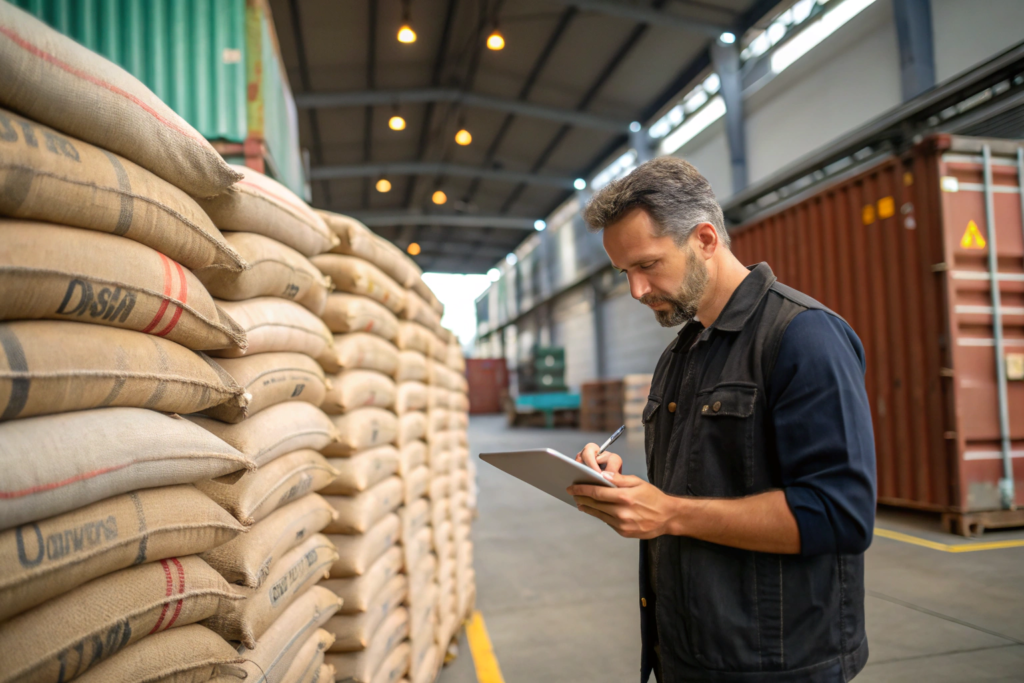
How does bulk buying ensure consistent supply?
When you commit to a large volume, you become a priority customer for your supplier. This is simple human nature. A buyer who orders one pallet a month is important. A buyer who orders a container every quarter is more important. A buyer who signs a contract for five containers over a year is a strategic partner.
What does that mean in practice? It means when the supplier has a limited quantity of a special lot, they offer it to you first. It means when there is a delay in processing, they communicate with you early. It means when there is a shipping issue, they work harder to find a solution for you.
I remember a situation a few years ago. We had a late harvest in Yunnan. The rains came earlier than expected. We had less coffee than usual from one of our farms. We had to allocate our limited supply. Who did we prioritize? Our bulk buyers. The buyers who had signed annual contracts. They got their full allocation. The spot buyers had to wait or find another source. That is the reality of the coffee business. When supply is tight, the buyers who commit to volume get the coffee.
I have a client in Seattle who buys a container from us every two months. He does not have to worry about supply. He knows his coffee is reserved for him. He does not call me asking, "Do you have coffee?" He calls me to talk about new lots or to plan his next order. The supply question is already solved.
Another angle is quality consistency. When you buy in bulk, you are buying from a single lot. The coffee is processed together. It is stored together. It is shipped together. That means every bag in your order is the same. If you are buying small quantities over time, you might get coffee from different lots. The flavor profile might shift. For a brand, that inconsistency is a problem. Bulk buying solves it.
What is the value of long-term supplier relationships?
A bulk order is not just a transaction. It is the beginning of a relationship. When you buy in bulk, you talk to your supplier differently. You are not just asking, "What is your price today?" You are asking, "What is your plan for next season?" You are sharing your own plans. You are building trust.
That trust has real value. It means your supplier is more willing to offer flexible payment terms. Instead of 100% payment upfront, you might get 30% deposit and 70% against documents. Instead of a letter of credit, you might get open account terms after a few orders. This improves your cash flow.
It also means your supplier is more willing to help you when things go wrong. Maybe a shipment is delayed. Maybe the quality is not what you expected. When you have a relationship, your supplier works with you to fix the problem. When you are a spot buyer, they might just say, "Sorry, that is the market."
I have a client in Australia who has been buying from us for five years. He started with one pallet. Now he buys containers. We have a contract. We have fixed pricing for the year. He knows his costs. He knows his supply. When the market price spiked last year, his price did not change. That stability allowed him to grow his business without worrying about cost fluctuations. His competitors who were buying spot had to raise their prices. He did not. He gained market share.
Another example is a client in the UK. He had a shipment that was held up at the port. The paperwork was wrong. He called me. I called our logistics partner. We fixed it within a day. The coffee arrived on time. If he had been a spot buyer from a trading company, he would have had to call a customer service line and wait. The relationship made the difference.
Quality Control and Consistency
When you buy in bulk, you unlock a treasure trove of superior quality control that extends far beyond just better coffee beans. It’s about ensuring every single bean, every batch, meets the highest standards of excellence, resulting in an unparalleled level of consistency that transforms your coffee experience. Imagine sipping a cup where the rich aroma of freshly ground beans—earthy, with hints of dark chocolate and a subtle nuttiness—remains exactly the same whether it’s your morning ritual or an afternoon pick-me-up.
For a coffee brand, this consistency is the very heartbeat of its identity, the invisible thread that weaves trust and satisfaction into every cup. It’s the promise that no matter when or where you enjoy their brew, you’ll be greeted by that familiar, comforting warmth, that perfect balance of acidity and body, that makes each sip feel like a well-kept secret shared between you and the brand.
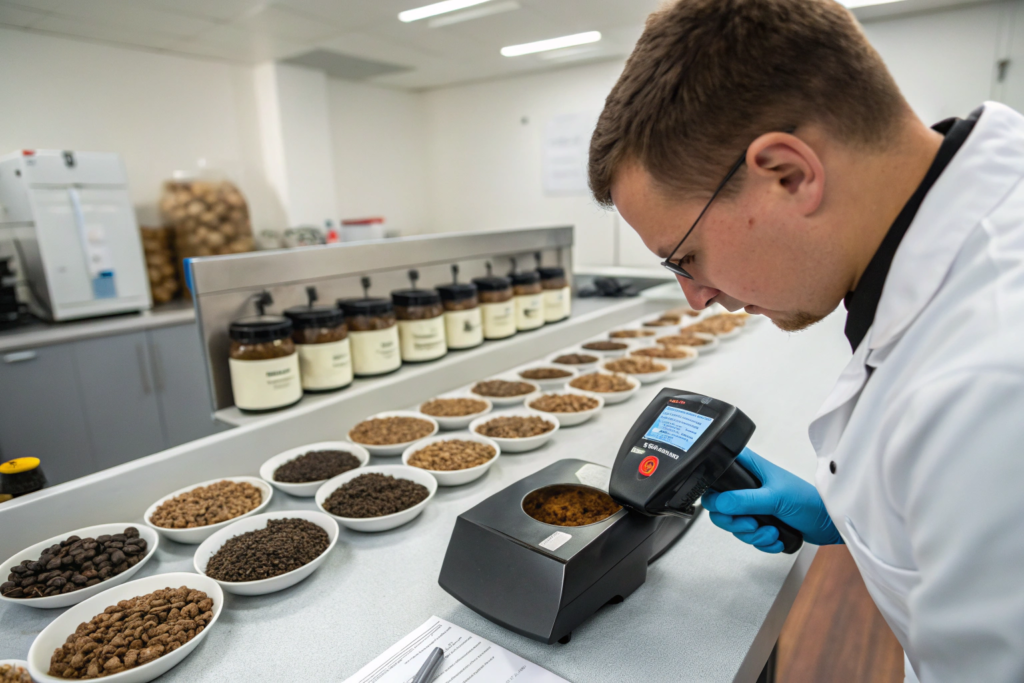
How does bulk buying improve quality consistency?
Let me explain how coffee sourcing works. A farm produces coffee over a harvest season. That season might last two or three months. The coffee from the first week of harvest is different from the coffee from the last week. The coffee from one block of the farm is different from another block.
When you buy a small quantity, you might get coffee from a mix of these lots. The supplier takes what is available. They blend it together. The result is a coffee that is okay, but not consistent. When you buy in bulk, you buy a specific lot. You buy the coffee from one week of harvest. You buy from one block of the farm. That coffee is uniform. It tastes the same from bag to bag.
At BeanofCoffee, we own over 10,000 acres of plantations in Baoshan. We divide our farms into blocks. Each block has its own microclimate. We harvest and process each block separately. When a bulk buyer comes to us, we can offer them a specific block. They know exactly what they are getting. They can build their roast profile around that specific coffee. That consistency is hard to get with small orders.
I have a client in Chicago who roasts our Arabica coffee. He buys a container at a time. He told me that before he switched to bulk buying, he had to adjust his roast profile every month. The coffee changed. He was constantly dialing in his roaster. Now, he roasts the same profile for months. His roaster is efficient. His staff is not stressed. His coffee tastes the same to his customers. That is the value of consistency.
Another angle is traceability. When you buy in bulk, you know exactly where your coffee comes from. You can tell your customers the story. You can say, "This coffee comes from Block 7 on the Li family farm in Baoshan. It was harvested in February. It was processed using the washed method." That story adds value. Your customers appreciate it. They are willing to pay more for coffee with a story.
What role does bulk buying play in certification and compliance?
Certifications matter. Whether it is organic, Rainforest Alliance, or Fair Trade, these certifications require traceability. They require documentation. They require that the coffee is kept separate from non-certified coffee.
When you buy in bulk, you get that separation. The certified coffee is stored separately. It is shipped separately. The documentation is clear. When you buy small quantities, there is a risk of mixing. A supplier might have certified coffee and non-certified coffee in the same warehouse. When they pack a small order, they might not be careful. The certification could be compromised.
At BeanofCoffee, we have Rainforest Alliance certification for many of our farms. When a bulk buyer orders certified coffee, we can provide the documentation. We can show the chain of custody. We can guarantee that the coffee is what we say it is. That is harder to do for small orders.
I have a client in Europe who sells organic coffee. He buys from us in containers. He needs the organic certification for his customers. He told me that when he was buying small quantities from different suppliers, he had to keep track of dozens of certificates. It was a paperwork nightmare. Now, he buys from one supplier. He has one certificate. His life is simpler.
Another aspect is food safety. Buyers in North America and Europe require food safety certifications like ISO 22000 or HACCP. These certifications require that the supplier has a documented system for quality control. When you buy from a supplier who has these certifications, you know the coffee has been handled safely. Bulk buyers often require these certifications. It gives them peace of mind.
Inventory Management and Business Growth
Buying in bulk transforms the very fabric of your business operations, infusing them with a new rhythm and efficiency. It allows you to plan better, turning vague aspirations into concrete, actionable strategies as you map out inventory needs with precision, knowing exactly when and how much to stock to meet demand without waste.
It allows you to grow faster, fueling expansion as reduced per-unit costs free up capital for scaling production, hiring talent, or venturing into new markets, each step forward feeling more assured and purposeful.
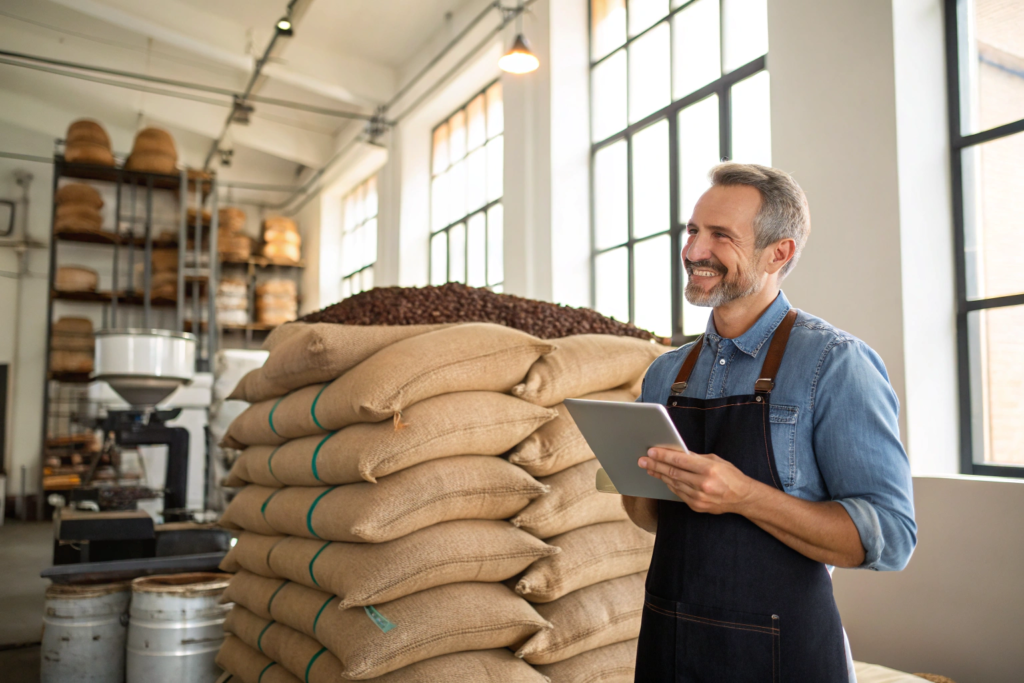
How does bulk buying simplify your inventory planning?
When you buy one bag at a time, you are always ordering. You are always waiting. You never know exactly when the next shipment will arrive. Your inventory is a constant source of stress. When you buy in bulk, you have a clear picture. You know you have enough coffee for the next two months or three months. You can plan your roasting schedule. You can plan your marketing. You can plan your sales.
I have a client in Denver who roasts for wholesale accounts. He buys a container every three months. He knows exactly when the coffee arrives. He schedules his roasting days around that shipment. He tells his sales team, "We have 19,000 kilograms of coffee. We need to sell it in three months." They have a clear target. They know what they are working toward. That clarity helps them sell more.
Another client in Portland uses bulk buying to manage his cash flow. He buys green coffee when prices are low. He stores it in a warehouse. He roasts it as he needs it. He told me that this strategy saved him during a price spike. He had bought coffee at $4.00 per kilogram. The market price went to $6.00. His competitors were paying the higher price. He was not. He kept his prices stable. He gained customers.
Bulk buying also reduces the number of transactions. If you are buying one bag a week, you have 52 transactions a year. If you buy a container four times a year, you have four transactions. Each transaction takes time. You have to send the payment. You have to track the shipment. You have to clear customs. Fewer transactions mean less administrative work. You can focus on roasting and selling.
How can bulk buying help you scale your business?
Scaling a coffee business is hard. You need to grow your customer base. But you also need to have enough coffee to serve them. If you are buying small quantities, you are always at the edge of running out. That limits your growth. You cannot take on a big new account if you are not sure you can supply them.
Bulk buying gives you the capacity to grow. When you have a container of coffee in your warehouse, you have the inventory to take on new customers. You can say yes to that large wholesale account. You can say yes to that new subscription service. You are not worried about running out.
I have a client in Texas who started as a home roaster. He bought a bag at a time from us. He grew. He started buying pallets. Then he bought his first container. He told me that buying the container was a turning point. It forced him to sell. He had to find customers for 19,000 kilograms of coffee. He went out and found them. His business doubled in that year. The container did not just give him coffee. It gave him a goal. It pushed him to grow.
Another angle is product development. When you have a consistent supply of coffee, you can develop products around it. You can create a signature blend. You can build a brand around a specific origin. That is hard to do when your coffee changes every month. Bulk buying gives you the stability to build something lasting.
At Shanghai Fumao, we see this all the time. Our bulk buyers are our most successful clients. They are the ones who grow. They are the ones who build real businesses. They are the ones who come back year after year.
Conclusion
Buying coffee in bulk is not just about saving money. It is about building a stronger business. The cost savings are real. You get a lower price per kilogram. You get lower shipping costs. You reduce waste. But the benefits go beyond the numbers.
You get supply chain stability. When you buy in bulk, you become a priority customer. Your supplier reserves your coffee. You do not have to worry about running out. You get consistent quality. You buy from a single lot. Your coffee tastes the same from bag to bag. You get better traceability. You can tell your customers the story of their coffee.
You get better inventory management. You can plan your roasting schedule. You can plan your sales. You have fewer transactions to manage. You get the capacity to grow. You have the inventory to take on new customers. You have the stability to build a brand.
At Shanghai Fumao, we have seen this play out with our clients. The ones who buy in bulk are the ones who succeed. They grow faster. They are more profitable. They are more resilient. They are the ones who are still here year after year.
If you are ready to move to bulk buying, we are here to help. We own our farms. We control our quality. We have the capacity to supply you with containers of consistent, high-quality coffee. We work with partners like Shanghai Fumao to manage logistics. We can help you plan your inventory. We can work with you on payment terms that fit your business.
Reach out to Cathy Cai. She is our export manager. She works with roasters all over the world. She can help you understand your options. She can send you samples. She can help you plan your first bulk order. Her email is cathy@beanofcoffee.com. Send her a message. Let us talk about how bulk buying can help your business grow.