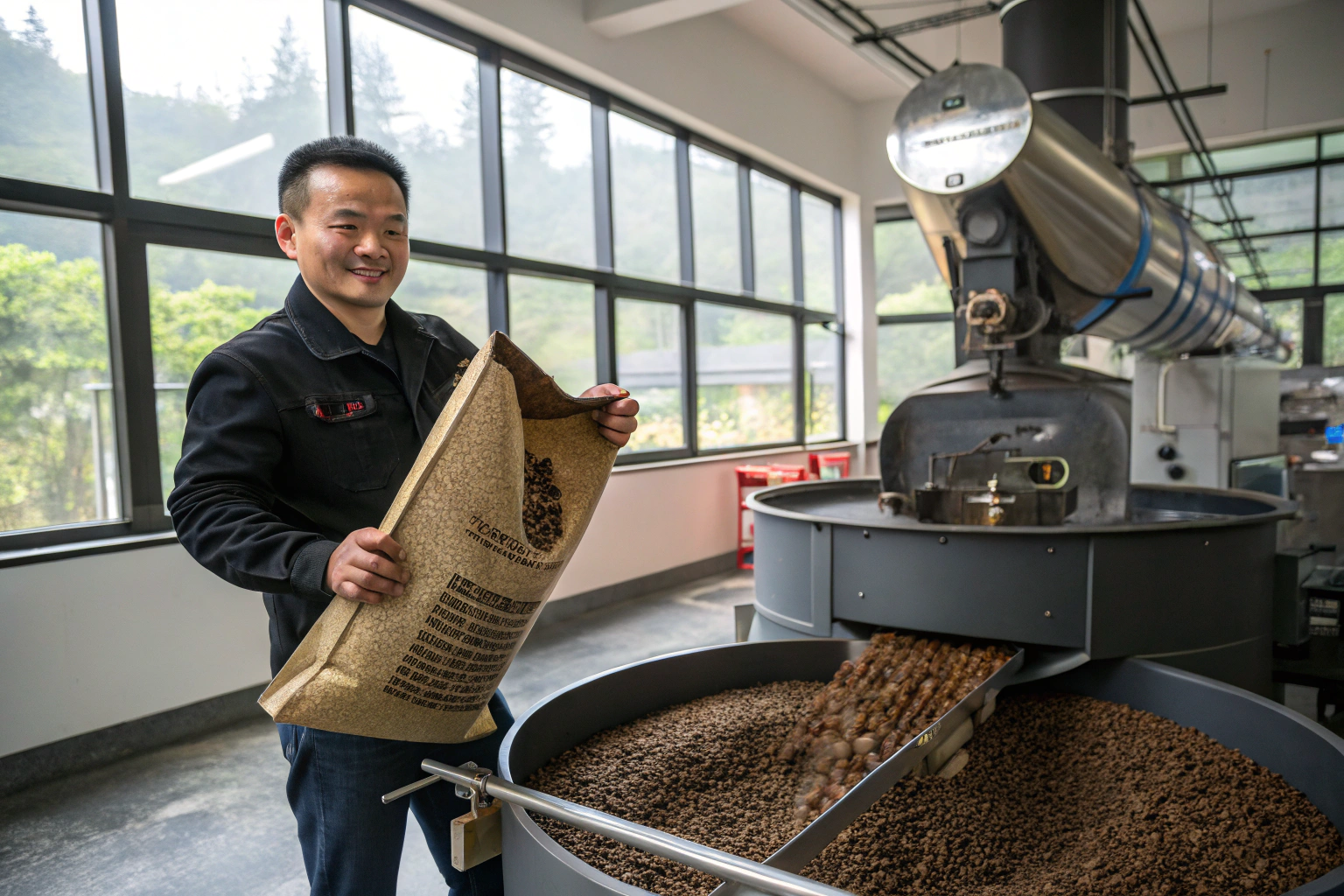
I'll be honest with you. Five years ago, if you told an American coffee drinker their beans came from China, they'd look confused. "China makes coffee?" That was the standard reaction. I saw it at trade shows. I heard it in buyer meetings. But things are changing fast. Yunnan coffee is not a gimmick anymore. It's winning blind cuppings. It's landing on specialty roaster menus. The quality is there. The story is there. The challenge isn't the bean. It's the positioning. You, Ron, are buying premium Arabica from our Baoshan plantation. Your real job starts when the container lands. You have to sell it to a consumer who has zero context for Chinese coffee. And that's actually an advantage, if you frame it right.
The most effective way to market Chinese origin coffee to US consumers is to lead with the discovery narrative rather than a defensive explanation, to anchor the quality through third-party cupping scores and blind tasting comparisons, to visually brand Yunnan as a high-altitude specialty terroir distinct from mass-market perceptions of China, and to position the coffee as an exotic, rare find rather than a cheap commodity alternative.
Nobody in Portland or Brooklyn wakes up craving "Chinese coffee." But they do wake up craving something new, something rare, something they can tell their friends about. Your job is to make Yunnan the answer to a question they didn't know they had. Let me break down the playbook that's working right now.
How Do You Overcome the "Made in China" Coffee Stigma?
This is the first hurdle. It's not rational. It's emotional. When an American hears "China," they don't think of misty mountain farms and hand-picked cherries. They think of factories. They think of mass production. They think of low cost and questionable safety. If you try to fight this head-on with a lecture about Yunnan geography, you lose. You have to sidestep the stigma and redefine the category entirely.
Overcoming the stigma requires avoiding direct comparison with low-cost Chinese manufactured goods and instead framing the coffee within the established specialty language of single-origin, high-altitude, and family-farmed production, while leveraging the sheer novelty of Chinese coffee as a conversation starter.
Don't defend China. Introduce Yunnan. It's a subtle but critical shift. Yunnan is a place, not a manufacturing policy. It has mountains, ancient tea forests, and minority cultures. It has a coffee-growing history that goes back over a century, introduced by French missionaries. That's a story that sounds nothing like a factory floor.
Should You Hide the Origin or Celebrate It?
Never hide it. If a consumer finds out later that you obscured the origin, trust is broken. Instead, celebrate it as a discovery. Use phrases like "The New Frontier of Specialty Coffee" or "The Terroir the Coffee World Overlooked." Position the origin as a badge of exclusivity.
You know, I've seen roasters try to market Yunnan beans under vague labels like "Asian Blend" or "Mountain Reserve." It's a mistake. The consumer who buys specialty coffee is curious. They want a story. China, when presented as an unexpected, high-quality origin, is a far better story than another washed Colombian. It's a conversation piece. People buy conversation pieces to serve at dinner parties. Use that.
How Do You Use the Tea Connection to Build Trust?
This is my favorite angle. Americans trust Chinese tea. They associate it with ancient wisdom, health, and premium quality. Yunnan is the birthplace of Pu-erh tea. The same soil, the same altitude, the same meticulous hand-picking traditions that produce world-class tea also produce our coffee.
I tell my buyers to put this on the bag. "Grown in the Ancient Tea Mountains of Yunnan." It borrows trust from an established category. It creates an immediate mental image of terraced hillsides and careful craftsmanship. The coffee plant and the tea plant share the same terroir. That's not marketing fluff. That's agricultural truth. Use it to bridge the perception gap.
What Stories Sell Yunnan Coffee to the US Specialty Market?
Americans don't buy coffee. They buy stories. A bean is a bean until you wrap a narrative around it. The story of Yunnan coffee is genuinely unique. It's not a copy of a Colombian story. It's its own thing. And the most powerful story isn't about the bean. It's about the people and the place.
The stories that sell Yunnan coffee center on the generational shift from tea to coffee farming, the participation of ethnic minority communities in the harvest, the high-altitude struggle of the plants in the Himalayan foothills, and the dramatic emergence of a new origin on the global specialty stage.
At BeanofCoffee, we work with farmers from the Dai, Yi, and Lisu communities. Their families have farmed these mountains for centuries. They brought their agricultural precision from tea and applied it to coffee. That is a narrative no other origin can offer. It's not just a commodity. It's cultural heritage in a cup.
How Do You Sell the "Discovery" Narrative?
American specialty consumers are explorers. They want to discover the next big thing before their friends do. Yunnan is the perfect discovery. It's new. It's unexpected. It's scoring 85, 86, 87 points in blind cuppings. The story of discovery writes itself.
Frame it as a secret finally revealed. Talk about the French missionaries planting the first trees in the 1890s. Talk about the long period where the beans only went to domestic instant coffee. And then talk about the recent quality revolution. The narrative arc is compelling. Hidden potential, long overlooked, finally unleashed. That's a blockbuster movie plot. And it's true. Put the cupping score on the front of the bag. Let the number tell the objective quality story.
Why Is the Farmer's Face a Powerful Marketing Tool?
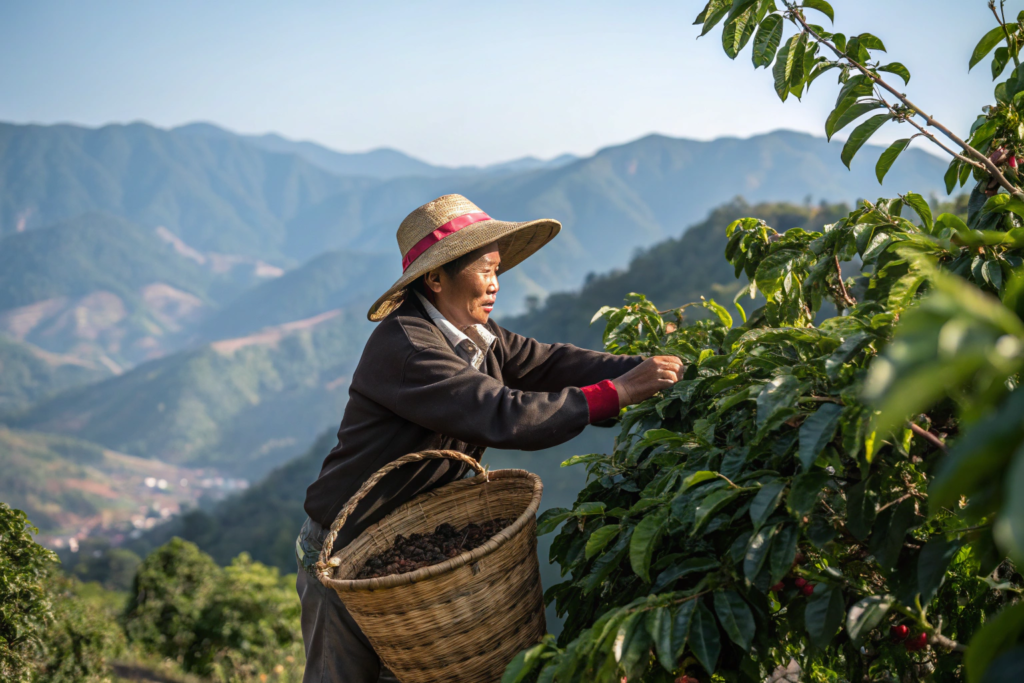
There's a reason direct trade roasters put farmer photos on their bags. It humanizes the supply chain. It builds trust. A consumer sees a smiling woman in Yunnan and thinks, "This is a real person, not a factory." It completely short-circuits the mass-production stigma.
We encourage our buyers to use the photos and stories we provide. Tell them the farmer's name. Tell them what village the coffee came from. Tell them it was picked by hand, on steep slopes, at 1,500 meters. These details build a connection. A connection builds a repeat purchase. When someone drinks your Yunnan Arabica, they're not just drinking caffeine. They're participating in a relationship. That's the essence of specialty coffee marketing.
How Do You Position Chinese Coffee on Price and Quality?
The price-quality equation is where you win or lose in the US market. The old model was simple. Cheap robusta from Asia. Premium arabica from Latin America. That model is dead. Yunnan specialty coffee is not the cheapest option on the table. Nor should it be. If you position it as a budget alternative, you confirm the negative stigma. You have to position it at parity or slight premium to established origins, anchored by objective quality data.
The correct positioning for Chinese specialty coffee is neither a discount option nor an overpriced novelty, but a competitively priced single-origin offering that can beat equivalent Central American lots in blind cuppings while offering a fresher, more unique story.
Your target consumer pays $18 to $22 for a 12-ounce bag of single-origin. They are not price-sensitive in the way a supermarket buyer is. They are value-sensitive. They want to feel the quality justified the spend. Your job is to provide that justification through transparency.
How Do You Use Cupping Scores in Your Messaging?
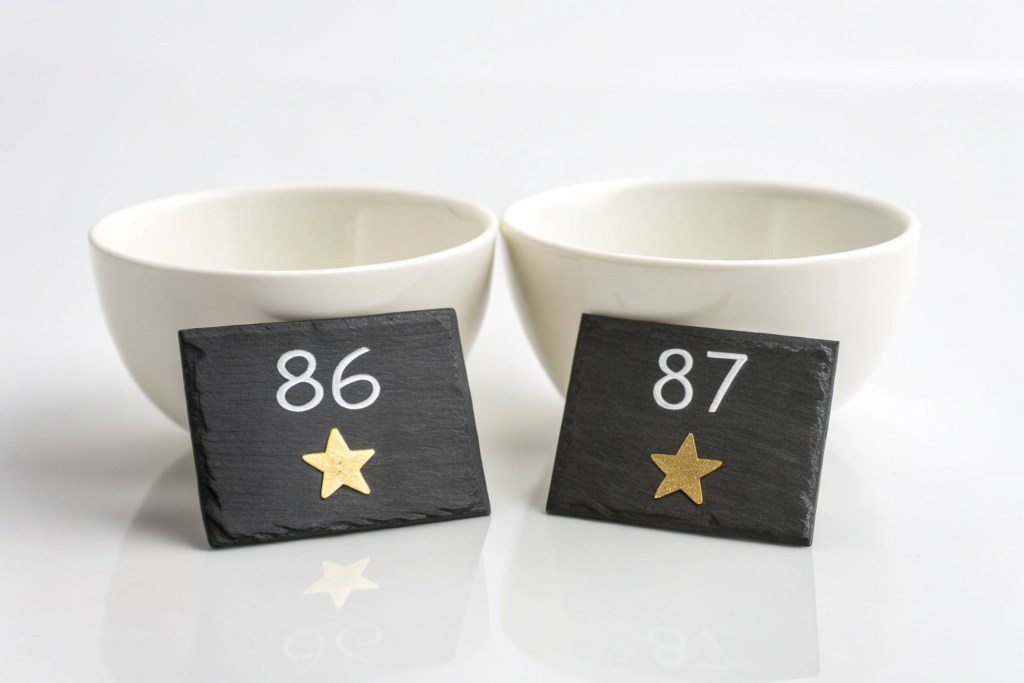
Numbers don't lie. If your lot scored an 86 at an SCA-certified lab, put that number everywhere. On the bag. On the website. On the cafe shelf talker. The American specialty consumer is educated. They know what an 86 means. It's an objective anchor in a sea of subjective marketing claims.
Compare it openly. "This Yunnan Catimor cupped at 86 points, alongside our 85-point Guatemalan." The message is clear. This bean plays in the big leagues. The price should reflect that. Don't apologize for charging $20 a bag. Celebrate that you're offering a world-class product from a new, exciting origin. The price itself becomes a quality signal.
What Is the Right Price Tier for Yunnan Specialty?
I see too many roasters underprice their Yunnan offerings. They're nervous about the origin, so they discount it. Big mistake. A low price signals low quality to the specialty consumer. They'll walk right past it.
Price it in the mid-to-upper tier of your single-origin menu. If your Ethiopian Yirgacheffe is $19, your Yunnan should be $19 or $21. It's a rare origin. Scarcity commands a premium. You are not selling a commodity. You are selling a limited, seasonal harvest from a tiny region in the Himalayan foothills. That's the language of luxury, not the language of a clearance sale. Own it. We at BeanofCoffee support our roaster partners with the full quality data, photos, and origin story to back up that premium positioning. You're never selling alone.
What Digital Channels Work Best for Reaching US Coffee Drinkers?
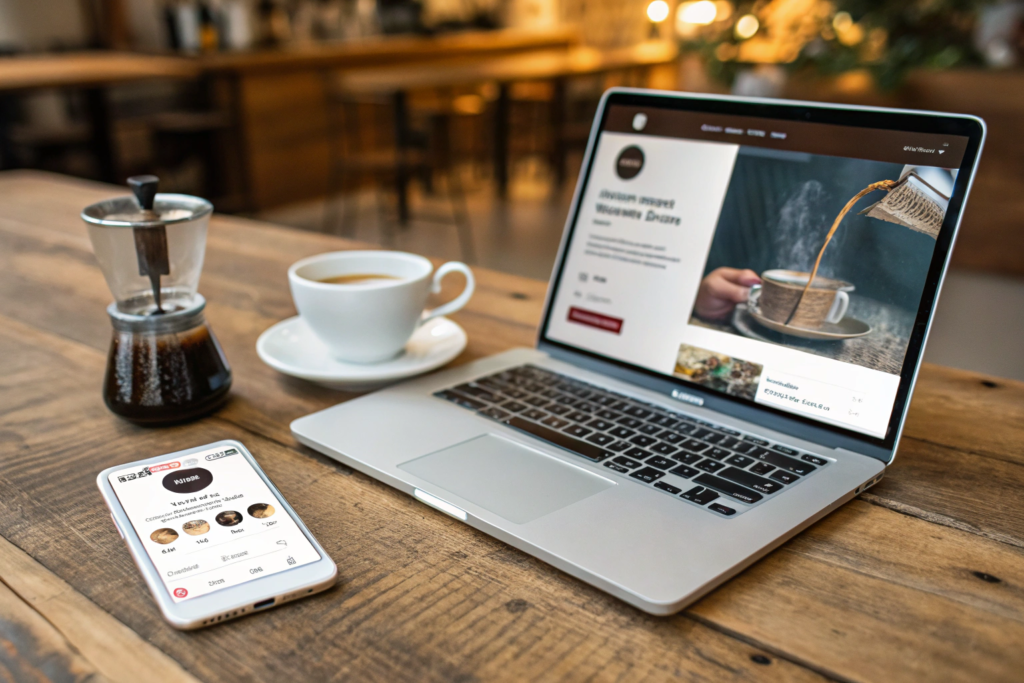
The product story is useless if nobody sees it. You need to fish where the fish are. The American specialty coffee consumer lives on Instagram, YouTube, and in their email inbox. They research before they buy. They read reviews. They watch brew guides. Your digital presence needs to meet them at every touchpoint with a consistent, compelling message.
The most effective digital channels are Instagram for visual storytelling and origin photography, YouTube for in-depth brewing guides and farm documentaries, email marketing for direct-to-consumer subscription sales, and a search-optimized product page that ranks for "single origin Chinese coffee" and related long-tail keywords.
You don't need a massive budget. You need a consistent voice and a willingness to educate. Remember, your customer doesn't know Yunnan coffee exists. You are their guide. Every post, every video, every email should teach them something new and exciting.
How Do You Create Viral Content Around Yunnan Coffee?
Contrast is the engine of virality. The fact that "China makes coffee" is a cognitive dissonance moment. Use it. Create short-form video content that opens with a hook: "Guess which country this coffee comes from?" Show a beautiful pour-over. Show the lush Yunnan mountains. Reveal the answer.
Film a quick tasting with a local barista. "Tasting this mystery coffee. Notes of melon, brown sugar, and black tea. Any guesses?" The reveal is the shareable moment. People tag their coffee-nerd friends. Instagram Reels and TikTok are built for this kind of pattern interrupt. The location footage we provide from our farms is perfect raw material for this.
Can Email Newsletters Build a Loyal Chinese Coffee Audience?
Absolutely. Social media is rented land. An email list is an owned asset. Use social to capture emails. Offer a "Discover the New Frontier of Coffee" PDF in exchange for an email address. Then nurture that list with deep, story-rich content.
Send them a photo essay of the harvest in Baoshan Yunnan. Send them a video of the cupping session. Send them a limited pre-order for a micro-lot. The consumer who subscribes to your Yunnan coffee emails is a superfan. They will pay full price. They will buy multiple bags. They will tell their friends. This is high-value, low-churn customer acquisition. The origin story does the heavy lifting for you.
Conclusion
Marketing Chinese coffee to American consumers is a positioning challenge, not a quality challenge. The quality is already here. Our Yunnan lots are cupping alongside the best in the world. The hurdle is the outdated perception of what "Made in China" means in a coffee context. The way over that hurdle is not through confrontation, but through invitation. Invite the consumer into the story. The misty mountains. The ancient tea soils. The ethnic minority farmers. The surprising, award-winning cup.
Don't sell China. Sell Yunnan. Don't sell cheap. Sell rare. Don't hide the origin. Frame it as the most exciting discovery in the coffee world right now. Use the cupping scores. Use the farmer photos. Use the digital channels where the curious coffee nerds hang out. This is a long game, but the trend is clear. Yunnan is the next big origin story in specialty coffee. Roasters who claim it now will own the narrative for years to come.
You have the beans. We grow them, process them, and ship them with full traceability back to specific hillsides on our 10,000-acre farm. What you need is the story and the confidence to sell it at full value. If you want high-resolution farm photos, cupping reports, or a sample of our current harvest to start building your marketing materials, reach out to Cathy Cai at cathy@beanofcoffee.com. She'll set you up with everything you need to launch a Yunnan origin line that your customers will get genuinely excited about.