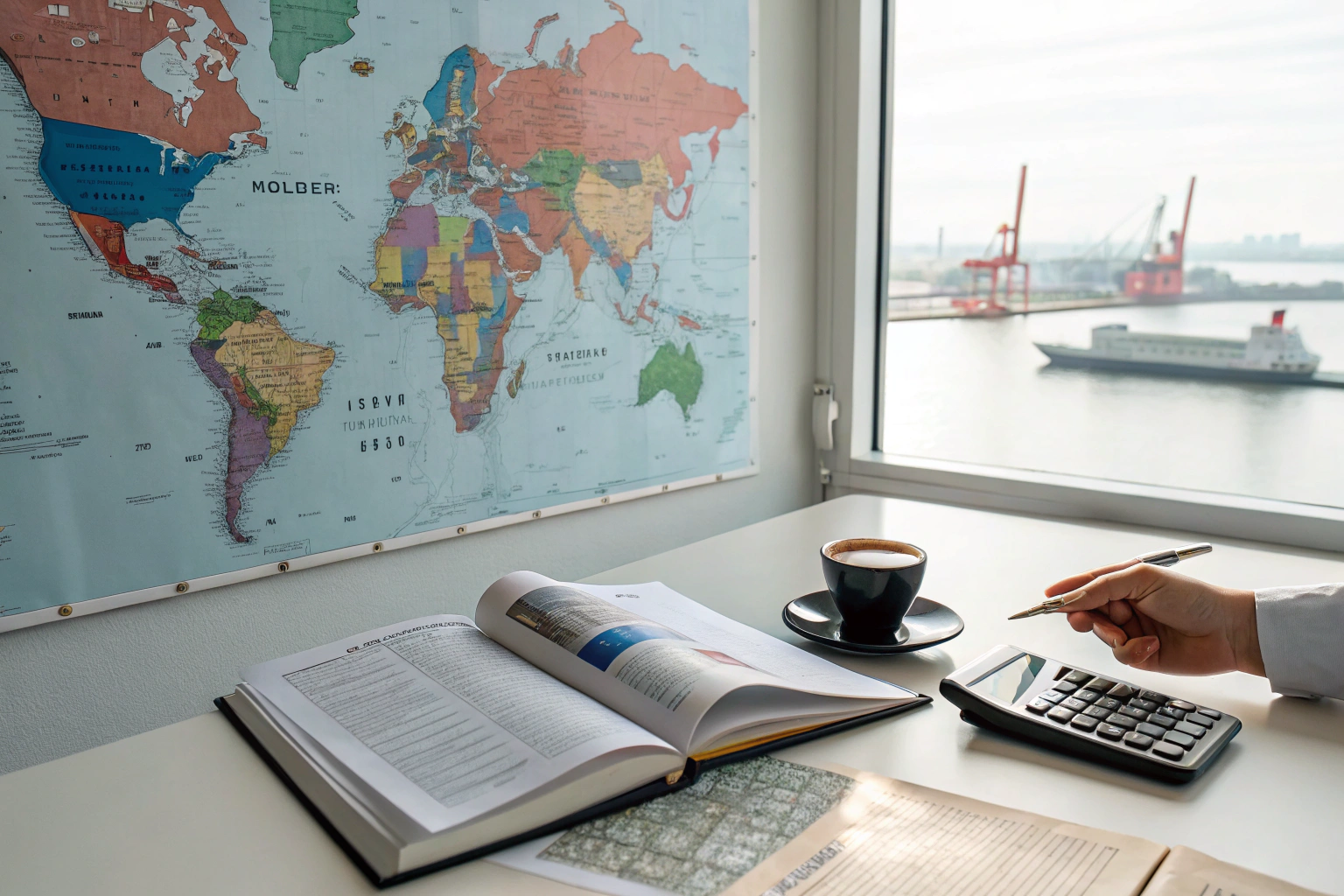
A buyer once emailed me and said, "Just give me the total price to my door." I paused. That sounds simple. It's not. The price to his door in Chicago included the bean, the truck to the port, the ocean freight, the U.S. import duty, the customs broker fee, the rail from the West Coast, and the final truck to his warehouse. If I quoted him a "door price" without clarifying the terms, one of us would have lost money. Probably me. Probably a lot of it. That's why Incoterms exist. They are the rules of the game. Without them, every deal is a gamble on who pays for what when something goes wrong.
The Incoterms rules for coffee export define exactly where the seller's cost and risk end and the buyer's cost and risk begin. The most common terms for green coffee are FOB, where the seller loads the container onto the vessel at the origin port, and CIF, where the seller also pays the freight and insurance to the destination port, but not the import duties.
I use these terms every single day with buyers from North America, Europe, and Australia. They protect both sides. When you, Ron, ask me about price and timeliness, the Incoterm we choose shapes the entire answer. Let me walk you through the landscape so you can negotiate with confidence.
What Is the Difference Between FOB and CIF for Coffee?
This is the big one. FOB versus CIF. It's the fork in the road for every coffee deal. I'd say 70% of my export contracts use one of these two terms. They split the responsibility at different points. Understanding where that point sits is the difference between a predictable cost and a nasty surprise.
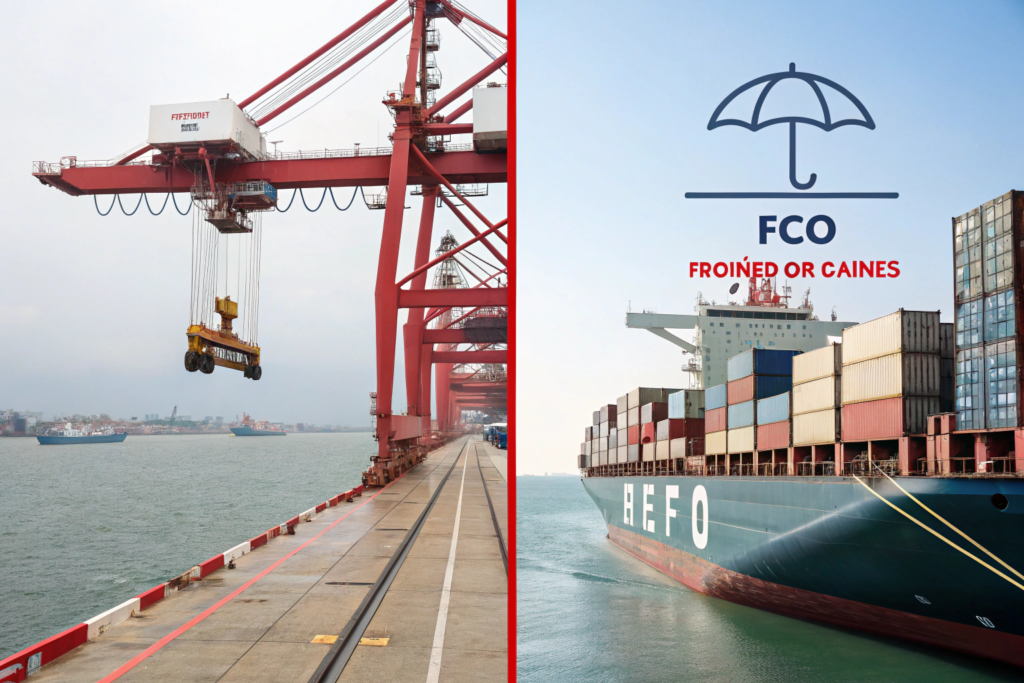
FOB, or Free On Board, means the seller pays all costs until the container is loaded onto the ship at the origin port. The risk transfers to the buyer at that moment. CIF, or Cost Insurance and Freight, means the seller also pays the ocean freight and a minimum insurance policy, with the risk technically transferring at the origin port but the seller remaining contractually responsible for the freight to the destination port.
The key confusion is risk versus cost. Under CIF, I pay the freight bill. But if the container falls overboard in a storm, it's your insurance claim, not mine. Unless you buy extra coverage. I always explain this carefully to new buyers. A CIF quote looks more expensive because it includes the freight. But it doesn't mean I guarantee the ship won't sink.
Why Do Most Specialty Buyers Prefer FOB?
Control. It's all about control. A large American or European roaster often has a freight forwarder they trust. They have negotiated volume discounts with shipping lines. They want to manage the ocean leg themselves because they can get a better rate or more reliable service.
When you buy FOB from BeanofCoffee, my job is done when the container is safely on the vessel in Shanghai or Shenzhen. You handle the rest. You choose the broker. You pay the duties. You arrange the truck at the U.S. port. This gives you maximum control over the second half of the supply chain. For a hands-on business owner like you, Ron, this often makes the most sense.
When Is CIF a Better Choice for a Buyer?
CIF is better when you're new. Or when you're buying a small volume. Or when you just want a simpler invoice. You pay one price that covers the beans and the boat. You don't have to coordinate with a shipping line in China. I do it.
The trade-off is you have less visibility on the freight cost breakdown. And if the destination port charges a surprise fee, that's still on you. I recommend CIF for trial orders. Get the coffee. Test the market. Then, once you have a steady rhythm, switch to FOB and take control of your logistics. It's a natural progression. Many of my long-term clients started CIF and are now FOB.
How Do EXW and FCA Terms Work for Chinese Coffee?
Sometimes, a buyer wants to handle everything from the farm gate. They have their own logistics network in China. Maybe they're consolidating a container with other goods. Maybe they're a large trading company with a procurement office in Shanghai. For them, FOB is still too much seller involvement. They want the beans at the warehouse door and nothing else. That's where EXW and FCA come in.
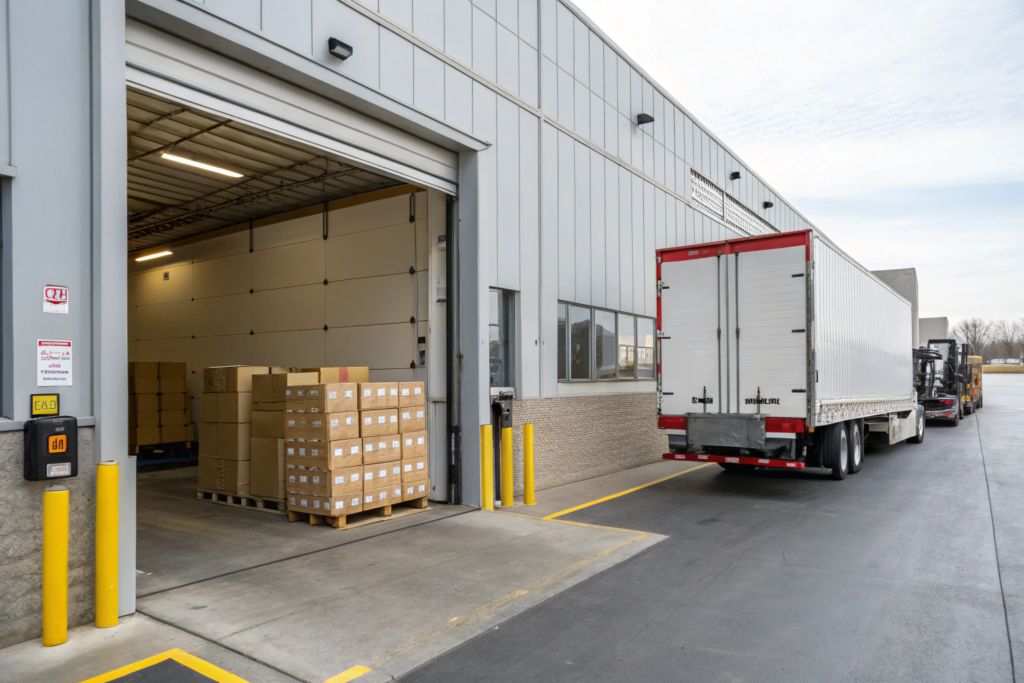
EXW, or Ex Works, means the seller makes the goods available at their premises. The buyer bears all costs and risks from the warehouse door onward, including loading the truck. FCA, or Free Carrier, is one step further; the seller delivers the goods to a carrier nominated by the buyer and clears them for export, but the main carriage is still the buyer's responsibility.
I rarely use EXW for international buyers. It's a headache for everyone unless you really know what you're doing. Loading a container in a remote Yunnan warehouse requires coordination. If your trucker shows up late, my team waits. If my team isn't ready, your trucker bills you waiting time. It's friction.
Why Is EXW Problematic for Export Transactions?
The biggest issue is export customs clearance. Under EXW, the buyer is theoretically responsible for export declaration in China. But a foreign company cannot file a Chinese customs declaration directly. You need a Chinese entity to do it. This creates a messy, gray-area workaround where the seller often ends up filing the declaration anyway, without formal responsibility.
It violates the spirit of the term. I tell my buyers to avoid EXW unless they have a fully staffed sourcing office in China. It's designed for domestic trade, not international containerized coffee shipments. The theoretical cost savings rarely justify the practical chaos.
How Is FCA a More Practical Alternative?
FCA solves the EXW problem by placing the export clearance duty squarely on the seller. I deliver the coffee to your nominated carrier, say a freight forwarder's consolidation warehouse in Kunming, and I handle the Chinese export paperwork. You take over from there.
This is useful if you have a great deal with a trucking company that can move the container from Kunming to the port. You might save 10 to 15 cents a pound on the inland leg. FCA gives you that flexibility without the legal mess of EXW. It's a niche term in coffee, but I've used it for a few savvy buyers who understood their domestic China logistics better than I did.
What Are the Hidden Costs in DAP and DPU Coffee Delivery?
These are the "close to home" terms. DAP and DPU sound generous to the buyer. The seller brings the coffee almost all the way to your door. It sounds like the ultimate service. But these terms carry hidden traps for both parties, especially around unloading and import duties.
DAP, or Delivered at Place, means the seller delivers the goods to the buyer's named destination, ready for unloading, but the buyer is still responsible for import duties and taxes. DPU, or Delivered at Place Unloaded, goes one step further: the seller must actually unload the goods from the arriving vehicle at the destination.
I rarely offer these terms. Here's why. I don't have a forklift in Chicago. I don't have a customs broker relationship in Hamburg. Arranging final mile delivery in a foreign country from a desk in Yunnan is slow, expensive, and error-prone. My cost estimate for that last mile is usually wrong. And if it's wrong, I lose margin.
Why Does Unloading Create a Dispute Risk?
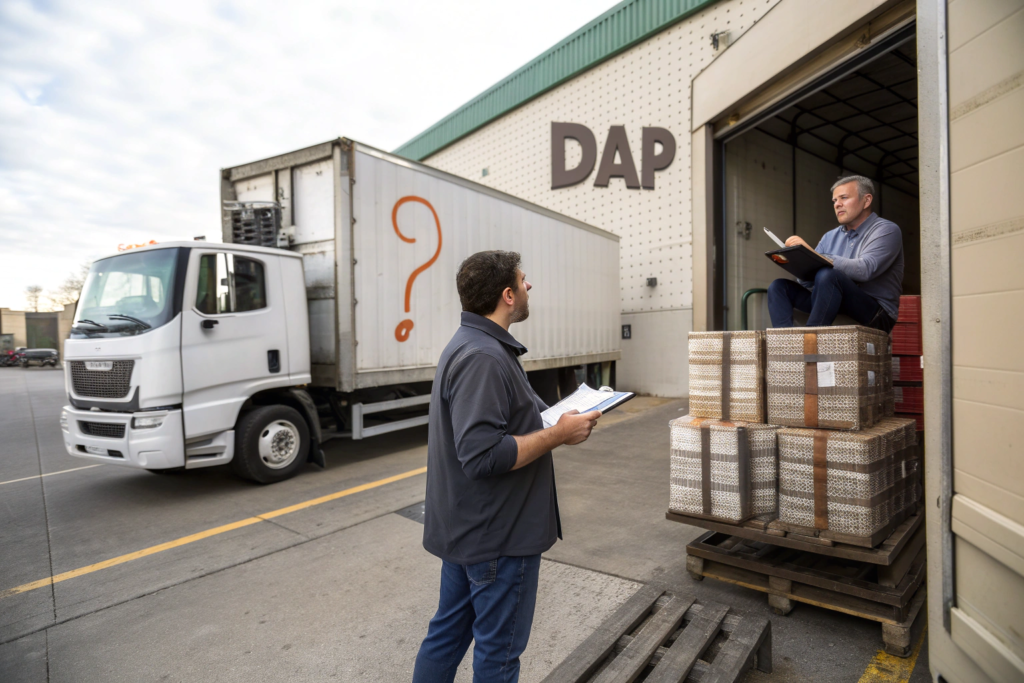
Under DPU, I'm responsible for unloading. But I'm not there. I hire a local subcontractor. The subcontractor damages a pallet. The buyer calls me. I call the subcontractor. The subcontractor blames the buyer's dock. It's a dispute triangle.
Under DAP, the buyer unloads. But DAP is "ready for unloading." What does "ready" mean? If the truck has a liftgate, but the warehouse dock is too high, whose problem is it? These edge cases create friction. They damage relationships. A clean FOB or CIF split at a port is much simpler. The port is a clear, standardized transfer point. Everyone knows the rules there.
How Do Import Duties Complicate DAP Deals?
The biggest surprise for buyers is that DAP does not include import duties. The price looks all-inclusive. The coffee arrives at your warehouse. But before the truck can leave the port, someone has to pay U.S. Customs. That's you, the buyer.
If you miscalculated your landed cost, you might face a duty bill that wipes out the margin you thought you had. I've seen buyers blame the seller for this surprise. They assumed "delivered" meant "all taxes paid." It doesn't. Only DDP includes duties and taxes, and I never offer DDP because I cannot legally act as the Importer of Record in the U.S. It requires a U.S. tax entity. The terms are complex. If you want to align on the right structure for your next shipment, Cathy Cai can walk you through a comparison of FOB, CIF, and FCA options and what they mean for your specific port. She's at cathy@beanofcoffee.com.
How to Choose the Best Incoterm for Your Coffee Contract?
Choosing an Incoterm is choosing how much control you want versus how much logistics work you want to offload. There's no single right answer. There's only the right answer for your specific business situation right now. Your choice should reflect your experience, your volume, and your appetite for coordination.
The best Incoterm for a coffee contract balances three factors: the buyer's logistics expertise and existing freight relationships, the need for cost transparency on the ocean leg, and the buyer's willingness to manage port and customs formalities. Most experienced specialty coffee buyers choose FOB, while first-time importers often prefer CIF.
I've guided dozens of buyers through this decision. Here's the framework I use.

What Questions Should a Buyer Ask Before Choosing a Term?
Start with three questions. One: do I have a freight forwarder I trust? If yes, lean toward FOB. If no, consider CIF for the first shipment. Two: do I need to separate the bean cost from the freight cost for my internal accounting? FOB makes this crystal clear. Three: am I comfortable managing the U.S. customs clearance myself? If this scares you, start with a term that lets you learn alongside a full-service broker.
Don't overthink the first deal. Start simple. CIF or FOB. Get the coffee. Learn the process. You can always renegotiate the term for the next container. A safe and reliable exporter like BeanofCoffee will be flexible. We want the coffee to flow. We don't want the contract terms to block the deal.
How Does a Long-Term Contract Change the Incoterm Choice?
Over time, you should migrate toward the term that gives you the most cost control. Usually, that's FOB. You develop a relationship with a freight forwarder. You start understanding the shipping schedule patterns. You find ways to consolidate partial containers with other importers.
At that point, the ocean freight is no longer a black box. It's a cost you can negotiate directly. You might even move to FCA and handle the inland Chinese trucking yourself if you find a great logistics partner. The Incoterm is not a fixed destination. It's a journey. It evolves with your business maturity. We support our long-term partners through this evolution. It's in our interest that you succeed and grow. The more you buy, the more we farm.
Conclusion
Incoterms are not boring legal code. They are the handshake rules for global trade. They define who pays for the truck, who pays for the boat, who pays for the insurance, and who cries when a container falls overboard. FOB and CIF are the twin pillars of the coffee trade. FOB gives you control. CIF gives you simplicity. EXW and DAP look tempting but hide practical traps that can eat your margin and sour a relationship.
The best term is the one you understand completely. Never sign a contract where the Incoterm is a vague assumption. Explicitly name it. FOB Shanghai. CIF Los Angeles. Be precise. Be clear. Then build your landed cost model around that precise transfer point. That's how you avoid the demurrage charges, the surprise unloading fees, and the angry phone calls.
We work with all the major terms at BeanofCoffee. My team in Baoshan knows the export paperwork. We know the port procedures. But we also know our limits. We won't offer DDP because we can't legally do it right. We won't push you into a term that doesn't fit your business model. We'll explain the options and let you choose, with full transparency on the cost breakdown. If you want to discuss the best structure for your next order, send an email to Cathy Cai. She handles our international contracts and can give you a comparison quote for FOB, CIF, and FCA so you can see the real numbers side by side. cathy@beanofcoffee.com. Let's build a contract that protects both of us.