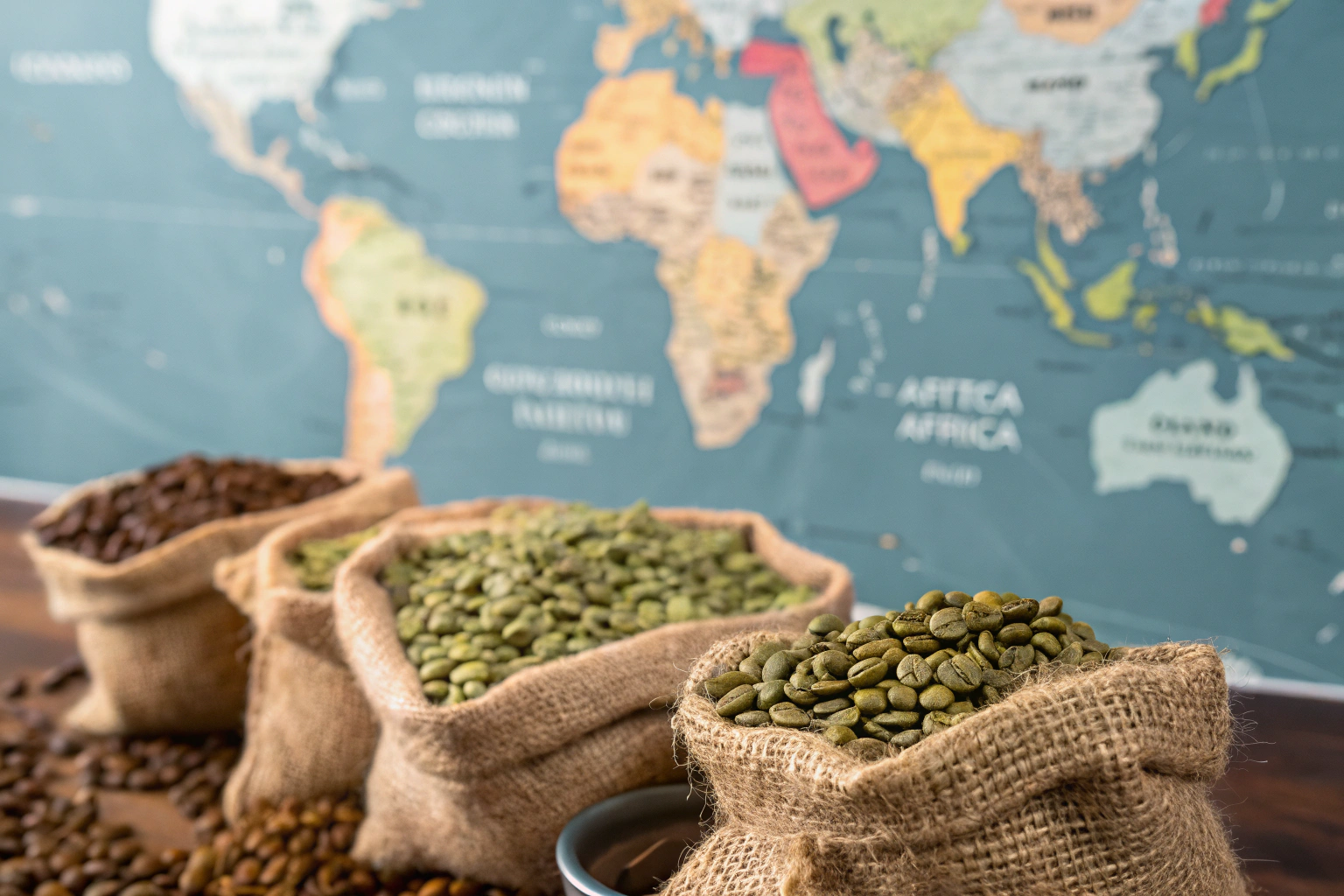
You know the usual suspects. Colombia. Brazil. Ethiopia. They're famous for a reason. They produce great coffee. But you also know the problems. Prices go up every year. Supply can be tight. And every roaster in the world is trying to buy from the same places. It's competitive. It's expensive.
So, what if there was another way? What if you could find amazing coffee from places that aren't on everyone's radar yet? Places like Yunnan in China, or Vietnam, or Peru, or other emerging markets. It sounds risky, maybe. But honestly, it's one of the smartest moves you can make.
The advantages of sourcing coffee beans from emerging markets are real. They can save you money. They can give you unique flavors. They can make your brand stand out. And at BeanofCoffee, we live this every day. Our farms in Yunnan are in one of those emerging markets. We've seen the growth. We've seen the quality improve. And we've seen how our clients in North America, Europe, and Australia benefit from it.
Let me walk you through the reasons why you should look beyond the traditional origins. Why emerging markets might be exactly what your business needs.
How Can Emerging Markets Offer Better Value for Your Money?
Let's start with the obvious one. Money. Everyone cares about price. And emerging markets often have a significant cost advantage.
Why? It's simple economics. Land costs less. Labor costs less. In places like Yunnan, the cost of farming is lower than in established regions like Colombia or Costa Rica. That doesn't mean quality is lower. It means the input costs are lower. And those savings can be passed on to you.
Also, emerging markets are often eager to build a reputation. They want to attract buyers like you. So, they are motivated to offer competitive pricing. They might be more flexible on terms. They might offer better payment conditions. They are hungry for business.
Another way to look at this is through the lens of "value gap." The gap between the price and the quality. In established markets, you pay a premium for the name. "Colombian" coffee has a brand value built over decades. You pay for that brand. In an emerging market, you're paying for the coffee itself, not the name. The value can be much higher.
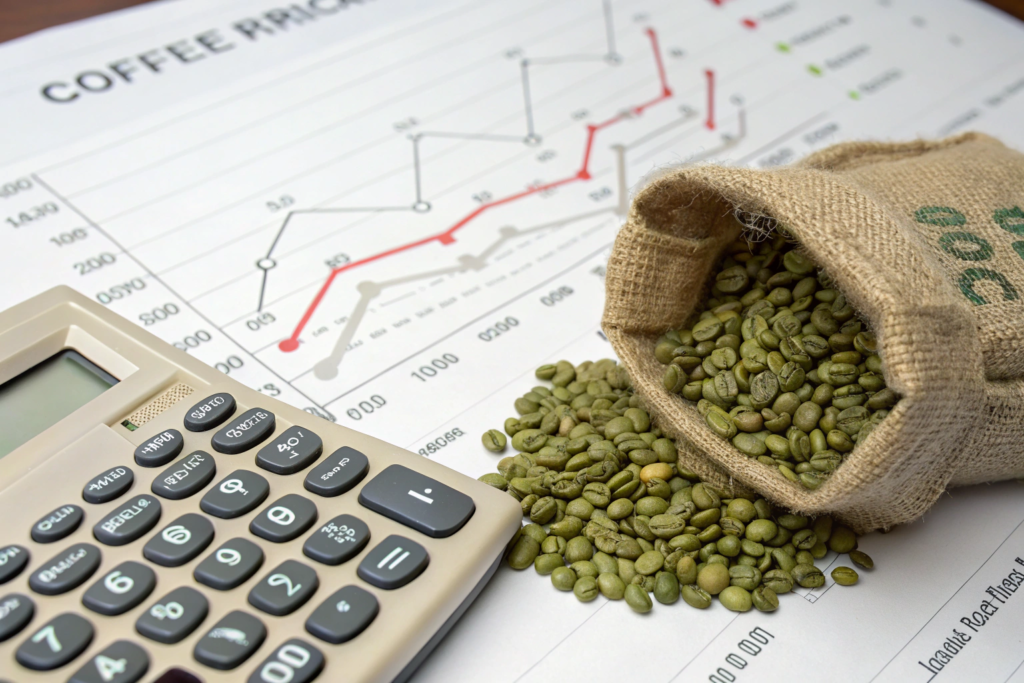
Why are production costs lower in emerging coffee regions?
Let's break it down. In Yunnan, our farms benefit from lower land prices compared to places like Kona in Hawaii or even some parts of Central America. Labor is also more affordable. Hand-picking cherries is labor-intensive. In emerging markets, the labor pool is often larger and costs are lower.
Also, government support can play a role. In China, there are initiatives to support agriculture, including coffee. This can lower costs for farmers. In Vietnam, the government has heavily invested in coffee production for decades. These factors all contribute to a lower cost structure.
But lower cost doesn't mean lower quality. It just means the operation is more efficient or the economic environment is different. You can learn more about global production costs from reports by the International Coffee Organization, which publishes data on different origins.
How does market competition in emerging regions keep prices fair?
Think about it. In a mature market like Colombia, there are thousands of buyers. The supply chain is well-established. Prices are fairly stable, but they are also higher because everyone knows the value.
In an emerging market, there's more competition among suppliers to attract international buyers. They are all trying to prove themselves. This competition keeps prices fair and often lower. They can't afford to be complacent. They have to offer good value to get you to try them.
At BeanofCoffee, we compete on this value every day. We know we're not as famous as a Kenyan or Colombian producer. So, we have to work harder to offer quality and price that makes you say, "Wow, this is a great deal." That's the dynamic in emerging markets. It benefits the buyer.
What Unique Flavor Profiles Can You Find in Emerging Markets?
Now let's talk about the fun part. Flavor. This is where emerging markets really shine. They offer something different. Something new.
For decades, the coffee world was dominated by a few classic profiles. Colombian was balanced. Ethiopian was floral. Sumatran was earthy. Those are great. But people get bored. They want new experiences.
Emerging markets deliver that. Yunnan coffee, for example, has its own personality. It's often described as having chocolate, nut, and mild herbal notes, with low acidity and a smooth body. It's not trying to be Ethiopian. It's its own thing. And that uniqueness is valuable.
Also, because these regions are newer to the specialty coffee scene, there is more experimentation. Farmers are trying different processing methods. Natural, honey, anaerobic fermentations. They are innovating to create distinctive flavors that stand out. This is exciting for roasters and for consumers.
Another way to look at this is through the lens of "diversity." Just like in wine, having a diverse range of origins makes the whole industry more interesting. Emerging markets add to that diversity.
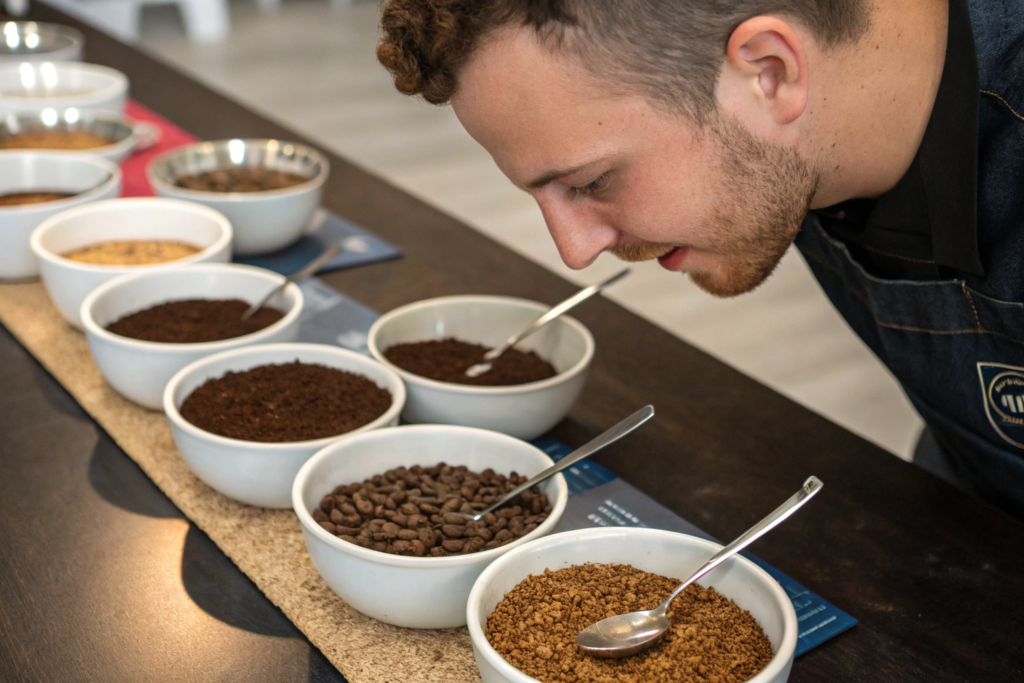
What does Yunnan coffee from China taste like?
Let me tell you about our beans. Our Arabica and Catimor from Yunnan have a signature profile. You can expect a medium body, low to medium acidity, and flavors that lean toward chocolate, nuts, and a hint of stone fruit or citrus. It's a very clean, balanced cup.
The terroir in Yunnan is unique. High altitude, plenty of sunshine, and distinct seasons. This creates beans with good density and complexity. It's not a "knock-off" of another origin. It's genuinely its own thing. Many of our clients use it as a base for blends because it's so reliable. Others roast it as a single origin to offer something different to their customers. For official tasting notes, you can sometimes find Yunnan coffee reviewed on sites like Coffee Review.
How do new processing methods in emerging markets create unique flavors?
Because emerging markets are trying to establish themselves, they are often more willing to experiment. In Yunnan, we've seen a boom in experimental processing. Washed is still the standard. But now many farms are doing naturals, honeys, and even anaerobic fermentations.
These methods can create wild flavors. Naturals can bring out big berry and wine notes. Honeys add sweetness and body. Anaerobics can produce funky, complex profiles that are very trendy right now.
For a roaster, having access to these experimental lots is a huge advantage. It gives you limited-edition offerings. It gives you stories to tell your customers. "This coffee was fermented for 72 hours without oxygen in the mountains of Yunnan." That's marketing gold. And it comes from the innovative spirit of emerging markets.
How Does Sourcing from Emerging Markets Build Supply Chain Resilience?
Here's a big one that a lot of people overlook. Resilience. If all your coffee comes from one country, you are vulnerable. A bad harvest. A political problem. A trade dispute. Any of these can ruin your year.
Sourcing from emerging markets diversifies your risk. It spreads your eggs across multiple baskets. If there's a problem in Brazil, you still have coffee from Yunnan. If there's a shipping strike in Colombia, your Vietnamese beans are still coming.
Also, emerging markets can sometimes offer more direct relationships. Because they are smaller and newer, you might be able to work directly with the farm or a smaller exporter. You build a closer connection. That connection can be a lifesaver when things go wrong. You have a partner who will work with you, not just a faceless corporation.
Another way to look at this is through the lens of "future-proofing." Climate change is affecting coffee growing areas. Some traditional regions may become less suitable for coffee in the coming decades. Emerging markets, often at higher altitudes or different latitudes, may become more important. Getting in now builds relationships for the future.
Why is diversification of origin important for coffee roasters?
Imagine you only buy from one country. Let's say it's Brazil. Then there's a major frost. Prices triple overnight. Your cost of goods skyrockets. You either raise your prices and lose customers, or you eat the cost and lose profit. Either way, it hurts.
Now imagine you buy from Brazil, Colombia, and Yunnan. A frost in Brazil is still bad. But you have other origins to fall back on. You can adjust your blends. You can promote your Yunnan single origin while Brazil recovers. You have options. Diversification gives you flexibility. It makes your business stronger. For more on supply chain risk, the SCA's sustainability reports often discuss the importance of origin diversification.
How can direct relationships in emerging markets improve reliability?
In established markets, the supply chain can be long. Farm to exporter to importer to broker to you. Each step adds cost and distance. In emerging markets, sometimes you can get closer to the source.
At BeanofCoffee, because we own the farms, we are the source. You deal directly with us. There's no middleman. This means communication is faster. Problems are solved quicker. If you need a specific type of bean or a specific processing method, we can often make it happen because we control the process.
This direct relationship builds trust and reliability. You know who you're dealing with. You know the coffee comes from our 10,000 acres in Baoshan. That's a powerful feeling of security.
Can Sourcing from Emerging Markets Give Your Brand a Marketing Advantage?
This is the fun part. Marketing. In a crowded market, you need to stand out. Everyone sells Colombian. Everyone sells Ethiopian. But how many roasters are featuring Yunnan? Or Vietnam? Or Peru? Not as many.
When you source from an emerging market, you have a unique story to tell. You can talk about discovering a new region. You can talk about supporting farmers in a developing area. You can talk about the unique flavors that nobody else has. This story is compelling to customers, especially millennials and Gen Z who crave authenticity and novelty.
Also, you become a pioneer. You're not following trends. You're setting them. That builds brand authority. It makes you look like an expert, not just a follower.
Another way to look at this is through the lens of "exclusivity." If you're one of the few roasters offering a Yunnan single origin, you have something exclusive. Customers have to come to you to get it. That's a powerful position.
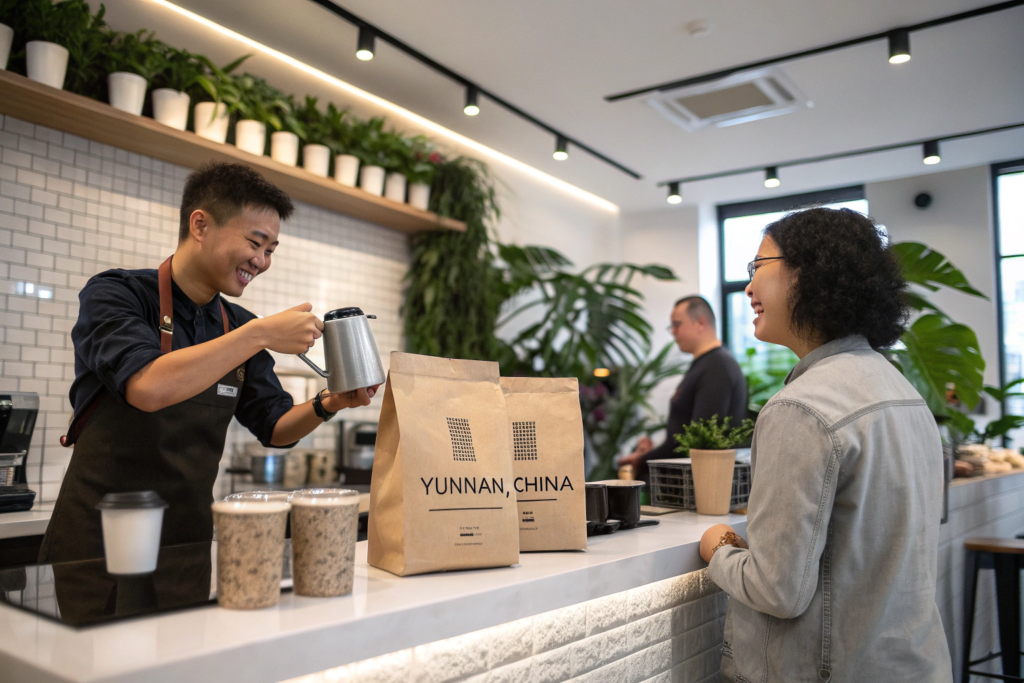
How does a unique origin story help sell coffee to consumers?
People love stories. They love knowing where their food comes from. A bag of coffee from Brazil is fine. But a bag from "the misty mountains of Yunnan, where farmers have been growing coffee for only 30 years" is fascinating. It's a conversation starter.
You can put this story on your website, on your social media, on your bag. You can create videos. You can educate your customers. This builds engagement. People feel smarter for buying your coffee. They feel like they are part of something new and exciting.
At BeanofCoffee, we provide our clients with all the material they need. Photos, videos, stories about our farmers. We want you to succeed in marketing our beans. For inspiration, look at how successful roasters use origin stories on platforms like Instagram's business page.
Can sourcing from emerging markets appeal to ethically conscious buyers?
Yes, absolutely. Many emerging market producers are smallholders or family farms. By buying from them, you are directly supporting economic development in those regions. That's a powerful ethical message.
You can talk about how your purchase helps farmers in Yunnan send their kids to school. Or how it helps them invest in better equipment. This resonates with customers who care about social impact.
Also, because the supply chain is often shorter, it's easier to verify ethical practices. You can visit the farm. You can see the conditions. You can be confident in your story. This is much harder with a long, complex supply chain. For standards on ethical sourcing, organizations like Fair Trade International provide guidelines that many consumers trust.
Conclusion
The advantages of sourcing coffee beans from emerging markets are clear. You get better value for your money. You discover unique and exciting flavors. You build a more resilient supply chain. And you give your brand a powerful marketing story. It's not about abandoning the classics. It's about expanding your horizons.
At Shanghai Fumao, we're proud to be part of an emerging market. Our Yunnan farms produce exceptional coffee that competes with the best in the world. We invite you to try it and see for yourself.
If you're curious about what Yunnan coffee can do for your business, reach out. Contact our export manager, Cathy Cai. She can send you samples, answer your questions, and help you start your journey into an exciting new origin. Her email is cathy@beanofcoffee.com. Let's explore something new together.