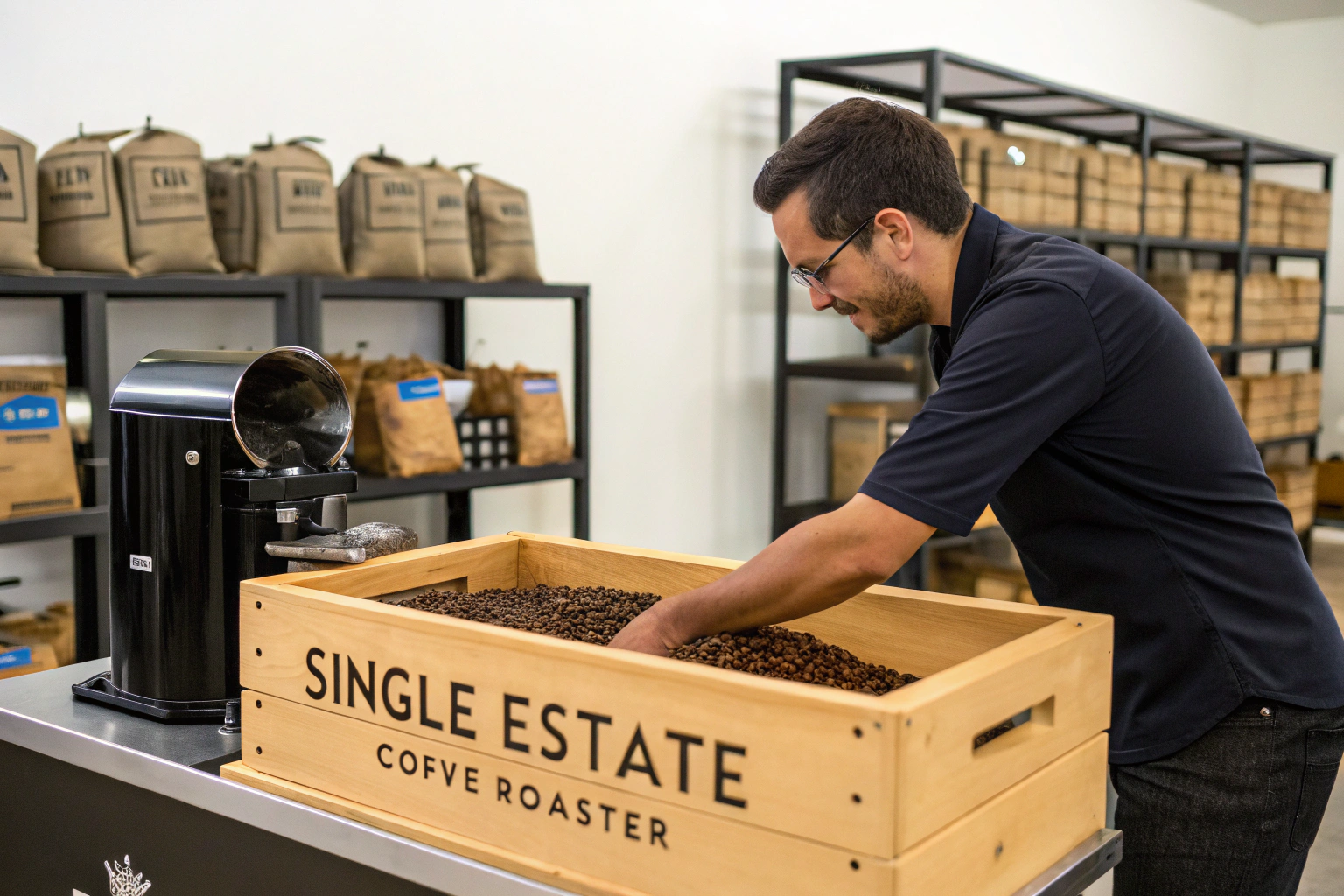
You buy coffee from many small farms. The quality changes every season. The paperwork gets messy. The traceability stops at the cooperative. You want something simpler. You want something you can trust. That is the problem. Many small lots create many variables. A single large estate can solve that. But it comes with trade-offs. Let me show you what they are.
Sourcing from a single large estate offers consistent quality, full traceability, reliable volume, easier certification, and stronger long-term relationships. You get one point of contact, one set of standards, and one harvest calendar. But you also take on concentration risk. If that estate has a bad year, you have no backup. At BeanofCoffee, we own over 10,000 acres in Baoshan, Yunnan, and we operate as a single-estate supplier for many buyers. We also know where the limits are.
So, what should you expect? And when does a single estate beat many small farms? Let me walk you through it. I have shipped from both models. Each one has a place.
Why Do Buyers Choose Single-Estate Coffee?
You may ask a simple question. Why would a buyer pay attention to one estate? Because it simplifies everything. One farm. One team. One story. That simplicity has real value in the coffee trade. Let me explain.
Buyers choose single-estate coffee because it delivers consistency, traceability, and a clear story. A single estate controls the whole process from cherry to bag. That control means fewer variables. It means the buyer knows exactly what they will get. It also means the estate can invest in quality over time. For specialty roasters and brand buyers, that reliability is worth a premium.
Another way to look at this is risk. With many small farms, you manage many risks. Each farm has its own weather, its own labor, its own drying method. A single estate has one set of risks, but you can manage them together. The Specialty Coffee Association promotes traceability and quality standards that single estates can meet more easily. The Coffee Review publishes single-origin reviews that show how estate identity shapes flavor. So, what does this mean? It means a single estate is not just a supplier. It is a partner. You grow together.
| Buyer Type | Why Single Estate Helps |
|---|---|
| Specialty roaster | Consistent cup profile |
| Brand owner | Clear origin story |
| Distributor | Reliable volume |
| Private label | Easy spec control |
| Export trader | Simple documentation |

What Makes a Single Estate Different From a Cooperative?
A single estate is one farm with one management team. A cooperative is many small farms working together. Both can produce great coffee. But they work differently. A cooperative aggregates volume from many plots. That gives diversity. But it also brings variation. A single estate controls one set of practices. That gives consistency. The FAO coffee program explains how farm structure affects supply chains. The Global Coffee Platform promotes both models for different needs. I work with both. For a buyer who needs the same taste every month, a single estate is easier. For a buyer who wants many flavor profiles, a cooperative is better. So, the choice depends on your product.
How Does Estate Size Affect Quality Control?
Estate size affects how easily you can control quality. A large estate can afford a wet mill, a lab, and a full-time QC team. A small farm cannot. That infrastructure means faster processing, better drying, and fewer defects. The World Coffee Research studies how processing infrastructure affects cup quality. The Coffee Institute shares research on green coffee handling. I have seen this in Yunnan. Estates with their own mill produce cleaner coffee. Small farms that share a mill often have more variation. So, if consistency is your priority, a large estate has an advantage.
How Does Consistency Improve With a Single Estate?
You may have a favorite coffee. You order it again. It tastes different. Your customers notice. They complain. That is the problem with inconsistent supply. A single estate can fix it. But only if the estate is well managed. Let me explain.
A single estate improves consistency because it controls variety, processing, and storage under one management system. The same trees, the same mill, the same drying beds, and the same team produce the same cup year after year. Research shows that single-estate lots often score higher in cupping because there is less mixing of ripe and unripe cherries. That consistency supports brand loyalty and repeat sales.
The SCA cupping standards define how to measure consistency. The Tea & Coffee Trade Journal reports on estate quality programs. I cup every lot from our Yunnan estate before shipment. The profile stays stable because we control the process. If we bought from ten small farms, the profile would shift. So, what does this mean? It means consistency is not luck. It is management. A single estate makes that management possible.
| Consistency Factor | Single Estate | Multiple Small Farms |
|---|---|---|
| Variety control | One or few varieties | Many varieties |
| Processing | One mill | Shared or varied |
| Drying | One method | Mixed methods |
| QC | Central team | Limited |
| Cup profile | Stable | Variable |
How Does Single-Estate Processing Reduce Variation?
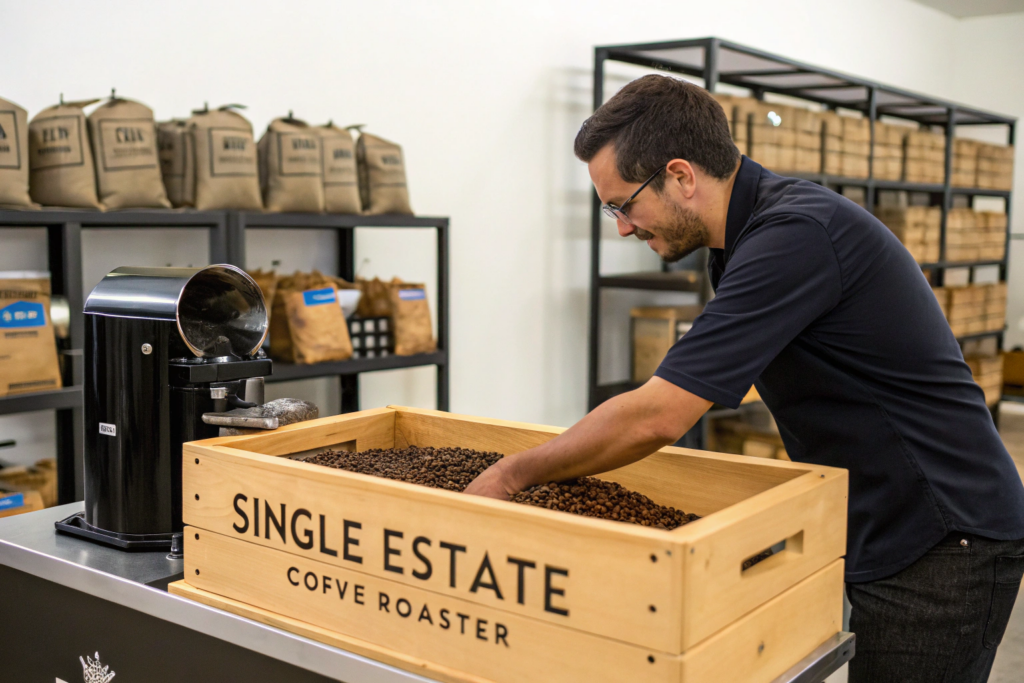
Single-estate processing reduces variation because every cherry goes through the same steps. The pulper is the same. The fermentation tank is the same. The drying beds are the same. That uniformity matters. A study in MDPI Agriculture found that processing method has a major effect on coffee chemistry and sensory quality. When you mix processing methods, you mix flavors. A single estate avoids that. The Perfect Daily Grind explains how estate mills control fermentation and drying. I have seen estates that track every lot by harvest date and drying batch. That data lets them repeat success. So, ask your supplier how they process. If the answer is "we mix everything," expect variation.
Does Variety Selection Matter for Consistency?
Yes, it does. A single estate can plant one variety or a few selected varieties. That choice shapes the cup. Some varieties are more stable than others. Catimor is hardy and consistent. Bourbon and Typica are delicate but can be excellent. The World Coffee Research catalog lists variety profiles and disease resistance. The Alliance of Bioversity International and CIAT studies variety performance. At our estate in Baoshan, we grow Catimor and Arabica in separate blocks. We keep them separate through processing. That gives buyers a choice. So, variety control is part of consistency. A good estate manages it carefully.
What Are the Traceability and Compliance Benefits?
You may face new rules. The EU Deforestation Regulation. The U.S. UFLPA. Buyer due diligence. These rules need data. A single estate makes that data easier to collect. Let me show you why.
A single estate offers stronger traceability and compliance because all data comes from one source. You get farm GPS coordinates, harvest records, processing logs, and storage data from one management system. That makes EUDR compliance easier. It also makes certification audits simpler. A single estate can provide plot-level traceability without aggregating data from many farms. That saves time and reduces errors.
The European Commission EUDR page explains the geolocation requirement. The Rainforest Alliance offers tools for compliance. I collect GPS data for every plot on our estate. I also keep land-use records going back years. When a buyer asks for EUDR documents, I send them in a day. A cooperative might take weeks. So, what does this mean? It means compliance is faster with a single estate. That speed matters when regulations change.
| Compliance Need | Single Estate | Cooperative |
|---|---|---|
| GPS data | One source | Many sources |
| Harvest records | Central log | Aggregated |
| Processing records | One mill | Shared |
| Certification audit | One site | Many sites |
| Document delivery | Fast | Slower |
How Does a Single Estate Simplify EUDR Compliance?
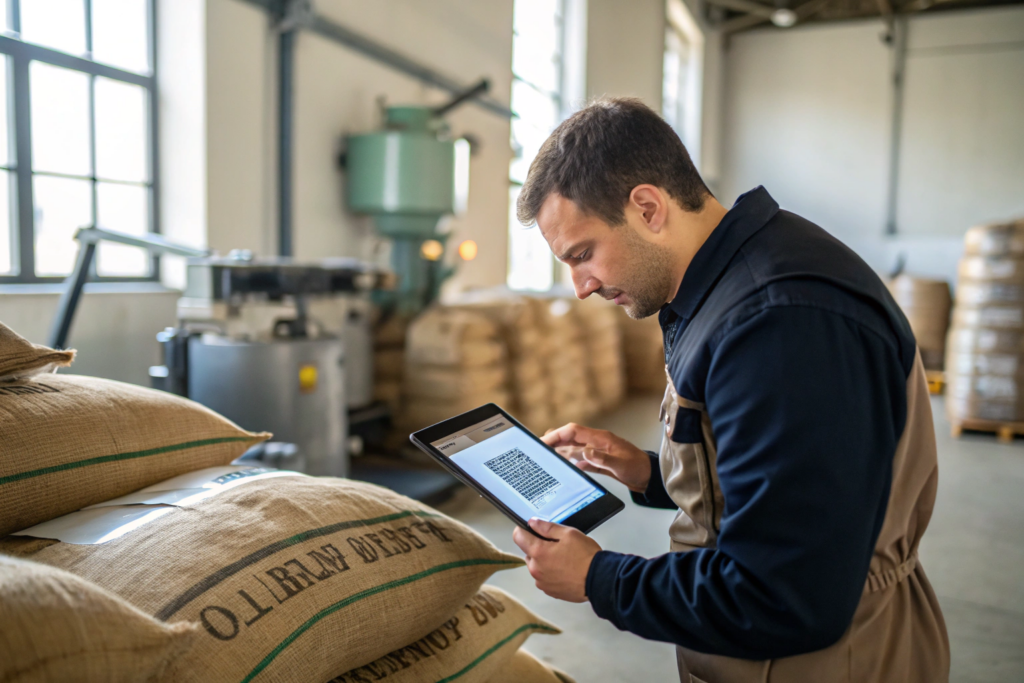
The EUDR requires proof that coffee is deforestation-free. That means geolocation data for every plot. A single estate can provide that data from one system. A cooperative must collect it from many small farms. The IndexBox EU ground coffee report explains that the EUDR is reshaping sourcing. The Nestlé Vietnam program collected over 40,000 land polygons to prove compliance. That is a huge task. A single estate avoids that complexity. So, if you sell to Europe, a single estate can get you compliant faster.
How Does Certification Work on a Single Estate?
Certification is easier on a single estate. One audit covers the whole farm. One set of records supports the certificate. A cooperative needs group certification, which is more complex. The Fairtrade system uses group certification for cooperatives. The 4C Services also offers group and individual certification. I have seen estates get Rainforest Alliance certification in months. Cooperatives can take a year or more. So, if certification speed matters, a single estate wins.
Can a Single Estate Meet Large-Volume Needs?
You may need many containers per year. Can one estate supply that? It depends on the estate size. A large estate can. A small estate cannot. Let me show you the numbers.
A single large estate can meet large-volume needs if it has enough planted area and processing capacity. A 10,000-acre estate can produce hundreds of containers per year. But most estates are smaller. They may produce 10 to 50 containers. For a distributor who needs 200 containers, one estate is not enough. The solution is a single estate as the core supplier plus backup estates for overflow.
The Mordor Intelligence coffee report tracks production volumes by origin. The USDA Foreign Agricultural Service publishes crop data. Our estate in Baoshan produces enough volume for regular container shipments. But we also partner with nearby estates when a buyer needs more. So, what does this mean? It means a single estate works best as your primary supplier. You still need a backup. That is basic risk management.
| Estate Size | Annual Capacity | Best For |
|---|---|---|
| Small estate (<500 acres) | 1-5 containers | Micro-lots, samples |
| Medium estate (500-2,000 acres) | 5-50 containers | Specialty roasters |
| Large estate (2,000-10,000 acres) | 50-300 containers | Distributors, brands |
| Very large estate (>10,000 acres) | 300+ containers | Large contracts |
How Do You Plan Volume With a Single Estate?
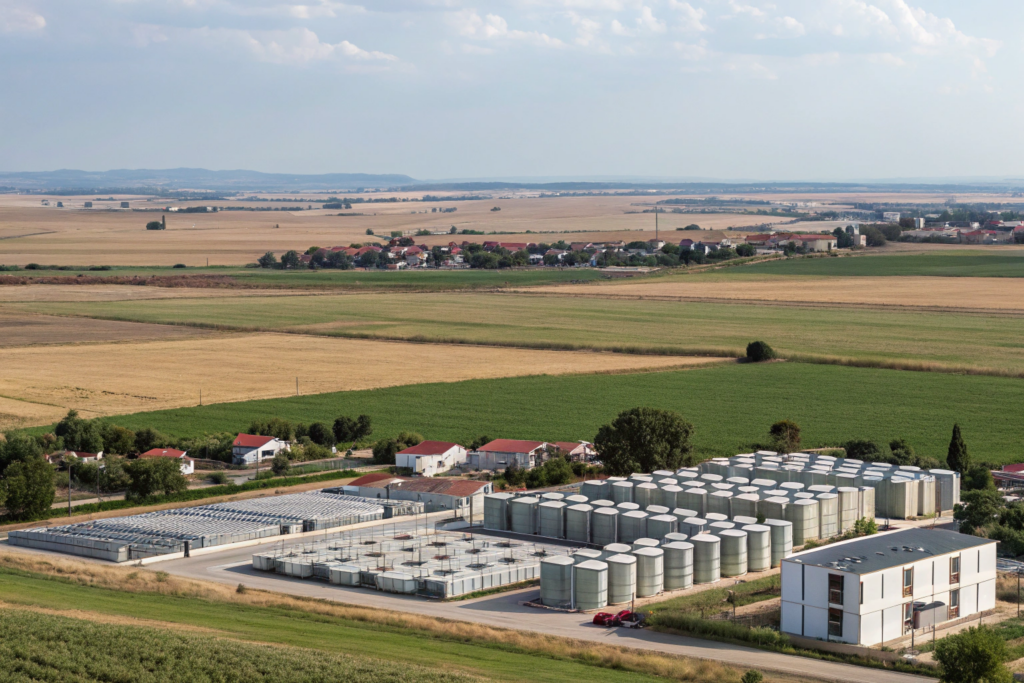
Plan volume with a single estate by signing a forward contract. That contract reserves your volume before harvest. It also locks the price. The International Coffee Organization uses standard contract terms that support forward agreements. The Trade.gov offers export contract guidance. I sign forward contracts with my regular buyers. They tell me their volume in advance. I reserve the lots. That way, they get the coffee they need. So, do not wait until harvest to order. Plan early. Reserve your volume.
What Happens If the Estate Has a Bad Year?
A bad year happens. Drought. Disease. Labor shortage. A single estate can fail. That is the concentration risk. The World Coffee Research studies climate risks. The Global Coffee Platform promotes resilience. I keep backup estates on standby. I also keep buffer stock in my warehouse. That way, if our main estate has a problem, I can still fill orders. So, if you source from one estate, ask about their backup plan. Do they have other farms? Do they have storage? A good estate plans for bad years.
Conclusion
Sourcing from a single large estate has real benefits. You get consistency. You get traceability. You get easier compliance. You get a simple relationship. You also get concentration risk. The best approach is to use a single estate as your core supplier and keep backups for overflow and emergencies. That gives you the benefits without the fragility.
If you want a single-estate supplier with full traceability and reliable volume, contact us. BeanofCoffee owns over 10,000 acres in Baoshan, Yunnan. We export Catimor, Arabica, and Robusta to North America, Europe, and Australia. We provide GPS data, harvest records, and processing logs for every lot. For orders or questions, email Cathy Cai at cathy@beanofcoffee.com. She will help you build a stable supply from a trusted estate.