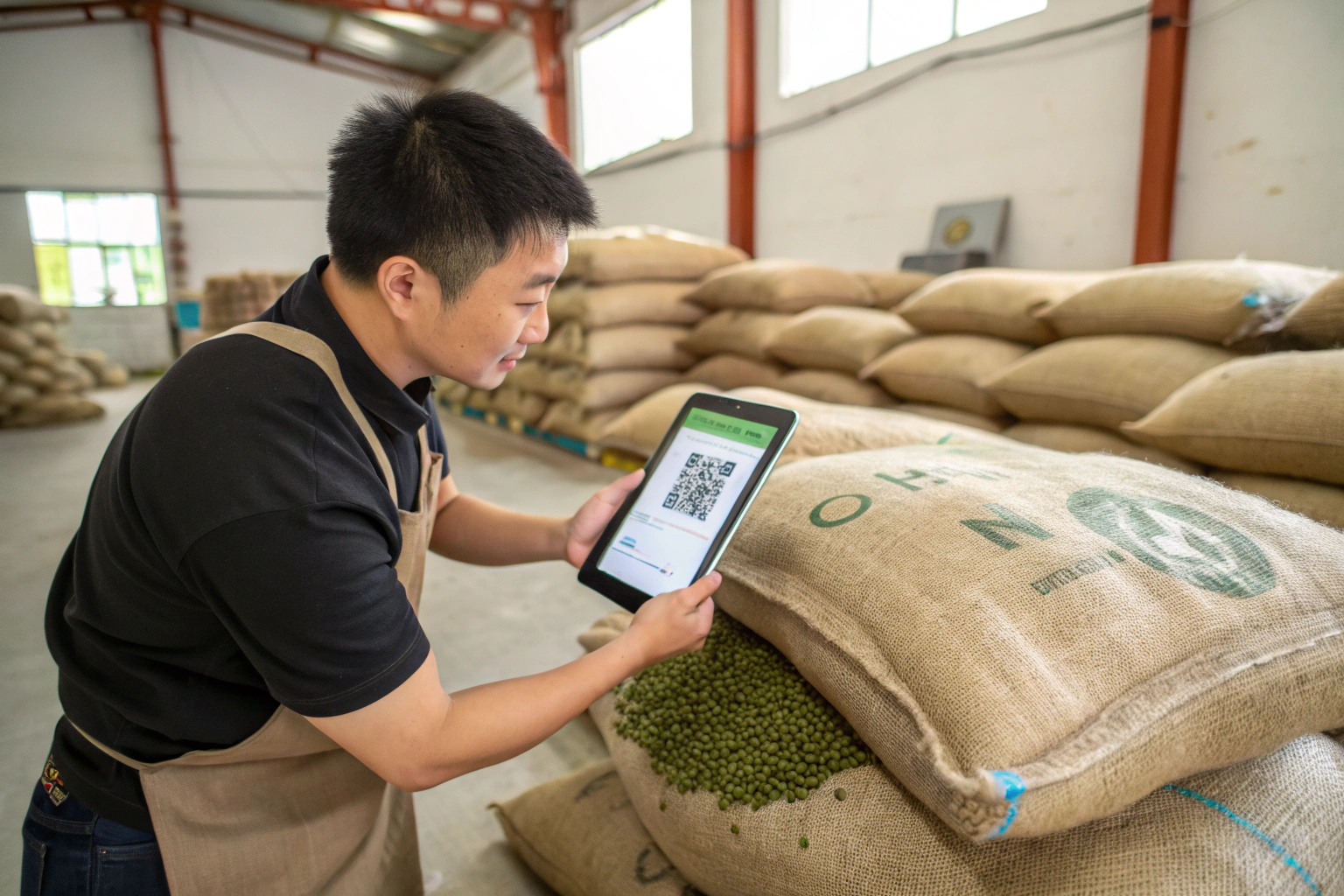
You buy a container of coffee. The supplier says it comes from a small farm in Yunnan. The price is good. The quality is good. But can you prove where it came from? Can you prove it to your buyer? Can you prove it to a regulator? If the answer is no, you have a problem. New laws are coming. New buyer demands are here. Traceability is no longer optional.
Ultra-traceable lots are the future of B2B coffee trade because they provide farm-level origin data, processing records, and chain-of-custody documentation that buyers, regulators, and consumers demand. They reduce supply chain risk, unlock premium markets, and satisfy the EU Deforestation Regulation and new due diligence laws. At BeanofCoffee, we track every lot from farm to container. That data protects our buyers in North America, Europe, and Australia.
So, what does ultra-traceability actually mean? And why should you care as a wholesale buyer? Let me walk you through it. I have shipped coffee for years. I have seen the shift happen. Let me share what I know.
What Makes a Coffee Lot Ultra-Traceable?
You may think traceability means knowing the country. That is not enough anymore. Ultra-traceability goes deeper. It goes to the farm. It goes to the plot. It goes to the day. Let me explain what it takes.
An ultra-traceable coffee lot includes farm GPS coordinates, farmer name, harvest date, processing method, storage records, and a unique identifier that follows the coffee from farm to roaster. It means you can trace a single bag back to the exact plot where it grew. This level of detail is becoming standard for specialty coffee. It is also becoming a legal requirement in Europe.
The International Coffee Organization requires an ICO identification mark for every shipment. That is the first step. But ultra-traceability goes further. It links that mark to farm data. It links the farm data to processing records. It links processing to shipping. The Specialty Coffee Association shares standards for green coffee traceability. I use these standards with every Yunnan lot we ship.
| Traceability Level | What It Includes | Common Use |
|---|---|---|
| Country level | Origin country only | Commodity trade |
| Region level | Growing region | Blends |
| Farm level | Farm name and location | Specialty |
| Plot level | GPS, farmer, date | Ultra-traceable |
So, what does this mean for you? It means you can tell a story. You can prove quality. You can meet buyer demands. But you need the data.
How Do You Collect Farm-Level Data?
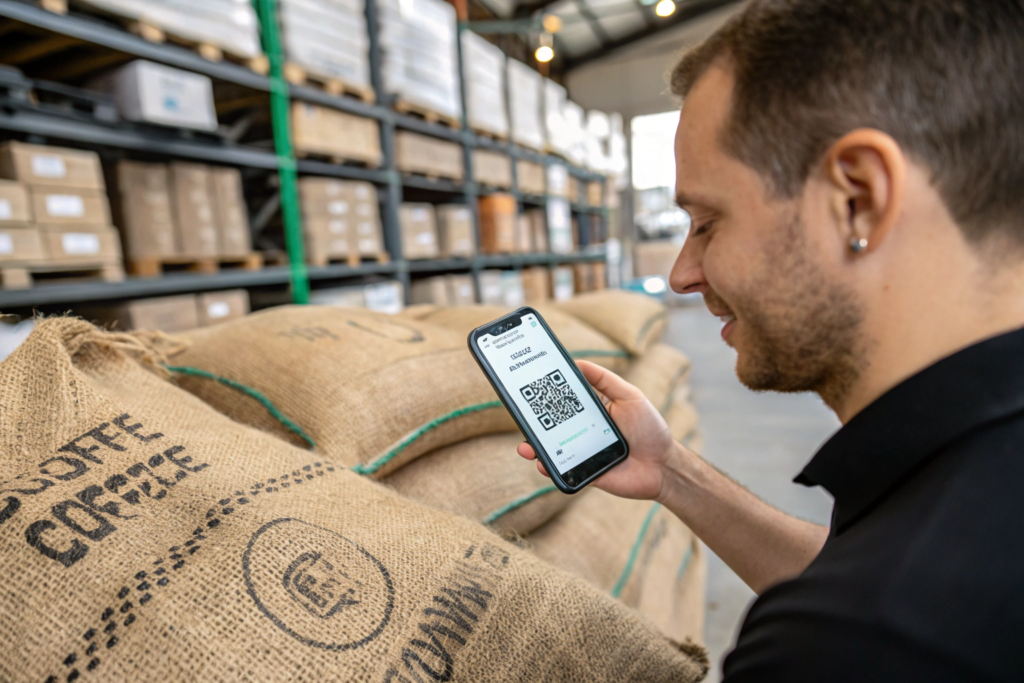
Collecting farm-level data takes work. You need to visit farms. You need to record GPS coordinates. You need to interview farmers. The FAO coffee program shares guidance on sustainable sourcing. The Global Coffee Platform promotes good data practices. I train my farm team to record everything. Farm name. Farmer name. Altitude. Variety. Harvest date. Processing method. Drying method. Moisture readings. Then we link that data to the lot number. When the coffee moves to the mill, the data moves with it. When it moves to the warehouse, the data moves again. By the time it reaches the container, the full history is attached. So, do not start with the container. Start with the farm.
What Technology Supports Ultra-Traceability?
Technology makes traceability easier. QR codes let you scan a bag and see the farm. Blockchain records cannot be changed. The Tract platform helps companies monitor sourcing risks and compliance. The Lavazza and JAGGAER partnership shows how large roasters use source-to-pay technology. I use simple tools. A spreadsheet. A QR code generator. A shared folder. You do not need expensive software to start. You need discipline. You need to record data every day. Then you need to share it with your buyer. That sharing builds trust. So, pick a tool. Any tool. Then use it.
Why Do B2B Buyers Demand Full Traceability?
You may ask a simple question. Why do buyers care so much? The answer is not just about quality. It is about law. It is about risk. It is about brand. Buyers cannot afford to source coffee they cannot trace.
B2B buyers demand full traceability because of new regulations like the EU Deforestation Regulation (EUDR), consumer pressure for ethical sourcing, and the need to protect their brand from supply chain scandals. The EUDR requires importers to prove their coffee is deforestation-free with geolocation data. Buyers who cannot provide this data cannot sell into Europe. That is a market access issue.
The IndexBox EU ground coffee report explains that the EUDR is reshaping green bean sourcing practices for all EU roasters. It requires importers to demonstrate that their supply chains are deforestation-free. That means farm-level GPS data. That means due diligence documents. That means traceability. So, what does this mean for you? It means if you want to sell to Europe, you need this data. No data, no market.
| Regulation | Requirement | Impact |
|---|---|---|
| EUDR | Geolocation, due diligence | Market access |
| U.S. UFLPA | Forced labor risk | Border holds |
| Rainforest Alliance | Chain of custody | Certification |
| Fairtrade | Supply chain records | Premium access |
How Does the EUDR Change Coffee Sourcing?
The EUDR is a game changer. It requires companies to prove that their products are deforestation-free. For coffee, that means farm-level GPS coordinates. It means proof that the land was not deforested after December 31, 2020. The European Commission EUDR page explains the rules. The Rainforest Alliance EUDR guide offers support for compliance. I collect GPS data for every farm in our network. I also keep land-use records. These documents support EUDR compliance. They also support origin claims. So, start collecting this data now. It is already mandatory for many shipments. It will be mandatory for all soon.
How Does Traceability Protect Brand Reputation?
Traceability protects your brand. If a problem happens, you can find the source. If a buyer asks a question, you have an answer. The Daily Coffee News covers supply chain scandals. The Tea & Coffee Trade Journal reports on industry practices. I have seen brands fail because they could not trace a bad lot. They lost customers. They lost trust. So, traceability is not just a compliance tool. It is a brand protection tool. It shows your buyers that you take quality seriously. It shows them you are professional. That builds loyalty. That wins repeat orders.
How Does Ultra-Traceability Reduce Supply Chain Risk?
You may think traceability is just paperwork. It is not. It is risk management. When you know where your coffee comes from, you can see problems before they hit. You can act faster. You can protect your supply.
Ultra-traceability reduces supply chain risk by giving you visibility into farm conditions, processing delays, and quality issues before the coffee ships. If a farm has a bad harvest, you know early. If a mill has a delay, you know early. If a lot fails a quality check, you know before it reaches the port. This visibility lets you find alternatives faster and keep your buyers supplied.
Another way to look at this is simple. Traceability is a warning system. It tells you when something is wrong. The World Coffee Research studies climate impacts on coffee. The Mordor Intelligence reports on coffee market trends. I use traceability data to plan my shipments. If a farm is behind schedule, I shift my order to another farm. If a lot has high moisture, I dry it longer. So, what does this mean? It means you can avoid surprises. You can keep your promises.
How Does Traceability Help With Quality Control?
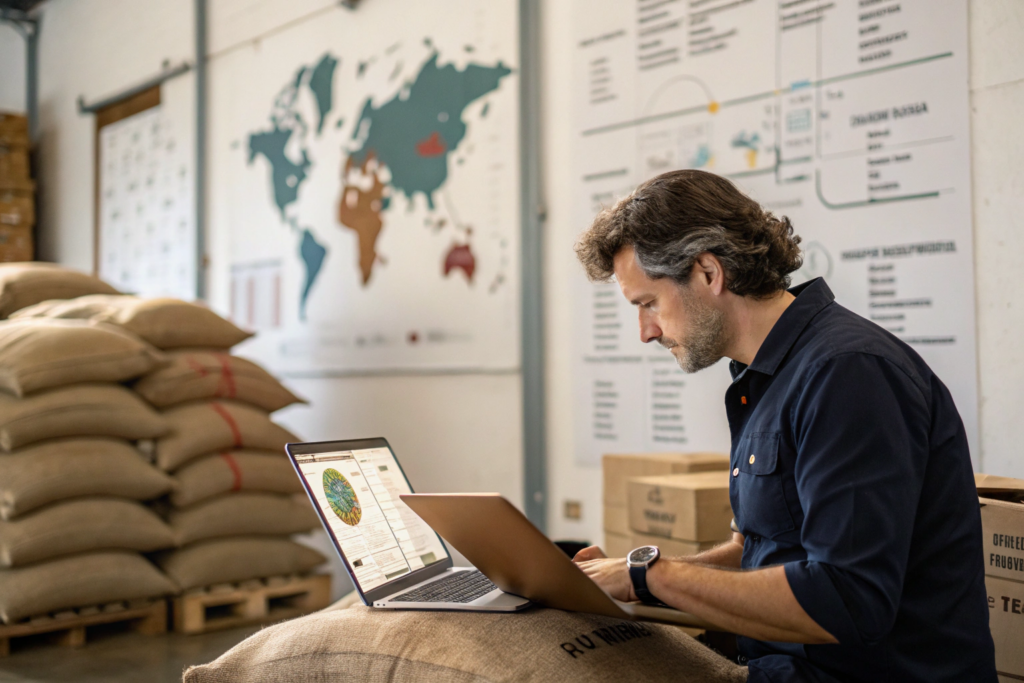
Traceability helps quality control by linking every defect to its source. If a lot tastes musty, you can check the storage records. If a lot has mold, you can check the drying method. The Coffee Institute shares research on green coffee handling. The Coffee Review offers independent tasting notes. I use traceability data to improve my processes. I can see which farms have the best moisture control. I can see which mills have the best defect removal. Then I buy more from the best. I buy less from the rest. So, traceability is not just for buyers. It is for suppliers too. It helps you improve.
How Does Traceability Speed Up Problem Solving?
When a problem happens, speed matters. A container is held at customs. A buyer reports a quality issue. A shipment is delayed. If you have traceability data, you can find the cause fast. The U.S. Customs and Border Protection explains import rules. The FDA explains food safety rules. I have seen traceability cut problem-solving time from weeks to days. You check the lot number. You check the farm. You check the processing date. You find the issue. Then you fix it. So, do not treat traceability as a cost. Treat it as insurance. It pays off when things go wrong.
Can Small Farms Deliver Ultra-Traceable Coffee?
You may think traceability is only for big farms. Small farms cannot do it. They do not have the tools. They do not have the money. That is a common belief. But it is wrong. Small farms can deliver traceability. They just need support.
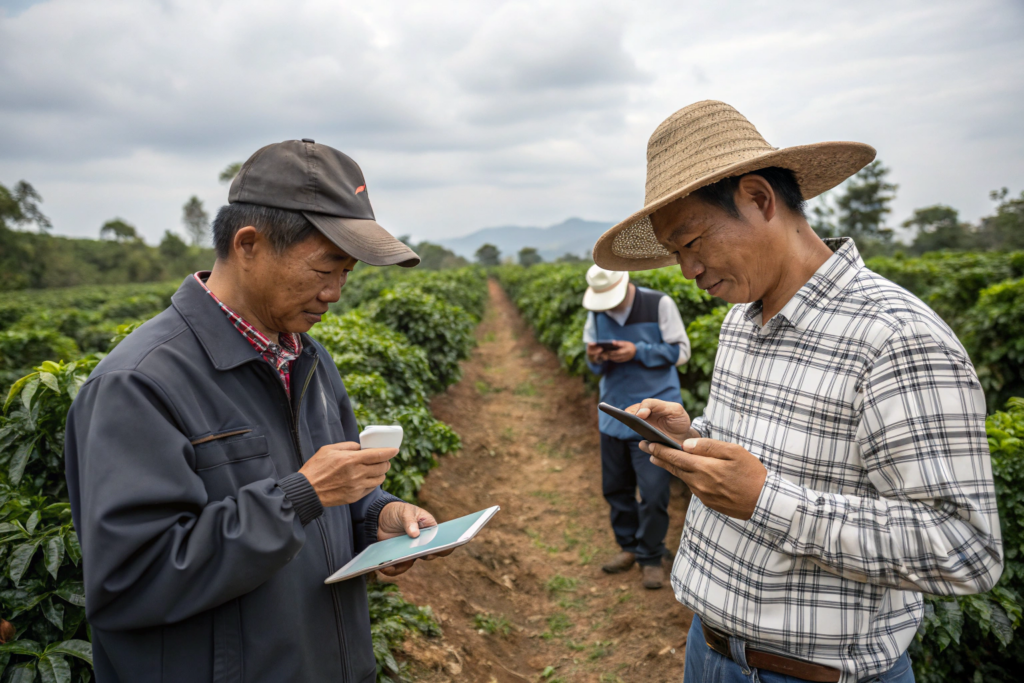
Small farms can deliver ultra-traceable coffee when they work through cooperatives, receive training on data collection, and use simple mobile tools. A cooperative can aggregate data from many small farms and provide one traceability system. This lowers the cost per farm. It also gives buyers the farm-level detail they need. At BeanofCoffee, we work with smallholder farmers in Baoshan and help them record GPS, harvest, and processing data.
The Global Coffee Platform promotes collective action for smallholder traceability. The Rainforest Alliance offers tools for group certification. I have seen small farms succeed with the right support. They use a simple phone app. They take photos. They record GPS. They send the data to the cooperative. The cooperative shares it with the buyer. So, what does this mean? It means traceability is not just for large estates. It is for everyone. It just takes a system.
| Small Farm Challenge | Solution |
|---|---|
| No technology | Simple mobile apps |
| No training | Cooperative workshops |
| High cost | Shared systems |
| No records | Standard forms |
| No buyer link | Cooperative aggregation |
How Do Cooperatives Support Traceability?
Cooperatives are the key. They collect data from many farms. They verify the data. They share it with buyers. The International Coffee Organization supports cooperative development. The Fairtrade system uses cooperatives for certification. I work with cooperatives in Yunnan. They help small farmers meet buyer requirements. They also help them get better prices. So, if you want traceable coffee from small farms, work with a cooperative. They are the bridge.
What Training Do Farmers Need?
Farmers need simple training. They need to know how to record GPS. They need to know how to fill out harvest forms. They need to know how to label bags. The Specialty Coffee Association offers training resources. The Perfect Daily Grind shares farmer stories. I train my farm team every season. We practice with phones. We practice with forms. We practice with QR codes. It takes one day. It changes everything. So, do not assume farmers cannot do it. They can. They just need someone to show them how.
Conclusion
Ultra-traceable lots are the future of B2B coffee trade. They meet new regulations. They protect brands. They reduce supply chain risk. They help small farms. They build trust. You can start small. You can add farm data. You can use simple tools. You can work with cooperatives. Then you can sell to buyers who demand traceability. That is the future. And the future is already here.
If you want a supplier who delivers ultra-traceable Yunnan coffee, contact us. BeanofCoffee owns over 10,000 acres in Baoshan, Yunnan. We export Catimor, Arabica, and Robusta to North America, Europe, and Australia. We track every lot from farm to container. We can share GPS data, harvest records, and processing details. For orders or questions, email Cathy Cai at cathy@beanofcoffee.com. She will help you get the traceability data your buyers need.