You find a new coffee supplier. The price is good. The samples taste great. You want to start fast. But you also remember the last time a new supplier failed. The shipment was late. The moisture was wrong. The documents were missing. You lost money and time. So you need a process that is both fast and safe. That is the problem. You cannot choose one or the other. You need both.
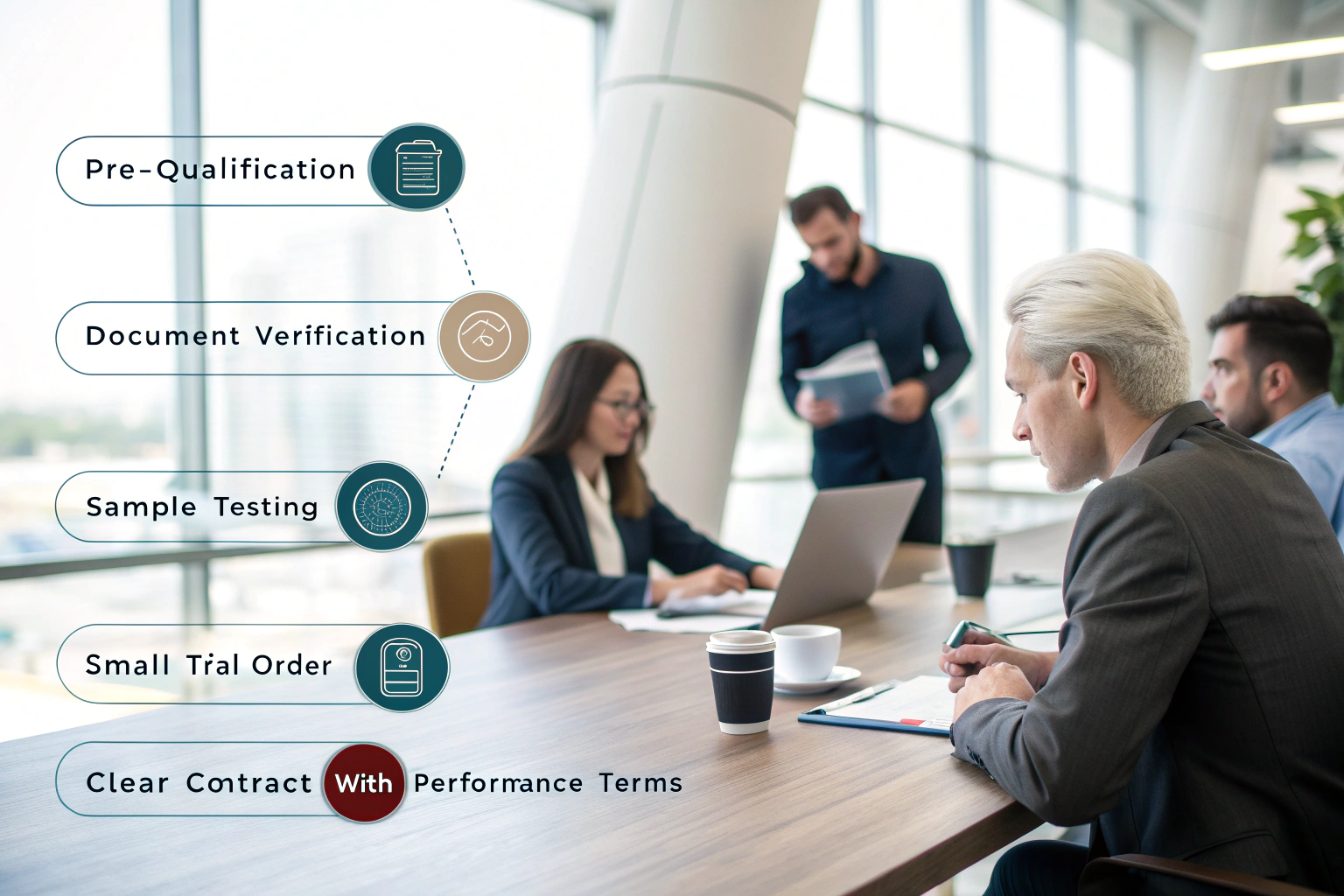
You can onboard a new coffee supplier faster and safer by using a staged process: pre-qualification, document verification, sample testing, small trial order, and a clear contract with performance terms. This approach reduces risk without slowing you down. At BeanofCoffee, we follow this model with our own suppliers and we help our buyers onboard us the same way.
So, what does a staged onboarding process look like? And how do you move through each step quickly? Let me walk you through the details. I have onboarded many suppliers. I have also been onboarded by buyers. I know what works.
What Documents Speed Up Supplier Onboarding?
You ask for documents. The supplier sends a few files. They are incomplete. You ask again. They send the wrong version. Days pass. You lose momentum. That is the problem. Documents slow down onboarding more than anything else. But you can fix it.
To speed up supplier onboarding, request a standard document package upfront: business license, export license, food safety certificates, certifications (Rainforest Alliance, Fairtrade, organic), ICO marks, and recent test reports (moisture, mycotoxin). Use a shared checklist so both sides see what is missing. This single step can cut onboarding time by 50% or more.

What Is the Core Document Checklist for a Coffee Supplier?
You need a clear list. Do not ask for documents one by one. Send the full list on day one. The International Coffee Organization requires an ICO identification mark for each shipment. The FDA requires food facility registration for U.S. imports. The CBP requires country of origin marking. Here is the core checklist:
| Document | Purpose |
|---|---|
| Business license | Verify legal entity |
| Export license | Confirm right to export |
| Food safety certificate | Meet FDA rules |
| ICO mark | Track shipment |
| Test reports | Prove quality |
| Certifications | Meet buyer requirements |
Ask for digital copies first. Then verify the originals later. The Trade.gov website offers export document guidance. I use this checklist with every new supplier. It saves emails and confusion. So, what does this mean? It means you should not start sampling until the documents are in. Otherwise, you waste time on a supplier who cannot ship.
How Do You Verify Certifications Quickly?
Certifications are a common bottleneck. A supplier claims Rainforest Alliance. You need to check it. Do not trust a PDF. Go to the official database. The Rainforest Alliance has a searchable certificate database. The Fairtrade also has a verification tool. I check the certificate number, the scope, and the expiration date. Then I ask for the chain of custody document. The Specialty Coffee Association shares standards for chain of custody. If the supplier cannot provide it, that is a red flag. So, verify before you buy. It takes 10 minutes. It saves weeks.
How Can You Verify a New Coffee Supplier Quickly?
You find a supplier online. Their website looks good. Their prices are low. But you do not know them. You cannot visit the farm. You need to verify them fast. That is the problem. Slow verification kills deals. But you can verify quickly if you know where to look.
You can verify a new coffee supplier quickly by checking their export history, asking for references, using video audits, and running a small trial order. Look at their Alibaba profile, LinkedIn page, and past shipment records. Ask for two or three buyer references in your region. A 30-minute video call from the warehouse tells you more than a brochure.
How Do You Check a Supplier's Export History?
Start with Alibaba. Check how long they have been active. Look at transaction history. Then check LinkedIn for company size and key people. Ask for a bill of lading from a recent shipment. The USDA Foreign Agricultural Service publishes trade data that can help you see if the supplier exports to your country. I also ask for the name of their freight forwarder. A real exporter has a real forwarder. So, do not just look at the website. Look at the paper trail.
Why Do Video Audits Build Trust Fast?
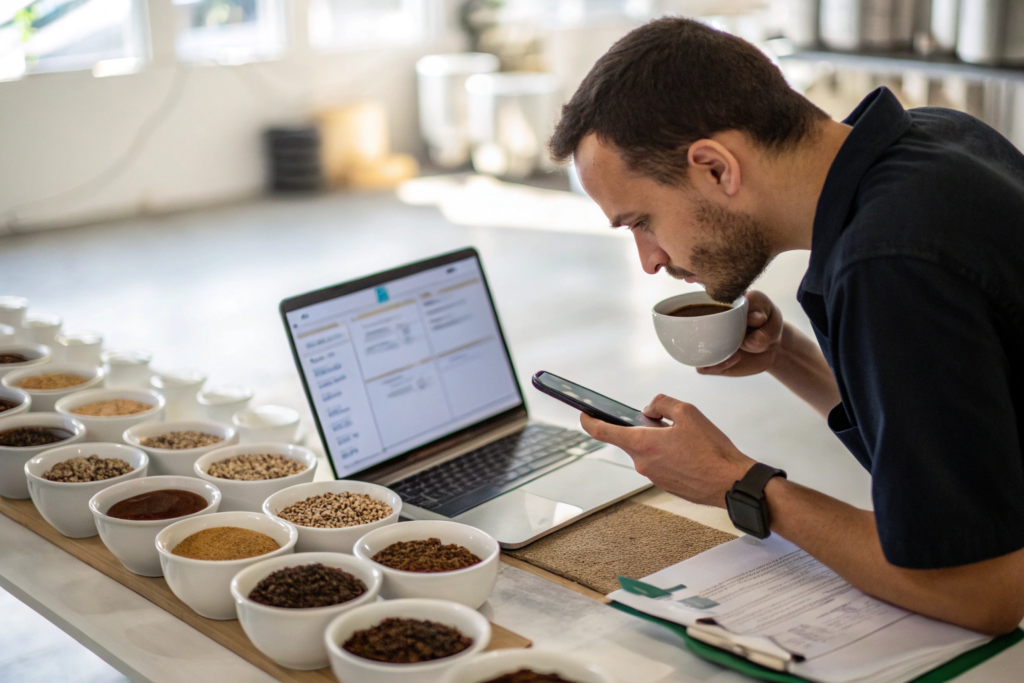
A video audit is a live call from the warehouse. You see the bags. You see the lot numbers. You see the loading. The Specialty Coffee Association recommends visual inspection for green coffee. A video call can replace a first site visit. It is not perfect. But it is fast. I do video audits for every new supplier. I ask them to show me the moisture meter reading. I ask them to open a bag. I ask them to show the storage conditions. The Coffee Institute shares research on storage and quality. If the supplier refuses a video call, that is a warning. So, schedule the call. It takes 30 minutes. It builds trust.
What Quality Checks Prevent Supplier Problems?
You onboard a supplier. The first shipment arrives. The coffee tastes different from the sample. The moisture is too high. You reject the lot. Now you have to start over. That is the problem. Quality checks are not just for the first sample. They must be part of the onboarding process.
To prevent supplier problems, test every trial lot for moisture, density, screen size, defect count, and cup score. Compare the results to your agreed specs. Visit the farm or mill if possible. Use third-party inspection for large orders. A small trial order of 5 to 10 bags will reveal more than a perfect sample.
What Quality Tests Should You Run on a Trial Order?
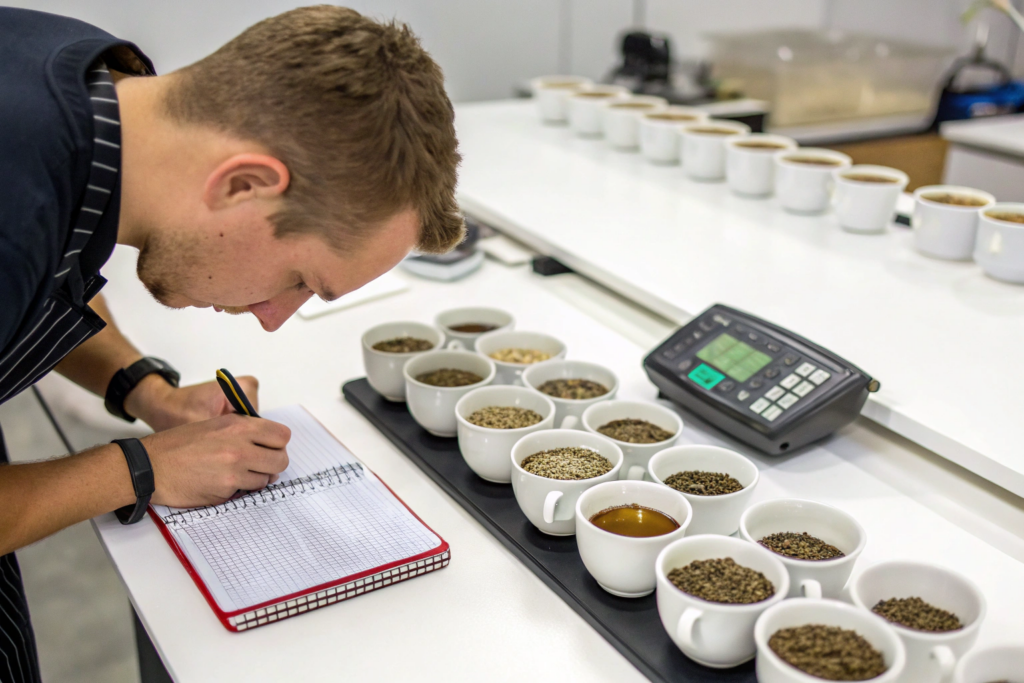
Run five tests. First, moisture. Aim for 10% to 12%. Second, density. Check bulk density or specific gravity. Third, screen size. Confirm the distribution. Fourth, defect count. Follow SCA standards. Fifth, cupping score. Use Coffee Review methods. The World Coffee Research publishes variety and quality data. I also check for mold and mycotoxins using a third-party lab. The FDA sets mycotoxin limits for food. If the trial lot fails any test, stop. Do not proceed. So, test everything. It takes a week. It saves months.
How Do You Compare Trial Results to Your Specs?
Create a simple scorecard. List your specs. List the trial results. Mark pass or fail. The Specialty Coffee Association offers a green coffee grading form. I use a similar sheet. If the moisture is 13% and your max is 12.5%, that is a fail. If the cup score is 84 and your minimum is 85, that is a fail. Do not compromise on the first order. If the supplier cannot meet specs now, they will not meet them later. So, be strict. It is better to find out now than after a full container.
How to Build a Fast and Safe Onboarding Process?
You have the documents. You have verified the supplier. You have tested the coffee. Now you need to put it all together. You need a process that is repeatable. You need a process that is fast. You need a process that is safe. That is the solution.
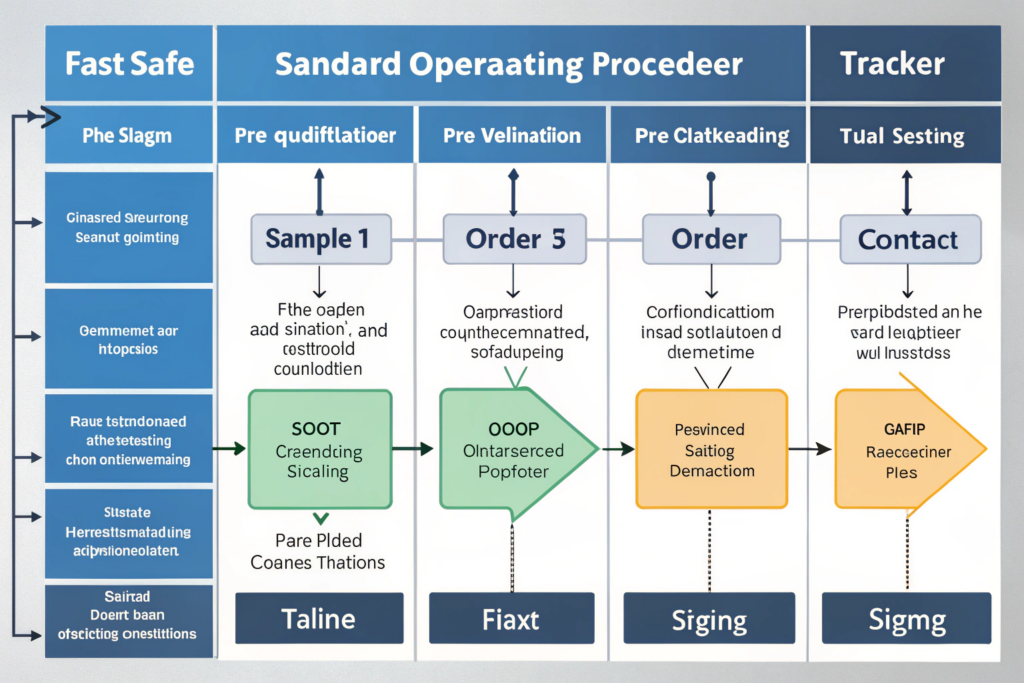
To build a fast and safe onboarding process, create a standard operating procedure (SOP) with five stages: pre-qualification, document verification, sample testing, trial order, and contract signing. Set a timeline for each stage. Assign one person to own the process. Use a shared tracker. Review the results after each stage. This SOP turns onboarding from a gamble into a system.
What Are the Five Stages of Supplier Onboarding?
Stage 1: Pre-qualification. Check the basics. Do they export? Do they have the right certifications? Stage 2: Document verification. Collect and verify the full document package. Stage 3: Sample testing. Cup the samples. Run moisture and density tests. Stage 4: Trial order. Place a small order. Test shipping and communication. Stage 5: Contract signing. Agree on specs, volumes, and terms. The Trade.gov website offers export guidance that supports these stages. I follow this exact process. It works. So, do not skip stages. Each one reduces risk.
How Do You Set a Timeline for Onboarding?
A realistic timeline is 4 to 6 weeks. Week 1: pre-qualification. Week 2: documents. Week 3: samples. Week 4-5: trial order. Week 6: contract. The Mordor Intelligence reports on coffee supply chain trends that can affect timing. If you rush, you miss steps. If you are too slow, you lose the deal. So, set the timeline with the supplier. Share it. Hold each other accountable. I use a simple Gantt chart. It keeps everyone on track.
Conclusion
Onboarding a new coffee supplier faster and safer is possible. It takes a clear document package, quick verification, strict quality checks, and a staged process. You do not have to choose between speed and safety. You can have both. I have used this approach with suppliers in Yunnan and beyond. It works.
If you want a supplier who is ready for fast onboarding, contact us. BeanofCoffee owns over 10,000 acres in Baoshan, Yunnan. We export Catimor, Arabica, and Robusta to North America, Europe, and Australia. We can provide all documents, samples, and trial orders quickly. For orders or questions, email Cathy Cai at cathy@beanofcoffee.com. She will help you onboard us in days, not weeks.