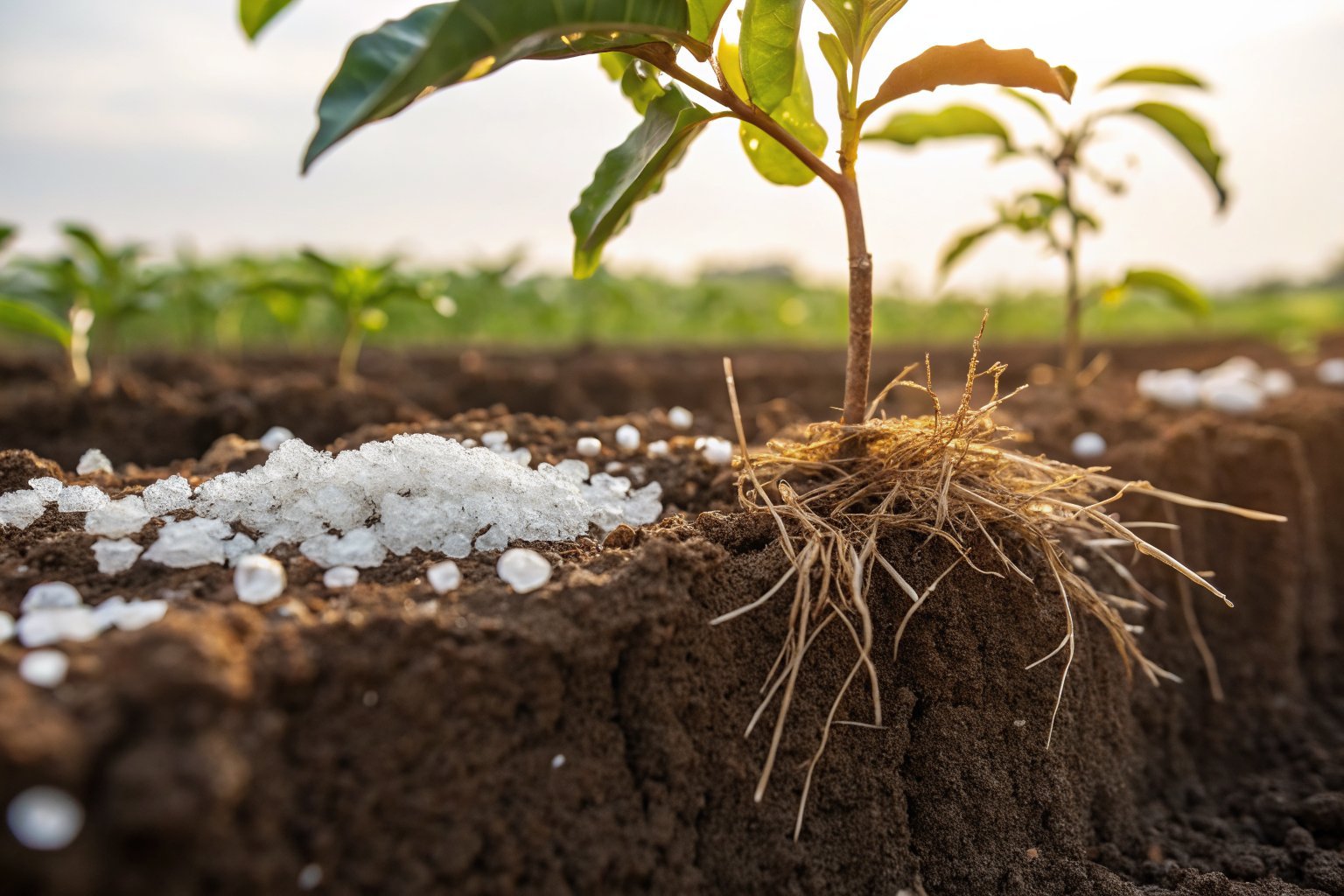
A buyer from Australia called me last year asking about a funny thing. He had tried green samples from two different Yunnan farms located only 30 kilometers apart. One tasted clean, bright, and sweet. The other was flat, slightly bitter, and had an almost metallic finish. Both were the same variety — Catimor. Both were washed processed. The difference was the soil. The bad-tasting beans came from a farm with elevated soil salinity. Saline soil changes coffee in ways that most buyers never consider until they taste the difference side by side. Let me walk you through what happens and how to spot it.
How Does Soil Salinity Alter Coffee Bean Chemistry?
Soil salinity affects coffee plants at the cellular level. When salt concentrations in the soil are high, the plant struggles to absorb water through osmosis. This triggers a stress response that changes how the bean develops inside the cherry. The result is a cup profile that roasters consistently describe as flat, harsh, or mineral-heavy.
What Chemical Changes Occur in Coffee Grown on Saline Soil?
High sodium and chloride ions in the soil disrupt the plant's uptake of potassium, calcium, and magnesium. Potassium deficiency is especially damaging for coffee flavor because potassium is essential for sugar transport from the leaves to the developing cherry. Without enough potassium, the bean accumulates less sucrose, which reduces the sweetness potential of the final cup. The World Coffee Research sensory catalog documents that coffee from saline-affected soils shows elevated levels of chlorogenic acid and reduced trigonelline. Trigonelline is the compound that breaks down during roasting into pleasant, roasty-sweet aromatics. Lower trigonelline means less complexity in the cup. The beans also tend to have higher sodium content, which can create a distinct salty or metallic taste note that cupping professionals identify immediately.
Can You Taste Salinity Directly in the Brewed Coffee?
In severe cases, yes. Coffee grown on highly saline soils can have a detectable salty taste, though it is subtle. More commonly, what you taste is not salt itself but the absence of the flavors that should be there. The coffee tastes hollow — lacking the bright acidity and clean sweetness of coffee grown on healthy soil. The Coffee Quality Institute's soil science report notes that cupping scores for coffee from saline soils average 2 to 4 points lower than coffee from the same region grown on non-saline soils. That is the difference between a 84-point specialty coffee and a 80-point commercial grade. The price gap between those two scores can be 1.50 to 2.50 dollars per pound. At the scale of a container shipment, that adds up to real money.
What Causes Soil Salinity in Coffee-Growing Regions?
Soil salinity is not evenly distributed. It tends to occur in specific geographic and climatic conditions, and understanding those conditions helps you know which regions to watch.
Which Coffee Regions Are Most at Risk for Saline Soil?
Salinity is most common in coffee-growing areas with low annual rainfall, poor drainage, or irrigation with brackish water. Parts of Brazil's Cerrado region, some areas of Ethiopia's lowlands, and certain zones in Vietnam's Central Highlands have documented salinity issues. In Yunnan, the problem is relatively rare but occurs in valleys where irrigation water is drawn from shallow wells with naturally high mineral content. The International Coffee Organization's agronomic risk map identifies approximately 12 percent of global coffee-growing areas as having moderate to high salinity risk. The percentage is climbing as climate change reduces rainfall in some traditional coffee regions and forces farmers to rely more heavily on irrigation. If you are sourcing coffee from a region experiencing drought, ask about soil salinity before you commit to a large order.
Is Salinity a Permanent Problem or Can It Be Fixed?
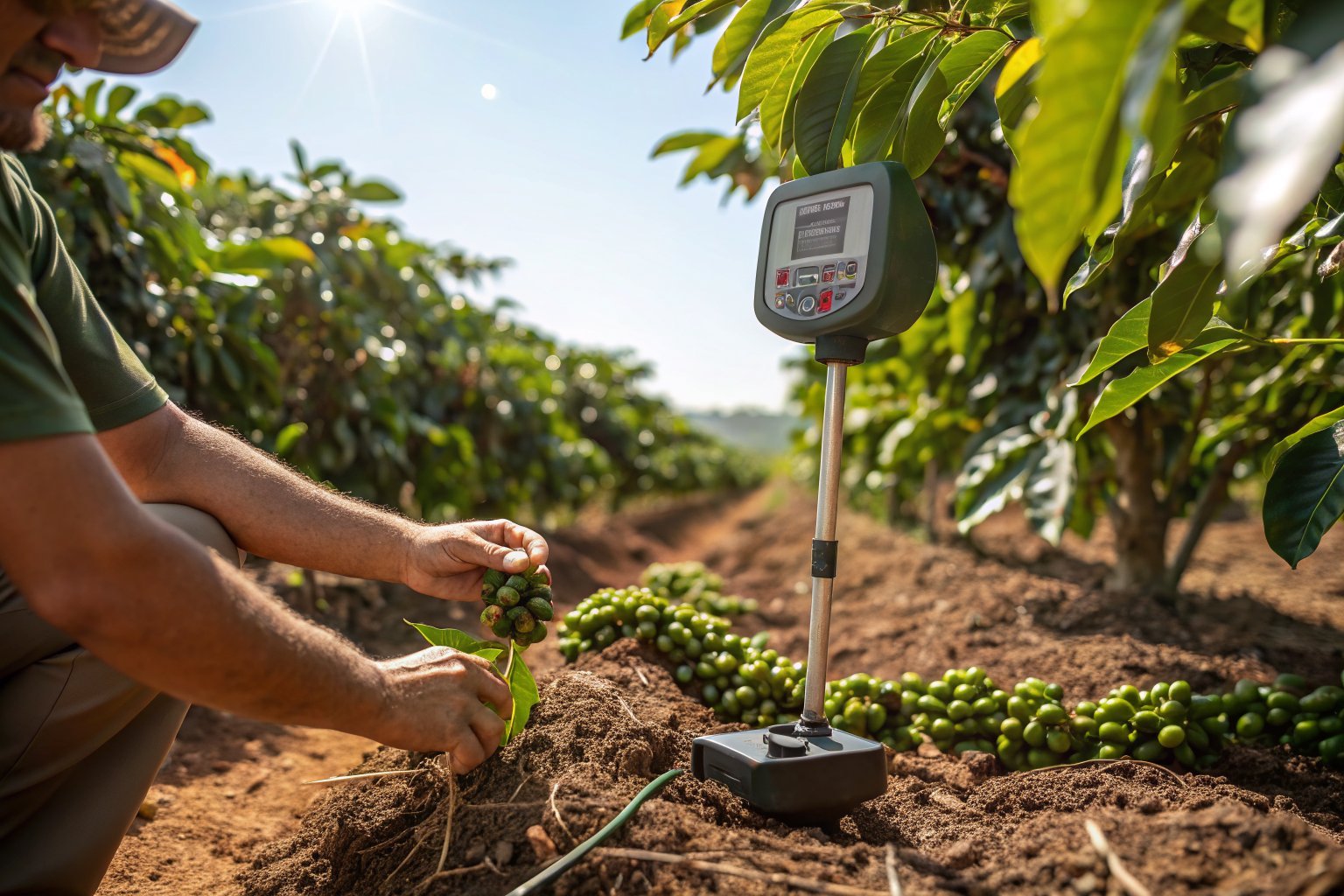
Soil salinity can be managed. The most common remediation technique is leaching — applying large volumes of low-salt water to flush sodium below the root zone. Gypsum application also helps by replacing sodium ions with calcium, which improves soil structure and water infiltration. Cover cropping with salt-tolerant plants reduces surface evaporation and salt accumulation. The World Coffee Research agronomy guide reports that coffee farms implementing salinity management programs typically see flavor score improvements of 1 to 3 points within two growing seasons. At Shanghai Fumao, we work with partner farms that test soil salinity annually and apply corrective treatments when levels exceed 2 decisiemens per meter, which is the threshold where coffee quality begins to decline. A proactive farm management program makes a real difference in cup quality.
How Can You Test for Saline Soil Effects Before Buying?
You do not need to visit the farm to detect salinity issues. Several practical tests can be done on the green beans themselves or on a sample of the soil that your supplier can provide.
What Lab Tests Can Reveal Soil Salinity in Coffee?
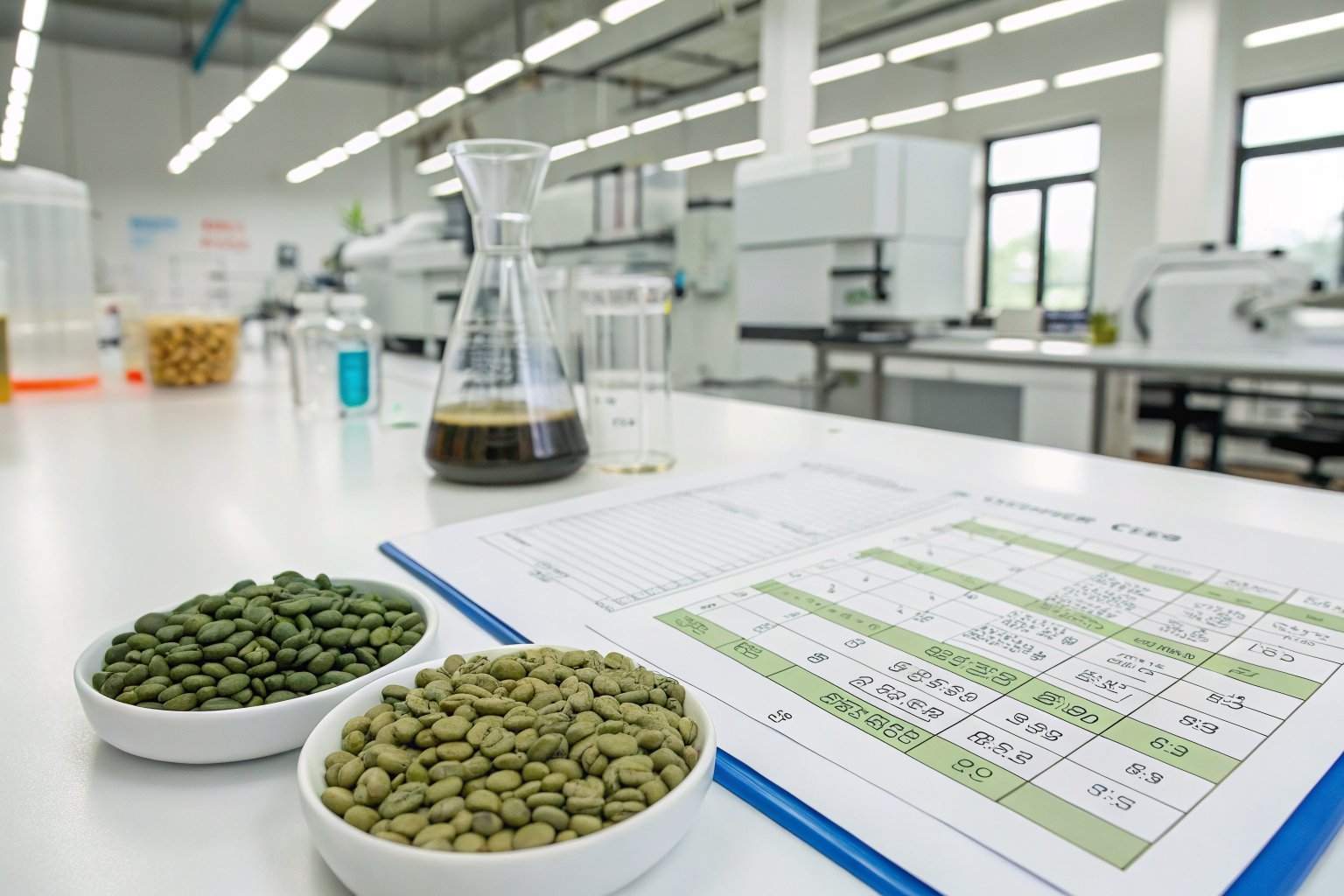
The most definitive test is a sodium content analysis on the green beans. Coffee beans accumulate sodium from the soil, so a high sodium-to-potassium ratio in the bean is a strong indicator of saline growing conditions. Labs like the Coffee Quality Institute's analytical services offer sodium and potassium testing for around 50 dollars per sample. Another useful test is electrical conductivity of the soil. If your supplier can provide a soil sample, a simple EC meter reading above 4 decisiemens per meter indicates moderate salinity that is likely affecting coffee quality. Many coffee exporters, including Shanghai Fumao, provide soil test data as part of their supplier transparency program. When a potential buyer asks for it, we share it without hesitation — and if a supplier hesitates, that is a red flag.
Can You Detect Salinity Issues Just by Cupping?
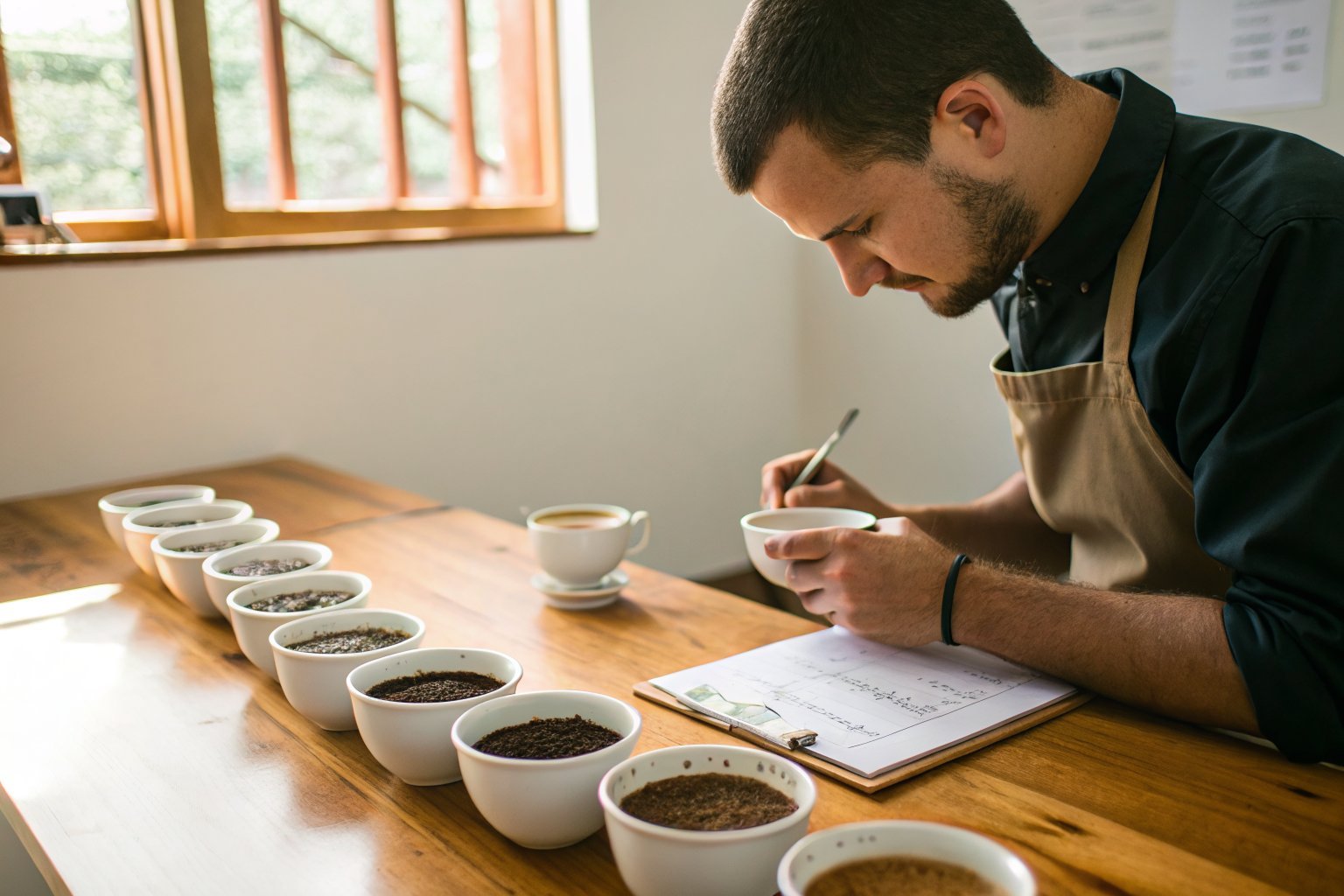
Yes, trained cuppers can identify salinity-affected coffee with reasonable accuracy. The flavor profile has three key signals: a flat, one-dimensional taste with low sweetness, a harsh or astringent finish that lingers, and a metallic or mineral note that seems out of place. The body is often thin because the beans have lower density. The Specialty Coffee Association's cupping protocol includes guidance on identifying "saline stress" in the flavor and aftertaste categories. If you cup a coffee and consistently mark down both sweetness and aftertaste, salinity might be the hidden cause. I have seen buyers reject an entire 250-bag lot based on cupping alone, then confirm the diagnosis with a sodium test that showed levels three times the regional average. Trust your palate, but verify with data.
How Do You Manage Coffee Quality When Buying from Saline Regions?
If you source from a region where salinity is a known issue, you need strategies to protect your quality and your margins. The best approach is prevention: vet your suppliers thoroughly before you buy.
What Questions Should You Ask a Supplier About Soil Conditions?
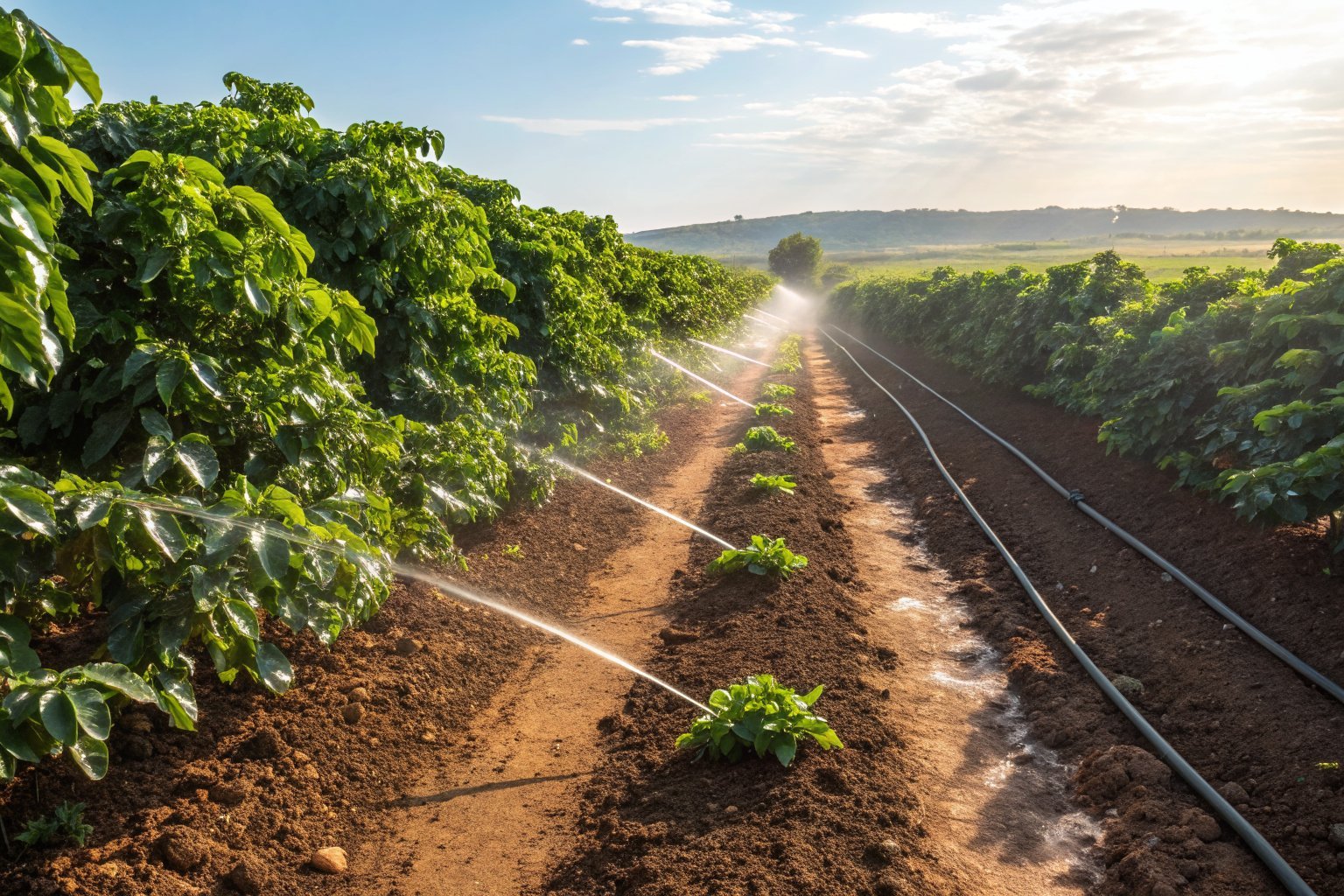
Ask three specific questions. First: what is the electrical conductivity of the soil on the farms you source from? If they do not know, ask why. Second: have you tested your green beans for sodium and potassium content in the last 12 months? Third: what irrigation water source do your partner farms use, and has it been tested for salinity? A supplier who can answer all three with data is a supplier who understands how soil quality affects coffee flavor. The Green Coffee Association's supplier due diligence checklist recommends requesting a soil analysis report for any new origin you are buying in volume. For smaller buyers, a simple request for sodium content data on the green beans is enough to flag potential issues. If the supplier cannot provide it, consider ordering a test batch only — never a full container — until you have cupped and confirmed the quality.
How Do You Blend Saline-Affected Coffee to Minimize Flavor Damage?
If you end up with saline-affected coffee despite your best efforts, blending is the most practical solution. A saline coffee at 20 to 30 percent of the blend can add body without introducing the metallic finish. Keep it below 25 percent in espresso blends where the aftertaste is more noticeable. Pair it with a high-sweetness, high-acidity coffee from a different origin to balance the flavor. The Roast Magazine's blending guide for defect mitigation recommends using saline coffee as a base component in dark roast blends, where the roast flavors mask the hollowness in the cup. Light roast blends expose the defects. I have worked with buyers who buy saline-affected coffee intentionally at a discount, blend it at 20 percent with high-quality Yunnan beans, and produce a perfectly acceptable commercial blend. The key is knowing what you have and pricing it correctly.
Conclusion
Saline soil is a real but manageable factor in coffee quality. It reduces sweetness, lowers trigonelline content, and can introduce a metallic finish that drops cupping scores by 2 to 4 points. But with proper testing — soil EC data, bean sodium analysis, and careful cupping — you can identify affected coffee before you buy. If you end up with saline coffee, strategic blending at 20 to 25 percent can salvage the value. And if you work with suppliers who monitor soil health and manage salinity proactively, you may never have to deal with the problem at all. At BeanofCoffee, we test soil conditions on every partner farm and provide full transparency on growing environment data. We want you to know exactly what you are getting, down to the soil it was grown in. Contact Person: Cathy Cai Email: cathy@beanofcoffee.com