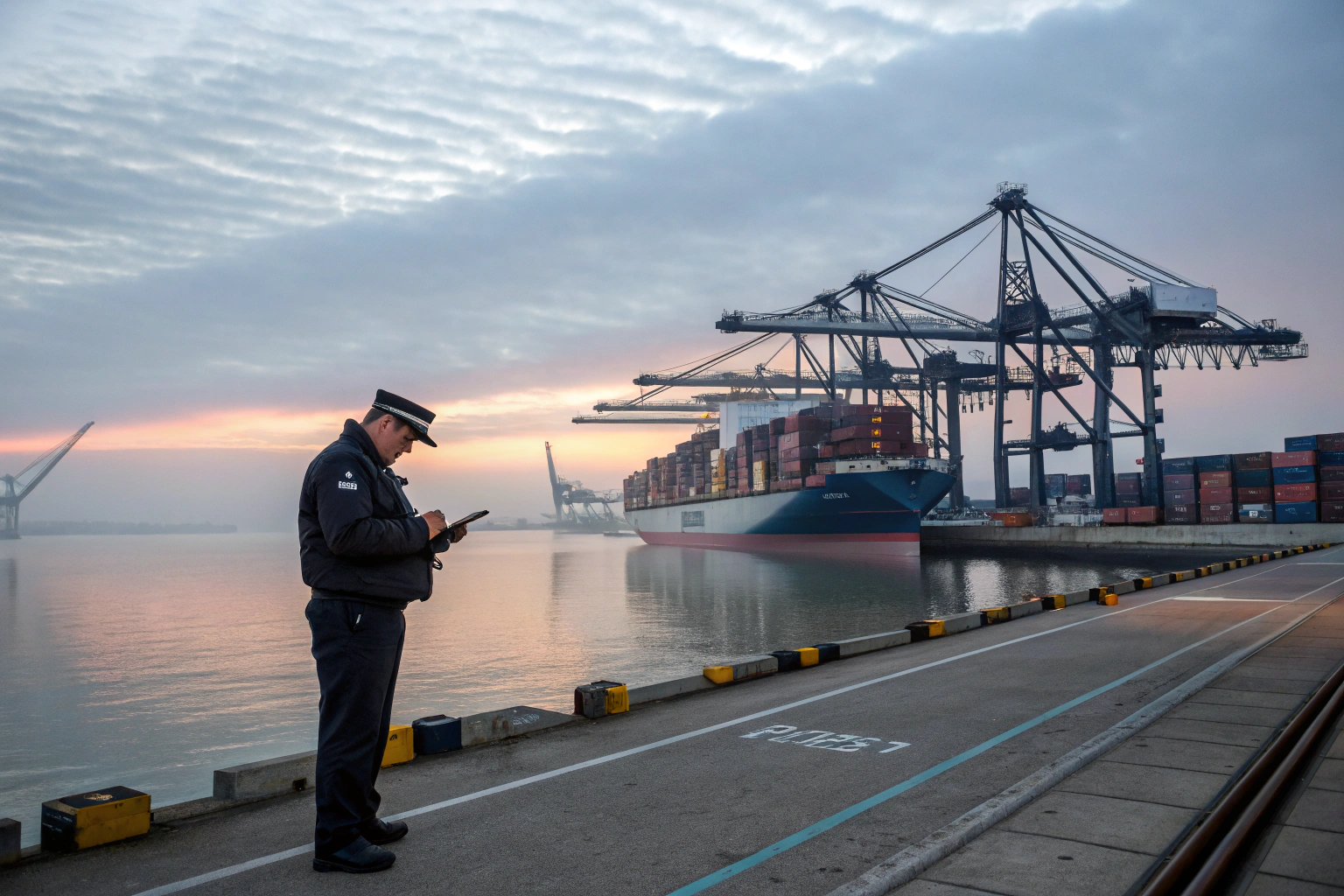
A buyer from London called me in a mild panic last month. He had heard about new UK import rules for 2026. He asked me if his coffee would get stuck at the border. I told him the truth. Some of it might, if he is not ready. The UK is rolling out a new border system. It changes how goods enter the country. Coffee is included. So if you ship green beans to the UK, you need to understand these checks. Not next year. Now. Because the rules take time to prepare for. I have watched the UK border changes closely. We ship to Europe and the UK at BeanofCoffee, so these rules affect our buyers directly. Let me explain what is coming and how to get ready.
So let me walk you through the new UK checks, who they apply to, and how to avoid costly delays.
What Is the UK Border Target Operating Model?
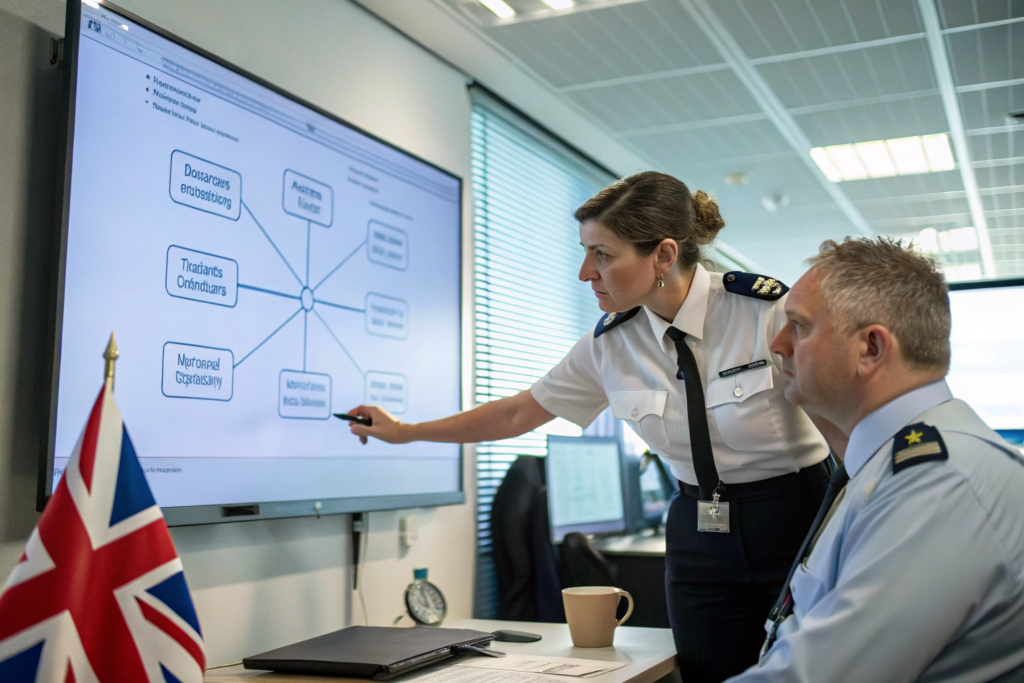
The UK Border Target Operating Model is a new plan for border checks. The UK government created it after Brexit. It replaces old EU rules with a new UK system. The plan rolls out in stages. It covers plants, animals, food, and feed. Coffee is a plant product. So it falls under the rules. The goal is to improve biosecurity. That means stopping pests and diseases from entering the UK. It also means better data and fewer physical checks at the border. So the system uses risk levels. Low-risk goods face fewer checks. High-risk goods face more. Coffee is usually low risk. But low risk does not mean no rules. It means simpler rules. So you still need the right documents. You still need to follow the process.
Which goods does it cover?
The model covers many goods. It covers live animals. It covers plants and plant products. It covers food and feed of non-animal origin. Coffee is in that last group. Green coffee beans are a plant product. Roasted coffee is a processed food. Both can fall under the rules. So if you export coffee to the UK, the model applies to you. The rules depend on the risk level. Low-risk goods need simpler paperwork. High-risk goods need more checks. So check your product's risk level. Then follow the rules for that level. It is not complicated. But it must be done right.
How does it change the old system?
The model changes the old system in several ways. First, it uses a risk-based approach. Not every shipment gets checked. Second, it uses digital systems. Paper forms are fading. Third, it requires more data upfront. That data helps officials decide risk. Fourth, it moves some checks away from the border. Some checks happen at approved facilities. Fifth, it sets new fees. So the system is more modern. It is also more data-driven. That is good news for prepared exporters. It is bad news for unprepared ones. So prepare. Then the system works for you.
What Checks Apply to Coffee?
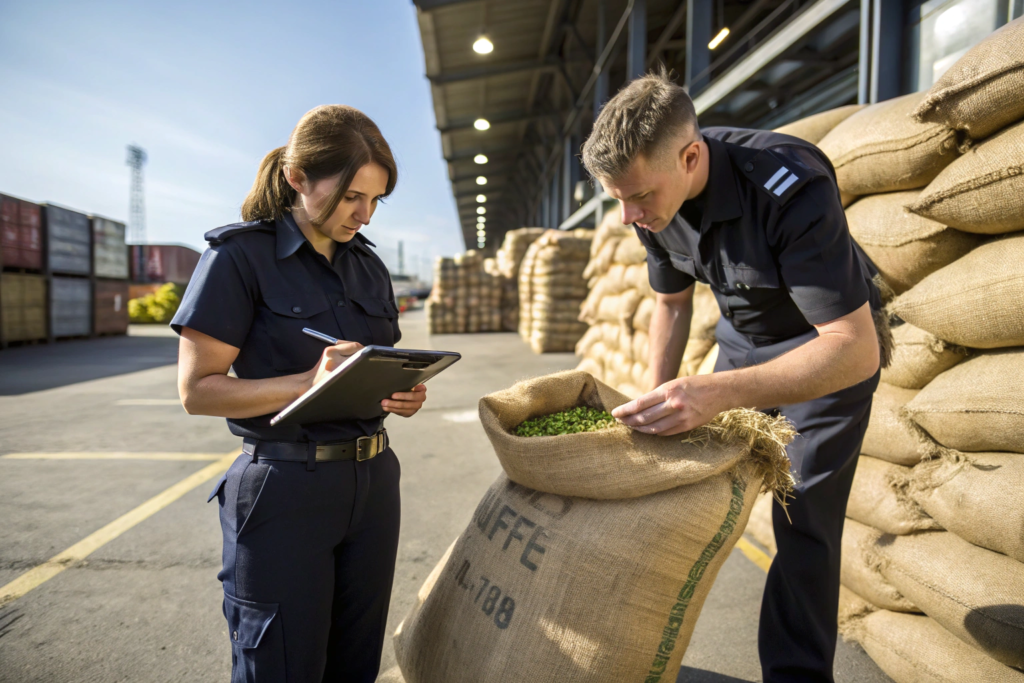
Coffee faces several checks under the new model. First, documentary checks. Officials review your paperwork. Second, identity checks. Officials confirm the goods match the documents. Third, physical checks. Officials may inspect the bags. The level of checking depends on risk. Most coffee is low risk. So most shipments face documentary checks only. Some may face identity checks. Few face physical checks. But the rules can change. So check the latest guidance before you ship. Also, keep your documents clean. Clean documents pass checks fast. Messy documents cause delays. So treat paperwork as part of quality control.
What documents will you need?
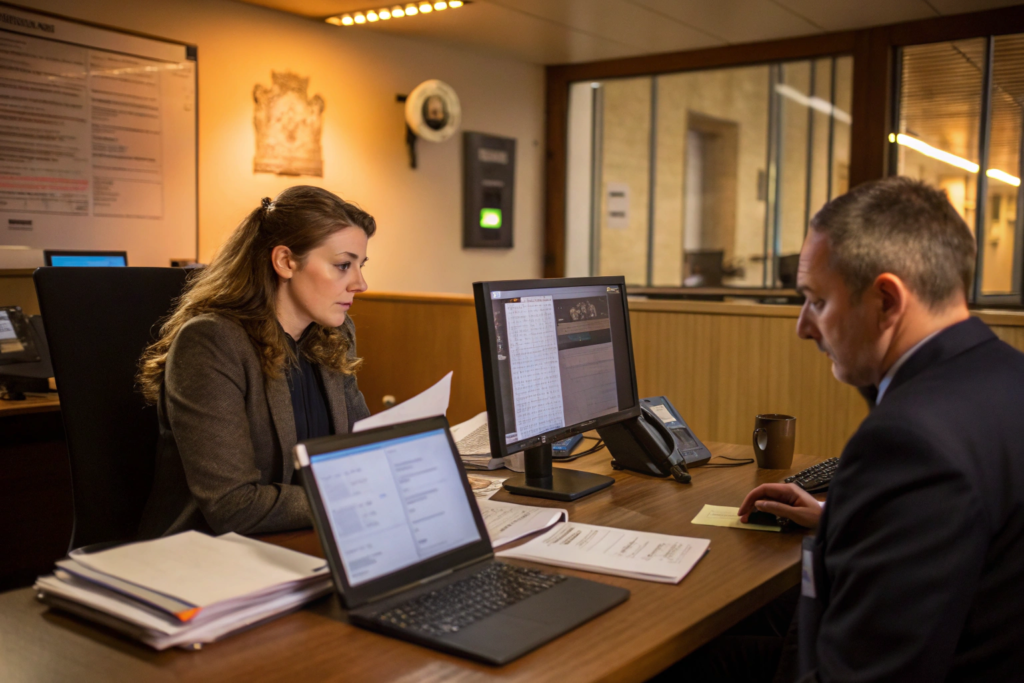
You will need several documents. First, a commercial invoice. Second, a packing list. Third, a bill of lading. Fourth, a certificate of origin. Fifth, a phytosanitary certificate for green coffee. That certificate comes from the exporting country. It proves the coffee is free of pests and diseases. For roasted coffee, you may need a food safety certificate. You may also need an import license. So check the rules for your specific product. Then gather the documents early. Late documents cause delays. Delays cost money. So build a checklist. Then follow it for every shipment.
How do risk levels affect inspections?
Risk levels affect inspections in a direct way. Low-risk goods face fewer checks. High-risk goods face more. Coffee is usually low risk. So most shipments pass with documentary checks. That means fast clearance. But risk can change. If a pest is found in a region, risk may rise. Then checks increase. So stay informed. Check UK government updates. Ask your exporter for news. Then plan for changes. A flexible plan handles risk shifts. A rigid plan breaks. So stay flexible. Stay ready. That keeps your coffee moving.
How Do You Prepare for the 2026 Checks?
Preparation takes several steps. First, register with the UK customs system. Second, get an Economic Operator Registration and Identification number. That is your EORI number. You need it to import. Third, find a good customs broker. A broker who knows food and plants is best. Fourth, prepare your documents early. Fifth, train your team. Everyone should know the process. Sixth, test the process with a small shipment. Learn from it. Then scale up. So start now. Do not wait for 2026. The system is already rolling out in stages. So early preparation saves pain later.
What is an EORI number and why do you need it?
An EORI number is a customs identifier. The UK issues it to businesses that import or export. You need it to clear goods. Without it, your shipment cannot enter. So apply early. The process is simple. You fill out a form. You provide business details. Then you wait for approval. It may take a few days. So do not wait until the last minute. Get your EORI number now. Then give it to your broker. They use it for every shipment. That keeps things smooth. So treat it as a basic step. It is small but essential.
How do you choose a customs broker?
Choose a broker with food and plant experience. Ask about their UK import record. Ask about their software. Ask how they handle holds. Ask about their fees. Then ask for references. Call those references. Ask about delays and how they were solved. A good broker solves problems fast. A bad broker creates them. So choose carefully. Also, keep in touch with your broker. Share your shipping schedule. Share your documents early. Good communication prevents mistakes. So build a relationship. It pays off over time.
What Are the Costs and Risks?
The new checks bring costs. There are document fees. There are broker fees. There are possible inspection fees. There are also storage fees if a shipment is held. So budget for these. Add them to your landed cost. Then price your coffee correctly. The risks include delays, extra fees, and rejected shipments. A rejected shipment is the worst case. It can be returned or destroyed. Both are expensive. So avoid that. How? Follow the rules. Use good documents. Work with a good broker. Then the risks drop. So prepare well. It saves money and stress.

What fees should you expect?
Expect several fees. First, broker fees. These are per shipment. Second, document fees. Third, possible inspection fees. Fourth, storage fees if held. Fifth, transport fees if the route changes. So ask your broker for a full quote. Ask what is included. Ask what is extra. Then compare quotes. Do not compare just one number. Compare the full cost. That way, you see the real price. Then plan your budget. A clear budget prevents surprises. So ask questions. Then write the numbers down.
How do you avoid delays and penalties?
Avoid delays with clean documents and early filing. Submit your paperwork before the ship arrives. Use a broker who knows the system. Keep your EORI number handy. Track your shipment. If a problem appears, act fast. Call your broker. Provide missing documents. Then follow up. Also, avoid penalties by following the rules. Do not underdeclare value. Do not mislabel goods. Do not skip certificates. Honest, accurate filing keeps you safe. So stay honest. Stay accurate. Then your shipments move. That is the goal.
Conclusion
The UK is changing its border rules. The new model rolls out in stages. Coffee is included. Most coffee is low risk. So most shipments face simple checks. But you still need the right documents. You still need an EORI number. You still need a good broker. So prepare now. Do not wait for 2026. Early preparation saves money and stress. We ship to the UK and Europe at BeanofCoffee. We prepare documents early and share them with buyers. So our buyers are ready. If you import coffee to the UK, we can help. Please contact Cathy Cai at cathy@beanofcoffee.com to discuss your order with BeanofCoffee. We will share our UK document checklist and shipping schedule with you.