
A roaster in Denver once told me he hated negotiating. He said he always paid the first price he was quoted. Then he showed me his invoices. The same coffee cost him different prices across three suppliers. The gap was 22 percent. He had no idea. He was not being cheated. He just never checked. That conversation stayed with me. Most buyers do not lack money. They lack data. When you have data, you have power. You know what is fair. You know what is high. You know what to ask for. Benchmarking is how you get that data. At BeanofCoffee, we share benchmark data with our buyers because we want long relationships, not one-time wins. Let me explain how to use it well.
So let me walk you through what benchmarking data is, where to find it, and how to use it in a real negotiation.
What Is Coffee Benchmarking Data?
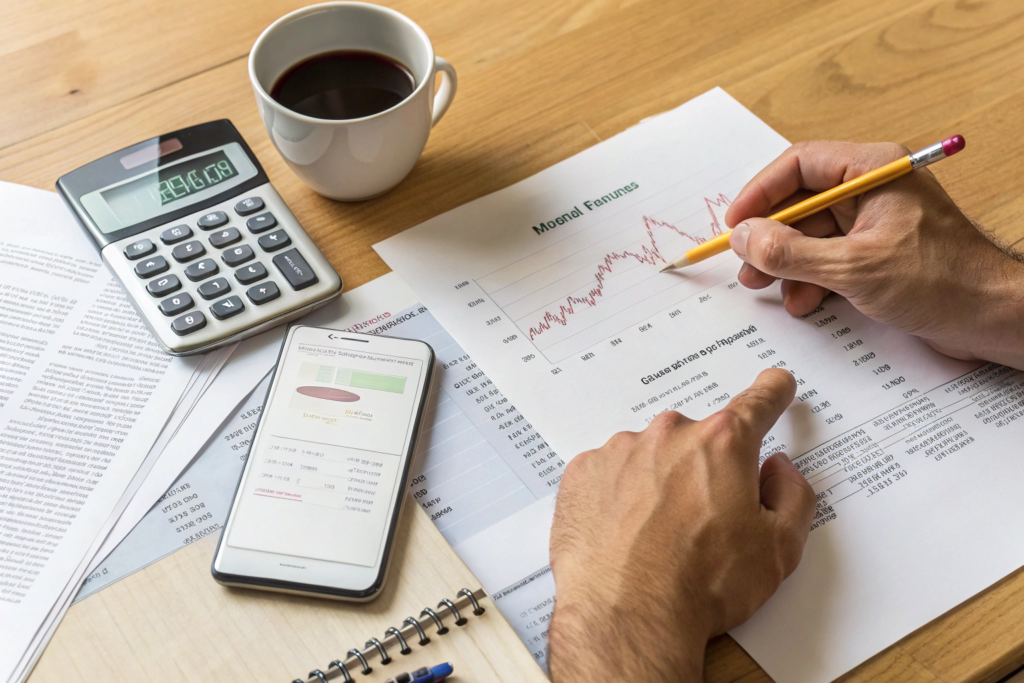
Benchmarking data is information about market prices and costs. It shows what other buyers pay for similar coffee. It shows what the market is doing right now. It covers green coffee prices, freight rates, tariff costs, and processing fees. It also covers quality scores and defect counts. So benchmarking is not one number. It is a set of numbers. Together, they show you the real market. That is powerful. Without it, you negotiate blind. With it, you negotiate with facts. Facts beat feelings in every negotiation. So build your data set before you talk price. It changes the whole conversation.
What data should you collect?
Collect several types of data. First, the ICO composite price and other index prices. These show the global market trend. Second, the C price from the futures market. This shows what traders are paying. Third, freight rates from your forwarder. Fourth, tariff and duty rates for your country. Fifth, quality data like cupping scores and defect counts. Sixth, your own historical prices. Together, these give you a full picture. So start a simple file. Update it monthly. Then use it when you negotiate. Data builds confidence. Confidence builds better deals.
Where do you find reliable benchmarks?
Find benchmarks from trusted sources. The ICO publishes monthly reports. The ICE futures market shows daily prices. Freight platforms like Freightos show shipping rates. Government sites show tariff rules. Trade associations publish quality standards. Your own suppliers can also share data. We share our cost structure with regular buyers. That transparency builds trust. So use many sources. Cross-check them. Then build your own view. Do not rely on one number. The market is complex. So your data should be too.
How Do You Build a Benchmarking System?
Building a system takes time, but it is simple. Start with a spreadsheet. Add columns for origin, quality, price, freight, tariff, and total landed cost. Then add rows for each supplier or each quote. Update it every time you get a new quote. After a few months, you will see patterns. You will see which suppliers are high. You will see which routes are cheap. You will see how prices move with the market. This system is not fancy. A basic spreadsheet works fine. The key is consistency. Update it often. Then use it in every negotiation. That habit pays for itself quickly.

What tools and templates help?
Simple tools work best. Use a spreadsheet program like Excel or Google Sheets. Create a template with clear columns. Add a row for each quote. Add a formula for total landed cost. Add a chart to show price trends. You can also use free tools from trade sites. Some freight platforms offer rate comparisons. Some industry groups offer price dashboards. So start simple. Do not buy expensive software at first. A clean template and a monthly habit will do more than any fancy tool. So build the habit first. Then upgrade if you need to.
How often should you update your data?
Update your data every month at least. Weekly is better if you ship often. Prices move fast. Freight rates change even faster. So check them often. Also update when you get a new quote. And update when the market has a big move. A tariff change, a frost in Brazil, or a port strike can shift prices overnight. So stay alert. Then update your file. That way, your data stays fresh. Fresh data keeps your negotiation strong. Stale data leads to bad deals. So make updates a routine. It takes ten minutes. It saves thousands.
How Do You Use Data in a Negotiation?
Use data to set your target. Before you talk, decide three numbers. Your target price. Your fair price. Your walk-away price. Then support each number with data. When you talk, share the data. Say, "The ICO index is here. Freight is here. My landed cost target is here." Then ask for their number. This shifts the talk from feelings to facts. It also shows you are serious. Suppliers respect prepared buyers. They also give better prices to prepared buyers. So prepare. Then speak calmly. Data does the heavy lifting. You just guide the talk.

How do you present your data without conflict?
Present data with respect. Do not attack. Do not say, "Your price is too high." Say, "Here is the market data. Can we look at this together?" That tone invites teamwork. It also reduces tension. Share the numbers. Ask for their view. Listen to their answer. Maybe they have a reason for the price. Maybe quality is higher. Maybe freight is different. So listen first. Then respond. A good negotiation is a conversation, not a fight. Data helps, but tone matters too. So stay calm. Stay open. Then find a deal that works for both sides.
What if the supplier won't budge?
If a supplier will not budge, use your data to decide. Is their price above your walk-away number? If yes, walk away. That is not failure. That is discipline. There are other suppliers. If their price is fair but not low, think about value. Maybe their quality is better. Maybe their delivery is more reliable. Maybe their documents are cleaner. Those things have value. So do not chase the lowest number alone. Chase the best total value. Then decide. Sometimes paying a little more is the smarter deal. So use data to judge value, not just price.
What Mistakes Should You Avoid?
Avoid several common mistakes. First, do not compare apples to oranges. A washed Arabica is not the same as a natural Robusta. So match quality before you match price. Second, do not ignore freight and tariffs. A low farm price can become a high landed cost. Third, do not use stale data. Fourth, do not share your walk-away number. Fifth, do not let emotion drive the talk. So stay logical. Stay calm. Stay prepared. These habits protect you. They also help you build trust with suppliers. Trust leads to better terms over time. So avoid the mistakes. Then enjoy the results.

Why is comparing the wrong quality risky?
Comparing the wrong quality is risky because it misleads you. A cheap lot may have more defects. It may taste flat. It may cost more to sort. So the low price is not real. You pay later in labor and waste. So always compare like with like. Check the cupping score. Check the defect count. Check the moisture. Check the screen size. Then compare price. That way, you compare value, not just numbers. Value is what matters. So do the quality check first. Then talk price. That order keeps you safe.
How do you avoid emotional negotiation?
Avoid emotional negotiation with preparation and rules. First, set your numbers before the call. Write them down. Second, stick to them. Third, take a break if you feel tense. Fourth, do not respond to pressure. Fifth, remember that silence is fine. You do not have to fill every pause. So prepare, breathe, and follow your plan. Emotion is normal. But it should not drive the deal. Data should drive the deal. So let the numbers lead. You just guide the conversation. That keeps things calm and clear.
Conclusion
Benchmarking data changes how you buy coffee. It turns guessing into knowing. It turns feelings into facts. It gives you power in every negotiation. So build a simple system. Collect data from trusted sources. Update it often. Then use it in every talk. You will pay fair prices. You will avoid bad deals. You will build better supplier relationships. We share benchmark data with our buyers at BeanofCoffee. We want them to know the market. That honesty builds long partnerships. If you want a supplier who negotiates with data, we can help. Please contact Cathy Cai at cathy@beanofcoffee.com to discuss your order with BeanofCoffee. We will share our pricing data and market updates with you.