
A buyer from Miami once called me with a problem. He had booked a shipment under FOB. But his contract said nothing about who paid the inland trucking in China. So the coffee sat at the port for three days. Both sides blamed the other. Nobody paid. The storage fees grew. That fight cost him more than the trucking ever would have. And it started with one missing line in a contract. Incoterms are like that. They look boring. They look like legal filler. But they decide who pays, who risks, and who is responsible at every step. Get them wrong, and you lose money and time. Get them right, and your shipments move clean. I have seen both. So let me share the ten most common mistakes I see importers make with Incoterms.
So let me walk you through each mistake and how to avoid it.
Mistake 1: Confusing FOB with CIF
FOB and CIF are the two most common terms in coffee. But they are not the same. FOB means the seller delivers the goods on board the vessel. After that, the buyer pays and carries the risk. CIF means the seller pays the freight and insurance to the destination port. After that, the buyer takes over. So the cost and risk shift at different points. Many importers mix them up. They think CIF means door delivery. It does not. It means port to port. So read the term carefully. Then match it to your needs. A mistake here can cost thousands.

What does FOB actually cover?
FOB covers the goods until they are on board the vessel. The seller handles export clearance. The seller pays inland transport to the port. The seller loads the container. Then the risk passes to the buyer. So the buyer pays the ocean freight. The buyer pays insurance. The buyer handles import clearance. So FOB gives the buyer more control. But it also gives more work. So know what you are signing. Then plan accordingly.
What does CIF actually cover?
CIF covers more. The seller pays the ocean freight. The seller arranges insurance. The seller delivers to the destination port. Then the risk passes to the buyer. So CIF is simpler for the buyer. But it is also less flexible. The seller chooses the carrier. The seller chooses the insurance. So the buyer has less control. So CIF works well for new buyers. FOB works well for experienced ones. So choose based on your team. Then read the terms.
Mistake 2: Ignoring the Delivery Point
Every Incoterm has a delivery point. That is where risk passes. Many importers ignore this detail. They assume the port is the point. But it depends on the term. For FOB, the point is on board the vessel. For CIF, it is also on board. For DAP, it is the named destination. For DDP, it is the final delivery point. So the term matters. So does the named place. If the contract says "FOB Shanghai," the point is Shanghai. If it says "DAP Chicago," the point is Chicago. So be specific. Then avoid confusion.

Why does the named place matter?
The named place matters because it defines the handover. If the place is vague, the handover is vague. That creates disputes. So write the exact place. Write the exact address if possible. Then both sides know. So do not write "China." Write "Shanghai Port, China." So be specific. Then avoid fights. So the named place is not a detail. It is a key term. So treat it that way.
What happens if the place is unclear?
If the place is unclear, problems follow. The seller may deliver to the wrong spot. The buyer may refuse the goods. Storage fees may start. Insurance may not cover the gap. So the risk sits in limbo. Nobody wants that. So clarify the place before you sign. Then confirm it in writing. So a short email can save a long fight. So do it. Then relax.
Mistake 3: Choosing the Wrong Term for Your Route
Different routes need different terms. A simple port-to-port route works well with FOB or CIF. A complex route with inland delivery works better with DAP or DDP. So match the term to the route. Many importers use the same term for every shipment. That is a mistake. A term that works for Europe may fail for a landlocked city. So think about your route. Then choose the term. So do not copy your last contract. Build a new one. So the term fits the shipment. So the shipment runs smooth.

When should you use DAP or DDP?
Use DAP when you want delivery to a place but not import clearance. Use DDP when you want everything handled. DDP is the most seller-friendly term for the buyer. The seller pays duties and delivers to your door. But DDP is also the riskiest for the seller. So not every supplier offers it. And DDP can be expensive. So use it when you need simplicity. Use DAP when you can handle import yourself. So choose based on your capacity. Then confirm the details.
How do you match terms to your supply chain?
Match terms by asking three questions. First, who is best at each step? Second, who has the better rates? Third, who carries the risk? Then assign the term. If you have a strong broker, take more control. If your supplier has better logistics, let them handle it. So the term follows the strength. So do not force a term. Fit it to the chain. So the chain works better. So you save money.
Mistake 4: Forgetting Insurance Gaps
Insurance gaps are common. CIF includes insurance. But the coverage may be minimal. It may only cover named perils. It may not cover mold or moisture. So the buyer thinks they are covered. Then a claim fails. So check the insurance terms. Ask what is covered. Ask what is excluded. Then buy extra coverage if needed. So do not assume. So read the policy. Then fill the gaps. So your coffee is protected. So your money is safe.

What does CIF insurance usually cover?
CIF insurance usually covers minimum coverage. That is often Institute Cargo Clauses C. That covers major perils. It does not cover many risks. Mold and moisture are often excluded. So check the clause. Then upgrade if needed. Clause A covers the most. So ask for Clause A. Then confirm the exclusions. So you know your protection. So you can plan.
How do you close coverage gaps?
Close gaps by buying extra insurance. First, ask your broker. Second, compare policies. Third, add mold and moisture coverage. Fourth, add contamination coverage. Fifth, add delay coverage if available. So build a policy that fits coffee. So your risks are covered. So your claims succeed. So your money is safe.
Mistake 5: Ignoring Customs and Duties
Customs and duties are part of the cost. But many importers ignore them when choosing a term. Under DDP, the seller pays duties. Under DAP, the buyer pays. Under FOB, the buyer pays. So the term decides who pays. So know the duty rate. Then choose the term. So the cost is clear. So the budget is right. So no surprises at the border.
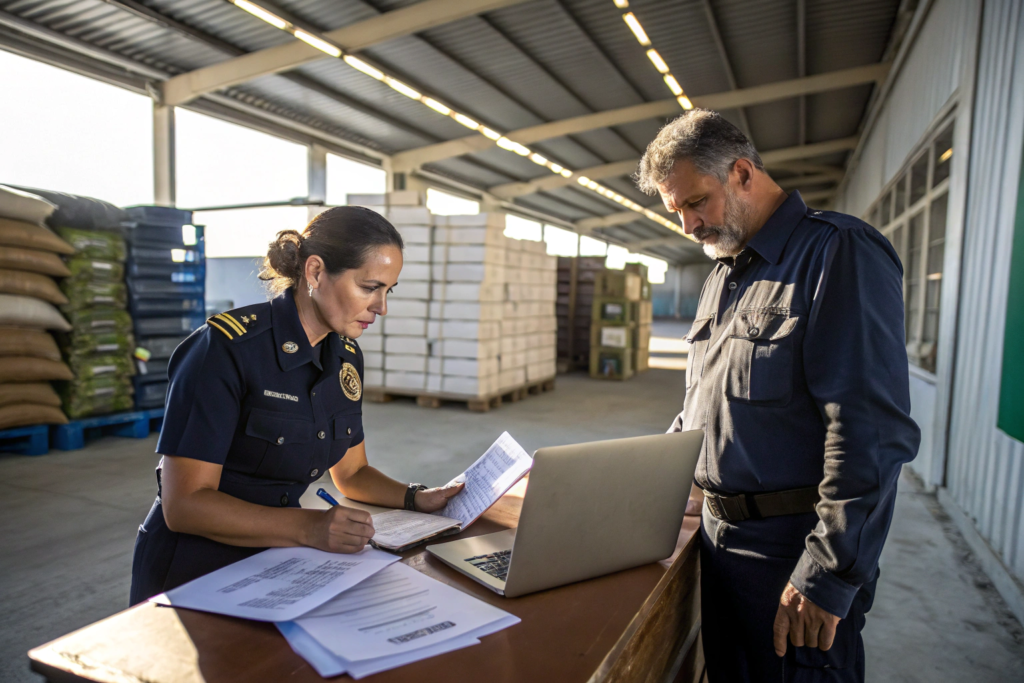
Who pays duties under each term?
Duties depend on the term. Under FOB and CIF, the buyer pays. Under DAP, the buyer pays. Under DDP, the seller pays. So the term shifts the cost. So check the term. Then check the duty rate. Then budget. So the numbers work. So the deal works.
How do you estimate landed cost?
Estimate landed cost by adding several items. First, the coffee price. Second, the freight. Third, the insurance. Fourth, the duties. Fifth, the inland transport. Sixth, the storage. Seventh, the broker fees. So add them up. Then compare suppliers. So you compare real numbers. So you choose the best deal. So your margin is safe.
Mistake 6: Using Outdated Incoterms
Incoterms change over time. The 2010 version is different from the 2020 version. Some terms were removed. Some were renamed. So using an old term can cause confusion. So always state the version. Write "Incoterms 2020" in the contract. Then both sides use the same rules. So there is no confusion. So the contract is clear. So the shipment is smooth.

What changed in Incoterms 2020?
Incoterms 2020 changed several things. First, DAT became DPU. Second, some insurance rules changed. Third, some cost rules changed. Fourth, some security rules changed. So the details matter. So read the update. Then use the new terms. So your contract is current. So your rights are protected.
Why does the version matter?
The version matters because rules differ. A term in 2010 may mean something different in 2020. So if the contract does not say the version, both sides may assume different rules. That creates disputes. So write the version. Then both sides agree. So the contract is clear. So the shipment is smooth.
Mistake 7: Skipping the Contract Details
The Incoterm is one line. But the contract has many details. Those details matter. They cover payment, quality, delivery, and disputes. So do not focus on the Incoterm alone. Read the whole contract. Then ask questions. Then fix gaps. So the contract is complete. So the shipment is safe. So the relationship is strong.

What other clauses matter most?
Several clauses matter. First, quality specs. Second, payment terms. Third, delivery dates. Fourth, inspection rights. Fifth, dispute resolution. Sixth, force majeure. So read them all. Then negotiate. Then sign. So the contract protects you. So the deal is safe.
How do you negotiate unclear terms?
Negotiate unclear terms by asking questions. First, ask what it means. Second, ask for examples. Third, ask for changes. Fourth, confirm in writing. So the term becomes clear. So both sides agree. So the contract works. So the deal works.
Mistake 8: Assuming Incoterms Cover Payment
Incoterms do not cover payment. They cover delivery and risk. Payment terms are separate. So do not assume the Incoterm protects your money. You need a payment term. You need a letter of credit or a wire transfer. You need clear rules. So separate the two. Then protect both. So your coffee is safe. So your money is safe.

What payment terms work best for coffee?
Payment terms vary. First, wire transfer before shipment. Second, letter of credit. Third, documents against payment. Fourth, open account for trusted partners. So choose based on trust. Then confirm the terms. So the money is safe. So the coffee ships.
How do you protect your payment?
Protect payment with several tools. First, use a letter of credit. Second, use a trusted broker. Third, check the supplier. Fourth, insure the shipment. Fifth, keep records. So the risk drops. So the money is safe. So the deal works.
Mistake 9: Ignoring Risk Transfer Points
Risk transfer is the heart of Incoterms. It decides who carries the loss. So know the point. Then insure up to that point. Then plan from that point. So the risk is covered. So the loss is small. So the deal survives.

Where does risk transfer under common terms?
Risk transfers at different points. Under FOB and CIF, it transfers on board the vessel. Under DAP, it transfers at the named place. Under DDP, it transfers at the final destination. So know the point. Then plan. So the risk is managed.
How do you insure the right gap?
Insure the right gap by matching the policy to the term. Under FOB, insure from the port. Under CIF, check the seller's policy. Under DAP, insure from the port to the door. So the coverage matches the risk. So the claim succeeds. So the money is safe.
Mistake 10: Not Reviewing Terms with a Professional
Incoterms are legal terms. They have real consequences. So do not guess. Ask a professional. Ask a freight forwarder. Ask a customs broker. Ask a lawyer if the deal is large. So the terms are right. So the shipment is safe. So the deal works.

When should you hire a specialist?
Hire a specialist for large deals. Hire one for new routes. Hire one for new terms. Hire one for complex customs. So the risk drops. So the cost is clear. So the deal works.
What questions should you ask?
Ask several questions. First, what does this term cover? Second, where does risk transfer? Third, who pays each cost? Fourth, what insurance is included? Fifth, what are the exclusions? So the answers are clear. So the contract is clear. So the deal is safe.
Conclusion
Incoterms are not glamorous. But they decide real money. They decide who pays. They decide who risks. They decide who wins when things go wrong. So learn the terms. Then choose them with care. Then write them clearly. Then review them with a pro. That is how you avoid the ten mistakes. That is how you protect your margin. We help our buyers get Incoterms right at BeanofCoffee. We explain each term. We confirm each detail. So the shipment runs clean. If you want a supplier who understands trade terms, we can help. Please contact Cathy Cai at cathy@beanofcoffee.com to discuss your order with BeanofCoffee. We will share our shipping terms and our process with you.