
A product developer from California called me last summer with a problem. His RTD cold brew line was growing fast. But his costs were rising faster. His Colombian beans were too expensive. His Brazilian beans were inconsistent. He needed a stable Arabica at a fair price. He asked me a direct question. "Can Chinese Arabica work for ready-to-drink coffee?" I told him yes. And I told him why. Yunnan Arabica has the right profile for RTD. It is clean. It is sweet. It is consistent. And it ships fast from China. That call turned into a long-term contract. So let me explain why Chinese Arabica fits RTD manufacturing so well.
So let me walk you through what RTD manufacturers need and why Yunnan Arabica delivers.
What Does RTD Coffee Manufacturing Require?
RTD coffee has specific needs. First, consistency. Every batch must taste the same. Second, a clean base. Off-flavors show up in cold coffee. Third, good solubility. The extract must mix well. Fourth, stable supply. You cannot run a production line on guesswork. Fifth, fair pricing. Margins are thin in RTD. Sixth, reliable logistics. Delays stop production. So RTD is not like specialty roasting. It is industrial. It needs volume, stability, and repeatability. So the green bean must be uniform. It must cup clean. It must arrive on time. That is the bar. So let me show you how Yunnan Arabica meets it.
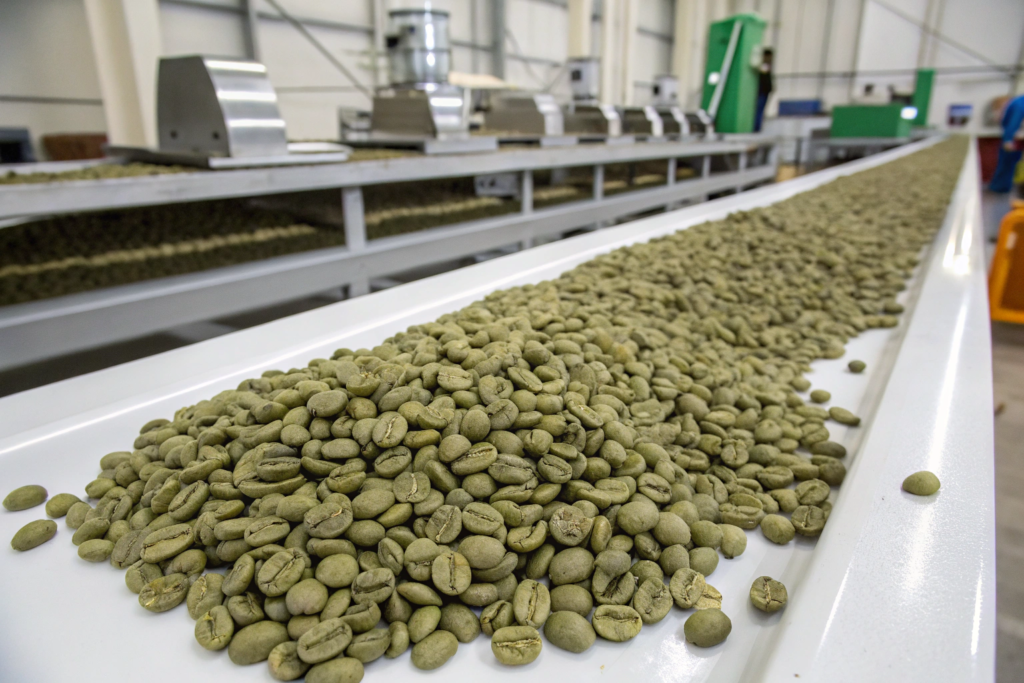
What flavor profile works best for RTD?
RTD coffee needs a specific profile. It needs low acidity. High acidity tastes sharp when cold. It needs sweetness. Sweetness balances milk and sugar. It needs a clean finish. No dirt. No ash. No ferment. It needs mild body. Too much body feels heavy in a bottle. It also needs low bitterness. Bitterness grows in cold extraction. So the ideal profile is soft, sweet, and clean. That is exactly what good Yunnan Arabica offers. So the match is natural. It is not a coincidence. It is the result of altitude, variety, and processing.
How does consistency affect production?
Consistency affects production in direct ways. A variable bean changes the extract. That changes the taste. That changes the customer experience. So manufacturers must adjust constantly. That costs time and money. It also creates waste. A consistent bean removes that problem. So the line runs smoothly. The taste stays stable. The brand stays trusted. So consistency is not a nice extra. It is a core requirement. That is why RTD buyers ask for lot records. They ask for moisture data. They ask for cup scores. So they can trust the next container. So consistency is the foundation of RTD success.
Why Does Chinese Arabica Fit RTD So Well?
Chinese Arabica fits RTD for several reasons. First, the flavor is clean and sweet. Second, the acidity is moderate. Third, the body is light to medium. Fourth, the supply is stable. Fifth, the price is competitive. Sixth, the shipping is fast to Asian markets. Seventh, the traceability is strong. So the bean meets the technical needs. It also meets the business needs. That combination is rare. So Yunnan Arabica is a strong choice for RTD. It is not just a cheap option. It is a good option. So let me explain each point in more detail.
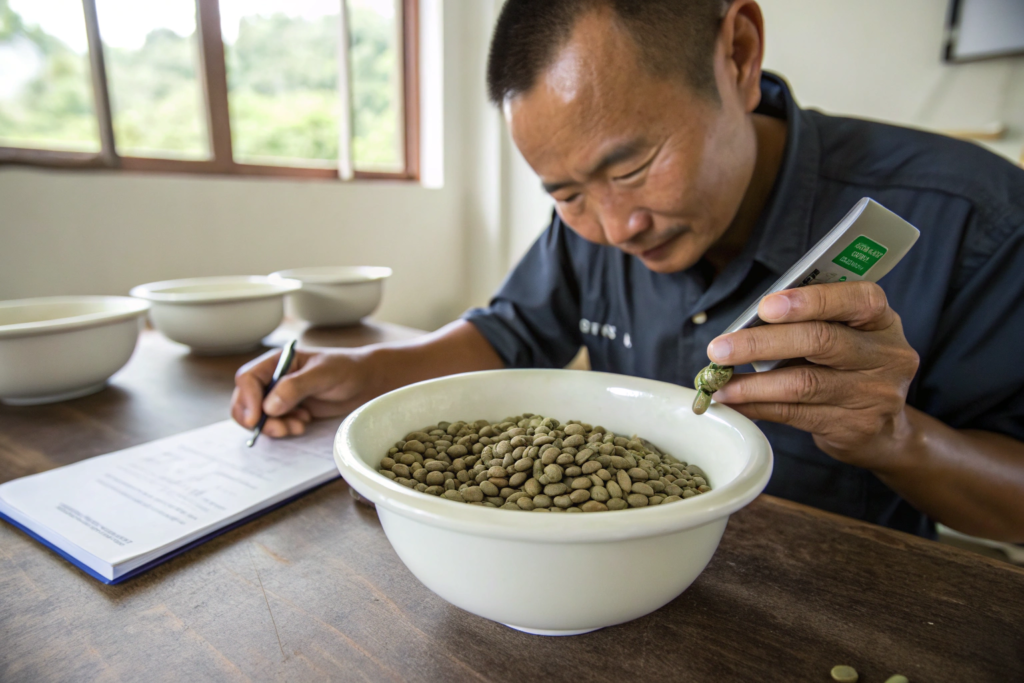
What makes Yunnan Arabica clean and sweet?
Yunnan Arabica is clean and sweet for clear reasons. First, altitude. Most farms sit between 1,000 and 1,800 meters. High altitude slows ripening. Slow ripening builds sugar. Second, variety. Catimor is common. It gives a mild, clean cup. Third, processing. Washed processing is standard on good farms. That removes defects. Fourth, climate. Cool nights and warm days create balanced acidity. Fifth, soil. Volcanic soil adds minerals. So the cup is soft and sweet. It is not sharp. It is not harsh. That profile works well in cold coffee. So the match is strong.
How does moderate acidity help cold brew?
Moderate acidity helps cold brew in two ways. First, it reduces sharpness. Cold extraction pulls less acid. But high-acid beans still taste bright. That can clash with milk and sugar. Second, it improves balance. Moderate acid gives structure without bite. So the drink tastes smooth. It also tastes clean. So the final product is more drinkable. That matters for mass market RTD. Most RTD customers want smooth. They do not want sour. So moderate acidity is a benefit. It is not a weakness. So Yunnan Arabica fits the target taste.
What Are the Business Advantages?
The business advantages are real. First, price. Yunnan coffee costs less than Colombian or Kenyan coffee. Second, stability. We control our farms. So supply is steady. Third, speed. Shipping from China to Asia is fast. Fourth, flexibility. We offer raw beans and processed products. Fifth, traceability. We track every lot. So buyers get proof. Sixth, scalability. We can grow with your volume. So the business case is strong. It is not just about flavor. It is about cost, risk, and growth. So Yunnan Arabica supports the whole business. That is why RTD manufacturers are looking at China now.
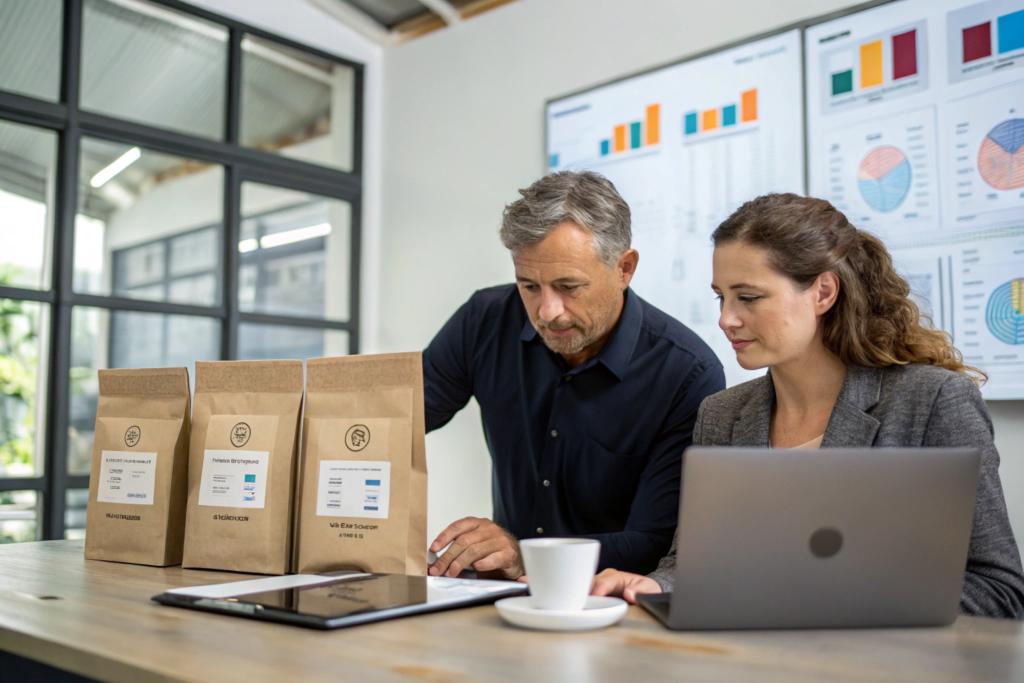
How does pricing compare to other origins?
Pricing compares well. Yunnan Arabica usually costs less than Colombian and Kenyan coffee. It may cost more than some Brazilian commercial lots. But the quality is often higher. So the value is strong. For RTD, value matters. Margins are thin. So a good bean at a fair price is a big win. Also, freight from China can be cheaper to Asian markets. That lowers landed cost. So the total price is competitive. So do not look at farm price alone. Look at landed cost. Then compare. That is the real number. So Yunnan often wins on landed cost.
How does supply stability reduce risk?
Supply stability reduces risk in clear ways. First, no surprise shortages. Second, no sudden price spikes. Third, no quality swings. Fourth, no late shipments. So the production line keeps running. That protects revenue. It also protects reputation. A brand that runs out of product loses customers. A brand that changes taste loses customers. So stability is not just operations. It is brand protection. So choose a supplier with control. Then lock in your supply. That is how you reduce risk. So stability is worth a premium. And Yunnan offers it.
How Do You Source Chinese Arabica for RTD?
Sourcing takes a clear process. First, define your spec. Decide the cup profile, the moisture, and the defect count. Second, request samples. Third, cup the samples. Fourth, test them in your RTD formula. Fifth, review the lot records. Sixth, negotiate the contract. Seventh, plan the shipping. So the process is standard. But the details matter. So be specific. Then test thoroughly. Then commit. So do not rush. A good spec saves trouble later. So build it first. Then source against it.
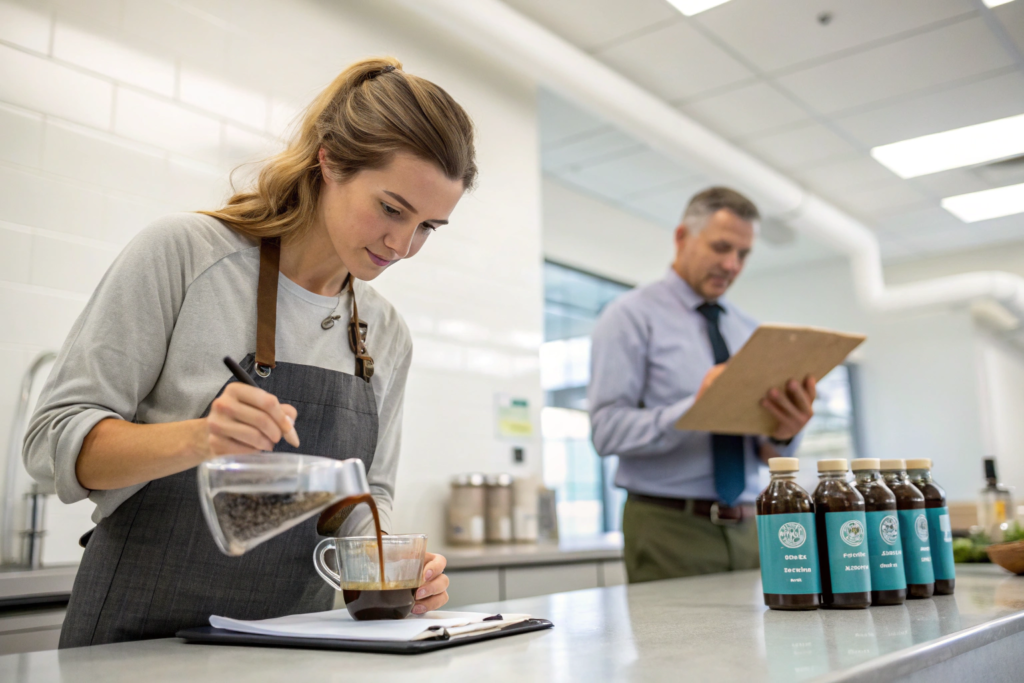
What specifications should you set?
Set clear specifications. First, cup score. Aim for 82 to 85 points. Second, moisture. Target 10 to 12 percent. Third, defect count. Aim for zero to five per 300 grams. Fourth, screen size. Choose a uniform size. Fifth, processing method. Washed is best for RTD. Sixth, harvest date. Fresh crop matters. Seventh, packaging. Use food-grade bags with liners. So write these down. Then share them with your supplier. Then verify each shipment. That keeps quality stable. So specs are your shield. So build them well.
How do you test beans for RTD formulas?
Test beans in your actual formula. First, roast a sample batch. Second, brew it the same way you brew production. Third, taste it hot and cold. Fourth, test it with milk and sugar. Fifth, check the color and clarity. Sixth, measure the extraction yield. Seventh, repeat with a second lot. So you test consistency. Then compare results. If both lots match, the bean is stable. So testing is not optional. It is essential. So build a small test protocol. Then follow it for every new lot. That protects your product.
Conclusion
Chinese Arabica is ideal for RTD coffee for clear reasons. It is clean. It is sweet. It has moderate acidity. It is consistent. It is affordable. It ships fast. It is traceable. So it meets both the technical and business needs. That is why RTD manufacturers are looking at Yunnan now. It is not just a trend. It is a practical choice. We grow and process Yunnan Arabica at BeanofCoffee. We supply RTD manufacturers with stable, tested lots. If you want a reliable source for RTD coffee, we can help. Please contact Cathy Cai at cathy@beanofcoffee.com to discuss your order with BeanofCoffee. We will share our specs, samples, and lot records with you.