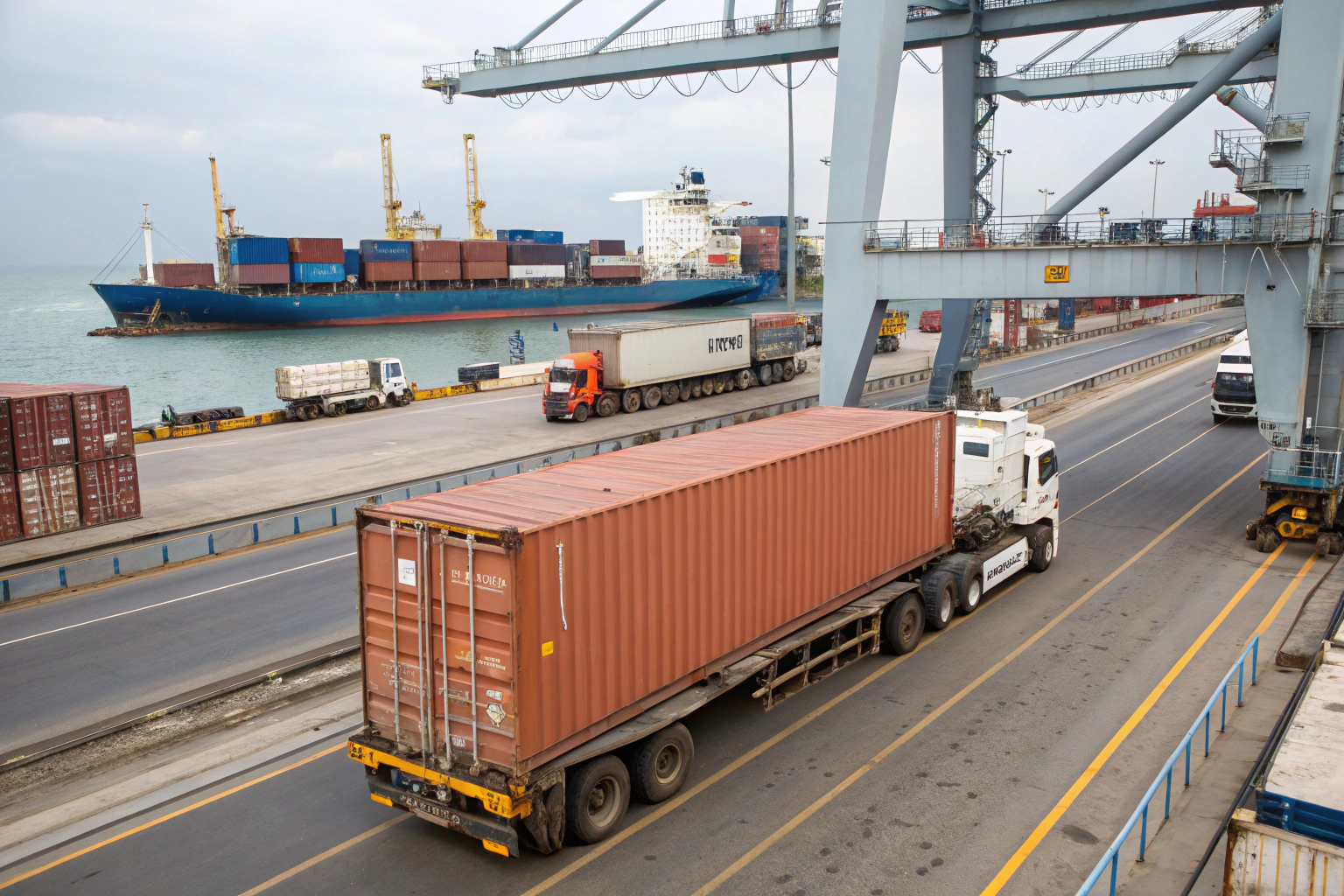
I run BeanofCoffee, a coffee exporter based in Yunnan, China. We own more than 10,000 acres of coffee plantations in Baoshan City. We sell Catimor, Arabica, and Robusta. We ship raw beans and packaged products to North America, Europe, and Australia. So I know one thing very well: buyers like Ron do not just care about price. They care about whether the coffee arrives on time, in good condition, and without surprise costs. And the first big step is the trip from Yunnan to Shenzhen Port. If that step goes wrong, everything after it goes wrong too.
The main transportation risks from Yunnan to Shenzhen Port are road weather, truck and rail scheduling, port congestion, export documents, customs checks, container humidity, ocean freight space, and payment timing. None of these risks is impossible to manage. But they must be planned for before the coffee leaves Baoshan. I tell every buyer the same thing: cheap freight means nothing if the container misses the sailing. Fast loading means nothing if the moisture level rises in transit. Good price means nothing if customs holds the shipment for missing papers.
So, what should a buyer watch? A buyer should watch the full chain, not just one piece. That chain starts at our farm, moves by truck through Yunnan, connects to rail or long-haul trucking, reaches Shenzhen Port, clears export customs, and then waits for the vessel. Each link has its own risk. Each link can add cost or delay. Let me break down the risks in a practical way. I will use simple language. I will also share what we do at BeanofCoffee to reduce these problems.
What Causes Delays from Yunnan to Shenzhen Port?
Ron once asked me, “Why does a domestic move inside China take so long?” It is a fair question. Yunnan is not next to Shenzhen. The distance is long. The terrain is not flat. The weather changes fast. And coffee is not the only cargo on the road. When delays happen, buyers feel it in their inventory plans. They also feel it in demurrage, storage, and missed retail windows. The problem is not one single delay. The problem is many small delays stacking up.
The short answer is this: delays from Yunnan to Shenzhen Port usually come from mountain weather, road conditions, truck availability, rail scheduling, port congestion, and customs paperwork. In the rainy season, roads in Yunnan can slow down. In peak export season, trucks and rail cars can be tight. At Shenzhen Port, vessels can be late or terminals can be busy. And if one export document has a small mistake, the container may sit. So the risk is not only distance. It is timing, capacity, and document accuracy.
Another way to look at this is to treat the trip as a relay race. The coffee beans do not move by one magic truck. They move from our warehouse to a loading point. Then they move to a rail yard or a long-haul truck. Then they move to Shenzhen. Then they wait for a vessel. If one runner is slow, the next runner waits. At BeanofCoffee, we build buffer time into every quote. We also track weather and port schedules. We do not promise a sailing date that has no room for real life.
Are Yunnan Roads and Weather a Real Bottleneck?
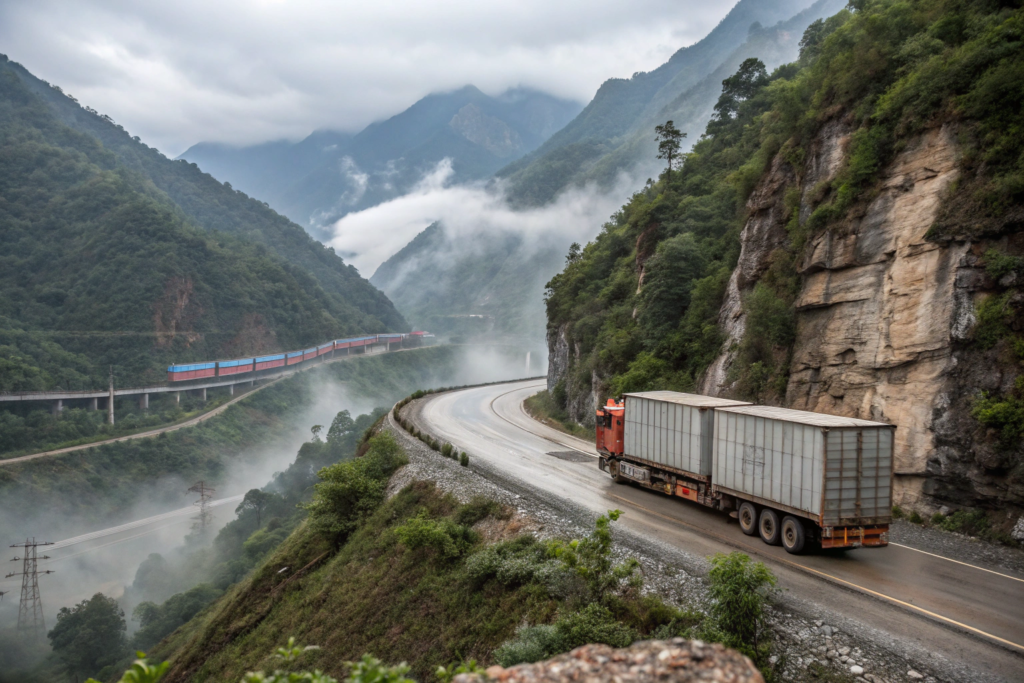
Yes, they are. I have seen this myself. A road that looks fine in the morning can be blocked by rain by the afternoon. In Baoshan and nearby areas, mountain roads can have fog, landslides, or heavy rain. A truck may need to reduce speed. Sometimes it must stop and wait. That adds hours. Sometimes it adds a full day. For a buyer in America, one day may not sound like much. But one day can push a container past a vessel cutoff. Then the whole schedule moves.
The Port of Shenzhen is a major gateway, and it handles a huge amount of cargo. You can check Port of Shenzhen for basic port information. Global logistics providers also publish useful planning notes, such as Maersk supply chain. These are good starting points. But local knowledge matters too. We know which roads are safer in which season. We know when to load early. We know when to use a different truck company. That is not glamorous work. It is just risk control.
Do Rail and Truck Schedules Create Hidden Delays?
They can. Many people think rail is always faster. It is not always faster. Rail can be very efficient, but it depends on space, cut-off times, and connection points. Trucking is flexible, but it depends on drivers, permits, and road conditions. During peak season, both can be tight. A small booking mistake can cause a big wait. For example, if the container arrives at the rail yard after the cut-off, it may wait for the next train. If the truck is late, the container may miss its port slot.
To reduce this risk, we work with partners who understand coffee export. We also compare options. Sometimes trucking all the way is better. Sometimes rail plus truck is better. It depends on the date, the volume, and the destination vessel. You can read more about service routes from Hapag-Lloyd and digital freight planning from Flexport. I do not copy their schedules. I use them as reference points. Then I confirm with our local team. That is how we keep the plan real.
How Do Tariffs and Customs Affect Coffee Exports?
Tariffs and customs are not just paperwork. They are money and time. Ron cares about both. A tariff can change the landed cost. A customs delay can change the delivery date. And a missing certificate can turn a simple shipment into a storage problem. I have learned that buyers want clear numbers. They do not want vague answers. They want to know the duty rate, the documents, the inspection rules, and the payment terms. If I cannot answer those questions, I should not ask for the order.
The short answer is this: tariffs and customs affect coffee exports through duty rates, product classification, country-of-origin rules, food safety rules, import documents, and inspection holds. For U.S. buyers, the Harmonized Tariff Schedule code matters. For coffee, the main code is often under 0901. But the exact subheading depends on whether the coffee is green, roasted, decaffeinated, or packaged. Customs brokers use these codes to calculate duties. If the code is wrong, the shipment can be delayed or charged more.
This is where a good exporter becomes useful. We do not guess. We prepare commercial invoices, packing lists, bills of lading, certificates of origin, phytosanitary certificates, and other documents based on the buyer’s country. We also check whether the buyer needs FDA prior notice or other food import steps. At BeanofCoffee, we keep sample documents ready. We review them before the container leaves. That review saves more time than any rushed loading plan.

Are U.S. Tariffs on Chinese Coffee a Moving Target?
They can feel like one. Trade policy changes. Rates change. Exclusions come and go. So I never tell a buyer, “This is the final duty forever.” That would be careless. Instead, I tell them to check the current tariff schedule and work with a customs broker. The USTR publishes trade policy information. The USITC provides tariff and trade data. These are official sources. They are not light reading. But they matter when you calculate your landed cost.
For Ron, this means he should ask for the HTS code before the order is final. He should also ask whether the coffee is green or roasted. He should ask about packaging. A 60 kg jute bag of green coffee is not the same as a retail bag of roasted coffee. The tariff line may differ. The food safety rules may differ. The label rules may differ. A good supplier will help with this. A weak supplier will say, “Do not worry.” I do not like that answer. You should not either.
How Do Export Documents Slow Down Shenzhen Port?
Documents can slow down Shenzhen Port because the port does not load cargo based on trust alone. It loads based on data. The data must match. The invoice must match the packing list. The bill of lading must match the booking. The certificate of origin must match the product. If one number is wrong, the container may be held. If one name is misspelled, the customs broker may need a correction. Corrections take time. Time costs money.
The CBP website explains basic U.S. import and export rules. The WCO covers customs standards around the world. I use these as reference points when I train our team. But the real work happens in our office. We check every document three times. We check the buyer’s name, address, tax ID, product description, net weight, gross weight, and container number. We check the vessel name and sailing date. It is boring. It is also necessary. A boring document check prevents an expensive port hold.
How Can Buyers Control Coffee Quality in Transit?
Quality is not only a farm issue. It is also a transport issue. Green coffee is alive. It breathes. It reacts to heat, moisture, and odors. A container can be clean on the outside and dangerous on the inside. If the container has a strong smell, the beans can absorb it. If the container has too much moisture, mold can grow. If the container sits in the sun, heat can damage the flavor. Ron cares about quality because his customers care. One bad lot can hurt his brand.
The short answer is this: buyers can control coffee quality in transit by setting moisture limits, using clean and dry containers, adding moisture absorbers when needed, controlling temperature, sealing the container, and requiring third-party inspection before loading. Quality control does not start when the coffee reaches the U.S. It starts at the warehouse in Yunnan. It continues through the truck, the rail yard, the port, and the ocean vessel. Every handoff is a chance for quality to drop.
We treat green coffee like a food product, because it is one. We test moisture, water activity, and defect count. We cup the coffee. We keep samples. We use food-grade liners when the route is humid. We reject dirty containers. We also take photos before loading. These steps are simple. But they protect the buyer. They also protect us. A claim after arrival is expensive for everyone.
Does Humidity Damage Green Coffee Beans?
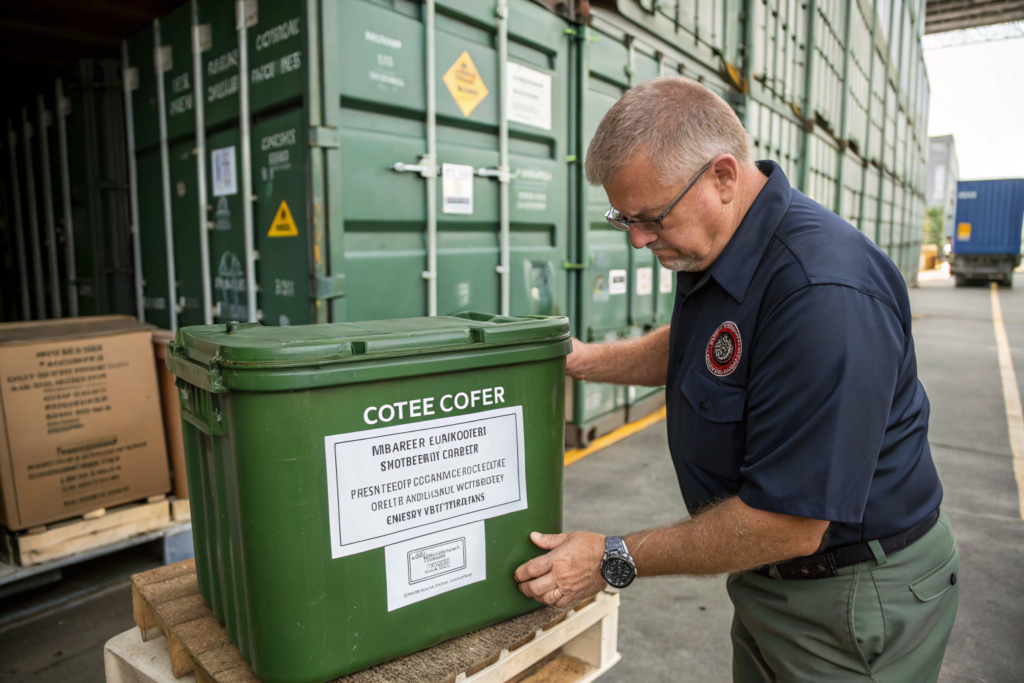
Yes. Humidity is one of the most common quality risks in coffee shipping. Green coffee can absorb moisture from the air. If the moisture level gets too high, mold and off-flavors can develop. If the container travels through hot and humid regions, the risk goes up. Rainy season in southern China can make this worse. A container that is not properly protected can become a small greenhouse. The beans may look fine at loading. They may not look fine at arrival.
Third-party inspection companies help manage this risk. SGS coffee inspection and Intertek coffee both provide testing and inspection services. We use similar checks in our own process. We measure moisture before loading. We record the result. We also check container floors and walls. If a container smells like chemicals or fuel, we reject it. That decision may delay loading by a few hours. But it protects the coffee. I would rather delay a few hours than replace a container of beans.
How Do You Verify Quality Before the Container Leaves?
You verify quality before the container leaves by sampling, cupping, testing moisture, checking defects, and using a pre-shipment inspection. A buyer should not wait until the coffee arrives to learn about quality. That is too late. The buyer should ask for a pre-shipment sample. The buyer should review the cup profile. The buyer should confirm the screen size, moisture, and defect count. If the buyer wants certification, the supplier should provide it. The SCA offers resources on coffee standards and education. Fairtrade coffee explains certification for fair trade coffee. These are useful references for buyers who want more than a verbal promise.
At BeanofCoffee, we keep pre-shipment samples for every lot. We label them with the lot number, date, and container number. If a question comes later, we can trace it back. This is not a marketing story. It is a basic control system. Ron likes this because he can show his team the sample. He can compare it with the arrival sample. He can solve problems faster. That is what a stable supply chain looks like.
What Logistics and Payment Risks Matter?
Logistics and payment risks are connected. If the container is late, the buyer may want to delay payment. If payment is slow, the supplier may hesitate to book the next vessel. If the vessel is full, the freight rate may rise. If the rate rises, the buyer may ask for a discount. This back-and-forth can hurt trust. Ron is confident. He likes to lead the conversation. That is fine. But even a confident buyer needs clear terms. Clear terms stop small problems from becoming big arguments.
The short answer is this: logistics and payment risks include ocean freight rate changes, space shortages, port congestion, vessel delays, currency moves, payment method risk, and quality claims. The best protection is a written contract, clear Incoterms, a realistic schedule, and a payment method that protects both sides. I do not promise zero risk. I promise clear communication. I promise that we will tell the buyer when something changes. That is more useful than a perfect-looking quote.
At BeanofCoffee, we work with freight forwarders and shipping lines that handle food products. We also work with buyers on payment terms. Some buyers use T/T. Some use letters of credit. Some use platform protection on Alibaba. Each method has a cost. Each method has a risk. The key is to match the method to the order size and the relationship. A first order is different from a tenth order. A small sample order is different from a full container.
Are Ocean Freight Rates and Space Still Unstable?
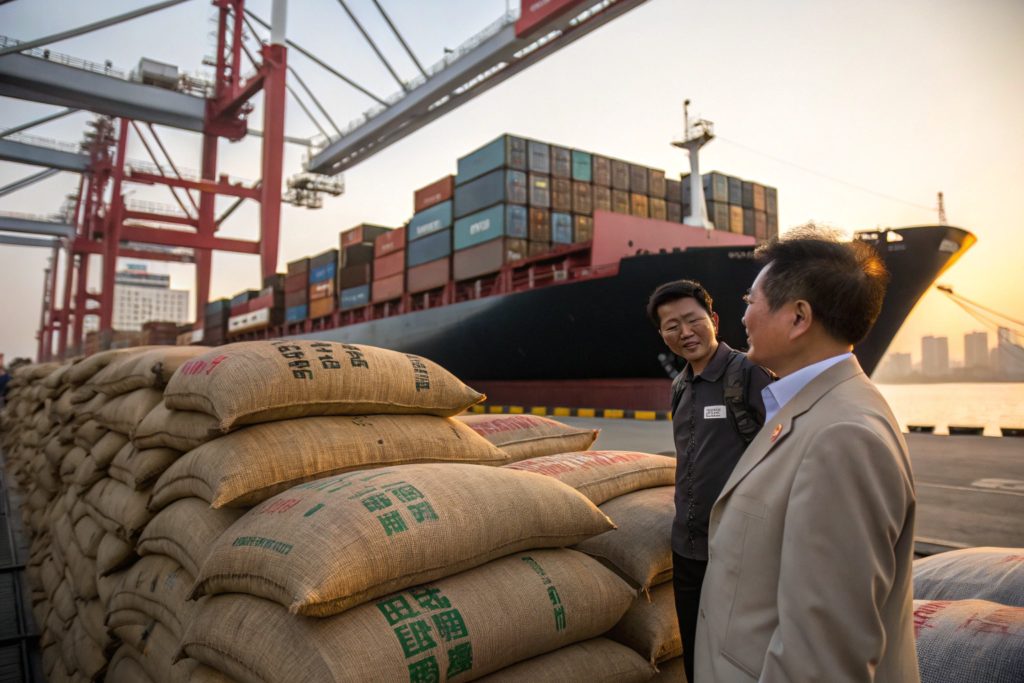
Yes, they can be unstable. Ocean freight is affected by fuel prices, vessel capacity, port congestion, weather, and global trade. In peak season, space can be tight. Rates can rise quickly. In low season, rates may fall. But low rates do not always mean good service. A very cheap forwarder may roll your container to the next vessel. That saves money at first. It costs money later. I have seen buyers save $200 on freight and lose $2,000 in storage and lost sales.
Large carriers publish service information. MSC and DHL Global Forwarding are examples. I check their updates. I also ask our forwarder for space before I confirm a sailing date. If space is not confirmed, I do not promise the date. It is that simple. For buyers like Ron, I recommend booking early. I also recommend keeping a small buffer in the delivery schedule. A buffer is not waste. A buffer is insurance.
How Can Buyers Reduce Payment Risk with Chinese Suppliers?
Buyers can reduce payment risk by using a clear contract, a safe payment method, and a third-party inspection. They should also verify the supplier’s business license, export record, and bank account. They should not send money to a personal account. They should not skip the contract. They should not rely only on chat messages. Good suppliers will welcome these steps. Bad suppliers will avoid them. The International Trade Administration offers export and import guidance. The WTO explains tariff and trade rules. These resources can help a buyer build a safer process.
For first orders, a common structure is a deposit plus balance against documents. For larger orders, a letter of credit may work. For platform orders, Alibaba Trade Assurance can add a layer of protection. But no method replaces due diligence. Ask for references. Ask for videos of the warehouse. Ask for test reports. Ask for a sample. Then start with a smaller order. If the supplier performs well, increase the volume. That is how trust is built. At BeanofCoffee, we prefer long-term buyers. We want the second order, the third order, and the hundredth order. So we act like it.
Conclusion
Moving coffee from Yunnan to Shenzhen Port has real risks. Weather can slow trucks. Rail and truck schedules can shift. Port congestion can delay loading. Tariffs and customs can change the landed cost. Humidity can hurt quality. Ocean freight can be tight. Payment can be delayed. These risks are not reasons to avoid Chinese coffee. They are reasons to work with an exporter who plans for them. I have seen too many buyers focus only on the lowest price. Then they pay more later. The smarter approach is to look at price, quality, timeline, documents, and risk control together.
At BeanofCoffee, we control what we can control. We own more than 10,000 acres in Baoshan. We manage Catimor, Arabica, and Robusta. We prepare export documents. We inspect moisture. We book reliable logistics. We communicate clearly. We do not hide problems. If you are a large buyer, brand owner, distributor, or trading company, we can support raw beans and packaged products. If you want a stable supply from Yunnan to Shenzhen Port and then to your market, let us talk. Please contact Cathy Cai at cathy@beanofcoffee.com. She will help you with samples, pricing, specifications, and shipping plans. You can also visit BeanofCoffee to learn more about our farm and export work.